


Waytale
New York cityscape

New York

The City That Never Sleeps, Stories That Never End

Discover New York through AI-powered audio stories for kids and families. Experience historic landmarks, museums, and hidden gems with expert narration and local insights that bring the city to life.

50 Stories
AI Narrated
7 Voices

Free to download · No account required

museum

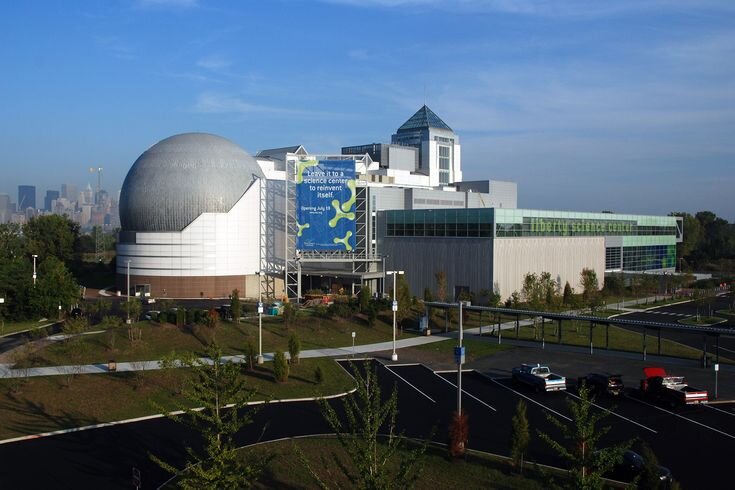
Liberty Science Center

Liberty Science Center, nestled in Jersey City’s Liberty State Park with stunning views of Manhattan and the Statue of Liberty, is a wonderland for families and curious travelers. Since opening its doors in 1993 as New Jersey’s first major state science museum, this 300,000-square-foot center has become a beacon for hands-on learning and innovation. What sets Liberty Science Center apart is its dedication to making science exciting and accessible: visitors of all ages can dive into interactive exhibits, explore cutting-edge technology, and even experience the thrill of hurricane-force wind simulators or live animal encounters. The center’s crown jewel is the Jennifer Chalsty Planetarium, the largest in the Western Hemisphere, offering awe-inspiring journeys through the cosmos. With 12 exhibition halls, giant aquariums, a 3D theater, and the mesmerizing Hoberman Sphere, every visit promises discovery and fun. Over 750,000 guests each year come to ignite their curiosity, experiment in labs, or watch live science demonstrations that make complex ideas come alive. Steeped in a rich history of inspiring future innovators, Liberty Science Center is more than a museum—it’s a playground for the mind and a launchpad for lifelong wonder.

That shimmering silver ball hanging above you isn't just decoration - it's the ORIGINAL Hoberman sphere, a massive computer-controlled engineering artwork that expands and contracts like a giant mechanical flower! You're standing inside America's BIGGEST planetarium - this dome stretches 89 feet across, that's wider than SEVEN school buses parked end to end! Inside this 300,000-square-foot wonderland, you can experience hurricane-force winds, watch live surgeries beamed in from real hospitals, and meet 110 different animal species. The coolest part? You can see the Statue of Liberty waving at you from the windows while robots and tornadoes spin around inside!

museum

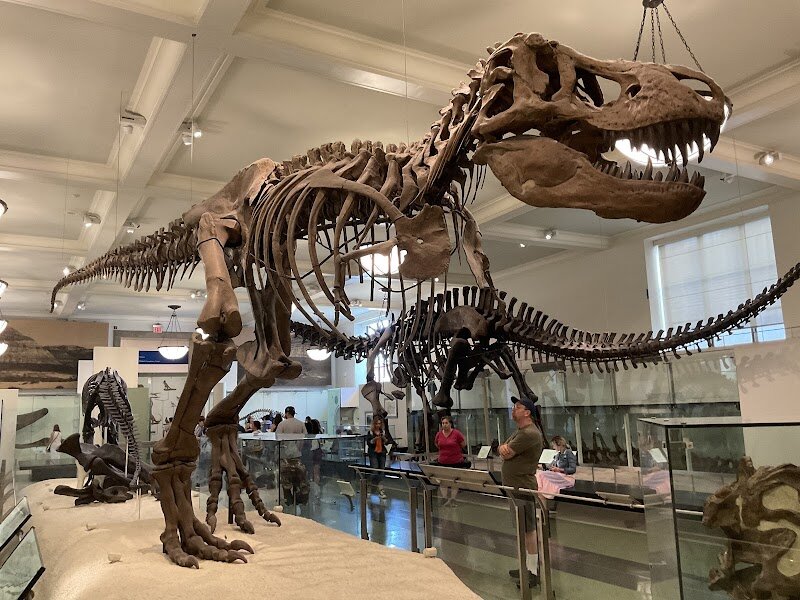
American Museum of Natural History

The **American Museum of Natural History (AMNH)** is a wonderland of discovery nestled on Manhattan’s Upper West Side, captivating families and curious travelers for more than 150 years. Founded in 1869, AMNH was born from a vision to explore and share the marvels of nature, humanity, and the universe—a mission that continues to shape its world-class reputation. Step inside and you’ll be greeted by legendary exhibits: stand beneath the jaw-dropping 94-foot blue whale in the Milstein Hall of Ocean Life, journey through time in the dinosaur halls with towering fossils like Tyrannosaurus rex, and unravel the mysteries of our origins in the Hall of Human Origins. Young explorers and seasoned adventurers alike can launch into outer space at the cutting-edge Hayden Planetarium, where cosmic wonders come alive. What makes AMNH truly special is its sheer scale and depth—housing over **30 million specimens and artifacts** that chronicle 4.5 billion years of Earth’s history. Beyond the displays, the museum is a hub of groundbreaking research, ongoing expeditions, and collaborative efforts with global communities, ensuring that every visit sparks curiosity and awe. Whether you’re a family seeking inspiration or a traveler hungry for knowledge, AMNH promises an unforgettable journey through the wonders of our world.

Workers are still uncrating dinosaur bones in the basement while five million visitors explore above, making this the world's largest natural history museum right here at 200 Central Park West. This massive complex sprawls across four full city blocks with twenty-five interconnected buildings - what started in 1869 as a single Victorian structure has grown into a 2.5 million square foot labyrinth. That glowing sphere you see floating impossibly in its glass cube? It's the Hayden Planetarium, an 87-foot-diameter marvel that literally hangs suspended without touching the walls. Inside these halls, only three percent of the museum's 34 million specimens can fit on display at once - meaning there are literally millions of treasures tucked away in storage that most visitors will never see. Theodore Roosevelt's official New York State memorial sits right here too, honoring our former governor who championed conservation. Every step through these corridors takes you past discoveries that rewrote textbooks, from fighting Velociraptors locked in eternal combat to meteorites older than Earth itself.

building

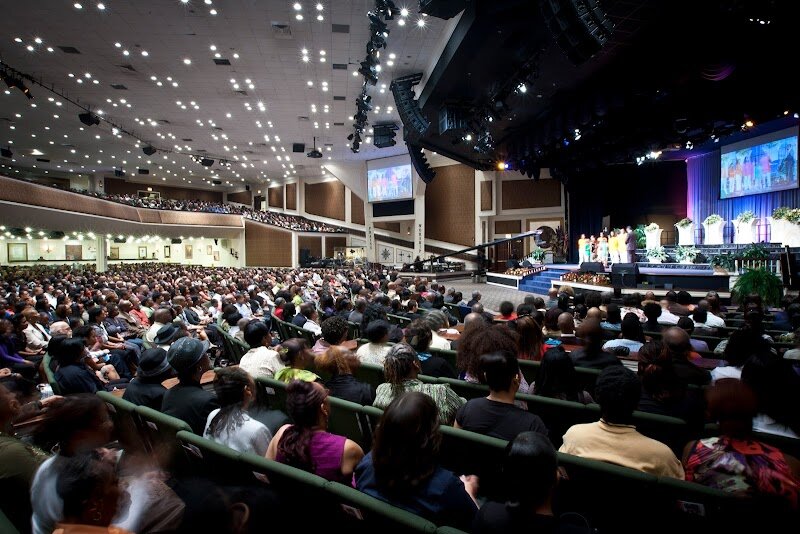
Christian Cultural Center - Brooklyn Campus

Christian Cultural Center’s Brooklyn Campus is a vibrant hub where faith, history, and community come together in dynamic ways. Founded in 1978 by Dr. A.R. Bernard, CCC has grown from humble beginnings in Williamsburg to become New York City’s largest evangelical church, now welcoming over 32,000 members. For families and travelers alike, the campus offers an inviting “third space”—a welcoming environment distinct from work or home—where people of all backgrounds can connect, reflect, and grow. What sets CCC apart is its fusion of sacred tradition, intellectual discovery, and cultural enrichment. The awe-inspiring worship auditorium blends modern architecture with reverent atmosphere, while the campus itself hosts a unique gallery featuring original and ancient biblical manuscripts and artifacts, making it a destination for both spiritual seekers and history enthusiasts. Visitors can experience lively worship services, thought-provoking lectures, and multimedia productions celebrating African American heritage, chronicling the journey from Africa through the civil rights era—a testament to the church’s deep roots in social justice and cultural expression. Whether you’re seeking spiritual inspiration, cultural insight, or simply a sense of belonging, Christian Cultural Center offers a truly special experience at the heart of Brooklyn.

Every Sunday, this building swallows 5,000 people whole - that's like fitting your ENTIRE elementary school times twenty inside one giant room! Rev. A.R. Bernard built this megachurch in 2000 after starting with just folding chairs in a Williamsburg kitchen twenty-two years earlier. Look closely at those front doors... behind them sits New York City's largest evangelical church, and tucked inside is a secret gallery with REAL ancient Biblical manuscripts that's part church, part museum. This 11-acre Starrett City campus proves that Brooklyn dreams can grow bigger than anyone imagines!

museum

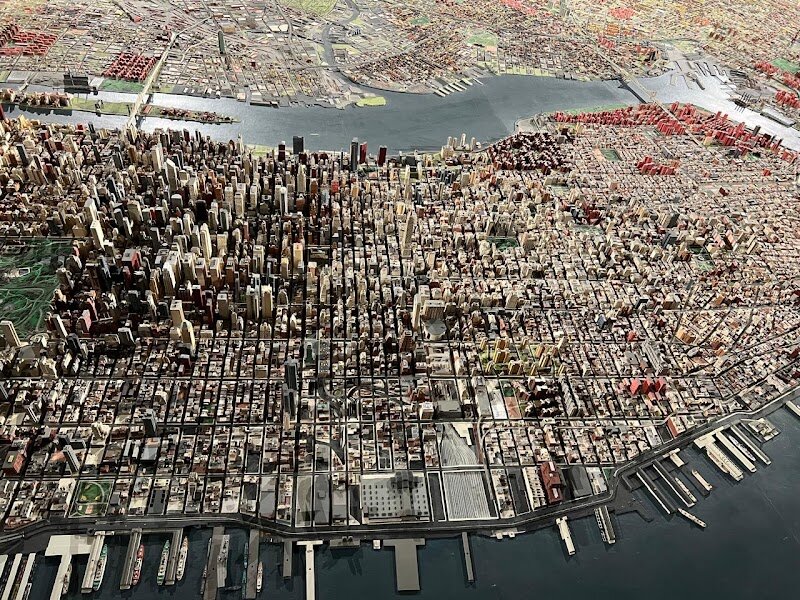
Queens Museum

Nestled in the heart of Flushing Meadows–Corona Park, the Queens Museum is a vibrant hub where New York’s past and present come alive for families and curious travelers alike. Housed in the historic New York City Building—originally constructed for the 1939 World’s Fair and later home to the United Nations General Assembly—the museum is a living testament to the city’s spirit of innovation and diversity. What truly sets the Queens Museum apart is its iconic Panorama of the City of New York, an awe-inspiring, room-sized scale model that captures every street, park, and skyscraper across all five boroughs. Originally built for the 1964 World’s Fair, this 9,335-square-foot marvel delights visitors of all ages, offering a bird’s-eye view of the city’s evolution. Beyond the Panorama, the museum’s engaging exhibits span contemporary art, interactive installations, and fascinating artifacts from both World’s Fairs, inviting families to explore New York’s rich cultural tapestry. With hands-on programs, artist residencies, and ever-changing exhibitions, the Queens Museum is a welcoming space where creativity and history inspire wonder at every turn.

That building ahead of you once hosted the entire United Nations General Assembly, but today it's hiding the world's largest architectural model inside. You're looking at the Queens Museum, housed in what was originally the New York City Building for both the 1939 and 1964 World's Fairs. This very ground was once the "valley of ashes" that F. Scott Fitzgerald described in The Great Gatsby - massive dumps that were transformed into fairgrounds. Step inside and you'll find the crown jewel: the Panorama of the City of New York, sprawling across 9,335 square feet with 895,000 miniature buildings. It took over 100 craftspeople three years to build this metropolis in miniature for the 1964 World's Fair, where the Empire State Building stands just 15 inches tall. The original visitors experienced it from plastic helicopter cars that simulated flying 3,000 feet above the city for just 10 cents. Look closely at the Jamaica Bay section and you'll spot something the artists snuck in - their initials "N.P." and "BILL" hidden in the tiny bushes, still there after 60 years.

landmark

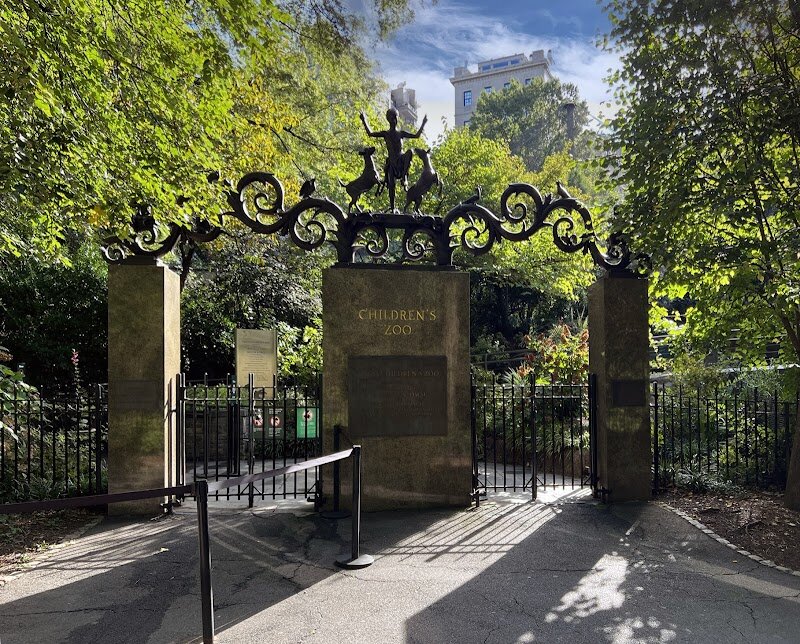
Central Park Zoo

Central Park Zoo, nestled in the heart of Manhattan’s iconic Central Park, is a hidden gem that blends rich history with wild adventure for all ages. Established on its current site in 1861, it ranks among the oldest zoos in the United States, evolving from a humble menagerie of donated animals into a vibrant urban oasis. Today, its beautifully landscaped 7-acre grounds invite visitors to explore three distinct biomes—Tropic Zone, Temperate Territory, and Polar Circle—each teeming with fascinating wildlife from around the globe. Families and curious travelers alike will be captivated by playful sea lions, rare snow leopards, and the mesmerizing antics of 74 penguins in one of the nation’s largest Antarctic colonies. The zoo’s mission goes beyond entertainment, inspiring guests to become wildlife champions through engaging exhibits and conservation stories. Younger visitors can delight in the Tisch Children’s Zoo, where hands-on encounters with goats, sheep, and even Manhattan’s only resident cow spark wonder and laughter. Whether you’re seeking a classic New York experience or a day of discovery, Central Park Zoo offers a magical escape where history, nature, and imagination come alive in the heart of the city.

This zoo was never supposed to exist. Frederick Law Olmsted and Calvert Vaux designed Central Park without any plans for animals, yet here you stand at America's second oldest public zoo, born from pure chaos and accident. Picture this... 1859, a park messenger boy named Philip Holmes discovers a bear cub tied to a tree, abandoned by some unknown soul. Instead of shooing it away, he takes it in. Soon donations pour in from across the city... monkeys, cranes, peacocks, even dead specimens. By 1864, over four hundred animals crowded behind that Arsenal building you see there, turning Central Park into an unplanned menagerie that drew two and a half million visitors annually. The most beloved resident was Mike Crowley, a chimpanzee so famous that former President Ulysses S. Grant himself came calling in the 1880s just to meet him. Then came 1874's greatest zoo panic... the New York Herald published a front-page story claiming a rhinoceros had escaped, followed by polar bears and Bengal tigers rampaging through Manhattan. Pure fiction, but half the city fled in terror before reading the tiny retraction buried at the article's end. Today, within these mere seven acres, lives Manhattan's only cow and seventy-four penguins who've never seen Antarctica.

building

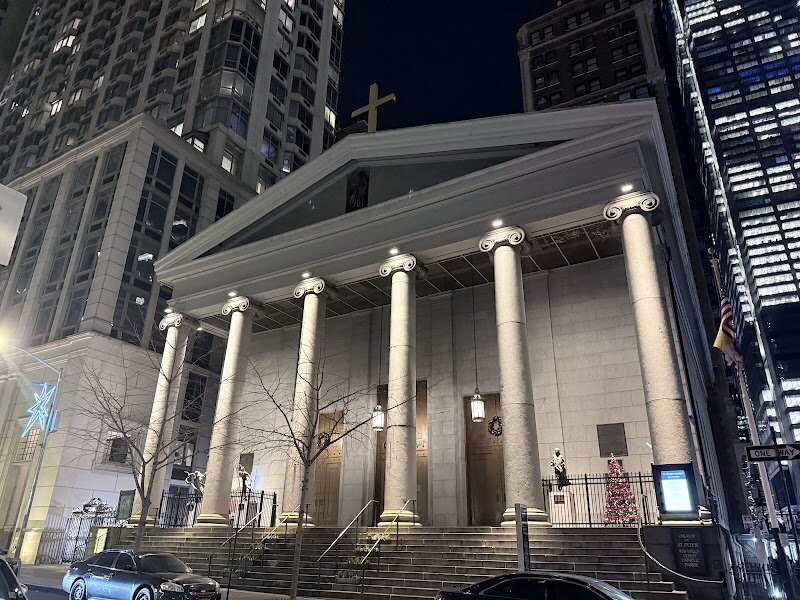
St Peter's Roman Catholic Church

St. Peter’s Roman Catholic Church in Lower Manhattan is a hidden gem with a story as rich as New York itself. Founded in 1785, it is the **oldest Catholic parish in New York State**, predating even the first U.S. bishopric. Its current Greek Revival structure—marked by stately Ionic columns and a dignified granite façade—was completed in 1840, offering a striking contrast to the city’s modern skyscrapers. Step inside and you’ll discover a sanctuary filled with history and artistry. Families and travelers can admire the radiant stained-glass windows, each depicting scenes from the life of Christ in vivid Renaissance colors. Above the main altar hangs a remarkable 18th-century Crucifixion painting, gifted from Mexico—a testament to the church’s global connections and enduring legacy. The original wooden pews, crafted from local trees in the 1840s, invite visitors to imagine the generations who have worshiped here. St. Peter’s is more than a church—it’s a living piece of New York’s story, having survived the events of September 11, 2001, just a block away. Whether you come for quiet reflection, awe-inspiring art, or a sense of history, St. Peter’s offers a welcoming space where the city’s past and present meet.

Workers are still occasionally finding fragments of 240-year-old Spanish silver coins embedded in the foundation walls here at 22 Barclay Street. Those coins were ceremonially placed in the cornerstone back in 1785 by the Spanish Ambassador himself, along with a donation of one thousand silver dollars from King Charles III of Spain to help build New York State's very first Catholic parish. What you're looking at is actually the second church on this spot. The original 1785 building served until 1834, when this Greek Revival masterpiece replaced it. Those six towering Ionic columns weren't just for show... they were a bold architectural statement during a time when anti-Catholic sentiment ran so high that city officials literally forced the parish to move here from their preferred Broad Street location because Barclay Street was considered safely outside the city limits. But here's what'll give you chills: on September 11th, 2001, four firefighters carried the body of Father Mychal Judge, the FDNY chaplain killed in the North Tower, through these very doors. That massive steel beam cross standing beside the church? It was pulled directly from the World Trade Center wreckage, making this sacred space a living memorial where 240 years of New York history converge in one remarkable block.

museum

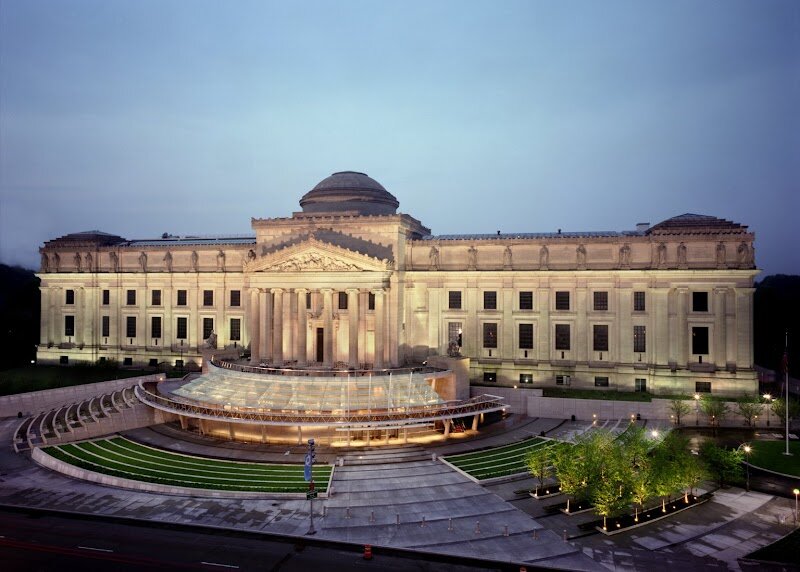
Brooklyn Museum

The **Brooklyn Museum** stands as a vibrant centerpiece of New York’s cultural landscape, welcoming families and curious travelers into its grand Beaux-Arts halls. Founded in 1823 as a modest library for apprentices, the museum has grown over two centuries into the city’s second largest, now housing an astonishing 500,000 objects that span continents and millennia. Its rich history traces back to civic-minded Brooklynites who believed in education and community—a spirit still alive in the museum’s engaging exhibitions and family-friendly programs. Visitors can embark on a world tour through art: marvel at ancient Egyptian treasures, including mummies and artifacts over 3,000 years old, or explore dynamic American works by artists like Georgia O’Keeffe and Norman Rockwell. The museum’s innovative approach means there’s always something new—whether it’s interactive installations, contemporary art, or hands-on workshops for kids. Set on the ancestral homeland of the Lenape people, the Brooklyn Museum doesn’t just preserve history—it creates it, inviting every guest to discover, imagine, and connect. For those seeking inspiration, discovery, and memorable moments together, this Brooklyn icon offers a truly unforgettable experience.

Brooklyn's greatest cultural monument was finished just as Brooklyn itself was about to disappear forever. When this magnificent Beaux-Arts palace opened on October 2nd, 1897, designed by the legendary McKim, Mead & White, it became one of the final grand structures built in the independent city of Brooklyn... just four months before Brooklyn vanished into Greater New York. As you approach this limestone temple along Eastern Parkway, notice how its classical columns and symmetrical facade seem to defy gravity itself. The architects faced an impossible challenge... the bedrock lay several HUNDRED feet below ground, yet somehow they built this 560,000-square-foot giant on nothing but gravel fill. Engineers declared it strong enough to support what would become New York City's second largest museum. But here's the twist that transforms everything you think you know about this place. This grand palace of art began life in 1823 as something wonderfully humble... the Brooklyn Apprentices' Library, New York City's very first free library, created to educate working tradesmen. From those modest origins rose a cultural revolution. Step inside the soaring Beaux-Arts Court, where embedded Doric columns serve no structural purpose but pure theatrical drama... and remember, you're standing in the institution that, in 1923, became the first museum in America brave enough to display African metalwork as ART rather than mere artifacts. That single decision changed how the world sees culture forever.

landmark

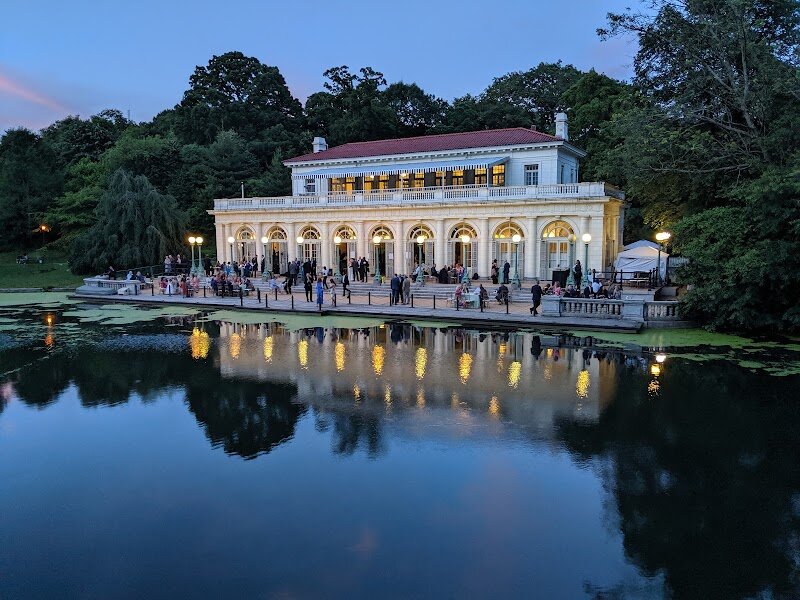
Prospect Park

Prospect Park in Brooklyn is a lush, 526-acre retreat where families and travelers can escape the city’s energy and immerse themselves in nature, history, and vibrant community life. Designed in the 1860s by Frederick Law Olmsted and Calvert Vaux—the legendary team behind Central Park—this park was envisioned as Brooklyn’s own green oasis, a place where city dwellers could enjoy fresh air, scenic landscapes, and a sense of freedom. Wander along winding woodland trails, picnic on the sprawling Long Meadow, or let kids marvel at over 400 animals at the Prospect Park Zoo. History echoes throughout the park, from the remnants of Revolutionary War battles to monuments like the Maryland Memorial, honoring those who shaped America’s past. The park’s rolling hills, tranquil lakes, and hidden ravines invite exploration at every turn, while iconic sites like the Boathouse and Grand Army Plaza offer beauty and architectural charm. Year-round, Prospect Park buzzes with concerts, festivals, and lively farmers’ markets, making it a beloved gathering spot for locals and visitors alike. For anyone seeking adventure, relaxation, or a taste of Brooklyn’s rich heritage, Prospect Park promises unforgettable experiences for all ages.

Right now, you're standing on a battlefield where 17,000 years of ice carved these hills! Back on August 21, 1776, Colonial soldiers chopped down a massive white oak tree right here to block the British army during the bloodiest battle of the Revolutionary War. Even though they lost, they saved George Washington's entire army! Those same designers who made Central Park actually called THIS their masterpiece - all 585 acres of it, including a secret forest nicknamed "The Last Forest of Brooklyn" hidden in the ravines. Can you spot Mount Prospect rising 200 feet high - that's like stacking 20 giraffes on top of each other!

building

St. Paul's Chapel

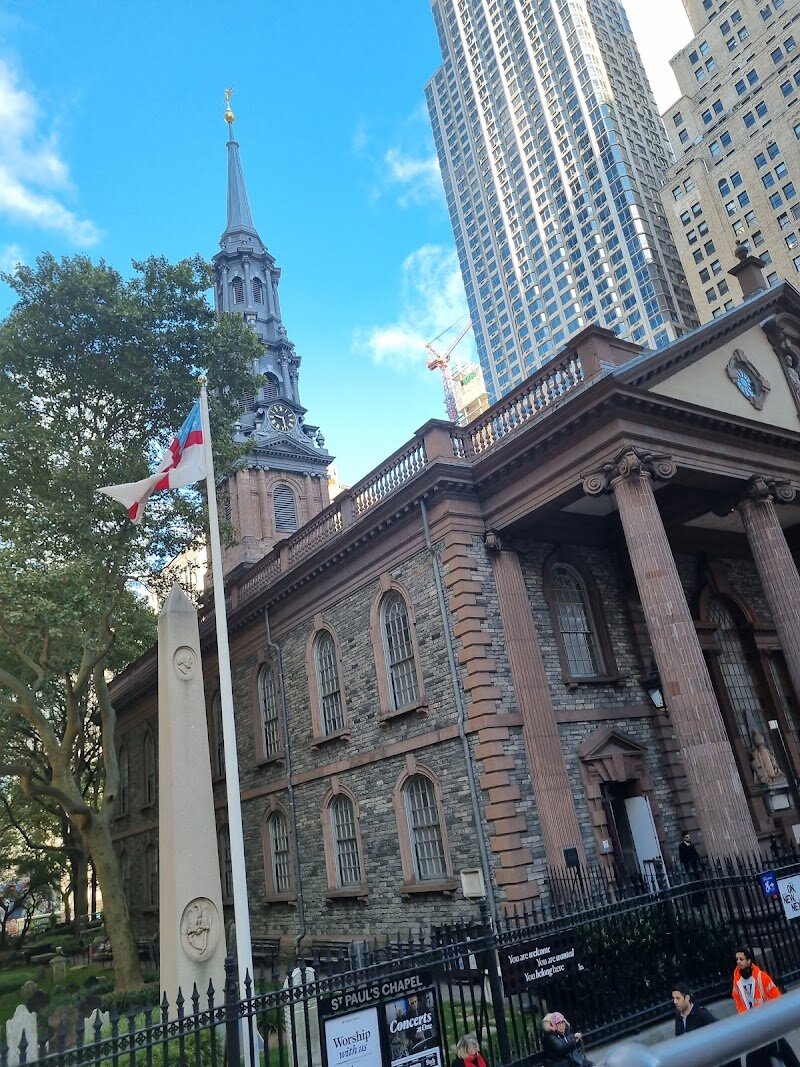
St. Paul’s Chapel, nestled amid Lower Manhattan’s skyscrapers, is a living testament to New York City’s rich history and resilience. Built in 1766, it is **Manhattan’s oldest surviving church** and the only colonial-era church still standing on the island, making it a rare window into the city’s earliest days. Families and curious travelers will find themselves walking in the footsteps of George Washington, who worshipped here after his presidential inauguration in 1789—a moment you can still sense when viewing Washington’s pew and the stunning 18th-century architecture. What sets St. Paul’s apart isn’t just its age, but its unwavering presence during New York’s defining moments. The chapel famously survived the Great Fire of 1776 and, centuries later, stood unscathed beside Ground Zero on September 11th, becoming a sanctuary for recovery workers and a symbol of hope for the city. Today, visitors can explore moving memorials, marvel at original Georgian design, and enjoy free concerts and cultural programs in a space that has offered comfort and inspiration for over 250 years. Whether you’re seeking history, reflection, or a unique family adventure, St. Paul’s Chapel welcomes all who enter with stories of endurance and unity.

April 30th, 1789, and America's first president has just walked four blocks north from Federal Hall on Wall Street to attend thanksgiving services right here at St. Paul's Chapel. Washington would worship in that canopied pew on the north side for over a year, beneath a painting that holds a secret most visitors miss completely. This Georgian stone facade you're looking at survived something impossible in 1776 - the Great Fire that destroyed a quarter of Manhattan - thanks to a bucket brigade hauling water from the Hudson River to the roof. Step inside and you'll discover those fourteen Waterford crystal chandeliers hanging from the barrel-vaulted ceiling, illuminating Manhattan's only surviving colonial church. But here's what'll blow your mind - that painting above Washington's original pew shows America's Great Seal with a turkey instead of our bald eagle, commissioned in 1789 when Benjamin Franklin was still lobbying for his preferred bird. And somehow, this 258-year-old building survived September 11th without even a cracked window, standing as a sanctuary just across Broadway from Ground Zero.

museum

The Noguchi Museum

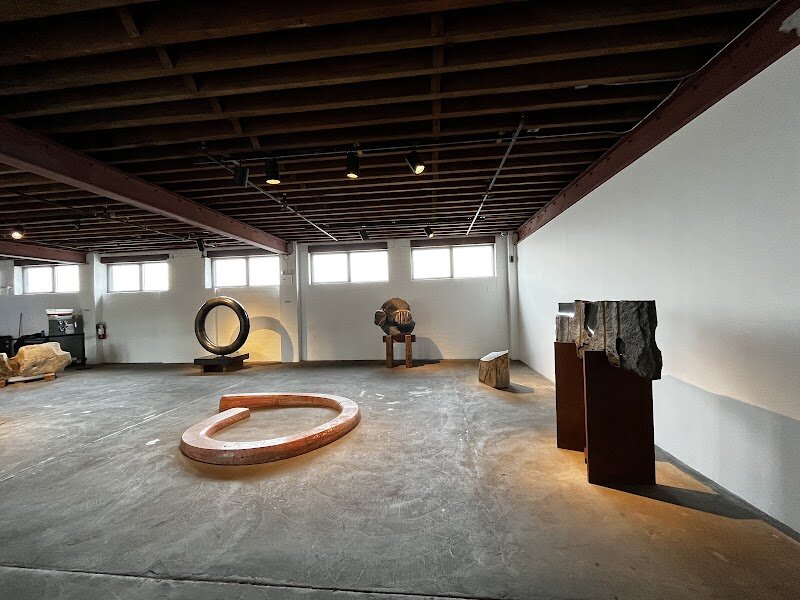
The Noguchi Museum in Queens invites families and curious travelers into the imaginative world of **Isamu Noguchi**, one of the twentieth century’s most influential sculptors and designers. Founded in 1985 by Noguchi himself, this unique museum stands apart as the first in America to be designed and installed by a living artist to showcase his own work—a true testament to Noguchi’s vision and creativity. Housed in a converted industrial building, the museum’s ten bright galleries and tranquil outdoor sculpture garden blend art, architecture, and nature into a single immersive experience. Visitors of all ages can wander among monumental stone sculptures, delicate wood and metal pieces, and Noguchi’s iconic Akari light sculptures, inspired by Japanese lanterns and crafted from mulberry paper and bamboo. The serene garden, dotted with trees and water features, offers a peaceful retreat where art coexists harmoniously with the natural world. Beyond its stunning collection, the museum shares Noguchi’s multicultural influences, from Japanese gardens to modernist American design, and features hands-on exhibits, archival photographs, and models that reveal the artist’s creative process. Whether you’re an art lover or simply seeking inspiration, The Noguchi Museum promises a memorable journey through innovation, beauty, and discovery.

That concrete pavilion you're approaching... it's built on the bones of a 1980 gas station that Isamu Noguchi himself demolished with his bare hands and a sledgehammer. Behind those red brick walls from 1929 lies America's most revolutionary artistic gamble - the very first museum established by a living artist to display his own work. Step through these doors and you're entering what was once the Astoria Photo Engravers Supply Company, where workers etched images into metal plates until the 1960s. Noguchi saw poetry in this industrial decay when he bought this 31,000-square-foot factory in 1974. Those exposed steel beams soaring above you? He kept every single one, along with the original metal ceiling that once echoed with the clatter of printing machinery. But here's what most visitors miss - that sculpture garden blooming beyond the windows was a rubble-filled wasteland when Noguchi first laid eyes on it. Working with architect Shoji Sadao, he transformed industrial Queens into a sanctuary where Japanese Katsura trees now shade stones older than Manhattan itself. Every pathway, every shadow was choreographed by the master who danced with Martha Graham.

building

Cathedral of St. John the Divine

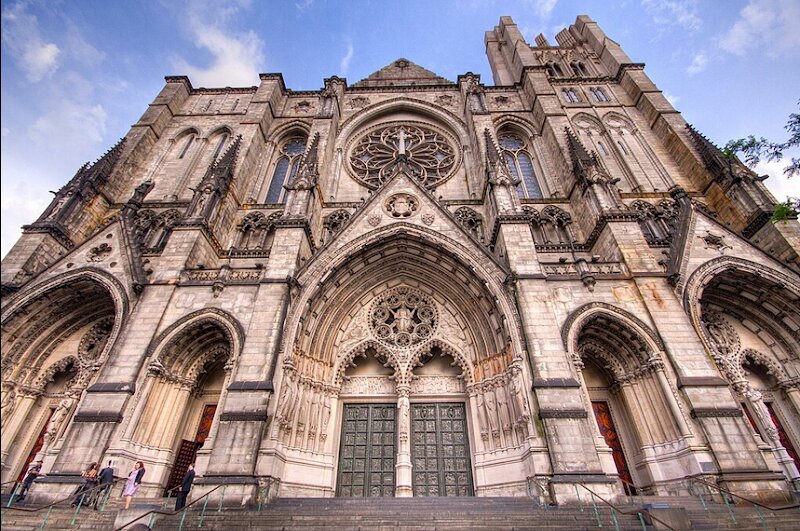
The **Cathedral of St. John the Divine** stands as one of New York’s most awe-inspiring landmarks, inviting families and curious travelers to explore its soaring spaces and rich history. Rising above Morningside Heights, this vast structure is the largest cathedral in the world by length—stretching an incredible 601 feet, even longer than Notre-Dame. Its story began in 1892 with architects Heins & LaFarge, whose Romanesque design later gave way to Ralph Adams Cram’s dramatic Gothic Revival vision. The result? A breathtaking blend of styles and a nickname: *St. John the Unfinished*, as construction continues to this day. Step inside and you’ll discover sunlight streaming through vibrant stained glass, painting the Indiana limestone columns with color. The nave’s immense height and open design evoke the feeling of standing among giant redwoods—a magical experience for all ages. Families can marvel at chapels dedicated to saints, explore hidden artistic treasures, and witness the cathedral’s role as a living center for art, music, and community events. Whether you're seeking inspiration, history, or simply a moment of wonder, St. John the Divine offers an unforgettable journey into New York’s spiritual and architectural heart.

May 1911, and architect Christopher LaFarge receives a devastating cable from his partner... he's just been fired from the world's fourth-largest cathedral project after dedicating nearly two decades to its creation. Standing here on Amsterdam Avenue at Morningside Heights - one of Manhattan's highest natural elevations - you're witnessing the result of one of architecture's most dramatic mid-stream reversals. What began in 1892 as a Byzantine-Romanesque masterpiece to rival St. Patrick's Cathedral was suddenly transformed into Gothic Revival when the trustees ejected LaFarge and hired Ralph Adams Cram. Look up at that "temporary" tile ceiling above you... it's been temporary for over a century, originally meant to be demolished so the cathedral's massive spire could rise. A 1921 guide predicted it would take 700 years to complete using authentic Gothic building methods. As you move through the interior, notice how the seven apsidal chapels around you each represent different nations - Spanish, Italian, French, Eastern Mediterranean, British, German, and Scandinavian - reflecting America's changing immigration patterns. The number seven echoes throughout this sacred space, honoring Saint John the Divine's Book of Revelation. Outside, that truncated bell tower tells its own story of ambition meeting reality - construction halted in the 1990s when funds ran out, leaving it forever unfinished at two-thirds its intended height.

building

St. Bartholomew's Church

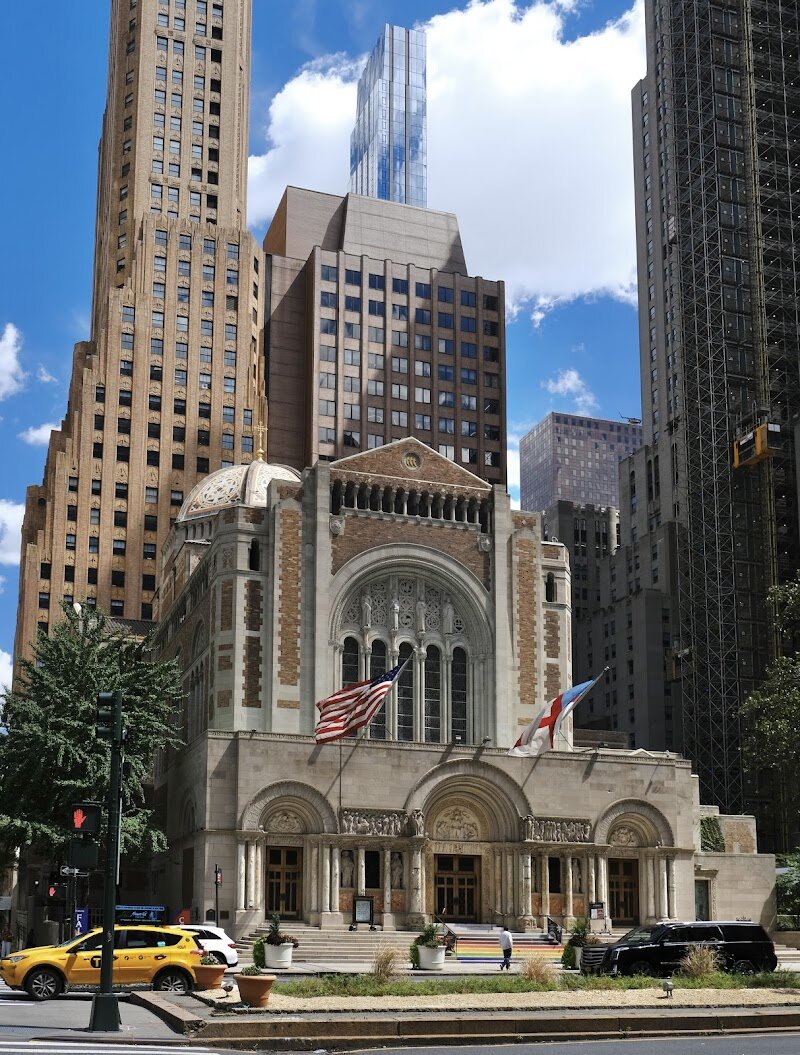
St. Bartholomew’s Church, affectionately known as **St. Bart’s**, is a dazzling architectural gem on Park Avenue that invites families and curious travelers into an atmosphere unlike any other in New York City. With its striking **Byzantine Revival style**, the church’s ornate brickwork, limestone, and colorful terra cotta evoke the grandeur of ancient Constantinople, making it a true standout amid Manhattan’s skyscrapers. Founded in 1835, St. Bart’s has a rich history woven into the fabric of the city, moving from humble beginnings downtown to its current magnificent home, thanks to the vision of renowned architect Bertram Goodhue and the generosity of the Vanderbilt family. The entrance’s spectacular **Triple Portal**, adapted from the church’s earlier location, features intricate bronze doors and sculpted friezes by leading American artists—a breathtaking welcome for visitors of all ages. Inside, families can marvel at vibrant mosaics, stained glass, and a soaring, mosaic-tiled dome, while the church’s lively plaza offers a peaceful oasis and community events just steps from Midtown’s bustle. Whether you’re seeking a moment of awe, a taste of history, or a unique spot to spark children’s curiosity, St. Bart’s is a place where New York’s past and present meet in inspiring harmony.

This entrance is older than the building it belongs to. The magnificent Triple Portal you're admiring was carved in 1903 for a different church, then dismantled stone by stone and moved here in 1917 when architect Bertram Goodhue built St. Bartholomew's current home. Notice that salmon-colored brick? When RCA constructed their tower directly behind this church in 1931, they deliberately matched these distinctive hues and even named their project "Bartholomew Building Corporation" out of respect for their neighbor. Those bronze doors tell stories in metal... each panel hand-crafted by Daniel Chester French and other celebrated American sculptors, funded by the Vanderbilt family as a memorial. This portal was modeled after a French abbey church that Stanford White admired during his travels. Step inside to discover soaring Byzantine mosaics that transform this entire city block between 50th and 51st Streets into one of Park Avenue's last low, spacious sanctuaries. Here, surrounded by Manhattan's steel giants, St. Bartholomew's proves that sometimes the most powerful architecture whispers rather than shouts.

building

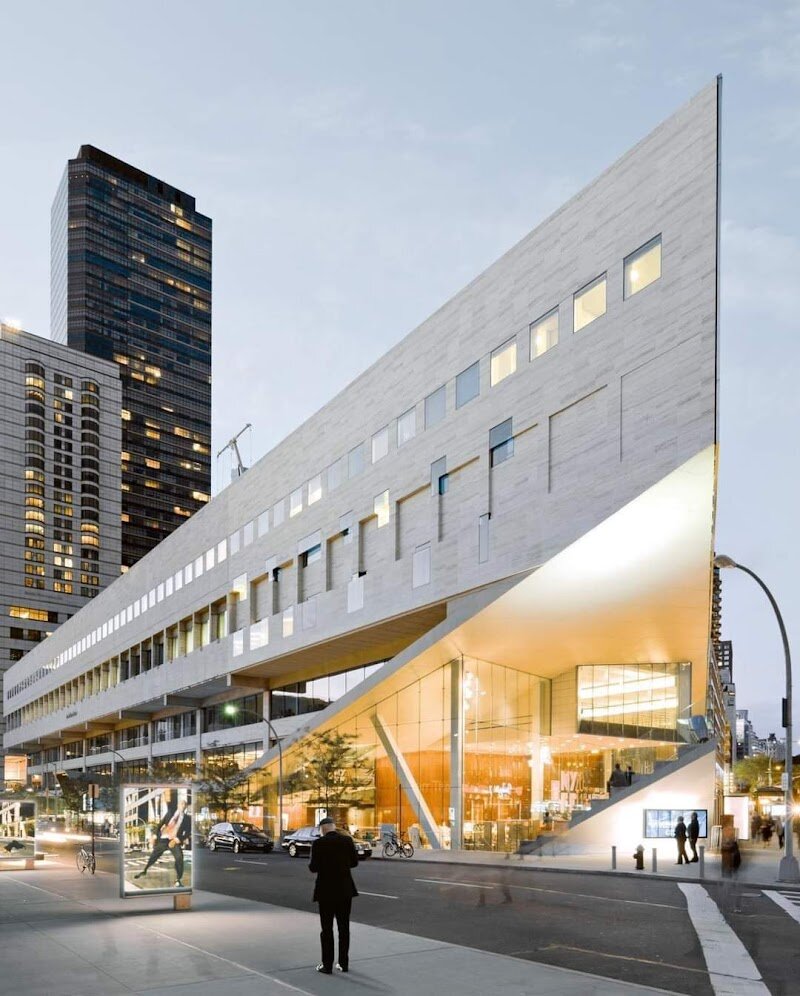
The Juilliard School

The Juilliard School, nestled at Lincoln Center in the heart of Manhattan, is a world-renowned haven for the performing arts and a must-see for families and travelers with a passion for culture. Founded in 1905 as the Institute of Musical Art by Frank Damrosch, Juilliard’s legacy is built on a commitment to nurturing extraordinary talent in music, dance, and drama. Its transformation began with a generous bequest from Augustus Juilliard in 1919, which propelled the school to international prominence and eventually led to its renowned name. Visitors to Juilliard can expect to be inspired by its vibrant atmosphere and rich history, where legends such as Miles Davis, Yo-Yo Ma, and Viola Davis once studied. The school’s striking architecture and venues, including the iconic Alice Tully Hall, host an array of public performances—ranging from classical concerts to innovative theatre and dance productions. Whether you’re attending a student showcase or simply exploring the artistic energy of the campus, Juilliard offers a unique glimpse into the world of future stars and the creative spirit that defines New York City.

That giant concrete building got its marble as a FREE GIFT from Italy! The Juilliard School's travertine stone covering was donated by the Italian government when it opened in 1969 - imagine getting your entire house wrapped in fancy marble for nothing! This massive Brutalist fortress was actually the LAST building completed at Lincoln Center, and its architect Pietro Belluschi drew seventy different designs before getting it right. Inside those fortress-like walls, future superstars practice in soundproof studios where Van Cliburn once rehearsed before winning the world's most famous piano competition. Can you spot the secret elevated bridge connecting Juilliard to the other Lincoln Center buildings?

building

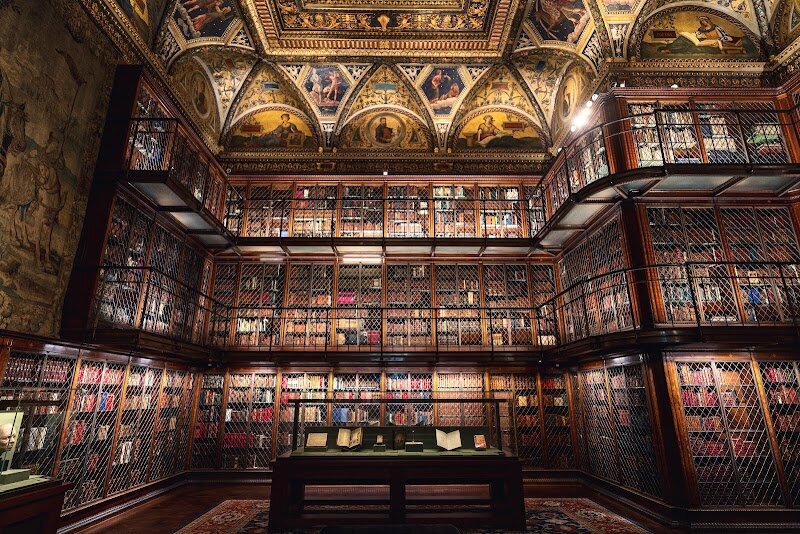
The Morgan Library & Museum

The Morgan Library & Museum is a captivating destination in the heart of New York City, inviting families and curious travelers into a world where history, art, and literature come alive. Once the private library of legendary financier and collector Pierpont Morgan, this remarkable institution began in the early 1900s as a grand Italian Renaissance-style palazzo, designed to house treasures that span centuries—from medieval illuminated manuscripts and rare books to original musical scores and literary masterpieces. Visitors can marvel at handwritten works by Beethoven, the Brontës, and Bob Dylan; gaze upon original drawings by Michelangelo and Rembrandt; and stand in awe before one of the world’s few Gutenberg Bibles. The museum’s stunning architecture, including its majestic rooms and modern expansions, creates an atmosphere both grand and welcoming, perfect for inspiring young minds and seasoned explorers alike. With interactive exhibitions, family-friendly programs, and a collection that bridges the ancient and the contemporary, The Morgan offers an unforgettable journey through the stories and creativity that have shaped civilization. It’s not just a museum—it’s a gateway to humanity’s greatest ideas and achievements.

The year is 1906, and America's richest banker just decided his private book collection was getting WAY too big for his house! J.P. Morgan's personal library on Madison Avenue was bursting with treasures - we're talking about manuscripts that are over a THOUSAND years old, including handwritten music by Mozart when he was just a kid like you. Today, you're standing outside what started as one man's reading room and grew into a palace for books and art that's taller than FOUR school buses stacked up! The Morgan house where you'll enter still has Morgan's original study, where he made deals worth more money than most countries have. Look for the secret - his desk drawers are still locked, and nobody knows what's inside them! Inside those walls are letters written by presidents, fairy tale manuscripts with pictures drawn by hand, and get this - they have air conditioning systems that can control the humidity to protect books that are older than your great-great-great-great-great grandparents times TEN! Ready to hunt for literary treasures that survived pirates, wars, and time itself?

building

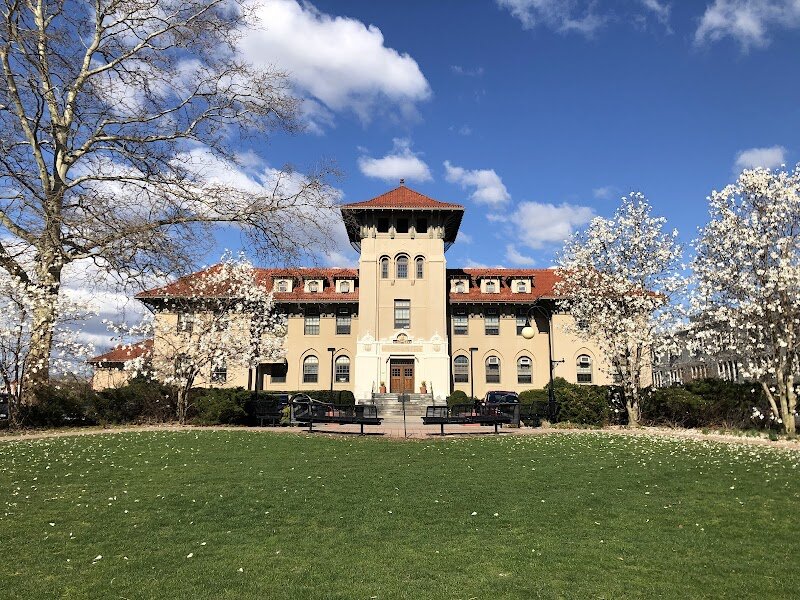
Queens College, City University of New York

Queens College, part of the City University of New York, is a vibrant hub of learning and culture nestled in the heart of Flushing, Queens. Founded in 1937 as “The People’s College,” its roots reach back to the 19th century, making it a place where history and innovation blend seamlessly. The campus, once home to the Jamaica Academy where Walt Whitman taught, now features 80 acres of tree-lined lawns, classic collegiate quads, and striking modern facilities. Families and curious travelers will find much to explore here. Wander through the lush grounds, visit the acclaimed music building, or browse the six-story Rosenthal Library. The college’s diverse community—students hail from over 150 countries—creates a lively, welcoming atmosphere. Visitors can often enjoy concerts, lectures, and art exhibitions, reflecting the school’s deep commitment to the arts and public engagement. Queens College’s legacy as a beacon of opportunity and academic excellence endures, recognized nationally for its top-tier programs and inclusive spirit. Whether you’re tracing the footsteps of history or simply soaking in the collegiate energy, this storied campus offers a rewarding glimpse into New York’s educational and cultural fabric.

The year is 1840, and a young Walt Whitman is teaching children in a tiny one-room schoolhouse right where you're standing on Kissena Boulevard! But here's where it gets WILD - this same spot later became a reform school for troubled boys with dormitories and everything, until rumors of mean treatment shut it down in 1934. Just three years later, Queens College opened its doors with 400 brave students and became something absolutely amazing. Today, kids here speak 96 different languages from home - that's like having the whole world in one school! And see that clock tower over there? It's named for Andrew Goodman, a Queens College student who became a hero fighting for civil rights but was tragically killed in Mississippi in 1964. Paul Simon even wrote a song about him called "He Was My Brother." From Walt Whitman's tiny classroom to a college where students from 133 countries learn together - this place has been changing lives for almost 200 years! Can you imagine all the dreams that started right here?

building

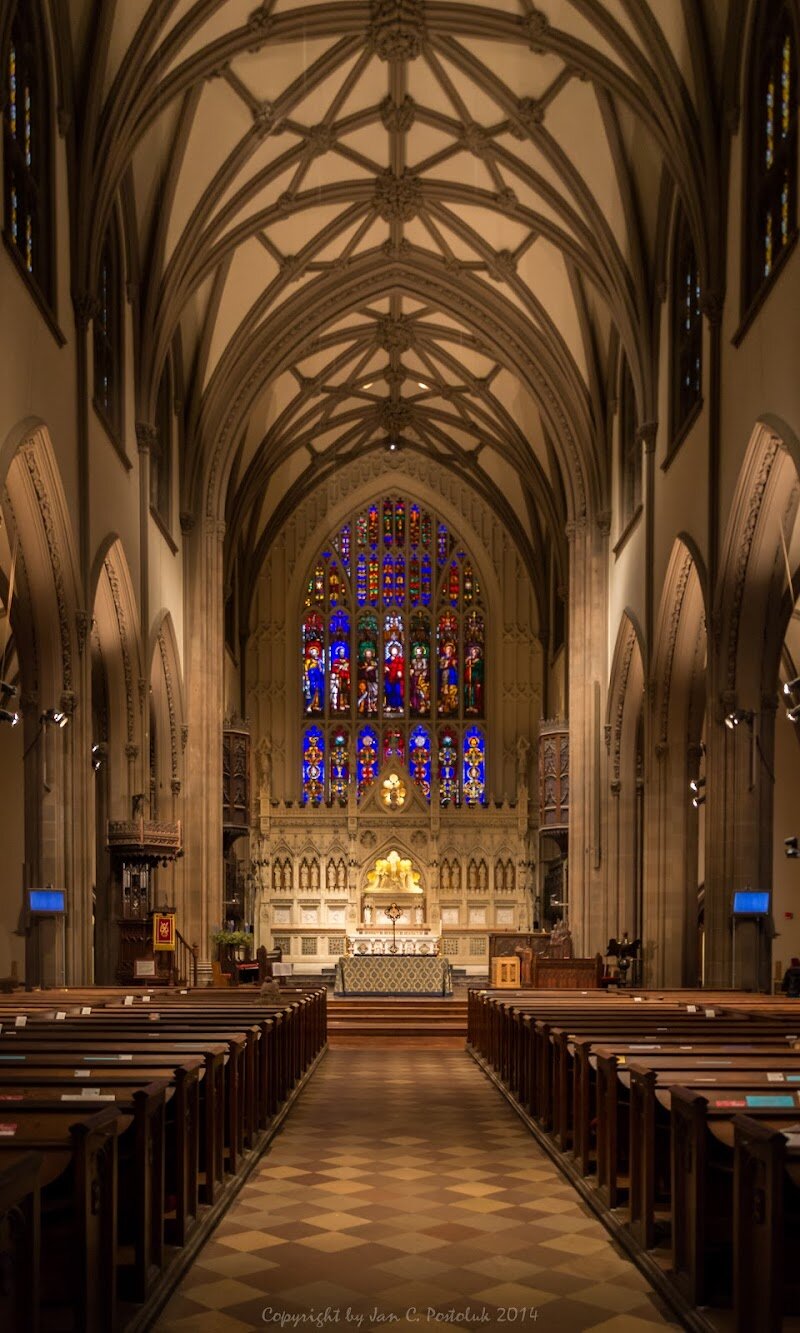
Trinity Church

Trinity Church is a breathtaking Gothic Revival landmark nestled at the head of Wall Street, where its soaring spire rises above the bustle of New York’s Financial District. Families and curious travelers will be captivated by its dramatic architecture and storied past, making it a must-see for anyone exploring Manhattan. Founded in 1696, Trinity Church has witnessed centuries of city history—from colonial times through revolutionary upheaval and into the modern era. The current church, completed in 1846 and designed by Richard Upjohn, is celebrated as one of America’s first and finest examples of neo-Gothic architecture. For decades, its 281-foot steeple was the tallest building in the United States, serving as a beacon for ships entering New York Harbor. Visitors can marvel at the intricate stained glass windows, restored stonework, and peaceful churchyard—where notable figures such as Alexander Hamilton are buried. Inside, the recently renovated sanctuary welcomes all with its luminous interior and offers a tranquil escape from city life. Whether you’re tracing the footsteps of history or simply soaking in the awe-inspiring beauty, Trinity Church promises a memorable experience for every guest.

That Gothic Revival spire towering above you once cast its shadow over 215 acres of Manhattan real estate - making Trinity Church one of New York's wealthiest landowners when Queen Anne permanently granted them the entire tract in 1705. You're standing where Captain William Kidd himself supposedly helped lift stones for the original 1698 church, which faced west toward the Hudson River before burning down in the Great Fire of 1776. Walk into the churchyard on your left and you'll find Alexander Hamilton's white pyramid tomb, but here's the mystery locals whisper about... his eldest son Philip is buried somewhere in these grounds too, killed in a duel three years before his famous father, yet his grave remains unmarked and lost to history. The current brownstone church is actually the third building on this site - Dutch Reformed, Lutheran, then Anglican - and when Trinity received its 1697 charter, it became the only official church parish in all of New York City.

landmark

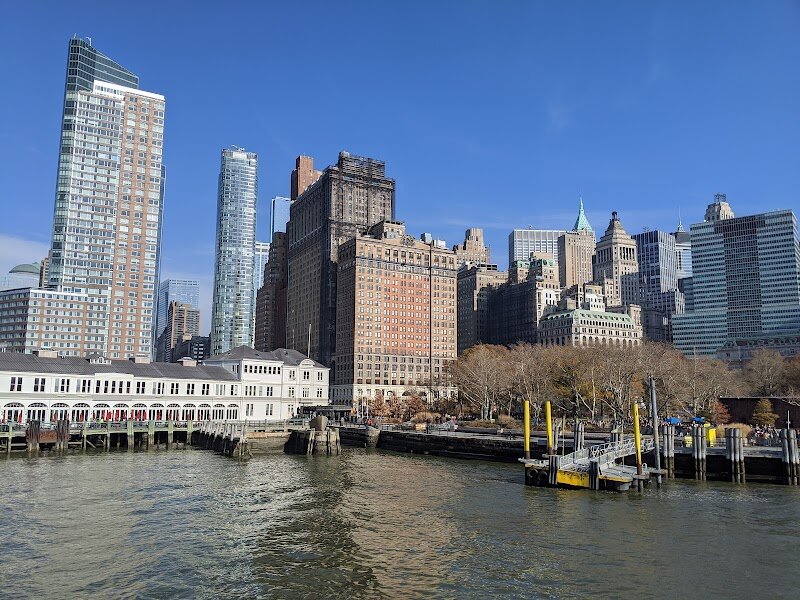
The Battery

The Battery, nestled at the southern tip of Manhattan, is where New York City’s story begins—a place where centuries of history and adventure meet sweeping harbor views. Once the domain of the Lenape people, this waterfront oasis became the first landing spot for Dutch settlers in 1625, who fortified the area with artillery batteries—hence the name “The Battery”. Over the years, it has transformed from a military stronghold to a bustling immigration gateway, with Castle Clinton standing as a living monument to its layered past. Millions of new Americans first set foot here before Ellis Island opened, and today, families can explore the castle’s engaging dioramas and exhibits that bring its many roles to life. Beyond its deep roots, The Battery delights visitors with vibrant gardens, public art, and playful attractions like the SeaGlass Carousel. Wander along its promenades for panoramic views of the Statue of Liberty and the harbor’s busy ferries. The park’s many memorials, including those honoring 9/11 and World War II, invite reflection and storytelling. For curious travelers and families alike, The Battery is not just a park—it’s a living gateway to New York’s past and a joyful playground in its present.

That circular stone building ahead of you was built 200 feet out in the harbor between 1808 and 1811, completely surrounded by water. Castle Clinton sat on its own island until workers filled in the harbor around it, creating these 25 acres of parkland beneath your feet. This fort processed eight million immigrants before Ellis Island opened - more people than currently live in New York City. The whole area gets its name from artillery batteries the Dutch installed starting in 1683, though they called this rocky ledge "Capske Hook" in their native tongue. Here's what'll blow your mind... most of southern Manhattan is built on landfill. The original shoreline was hundreds of feet behind you. When you walk toward the Statue of Liberty ferry, you're literally walking on what used to be the bottom of New York Harbor just 150 years ago. Every step you take here is on land that didn't exist when your great-great-grandparents were born.

building

Times Square Church

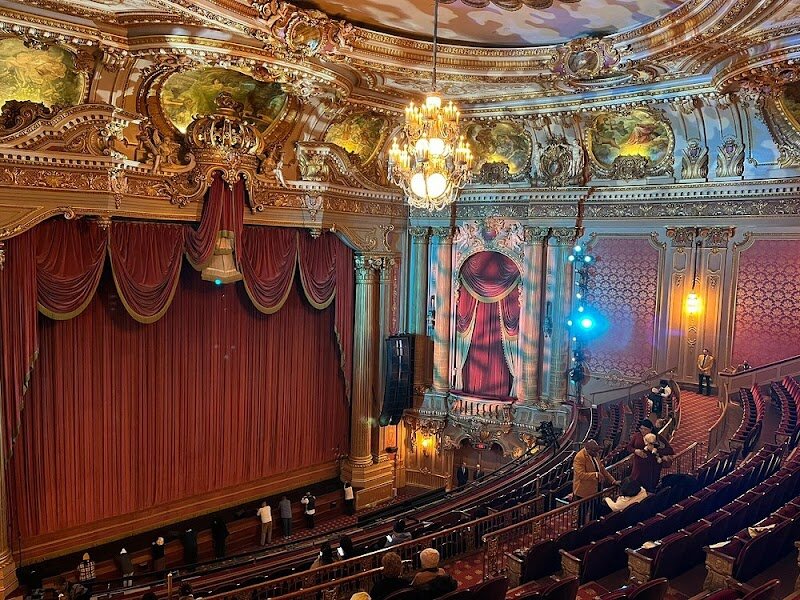
Times Square Church is a one-of-a-kind spiritual and architectural gem nestled in the heart of Broadway, offering a vibrant sanctuary amid the city’s nonstop energy. Housed in the historic Mark Hellinger Theatre, this church invites visitors into a space where stunning architecture meets a welcoming, interdenominational community. Originally opened as a movie palace and later a Broadway theater, the church’s home still boasts ornate interiors and a sense of grandeur that captivates families and travelers from the moment they step inside. Founded in 1987 by Pastor David Wilkerson, Times Square Church was established to bring hope and transformation to Times Square during an era marked by hardship and uncertainty. Today, it stands as a testament to renewal, drawing people from all walks of life. Visitors can expect uplifting worship services, world-class music, and programs for all ages, including families and youth. Whether you’re seeking a moment of reflection or a lively communal experience, Times Square Church offers a unique opportunity to witness faith, history, and New York’s theatrical spirit come together in a breathtaking setting.

Right now, you're standing before a building where Broadway dreams once soared from this very stage, yet today thousands gather not for applause, but for prayer. This is Times Square Church, and what you're looking at is one of New York's most remarkable transformations - the former Mark Hellinger Theatre, originally built as the Hollywood Theater in 1929 by renowned theater architect Thomas Lamb. When Pastor David Wilkerson purchased this landmark building in 1991 for between fifteen and eighteen million dollars, Times Square was drowning in X-rated theaters, crack dealers, and prostitution. He chose this exact spot deliberately - planting hope in the heart of what many considered the city's most spiritually desolate neighborhood. Step through these doors and you'll enter a breathtaking French Baroque interior that seats 1,603 people, completely unchanged from its Broadway days because of its landmark status. The oval rotunda lobby ahead of you features eight fluted columns supporting a domed ceiling - a design so magnificent that architects modeled it after an eighteenth-century German basilica. Every Sunday, this former temple of entertainment becomes a sanctuary where over one hundred nationalities worship together, proving that sometimes the most powerful transformations happen not by tearing down the past, but by filling it with new purpose.

landmark

Times Square

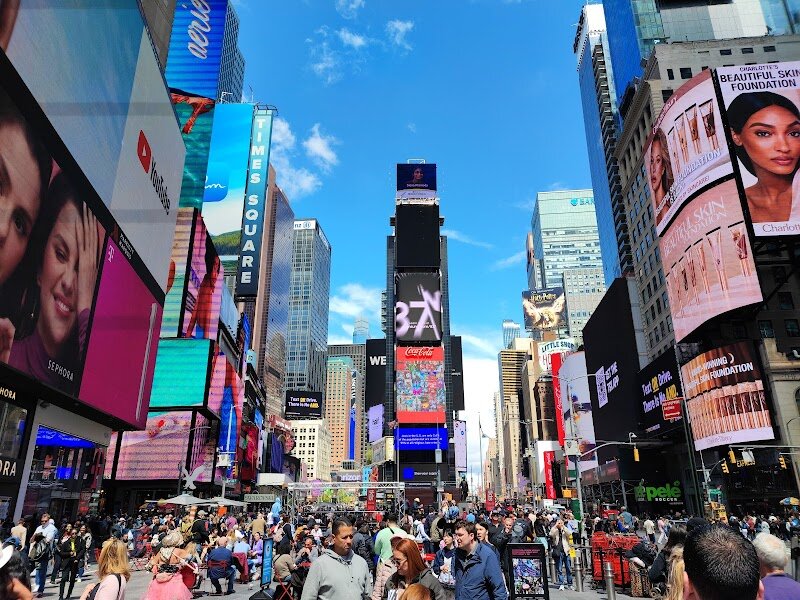
Times Square is a dazzling tapestry of lights, energy, and excitement at the heart of New York City—a place where families and curious travelers alike feel the pulse of the metropolis. Once known as Long Acre Square, this bustling crossroads was renamed in 1904 when The New York Times moved its headquarters here, sparking a transformation from a carriage district to a world-famous entertainment hub. Strolling through Times Square, visitors are greeted by giant illuminated billboards, costumed characters, and the vibrant buzz of Broadway theaters, making it a true “Crossroads of the World”. Its history mirrors New York’s own evolution: from the glamour of early 20th-century theaters and grand hotels to a period of decline, and finally to a family-friendly revival in the 1990s that restored its welcoming spirit. Today, Times Square hosts iconic events like the annual New Year’s Eve ball drop, drawing millions of viewers worldwide. Families can enjoy street performers, interactive attractions, and the thrill of being surrounded by the city’s legendary lights. Whether you’re seeking Broadway magic, a taste of urban history, or simply the joy of people-watching, Times Square promises an unforgettable New York adventure.

Three weeks. That's exactly how long it took after Times Square got its name in 1904 for the very first electric billboard to flicker to life on these walls. You're standing where John Morin Scott's farm once sprawled, but when the New York Times moved their headquarters to that towering building right there - the second tallest in the entire city back then - everything changed overnight. Here's something wild... on August 14, 1945, over two million people crammed into this exact intersection to celebrate the end of World War II. That's still the largest crowd in recorded history for Times Square. Today, those 50-plus billboards surrounding you generate twenty million dollars annually, and there's actually a municipal law requiring every building here to display a certain amount of neon. The famous ball that drops every New Year's Eve? That tradition started in 1907, making this the longest-running New Year's celebration in America.

building

The New York Historical

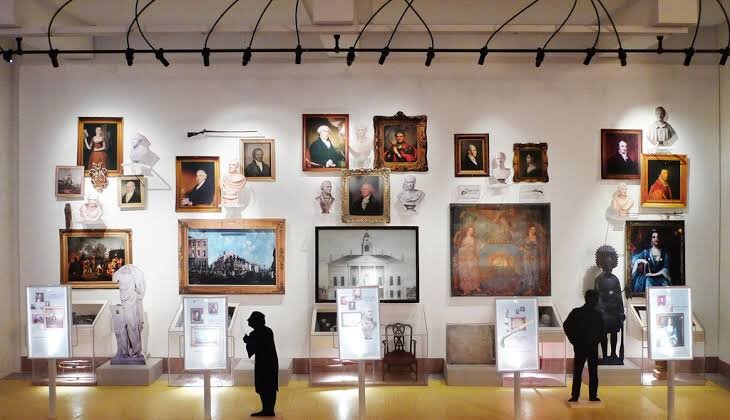
Step into over 400 years of American history at **The New York Historical**, New York City’s first museum and a treasure trove for families and curious travelers alike. Founded in 1804 by visionaries determined to preserve the city’s vibrant past, this landmark on the Upper West Side brings the nation’s story to life through extraordinary artifacts, immersive exhibitions, and engaging programs. What makes The New York Historical truly special is its unique blend of national and local history—where you can marvel at everything from Revolutionary War relics to the dueling pistols of Hamilton and Burr, and even explore the dramatic impact of events like 9/11 through powerful exhibits. Kids will be captivated by the **interactive children’s museum**, including a detailed recreation of the Oval Office, hands-on activities, and creative workshops designed just for them. As you wander the stately Roman Eclectic halls, you’ll encounter iconic statues, masterpieces of American art, and thought-provoking installations that spark conversations about democracy, diversity, and the ever-evolving story of New York. Whether you’re a history buff or a family looking for an inspiring day out, The New York Historical promises a journey through time that’s as enlightening as it is unforgettable.

The year is 1639, and an English indentured servant named Thomas Hall is being dragged in chains through the muddy streets of New Amsterdam, captured while trying to establish an illegal colony along the Delaware River. Little did anyone know that this same man would one day own the very ground you're standing on... along with 1,300 acres stretching from 34th Street to 120th Street. Thomas Hall's remarkable transformation from servant to wealthy Dutch landowner makes this spot extraordinary. After his release from prison, he embraced Dutch culture so completely that he became one of the most influential colonists in Manhattan. In 1667, just three years after the English conquered New Amsterdam, Hall received lot number seven of a massive royal land grant... right here where America's oldest museum now stands. As you face this granite fortress designed by York & Sawyer, notice how the building seems to grow from the earth itself, its classical Roman columns speaking of permanence and authority. But step inside, and you'll discover something magical... look UP in the lobby. That vibrant ceiling mural cascading above the admissions desk? It's Keith Haring's original 1986 Pop Shop artwork, creating an electric conversation between contemporary street art and centuries of American history. This isn't just any museum... it's the ONLY major American museum with an entire Center for Women's History, and those bronze figures flanking the building... Lincoln on Central Park West, Frederick Douglass on 77th Street... they're guardians of stories waiting to unfold within these walls.

building

Brooklyn Borough Hall

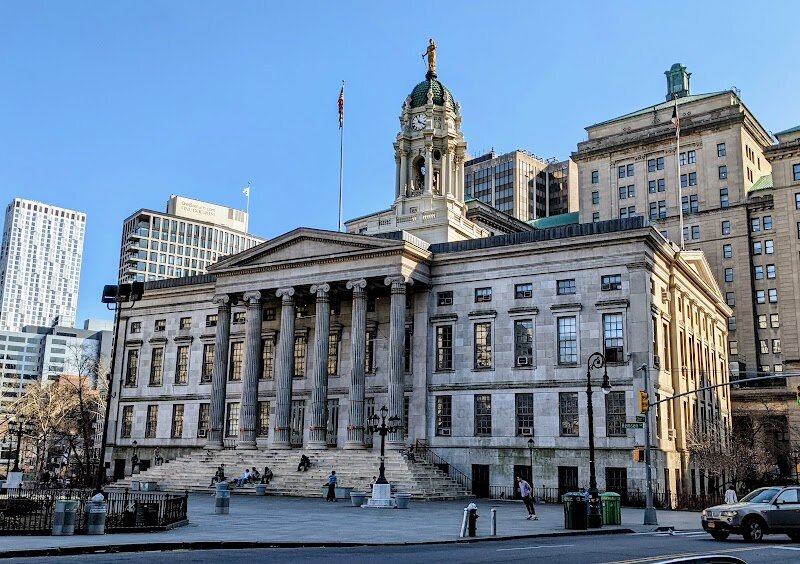
Brooklyn Borough Hall stands as a grand gateway to Brooklyn’s past and present, inviting families and travelers to experience a living piece of New York history. Completed in 1851 and designed by Gamaliel King, this striking Greek Revival landmark is Brooklyn’s oldest public building and once served as the bustling heart of the city’s government before Brooklyn joined New York City in 1898. Its stately façade, with soaring Ionic columns and a domed cupola, makes it a favorite backdrop for photos and local gatherings. Step inside, and you’ll find more than just beautiful architecture. The lobby displays portraits of former mayors, offering a fascinating glimpse into Brooklyn’s civic legacy. Families can imagine the days when the building housed courtrooms, city offices, and even a jail—making it a hub of city life in the 19th century. Outside, the sweeping steps and lively plaza often host community events, making Borough Hall not just a historic site but a vibrant part of Brooklyn’s daily rhythm. Whether you’re a history buff, an architecture enthusiast, or simply curious, Brooklyn Borough Hall offers an engaging journey through time in the very heart of downtown Brooklyn.

Nine years. That's how long Brooklyn Borough Hall sat as an abandoned foundation after the city ran out of money in 1837, just one year after laying the cornerstone. When you're standing here at 209 Joralemon Street looking up at those six towering Ionic columns carved from Tuckahoe marble, you're seeing the result of one of New York's most unusual architectural collaborations... the building had to be redesigned by second-place architect Gamaliel King to fit into first-place winner Calvin Pollard's already-dug foundation. This Greek Revival masterpiece isn't just Brooklyn's oldest public building... it's where the entire borough's identity was forged. For fifty years before the 1898 consolidation, this was the seat of government for the independent City of Brooklyn, then America's fourth-largest city. The Remsen and Pierrepont families donated this land back in 1834, and their names still mark the nearby Brooklyn Heights streets where they once lived. Step inside past those marble columns and you'll discover the building originally housed everything from the mayor's office to an actual jail in the basement, plus a secret that most visitors miss... there's still an observation room tucked high in that cupola with a telescope for surveying the harbor. The bronze statue of Justice crowning the dome wasn't even added until the 1980s restoration, crafted from century-old architectural drawings that were gathering dust in city archives.

building

New York University

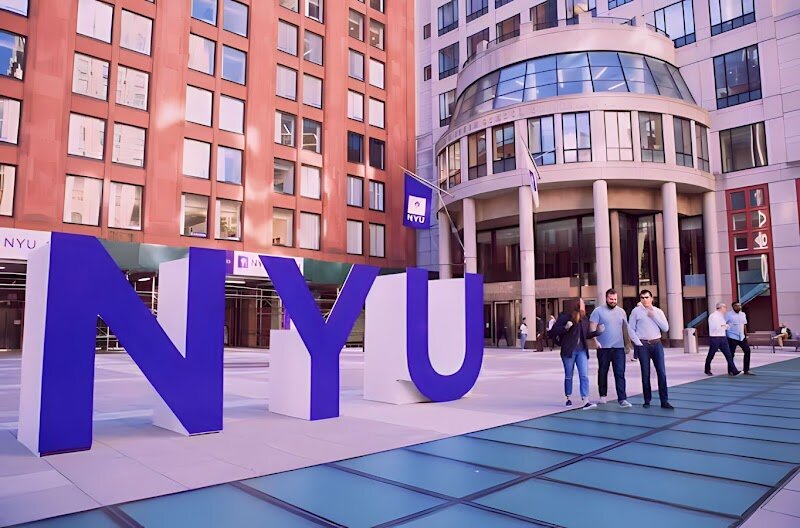
New York University (NYU), nestled in the heart of vibrant Greenwich Village, is more than just a world-renowned academic institution—it’s a living piece of New York City’s history and culture. Founded in 1831, NYU’s campus is woven seamlessly into the city’s fabric, with iconic buildings encircling the lively expanse of Washington Square Park. Here, families and curious travelers can stroll beneath the famed Washington Square Arch, NYU’s unofficial symbol, and soak in the energy of students, artists, and musicians that make this area pulse with creativity. History buffs will appreciate NYU’s storied past: the university’s original Gothic Revival building once hosted pioneers like Samuel Morse, who developed the telegraph here, and John Draper, who took America’s first photographic portrait on its rooftop. The Brown Building, site of the tragic Triangle Shirtwaist Factory Fire, stands as a powerful memorial and testament to the city’s progress. Visitors can explore thought-provoking exhibitions at the Grey Art Gallery, admire the striking architecture of Bobst Library, or simply experience the unique blend of academic tradition and urban excitement that defines NYU. Whether you’re drawn by its history, art, or the electric cityscape, NYU offers a captivating window into the soul of New York.

Students are walking through the same spot where people once fled yellow fever outbreaks over 190 years ago! Back in 1835, NYU built its very first building right here in Greenwich Village - a spooky Gothic castle that looked totally different from other American universities. Imagine this... before your dorm buildings and classrooms stood here, Washington Square was a creepy potter's field where they buried people who couldn't afford graveyards, and even had public hangings! The original University Building lasted 59 years before they knocked it down and moved the gargoyles to the Bronx campus. Now you're walking where ghosts of students were rumored to haunt the turrets! Pretty wild that you're studying where New York's first escape neighborhood began, and where famous writer Thomas Wolfe taught English classes for seven whole years starting in 1924!

landmark

Lincoln Center for the Performing Arts

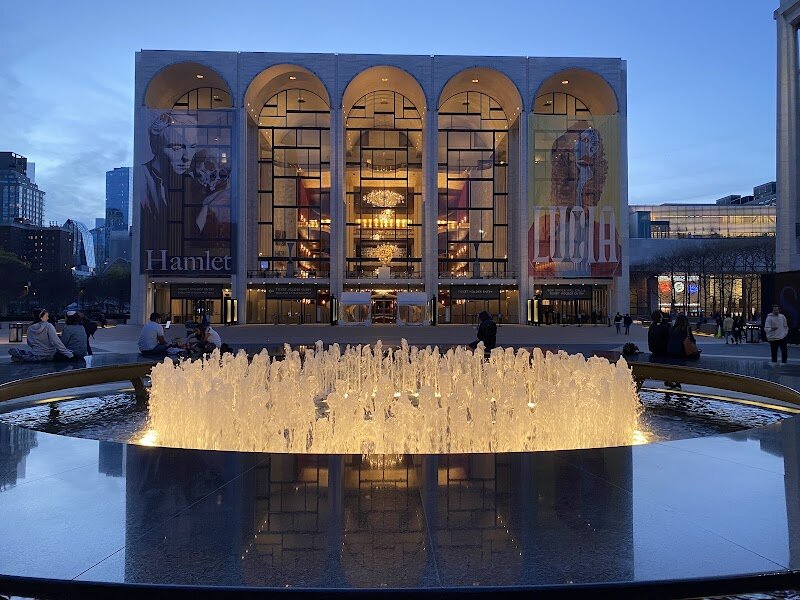
Lincoln Center for the Performing Arts is a vibrant cultural oasis in the heart of Manhattan, where families and curious travelers can immerse themselves in the world’s finest music, dance, theater, and film. Spanning over 16 acres, this iconic complex was brought to life in the 1960s through the vision of philanthropist John D. Rockefeller III, who led a movement to create a unified home for New York’s leading arts organizations during a sweeping urban renewal project. What makes Lincoln Center truly special is its dazzling variety: from the soaring Metropolitan Opera House and the home of the New York Philharmonic, to the lively David H. Koch Theater and the intimate Alice Tully Hall, each venue offers unique experiences under one architectural masterpiece. Visitors can marvel at the grand travertine facades, gather by the central fountain, and enjoy everything from world-class opera and ballet to free outdoor concerts and multicultural festivals that welcome all ages. Whether you’re attending a family-friendly matinee, exploring the public plazas, or simply soaking in the artistic atmosphere, Lincoln Center invites you to discover the magic of the performing arts at the very heart of New York City.

Three thousand students heard the first show here in 1966 - with a SHOTGUN blast for sound testing! Standing in Lincoln Center Plaza, you're where President Eisenhower broke ground in 1959, replacing old neighborhood buildings with this 16.3-acre wonderland. That building with giant arches holds the world's largest opera house - 3,850 seats, like squeezing five schools inside! The Rockefeller family built this magical place where Earth's greatest performers come to amaze audiences every single night.

museum

Madame Tussauds New York

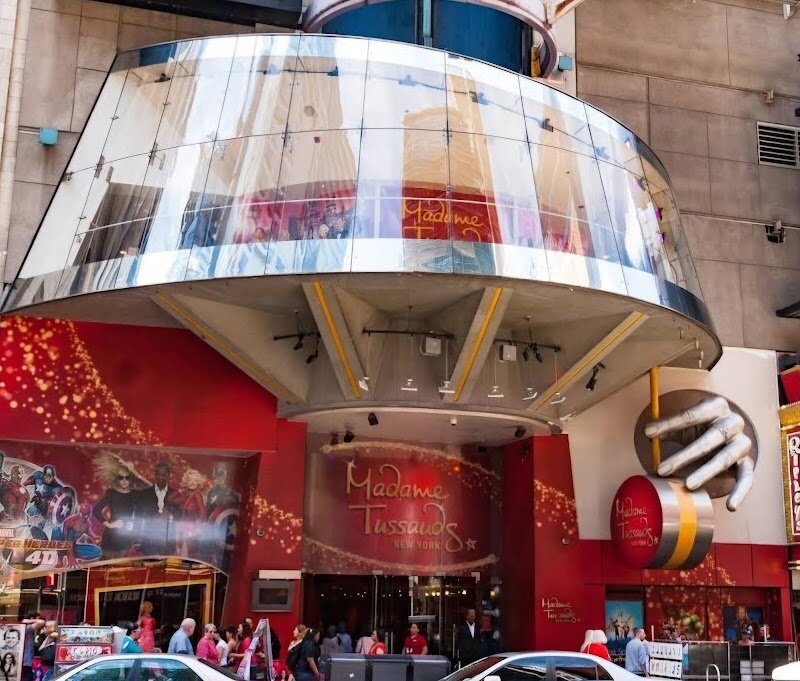
Step into the dazzling world of **Madame Tussauds New York**, where history and celebrity collide in the heart of Times Square. This iconic wax museum, opened in 2000, brings over 200 years of artistry and intrigue to Midtown Manhattan, continuing the legacy of Madame Marie Tussaud, who first wowed Europe with her lifelike wax creations in the early 1800s. Families and curious travelers alike can wander themed zones filled with incredibly realistic wax figures—snap a selfie with stars like Beyoncé, Dwayne “The Rock” Johnson, or legendary Marvel superheroes, and get up close to political icons and sports legends. What makes Madame Tussauds truly special is its immersive, hands-on experience. Visitors are invited to interact with the figures, dive into interactive exhibits, and explore spooky chambers inspired by the museum’s origins in the French Revolution, when Madame Tussaud famously created death masks of historical figures. Whether you’re a pop culture fan, a history buff, or simply looking for a unique family adventure, Madame Tussauds New York offers a camera-ready journey through fame, fantasy, and the fascinating art of wax sculpting that has captivated millions for generations.

Right now, as neon lights flicker across the windows at 234 West 42nd Street, technicians are adjusting the temperature to exactly 68 degrees... because one degree warmer and the wax figures start to soften, one degree cooler and hairlines crack. This is Madame Tussauds New York, where the second American outpost of the world's most famous wax museum opened in 2000, transforming a former Broadway theater space in the heart of Times Square. You're standing where vaudeville once ruled, before this five-story building became home to over 200 impossibly lifelike figures. Step inside and you'll discover what most visitors miss: each figure contains real human hair, individually inserted strand by strand, taking artists up to six weeks per head. The Oval Office replica on the third floor uses the exact same wallpaper pattern as the real White House, sourced through presidential decorator contacts. But here's the secret that makes this location unique among all Madame Tussauds worldwide... you can actually touch these million-dollar creations. Unlike the London original where barriers keep crowds at bay, New York's interactive design lets you shake hands with presidents and hug Hollywood stars. Marie Tussaud herself, who made death masks during the French Revolution in 1793, never imagined her legacy would let strangers embrace celebrities in the city that never sleeps. Welcome to where fame becomes touchable, one perfectly sculpted face at a time.

museum

The Metropolitan Museum of Art

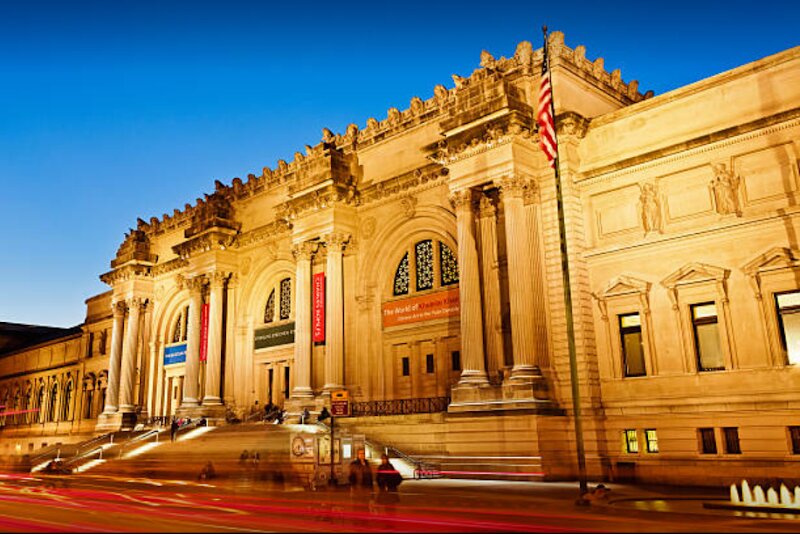
Step into a world where **5,000 years of human creativity** come alive at The Metropolitan Museum of Art, New York’s crown jewel for art lovers and curious families alike. Housed in a stunning Beaux-Arts building, “The Met” invites visitors of all ages to embark on a global journey—from ancient Egyptian temples and medieval armor to masterpieces by Van Gogh and Monet. Every gallery offers a new discovery: marvel at a 2,000-year-old Egyptian temple rebuilt stone by stone, or gaze at shimmering Impressionist canvases that have inspired generations. Founded in 1870, The Met has grown into one of the world’s most celebrated art museums, boasting over two million works that span every continent and era. Families will find hands-on workshops, storytelling sessions, and interactive tours that make history and art accessible and fun for all ages. Whether exploring the tranquil gardens of The Met Cloisters or wandering through galleries brimming with Asian ceramics and musical instruments, each visit promises both wonder and learning. With its blend of rich history, architectural grandeur, and treasures from every corner of the globe, The Met is more than a museum—it’s an unforgettable adventure for the curious of all ages.

Workers are still uncovering secrets beneath your feet right here on Fifth Avenue and 82nd Street! This massive treasure palace started as a crazy idea in 1866 when rich Americans were eating dinner in Paris and decided America needed its own art castle. The building you're looking at has a hidden superpower - that original Gothic stone facade from 1880 is still hiding inside the Robert Lehman Wing, like a castle within a castle! Before this art fortress existed, this was just empty land next to Central Park. Now you're standing outside a building that holds over TWO MILLION treasures spanning 5,000 years - that's longer than all of human civilization! As you walk through those grand entrance doors, you're entering the same halls where the world's first Matisse paintings were displayed to the public way back in 1910. Ready to become an art detective and hunt for ancient Egyptian mummies and priceless paintings?

landmark

Carnegie Hall

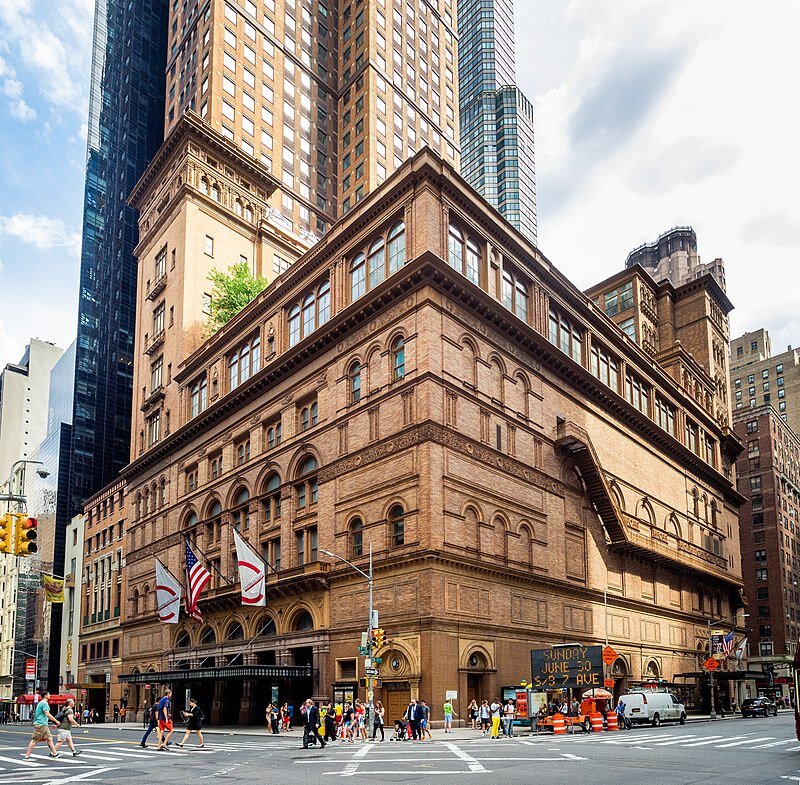
Carnegie Hall is more than just a concert venue—it’s a living legend at the heart of New York City’s cultural life. Since opening its doors in 1891, this iconic hall has welcomed the world’s greatest artists, from Tchaikovsky and Gershwin to The Beatles, captivating audiences with performances that span classical, jazz, and popular music. Designed in the Renaissance Revival style, its elegant architecture and renowned acoustics create an experience that enchants music lovers of all ages. Families and curious travelers alike can feel the magic of history as they walk the same halls where iconic premieres and unforgettable moments have unfolded. Visitors can explore three unique performance spaces, each offering everything from grand orchestral concerts to intimate recitals, as well as innovative programs designed to engage young audiences and inspire lifelong appreciation for music. Carnegie Hall’s story—saved from demolition in the 1960s, now a National Historic Landmark—adds to its allure, reminding everyone that this is not just a place to hear music, but a place where history, creativity, and community come vibrantly alive. Whether you’re attending a world-class concert or simply soaking in the atmosphere, Carnegie Hall invites you to be part of its ongoing legacy.

The year is 1891, and a nervous Russian composer named Pyotr Ilyich Tchaikovsky raises his baton on May 5th, marking not just the opening night of this magnificent hall, but his very first performance on American soil. As you stand before this Neo-Italian Renaissance masterpiece of brick and limestone, you're looking at a building that New York Times critics once dismissed as being built "rather far uptown" - imagine, 57th Street was considered the wilderness back then! Here's what will astound you: the architect William Tuthill had never designed a concert hall in his life when Andrew Carnegie commissioned him, and he never designed another one afterward. Yet somehow, this amateur created what many consider the world's most perfect acoustic space. Step through those doors and you'll enter the very hall where Benny Goodman broke the color barrier in 1938 with the first racially integrated orchestra to perform at Carnegie Hall, and where Bill Haley and His Comets brought rock and roll for the first time in 1955. Look up at those five stories towering above you - this building nearly became a parking lot in 1959 until violinist Isaac Stern launched a desperate campaign to save it. The city bought it for just over a million dollars, and now you're standing before a National Historic Landmark where every musical legend from Judy Garland to Leonard Bernstein has left their mark in these storied walls.

building

Judson Memorial Church

Judson Memorial Church, nestled beside Washington Square Park, is a vibrant crossroads of history, art, and activism—a place that invites families and curious travelers to experience the heart of New York’s community spirit. Founded in 1890 by Edward Judson, the church was envisioned as a bridge between the city’s wealthy and immigrant communities, with its stunning neo-Renaissance architecture designed by Stanford White and its dazzling stained-glass windows by John La Farge, the largest collection of his work in the country. Beyond its architectural beauty, Judson Memorial is renowned for its welcoming, inclusive atmosphere. In the 1960s and ’70s, it became a hub for avant-garde arts, hosting experimental theater and dance, and played a pivotal role in local social justice movements, including early LGBTQ+ activism and compassionate AIDS outreach. Visitors today can explore the landmark sanctuary and tower, admire historic art, and often catch community events, art exhibitions, and performances that reflect the church’s ongoing commitment to creativity and service. Whether you’re drawn by its rich history, its artistic legacy, or its tradition of openness, Judson Memorial Church offers an inspiring glimpse into the soul of Greenwich Village—where everyone is welcome to be part of something extraordinary.

This Italian Renaissance masterpiece was built by Baptists who believed worship should be simple and unadorned. That contradiction drove every decision Stanford White made when he designed this $450,000 monument in 1893, mixing ornate Roman classical forms with a rectangular auditorium interior that screams "focus on the sermon, not the scenery." Standing here on Washington Square South, you're looking at yellow Roman brick banded with terra-cotta that White copied directly from Rome's Santa Maria Maggiore basilica. But here's what most people miss - those seventeen stained glass windows by John La Farge represent the largest collection of his work anywhere in America, hidden behind that deceptively simple facade. Edward Judson convinced John D. Rockefeller to fund this church as a memorial to his missionary father, who was buried at sea off Burma. The real showstopper happened in 1894 when they installed that illuminated electric cross on the ten-story tower - one of the first times electricity was used this way in the city, visible for blocks and probably shocking the conservative Washington Square neighbors. Even wilder, that same year the basement hosted New York's second Greek Orthodox congregation when every other denomination in the city refused them space. Walk inside and you'll see exactly what Judson intended - a space where Fifth Avenue wealth could sit next to Lower East Side immigrants, though ironically, the wealthy neighbors never showed up enough to keep it financially afloat.

landmark

Brooklyn Bridge Park

Brooklyn Bridge Park is a vibrant waterfront oasis where history and play come together, offering families and curious travelers a unique slice of New York City. Once the bustling site of Brooklyn’s earliest ferry landings—where George Washington made his daring escape during the Revolutionary War—this stretch of shoreline has transformed over centuries from a busy port and industrial hub into one of the city’s most beloved parks. Today, the park’s 85 acres unfurl along the East River, framed by iconic views of the Brooklyn Bridge, the Manhattan skyline, and New York Harbor. Visitors are drawn to its lush lawns, meandering pathways, imaginative playgrounds, and innovative piers—each designed for exploration, recreation, and relaxation. Children can ride Jane’s Carousel in a restored glass pavilion, while families picnic under shady trees or join in community events on sprawling lawns. Brooklyn Bridge Park’s mix of history, scenery, and activity invites everyone to make memories—whether you’re tracing the footsteps of early New Yorkers, playing sports, or simply soaking in the city’s energy at water’s edge. It’s where the past and present meet, creating a space as dynamic as Brooklyn itself.

383 years ago, in 1642, the first ferry boat pushed off from this very shoreline, carrying passengers between the village of Breuckelen and Manhattan... making this stretch of waterfront America's oldest continuous transportation hub. You're standing where Brooklyn itself was born, where Dutch settlers first gazed across the East River at the wilderness that would become New York City. But here's what most visitors never realize as they spread their picnic blankets on these manicured lawns... beneath your feet lie the ghosts of one of the nation's most dramatic military escapes. On a foggy August night in 1776, George Washington secretly ferried his entire defeated Continental Army across these dark waters to Manhattan, using this exact shoreline to save the American Revolution from complete collapse. Without this desperate midnight evacuation, there might never have been a United States of America. Look around at those perfectly sculpted hills rising 20 to 30 feet between the piers. They're not just pretty landscaping... they're acoustic shields, engineered to slash highway noise from a deafening 75 decibels down to a tolerable 68. Meanwhile, that charming carousel spinning behind you houses 48 hand-carved horses that Jane Walentas spent two decades restoring in her DUMBO art studio, each one a century-old masterpiece saved from an Ohio fairground. This 85-acre wonder transforms what was once hundreds of grimy shipping piers into Brooklyn's most beloved waterfront playground... where every sunset carries whispers of revolutionary secrets.

landmark

Rockefeller Center

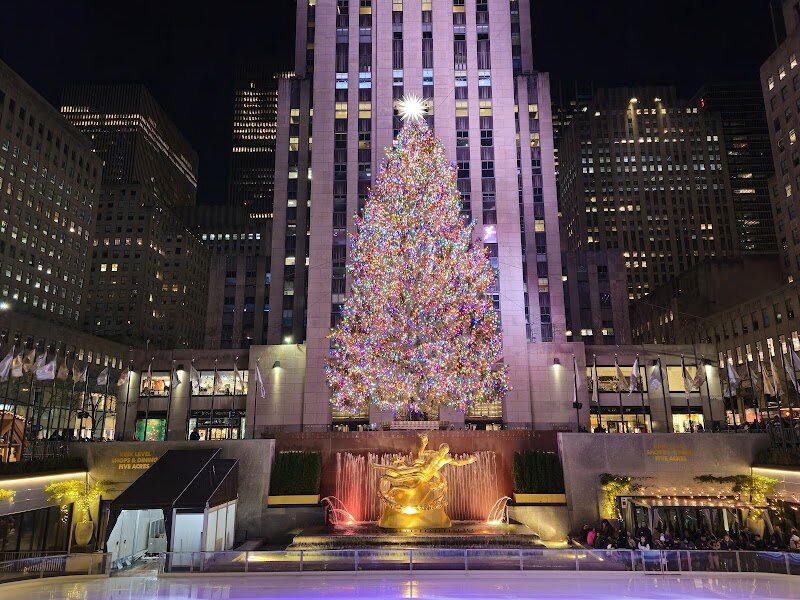
Rockefeller Center is a dazzling centerpiece of New York City, inviting families and curious travelers to experience its unique blend of history, culture, and excitement. Conceived by John D. Rockefeller Jr. during the depths of the Great Depression, this 22-acre “city within a city” became a beacon of hope and innovation, offering thousands of jobs and transforming Midtown Manhattan with its bold Art Deco architecture and visionary urban planning. Step into Rockefeller Center and you’ll discover more than just its soaring skyscrapers—iconic sights await at every turn. Marvel at the legendary 30 Rockefeller Plaza, ascend to the Top of the Rock for sweeping city views, or glide across the famed ice-skating rink in winter. Families can explore vibrant public art installations and the enchanting Channel Gardens, while the annual Christmas tree lighting and dazzling holiday displays create magical memories for visitors of all ages. From the grandeur of Radio City Music Hall to the world-famous “Lunch Atop a Skyscraper” photo, Rockefeller Center is woven into the fabric of American culture. Whether you’re seeking adventure, inspiration, or a taste of New York’s indomitable spirit, this landmark promises an unforgettable experience for everyone.

Eighty-eight men and twenty-three trucks worked 42 hours straight to move NBC into this building in 1933... imagine moving your whole school without sleeping! You're standing where the Elgin Botanic Garden once bloomed in the 1800s. Studio 8H above you was the world's largest radio studio, seating 1,200 people... that's four movie theaters packed together! See how these Art Deco buildings step back like giant staircases? That's because of a 1916 New York rule requiring setbacks so sunlight could still reach Rockefeller Plaza below you.

museum

Intrepid Museum

Step aboard the legendary Intrepid Museum and embark on an unforgettable journey through history, innovation, and adventure. Anchored on Manhattan’s West Side, this one-of-a-kind museum is built around the USS Intrepid, a heroic World War II aircraft carrier that survived torpedoes, kamikaze attacks, and earned the nickname “the Ghost Ship” for its resilience. Families and curious travelers will be awed by the chance to explore not only the massive ship itself—a National Historic Landmark—but also a fleet of remarkable exhibits. Marvel at the world’s first space shuttle, the Enterprise, and step inside the USS Growler, the only nuclear-missile submarine open to the public. Stroll among dozens of historic aircraft, including sleek fighter jets and the supersonic Concorde, all displayed in and around the storied carrier’s decks. Interactive exhibits and immersive displays bring to life stories of bravery, ingenuity, and service, making history tangible and thrilling for visitors of every age. The Intrepid Museum stands out for its commitment to inspiring future generations through hands-on STEM experiences, accessible programming, and powerful tales of heroism. It’s more than a museum—it’s a living tribute to the spirit of exploration, discovery, and courage that shaped the modern world.

Twenty-eight seconds. That's all the time between each aircraft launch when USS Intrepid set what's believed to be the fastest carrier launching record in 1966, catapulting fifteen fully-loaded warplanes into the sky in just seven minutes during the Vietnam War. Standing here on Pier 86 in Hell's Kitchen, you're looking at one of only four surviving Essex-class aircraft carriers from World War II, and honestly, the most battle-scarred of them all. This massive steel giant survived five separate kamikaze attacks and a torpedo strike, earning nicknames like "The Dry I" and "Decrepit" from her own crew - though they said it with love. What's wild is that after 9/11, this museum ship went back into active duty as the FBI's temporary headquarters while they investigated the attacks. You can actually see where Flight 1549 - the "Miracle on the Hudson" - splashed down just upriver from here in 2009. As you step aboard, you'll notice they converted one of the original aircraft elevators into a theater, but here's what most visitors miss - only a quarter of this massive ship is actually open to the public. The rest remains exactly as sailors left it in 1974. And that gleaming white Space Shuttle Enterprise in the pavilion? It's the prototype that never flew in space but paved the way for every shuttle mission that followed.

building

Shrine Church of Our Lady of Mount Carmel

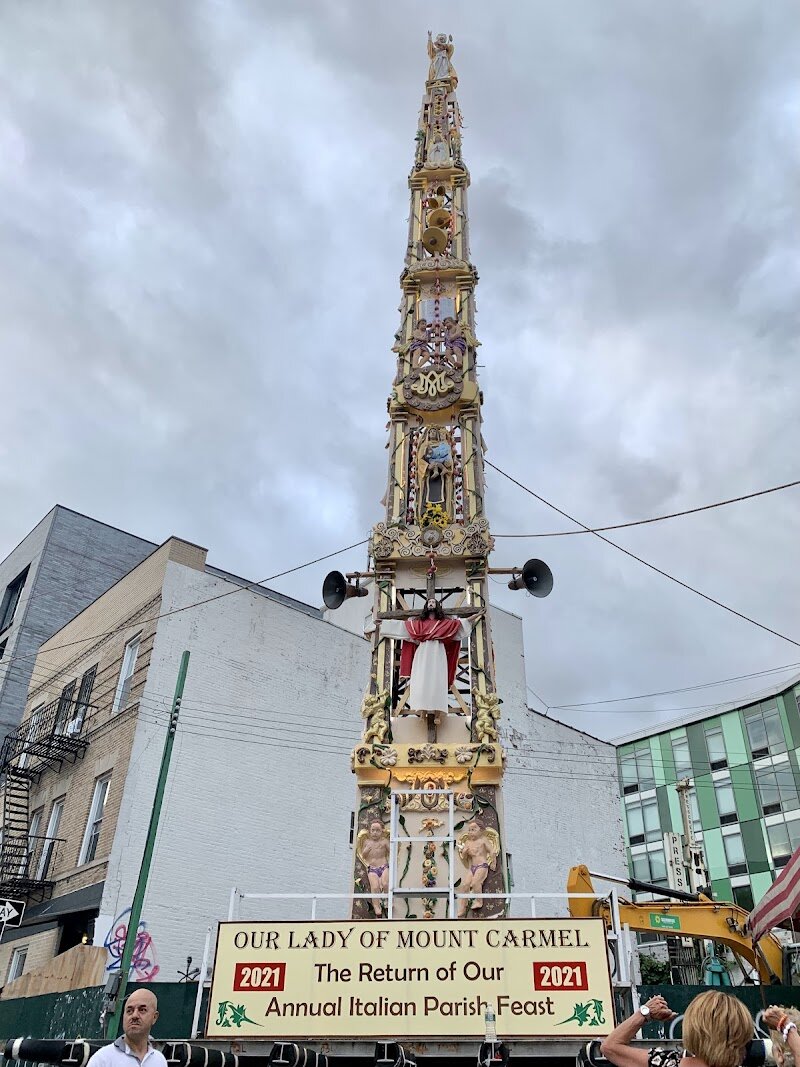
Discover the rich heritage and vibrant spirit of the **Shrine Church of Our Lady of Mount Carmel** in East Harlem—a cherished sanctuary that has welcomed generations of families and travelers since 1884. Born from the devotion of Italian immigrants longing for home, this church was lovingly built by local hands, becoming a symbol of faith, unity, and resilience. Its crowning glory is the revered statue of Our Lady, brought from Italy and formally crowned in 1904 with a golden crown adorned by emeralds sent from Pope Pius X, making it one of the first Marian images crowned outside Europe. Stepping inside, visitors are greeted by a warm, multicultural community and a stunning sacred space alive with tradition. Families and explorers alike can witness the annual summer “Festa”—a joyful feast blending Italian roots with the vibrant diversity of today’s parish, now home to people of all backgrounds. The Shrine’s history is palpable in its art, architecture, and the moving stories of devotion that echo through its halls. Whether you come for quiet reflection, Mass in multiple languages, or to experience a living piece of New York’s immigrant story, this beloved church invites you to be part of something truly special.

The year is 1947, and bulldozers are heading straight for this church... but wait, you're looking at the building that SHOULDN'T exist! Robert Moses demolished the original Our Lady of Mount Carmel to build his highway, and even the Bishop said "let the Italians go somewhere else." But this tough Brooklyn community said "NO WAY!" and rebuilt their church from scratch! Every July, you can watch 100 people carry a gigantic 78-foot tower weighing 2.5 TONS right down these Williamsburg streets - it's like watching superheroes lift a building! This isn't just any church, it's the house that Brooklyn stubbornness built!

building

St. Thomas Church

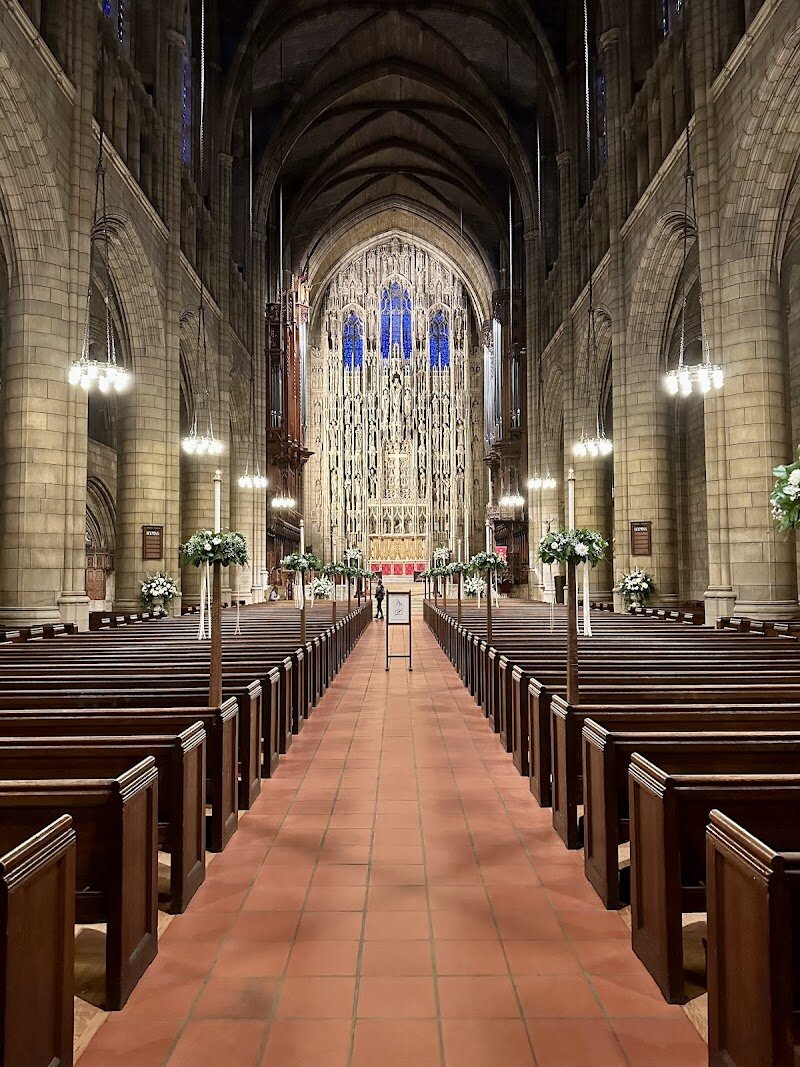
St. Thomas Church on Fifth Avenue stands as a breathtaking tribute to New York’s rich history and architectural grandeur. Designed in the French Gothic style by renowned architects Cram, Goodhue & Ferguson and completed in 1914, its soaring cathedral-like proportions and intricate limestone ornamentation instantly captivate visitors of all ages. Families and curious travelers will marvel at the dramatic stained glass windows—most created by famed artist James Humphries Hogan—which fill the interior with vibrant color and light. Beyond its visual splendor, St. Thomas Church has long been a gathering place for the city’s most notable figures, once serving as the parish for New York’s elite, including the Vanderbilts. Its history is woven into the fabric of Manhattan, surviving a devastating fire in 1905 and emerging even more magnificent in its fourth incarnation. Step inside to experience the awe-inspiring 80-foot stone reredos behind the altar, one of the largest in the world, and enjoy the ethereal sounds of live organ music that echo through the vaulted nave. Whether you’re seeking a peaceful retreat, a glimpse into the city’s past, or a chance to appreciate masterful craftsmanship, St. Thomas Church offers an unforgettable experience at the crossroads of culture and faith.

This sacred masterpiece has been destroyed by fire three times... yet here it stands more magnificent than ever, defying the flames that claimed every previous incarnation. You're looking at the fourth St. Thomas Church on Manhattan soil, and the architects who designed this French Gothic triumph in 1906 never lived to see their limestone cathedral completed in 1913. As you gaze up at those asymmetrical towers piercing the Fifth Avenue skyline, you're witnessing something extraordinary. Every single stained glass window glowing before you, except two, was crafted by James Humphries Hogan of England's legendary Powell & Sons workshop. Art experts consider these windows Hogan's finest achievement... more luminous than anything in Westminster or Canterbury. The morning of August 8th, 1905, flames devoured the previous Gothic church that stood on this exact corner. Fifty fire companies couldn't save what newspapers called "the richest congregation in the whole country." But from those ashes, Cram, Goodhue & Ferguson created this limestone phoenix, strategically positioning it to command this prestigious corner where Midtown meets the cultural heart of Manhattan. Step closer to that entrance, and you'll discover intricate limestone carvings that took master craftsmen three years to complete. This isn't just architecture... it's America's answer to Notre-Dame, rising defiantly where failure once stood, proving that some congregations refuse to surrender to fate.

museum

The Frick Collection

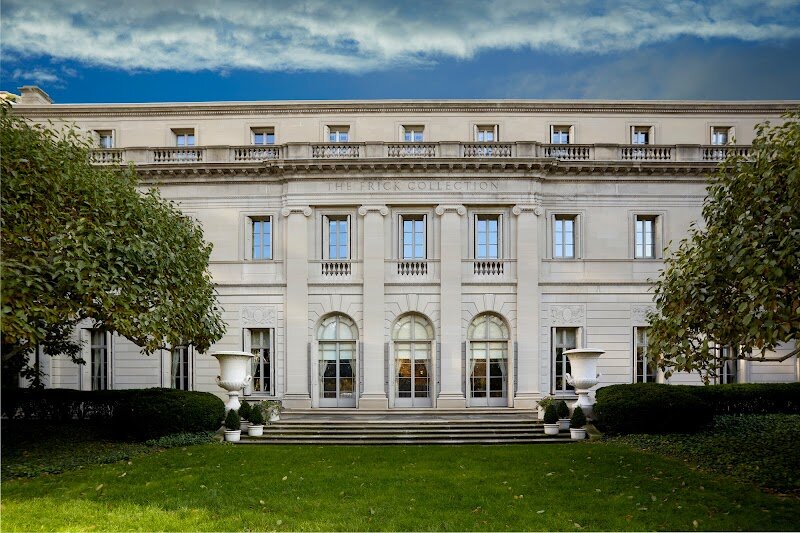
The Frick Collection invites families and curious travelers to step into the grandeur of New York’s Gilded Age, where art and history blend seamlessly in the former mansion of steel magnate Henry Clay Frick. Built in 1913 at Fifth Avenue and 70th Street, this opulent home was designed not just for living, but for showcasing Frick’s remarkable collection—and from the moment you enter, you’re transported into a world of elegance and imagination. What makes The Frick truly special is its unique setting: masterpieces by Rembrandt, Vermeer, Goya, and Turner hang in richly decorated rooms filled with antique furniture, porcelain, and Persian rugs, letting visitors experience art as the Fricks once did—in a regal, intimate atmosphere. Children and adults alike can marvel at the stories behind each painting and discover the fascinating lives of the mansion’s former inhabitants, including the staff who kept its wheels turning during glittering Gilded Age parties. Beyond its world-class art, The Frick Collection offers a chance to wander through lush gardens, explore hidden passageways, and imagine the lives of New York’s elite. It’s not just a museum—it’s an immersive journey into beauty, history, and creativity, sure to inspire wonder in visitors of all ages.

Workers are still discovering hidden servant bells throughout these walls... secrets from when twenty-seven servants lived on the third floor of this Indiana limestone mansion! You're standing at 1 East 70th Street, where steel tycoon Henry Clay Frick spent nearly FIVE MILLION dollars in 1913 to build what became New York's largest private art gallery. That massive West Gallery behind you was so huge, Frick could display masterpieces by Rembrandt and Vermeer like a royal palace! After Frick's bitter breakup with Andrew Carnegie in Pittsburgh, he moved here to create his dream home on the old Lenox Library grounds. When you step inside, you'll walk through rooms that transformed from a family mansion where Frick's daughter Helen played, into America's most intimate treasure vault when it opened to kids like you on December 16th, 1935!

museum

Empire State Building

The Empire State Building stands as a **towering symbol of New York City’s ambition and resilience**, captivating visitors of all ages with its fascinating history and breathtaking views. Completed in 1931 after just over a year of record-breaking construction during the Great Depression, this iconic skyscraper was once the tallest building in the world, a feat that showcased American ingenuity and determination. Its striking Art Deco design and starring roles in classic films—like King Kong—have made it a beloved cultural landmark for generations of families and travelers. Families and curious explorers can journey to the top, where the **86th and 102nd floor observatories** offer panoramic vistas over Manhattan and beyond, making you feel on top of the world. Inside, immersive exhibits reveal the building’s dramatic construction story and its place in pop culture, sparking the imagination of kids and adults alike. Whether gazing at the sparkling city lights or learning about its storied past, a visit to the Empire State Building promises **wonder, discovery, and memories that last a lifetime**.

May 1st, 1931, 9 AM sharp... President Herbert Hoover sits in Washington D.C. and presses a single button, instantly illuminating this towering Art Deco masterpiece rising 1,454 feet above you on West 34th Street. What you're looking at defied every construction record of its time - the entire 102-story structure went up in just 410 days, forty-five days AHEAD of schedule, even while the Great Depression raged around it. The architects at Shreve, Lamb & Harmon sketched out this entire building in barely two weeks, but here's what most people miss as they crane their necks upward - those gleaming Indiana limestone facades required 200,000 cubic feet of stone and 10 million bricks, yet the construction moved so fast that 48 workers tragically lost their lives keeping pace. You're standing where the grand Waldorf Astoria Hotel once welcomed New York's elite, demolished to make way for what Al Smith boldly called the "Eighth Wonder of the World." Step inside and you'll discover that this icon was actually nicknamed the "Empty State Building" for nearly twenty years because the Depression left most offices vacant. The building even housed the world's first FM radio transmitter, hidden up in that distinctive mast. And when King Kong climbed these very walls in 1933, this 34th Street giant became Hollywood's favorite skyscraper forever.

building

St. Patrick's Cathedral

St. Patrick’s Cathedral stands as a breathtaking icon in the heart of Manhattan, captivating families and travelers with its soaring spires, luminous stained-glass windows, and intricate Gothic Revival architecture. Designed by James Renwick Jr., this magnificent cathedral was constructed between 1858 and 1879, overcoming delays from the Civil War and relying on the dedication of New York’s growing Catholic community—many of them Irish immigrants. Stepping inside, visitors are greeted by a vast, white marble sanctuary that can seat over 2,000 people, with dazzling artistry at every turn: the famous rose window, altars designed by Tiffany & Co., and a monumental pieta sculpture three times the size of Michelangelo’s original. Beyond its architectural splendor, St. Patrick’s is a living landmark where history and daily life intertwine. It has hosted grand ceremonies, weddings, and even appeared in classic films. Families can marvel at the towering columns and colorful light streaming through stained glass, while curious travelers will appreciate the cathedral’s role as both a spiritual haven and a testament to New York’s immigrant spirit. Whether you’re seeking inspiration, art, or a glimpse into the city’s vibrant heritage, St. Patrick’s Cathedral offers an unforgettable experience for all ages.

The year is 1858, and workers are laying the cornerstone for what skeptics call "Hughes' Folly" - a massive Gothic cathedral rising from farmland so far north of the city that critics wonder if anyone will ever visit. Archbishop John Hughes had a different vision, and standing here today opposite Rockefeller Center, you can see he was absolutely right. This towering white marble giant stretches an entire city block between Fifth and Madison avenues, its twin spires soaring 330 feet above the street - making it the largest Gothic Revival Catholic cathedral in North America and the very first major Gothic Revival cathedral built in the United States. James Renwick Jr. designed every detail after studying Europe's great cathedrals for three years, drawing particular inspiration from Germany's unfinished Cologne Cathedral. As you approach those massive bronze doors, you're walking toward 103 windows that required a revolutionary double-glass system - figured glass on the outside, stained glass within, set precisely two inches apart to control temperature. Step inside and prepare to be amazed: that soaring interior holds 2,800 individual stained glass panels, a breathtaking rose window by master craftsman Charles Connick, and a marble pieta sculpture that's three times larger than Michelangelo's famous version in Vatican City. The thunderous pipe organ above contains exactly 7,855 pipes, while beneath your feet in the crypt lie eight Archbishops of New York. Every year, five million people discover what took 21 years to build and has been drawing crowds for over 145 years.

landmark

New York Aquarium

The **New York Aquarium** is a captivating destination nestled along Coney Island’s iconic boardwalk, inviting families and curious travelers to dive into the wonders of aquatic life. As the oldest continually operating aquarium in the United States, its story began in 1896 at Castle Clinton in Battery Park, quickly becoming one of New York’s most beloved attractions. After a dramatic journey through the city’s history—including a move to Coney Island in 1957—the aquarium has continually evolved, championing marine science and conservation. Today, visitors can explore vibrant exhibits featuring over **350 species** and more than **8,000 specimens** from around the world—ranging from dazzling tropical fish to mysterious sharks and playful sea otters. Hands-on experiences, like touch tanks, let children and adults alike get up close with sea stars and horseshoe crabs, sparking curiosity and awe. Beyond its living collections, the aquarium features remarkable public art, including the striking “Symphony of the Sea” sculpture wall, and serves as a hub for groundbreaking research through the Osborn Laboratories of Marine Sciences. At the New York Aquarium, every visit promises a blend of discovery, inspiration, and a deeper appreciation for our planet’s oceans—making it an unforgettable stop for explorers of all ages.

266 different sea creatures live here - that's like an entire underwater neighborhood packed into one amazing building! You're standing at America's oldest aquarium that's NEVER closed its doors since 1896, not even when Hurricane Sandy tried to flood it out. This incredible place sailed from Manhattan all the way to Coney Island's famous boardwalk in 1957. As you walk from the salty ocean breeze outside into these cool aquarium halls, hunt for the special underwater viewing windows where California sea lions show off their circus-like swimming tricks - and here's the coolest part: these same talented performers actually travel like ocean superstars between all five Wildlife Conservation Society parks across New York City!

museum

Whitney Museum of American Art

The Whitney Museum of American Art in New York is a vibrant celebration of American creativity, making it a must-see for families and curious travelers alike. Founded in 1931 by visionary sculptor and art patron **Gertrude Vanderbilt Whitney**, the museum was born from her passion for supporting living American artists who were often overlooked by traditional institutions. Today, the Whitney stands as the world’s premier museum devoted to **20th- and 21st-century American art**, boasting an extraordinary collection of over 25,000 works by more than 3,700 artists. What makes the Whitney truly special is its ongoing commitment to showcasing both renowned masters like **Edward Hopper** and emerging voices shaping the future of art. Visitors can wander through dynamic galleries filled with bold paintings, thought-provoking sculptures, and innovative multimedia installations that tell the story of America’s rich artistic evolution. The museum’s iconic **Whitney Biennial**—a landmark event since 1932—offers a thrilling glimpse into the latest trends and talents in contemporary art. Beyond its world-class exhibitions, the Whitney’s light-filled spaces and stunning views of Manhattan’s skyline create an inspiring environment for visitors of all ages to explore, learn, and spark their own creativity.

The year is 1929, and one of America's wealthiest women just received the most insulting rejection of her life... Gertrude Vanderbilt Whitney had assembled five hundred revolutionary American artworks, offering them as a gift to the Metropolitan Museum of Art. Their response? A cold decline. Standing in her fury, Whitney declared she would create her own museum, exclusively for American artists the establishment ignored. You're now standing before the stunning culmination of that defiant vision. This gleaming eight-story temple rising above the Meatpacking District wasn't always here... just fifteen years ago, this corner of Gansevoort Street housed meat processing plants and wholesale markets. Renowned architect Renzo Piano transformed this industrial wasteland into a cathedral of light, with massive windows that flood the galleries with natural illumination throughout the day. Look up at those distinctive terraced levels cascading toward the Hudson River... Piano designed each floor to capture different qualities of light, creating what he called "a crystal lantern" in the urban landscape. Inside, you'll discover the world's largest collection of Edward Hopper paintings, including works that visitors at the original 1931 Whitney could touch with their bare hands. This building opened in 2015 as the fourth home of America's rebel museum... the institution that gave unknown artists like Jasper Johns and Cindy Sherman their first major exhibitions, and became the first museum anywhere dedicated exclusively to living American creators.

building

Manhattan New York Temple

Rising above the city’s vibrant rhythm, the **Manhattan New York Temple** offers a remarkable oasis of peace in the heart of New York City. Just steps from Lincoln Center, this unique temple is ingeniously built within an existing multi-purpose building, its serene, soundproofed interiors providing a quiet sanctuary from the city’s nonstop energy. Dedicated in 2004, it became the second temple of its kind in New York and only the third in the world created from an adapted structure—an inventive response to Manhattan’s sky-high real estate values. This temple holds special meaning for families and travelers alike. Its design subtly pays tribute to New York, with details like door handles shaped as the Statue of Liberty’s torch. Visitors during its open house marveled at the temple’s tranquil atmosphere and elegant architecture, leaving with a sense of unity and hope—a theme echoed in the dedicatory prayer’s call for peace and neighborliness in a bustling world. For those curious about faith, history, or architecture, the Manhattan New York Temple invites all to step inside for a glimpse of spiritual calm amid the city’s excitement, making it a memorable stop for anyone exploring New York’s hidden treasures.

That unmarked granite facade at 125 Columbus Avenue hides one of the most ingenious architectural puzzles in Manhattan... Step closer to this six-story building directly across from Lincoln Center, and you're looking at the first Mormon temple ever built in New York City, but here's the secret: it's actually built INSIDE an older building from 1975. Walk through those doors, and you'll discover something extraordinary. The temple doesn't occupy the entire building like you'd expect. Instead, it's cleverly scattered across floors one, two, five, and six, while floors three and four still house a regular Mormon chapel and offices. It's like a sacred layer cake, with worship happening on multiple levels simultaneously. This brilliant space-saving design was born from desperation... Manhattan real estate was so expensive that church leaders took inspiration from their Hong Kong temple, gutting and soundproofing existing floors rather than building from scratch. The result? Over 53,000 visitors from every faith imaginable toured this hidden sanctuary during its 2004 opening, many amazed to find such tranquil spaces floating above one of the world's busiest intersections. The temple now serves 42,000 members across three states, proving that sometimes the most sacred spaces are the ones you'd never expect to find.

museum

The Museum of Modern Art

The Museum of Modern Art (MoMA) in New York is a vibrant destination where creativity leaps off the walls and imagination knows no bounds. Founded in 1929 by visionaries Abby Aldrich Rockefeller, Lillie P. Bliss, and Mary Quinn Sullivan, MoMA was created to champion modern art at a time when such works were rarely seen in America. Today, it stands as a beacon for curious travelers and families alike, offering an inspiring journey through groundbreaking art and ideas. Step inside and you’ll encounter masterpieces—from Picasso’s revolutionary *Les Demoiselles d’Avignon* to van Gogh’s luminous *Starry Night*. But MoMA is more than paintings: explore interactive design galleries, captivating photography, mesmerizing films, and ever-changing contemporary installations. Kids and adults can marvel together at playful sculptures, bold colors, and hands-on spaces designed to ignite creative thinking. MoMA’s story is as dynamic as the art it houses. Once a radical experiment, it now sets the pace for museums worldwide, continually reimagining what art can be and who it’s for. Whether you’re a lifelong art lover or a family on your first museum adventure, MoMA invites everyone to see the world—and themselves—through fresh eyes.

Nine days. That's all the time that separated the most catastrophic stock market crash in American history from the opening of what would become the world's most influential modern art museum right here on West 53rd Street. On November 7th, 1929, while Wall Street still smoldered from Black Tuesday, three remarkable women threw open the doors of six rented gallery rooms on the 12th floor of the Heckscher Building with nothing but eight prints and one drawing to their name. These "adamantine ladies" — Abby Aldrich Rockefeller, Lillie Bliss, and Mary Quinn Sullivan — had a audacious vision that traditional museums called impossible. As you stand before this sleek modernist facade today, you're looking at the culmination of that dream, built on the very same West 53rd Street plot where MoMA moved in 1939 and never left. The building you see replaced modest townhouses that once lined this block, transforming midtown Manhattan into the epicenter of modern art. Step inside and you'll discover spaces that house Van Gogh's swirling "Starry Night," painted in an asylum, and Jackson Pollock's revolutionary drip paintings that redefined what art could be. This institution became the first in America to collect work by an African American artist when it acquired pieces by Jacob Lawrence in the 1940s. That modest beginning of nine artworks has exploded into over 200,000 pieces that continue to challenge how we see the world.

building

New York City Hall

New York City Hall, nestled in the heart of Lower Manhattan’s City Hall Park, is a living piece of American history and a must-see for families and curious travelers alike. As the **oldest city hall in the United States still serving its original governmental purpose**, this elegant landmark has been the stage for over two centuries of city life, from political milestones to public celebrations. Designed by Joseph-François Mangin and John McComb Jr. in the early 1800s, its architecture beautifully blends **Federal style with French influences**, featuring grand arched windows, delicate columns, and ornamental details that invite visitors to imagine the city’s storied past. Step inside—or stroll the surrounding park—and you’ll be following in the footsteps of New York’s leaders, activists, and everyday citizens. City Hall isn’t just a government building; it’s a vibrant symbol of democracy, resilience, and civic pride, having witnessed everything from 19th-century riots to 21st-century restorations. Families can marvel at the ornate interiors, discover fascinating stories of the city’s growth, and enjoy the greenery and monuments in City Hall Park—a perfect spot for both history buffs and young explorers to soak up the spirit of New York.

Every morning, workers walk through the same doors that have welcomed mayors for 213 years straight, making this America's oldest city hall still doing its original job! The builders got so sneaky with money that they used cheap brownstone on the back wall, thinking "Who's ever gonna walk around there?" But here's the coolest secret... inside, you'll find a massive marble staircase that seems to float in mid-air with no supports underneath. When you step inside City Hall Park, you're standing where cows used to munch grass in the 1600s! And get this... both Abraham Lincoln AND Ulysses Grant were laid in state right inside that rotunda with the fancy dome you see up there. The whole thing cost just 350 dollars to design, which is like buying a video game today!

museum

Museum of the Moving Image

Step inside the Museum of the Moving Image in Astoria, Queens, and embark on a thrilling journey through the magic of film, television, and digital media. Housed within a historic former Paramount Pictures studio, this vibrant museum celebrates the entire world of moving images—from early cinema to the latest in digital storytelling—making it a captivating destination for families and curious travelers alike. Since its opening in 1988, the Museum has grown into the nation’s largest and most comprehensive collection of artifacts related to the art, history, and technology of the moving image, with over 130,000 objects on display. Imagine seeing the chariot from *Ben-Hur*, costumes from classic films, and even original *Star Trek* toys up close. Interactive exhibitions invite visitors of all ages to try their hand at movie-making magic, while state-of-the-art theaters host screenings of beloved classics and cutting-edge new releases. Special highlights include the enchanting Jim Henson Exhibition, where you can meet the Muppets and explore the creative genius behind them. Whether you’re a film buff, a gamer, or simply looking for a day of discovery, the Museum of the Moving Image offers a unique, hands-on adventure through the past, present, and future of entertainment.

The year is 1920, and Rudolph Valentino is strutting across this very ground in silent film costume... Back then, this corner of Astoria was America's Hollywood, with nearly 100 silent films shooting right here before the industry packed up for California. You're standing outside what was once the legendary Astoria Studios, and those red brick walls you see? They've witnessed more movie magic than almost anywhere else on the East Coast. The building's industrial windows and steel framework were designed in 1920 to capture perfect natural light for those early film shoots. Today, this exact same structure houses something that didn't exist when Valentino walked these halls - the nation's largest collection of moving image artifacts, with over 130,000 pieces spanning from Victorian optical toys to modern digital media. Step inside and you'll discover the only museum in America dedicated exclusively to film and television history. That massive central atrium? It was carved out during a $67 million renovation that transformed cramped studio spaces into soaring exhibition halls. The museum's crown jewel is one of the world's most significant video game collections - yes, those Pac-Man machines and Nintendo consoles are now museum pieces alongside actual Jim Henson puppets. From silent film studio to digital media shrine, this building has never stopped telling stories... it's just changed how those stories get told.

landmark

Madison Square Garden

Madison Square Garden, often called **“The Garden”**, is a legendary arena at the heart of Manhattan, pulsing with the energy and diversity that define New York City. Since its origins in 1879, when P.T. Barnum converted a railroad depot into a vibrant exhibition hall, MSG has been more than a venue—it’s a symbol of the city’s resilience and creativity. Four distinct incarnations have risen and fallen, each echoing unforgettable moments in sports, music, and culture. Imagine stepping into a place where boxing legends brawled, world-class orchestras played, and historic conventions shaped America’s future. Families and curious travelers will find themselves immersed in a living timeline: from the dazzling architecture of earlier Gardens to the modern marvel perched above Penn Station today. Inside, you can cheer on the Knicks or Rangers, sing along with top musical acts, or marvel at the sheer spectacle of world-famous shows. The atmosphere is electric, the walls alive with stories—making every visit a chance to experience New York’s vibrant spirit firsthand. Whether you’re exploring with kids or seeking a taste of the city’s iconic past, Madison Square Garden promises excitement, history, and memories you’ll treasure.

Right now, 650,000 people are rushing through train tunnels directly beneath your feet! Madison Square Garden is the only major arena in the world built on top of a working train station - Penn Station's busy platforms rumble just below the basketball court where Stephen Curry broke the all-time three-point record in 2021. This incredible building has been torn down and rebuilt FOUR times since 1874, more than any famous venue on Earth! Billy Joel loves it so much he's performed here 150 times - that's like doing a concert every month for over twelve years! Look for the special subway entrances that connect the arena to the trains below, and listen carefully... can you hear that distant rumbling of the trains carrying people under the court where the Knicks play tonight?

museum

David Zwirner

David Zwirner is one of New York’s most celebrated contemporary art destinations, inviting families and curious travelers alike to discover the pulse of today’s art scene. Founded in 1993 by German art dealer David Zwirner, the gallery began as a modest Soho space and has blossomed into a global art powerhouse, now with multiple locations in Chelsea and beyond. Visitors are welcomed into striking, architecturally designed spaces where works by world-renowned artists such as Yayoi Kusama, Donald Judd, and Kerry James Marshall come to life. Stepping inside, you’ll find a vibrant array of paintings, sculptures, and immersive installations—each show offering something fresh and thought-provoking, perfect for sparking conversation among visitors of all ages. The gallery’s history is woven into New York’s own artistic evolution, from its early days in Soho’s creative heart to its present status as a “mega-gallery” shaping the international art world. Whether you’re a family introducing young minds to art or a traveler eager to experience cutting-edge culture, David Zwirner promises inspiring encounters and unforgettable moments in the world of contemporary creativity.

1,600 square feet... that's how tiny this art empire started back in SoHo before David Zwirner moved his mega-gallery here to Chelsea in 2002! You're standing at one of the most powerful addresses in the art world - this building at 525 West 19th Street is like the headquarters of an art superhero, where million-dollar masterpieces by Yayoi Kusama and Donald Judd live side by side. The gallery owner actually grew up sleeping above his dad's art gallery in Germany, so he's been surrounded by famous paintings longer than you've been alive times three! Look around - this sleek white space connects to neighboring buildings, creating a secret art fortress that spans multiple addresses on this very block. When they celebrated their 25th birthday in 2018, they threw such an epic party that 58 world-famous artists all showed their work at once across four different buildings right here in Chelsea!

building

The Riverside Church

The Riverside Church in New York City is a breathtaking landmark that invites families and curious travelers to explore its soaring Neo-Gothic architecture and vibrant history. Conceived by John D. Rockefeller Jr. and renowned minister Harry Emerson Fosdick, this interdenominational sanctuary opened its doors in 1930 and quickly became a beacon for social justice and inclusivity, welcoming members from over forty ethnic backgrounds. Set atop one of Manhattan’s highest points, the church’s 392-foot tower—**the tallest church in the U.S.**—offers stunning views over the Hudson River. Inside, visitors are captivated by intricate stained glass, majestic carvings, and the awe-inspiring 74-bell carillon, the heaviest in the world, which fills the air with music during special events. Families can explore the labyrinth inspired by Chartres Cathedral, marvel at artistic details, and learn about the church’s pivotal role in history: its pulpit has hosted legends like Martin Luther King Jr. and Nelson Mandela. Whether you’re seeking architectural wonder, inspiring stories, or a space for reflection, Riverside Church provides a welcoming experience that blends beauty, history, and a spirit of community—making it a must-see destination for all ages.

The year is 1928, and twenty tons of bronze thunder is being hoisted 390 feet into the Manhattan sky... workers strain against ropes as the massive bourdon bell - the largest of seventy-four bronze giants - settles into its new home atop what will become America's most politically charged cathedral. Standing before The Riverside Church on this corner of Riverside Drive and 120th Street, you're witnessing architectural rebellion disguised as devotion. John D. Rockefeller Jr. poured his fortune into creating something unprecedented: a steel skyscraper masquerading as thirteenth-century Chartres Cathedral. That Indiana limestone facade you see? Pure theater, hiding a modern steel skeleton that would make any Manhattan developer proud. Step inside, and the deception continues beautifully. This nave stretches to accommodate 2,100 souls - more than most sports arenas - while soaring Gothic arches fool your eye into believing you've stumbled into medieval France. Those jewel-toned stained glass windows aren't just beautiful... they're currently being painstakingly restored by craftsmen who must rappel down the tower's exterior like modern-day gargoyles. But here's what makes this place truly electric: this wasn't built for quiet prayer. Pastor Harry Emerson Fosdick turned this Gothic giant into the beating heart of American social activism, where civil rights leaders and peace protesters found their voices amplified by those seventy-four bells that still ring out across the Hudson River, calling New York to conscience.

museum

Solomon R. Guggenheim Museum

The **Solomon R. Guggenheim Museum** in New York is unlike any other museum you’ll visit—a true icon where art and architecture blend into one unforgettable adventure. Designed by the legendary Frank Lloyd Wright and opened in 1959, the Guggenheim’s sweeping white spiral stands out boldly against Manhattan’s sharp cityscape, making it a must-see for families and travelers eager for something extraordinary. Step inside, and you’re greeted by a soaring atrium crowned with a glass dome that floods the space with natural light. Instead of conventional galleries, the museum features a unique, gently sloping ramp that spirals upward for six stories, inviting visitors to experience world-class modern and contemporary art as a continuous journey rather than a series of separate rooms. Kids and adults alike will be captivated by the building itself, which feels more like exploring a giant sculpture than a traditional museum. Beyond its striking design, the Guggenheim hosts ever-changing exhibitions, interactive family programs, and masterpieces from artists like Kandinsky and Picasso. This is a place where curiosity thrives and every visit offers something new—an inspiring day out for art lovers and curious minds of all ages.

Seventeen years! That's how long this giant upside-down ice cream cone took to build - longer than you've been alive twice! Frank Lloyd Wright made 749 different drawings for this backward building that gets WIDER as it goes up, totally opposite from normal buildings! He actually hated Manhattan and called it greedy, but created this spiral masterpiece anyway right here on 5th Avenue. Inside, you'll walk up a quarter-mile ramp spiraling past famous paintings all the way to a giant skylight at the top. Wright called it his "temple of spirit" but died just six months before it opened in 1959!

landmark

Beacon Theatre

Step into the **Beacon Theatre** and discover one of New York City's most captivating treasures, where history, artistry, and vibrant entertainment converge to create unforgettable memories for visitors of all ages. Opened in 1929, this stunning landmark on the Upper West Side dazzles families and curious travelers with its opulent Art Deco interior, blending Renaissance, Greek, Roman, and Rococo styles into a visual feast of marble floors, towering Greek goddess statues, and hand-painted murals. Beyond its breathtaking architecture, the Beacon Theatre boasts a storied past as a glamorous movie palace and a legendary stage for world-class performers. Over the decades, it has hosted iconic musicians, comedians, dance troupes, and even the teachings of the Dalai Lama—making it a true beacon of creativity and culture in Manhattan. As you settle into one of nearly 3,000 seats beneath a magnificent Venetian chandelier, you’re transported to an era of elegance, ready to experience everything from electrifying concerts to family-friendly shows and inspiring lectures. Whether you’re drawn by its rich history, stunning design, or the promise of live entertainment, a visit to the Beacon Theatre is a chance to share the magic of New York with loved ones and create cherished memories together.

That bronze marquee above your head once supported a functioning airway beacon that guided pilots through the Manhattan skies in the early days of aviation. Standing before 2124 Broadway, you're gazing at an eight-million-dollar Art Deco masterpiece that opened its doors on Christmas Eve 1929, just as the film industry was abandoning silent pictures forever. Architect Walter W. Ahlschlager designed these towering bronze entrance doors and the white marble lobby beyond, but here's what most visitors never notice... step inside and look up at the proscenium arch, where two thirty-foot Greek goddess statues have stood guard for nearly a century, their arms raised as if conducting the very performances below. These silent sentinels watched Lupe Vélez grace the screen in "Tiger Rose," the theatre's opening film, and later witnessed The Rolling Stones and Grateful Dead transform this movie palace into rock and roll legend. The hand-painted ceiling murals above you have absorbed the cheers of countless Tony Award ceremonies, while those original bronze fixtures have illuminated everyone from vaudeville performers to the Dalai Lama. In this 2,894-seat temple of entertainment, every night brings new magic to the Upper West Side.

museum

Tenement Museum

Step inside the Tenement Museum and journey through the heart of New York’s immigrant experience. Nestled on Orchard Street in the Lower East Side, this remarkable museum brings to life the real stories of families who arrived from distant shores between the 1860s and 1930s, seeking hope and a better future in America. Through immersive guided tours of two meticulously restored tenement buildings, visitors of all ages can explore recreated apartments and bustling businesses, discovering the challenges and triumphs of over 15,000 people from more than 20 nations who once called these cramped quarters home. What makes the Tenement Museum truly special is its focus on everyday people—ordinary families whose dreams, struggles, and cultures shaped the city and the nation. Families and curious travelers alike will find themselves captivated as knowledgeable educators share personal artifacts and moving stories, making history tangible and relatable for all ages. Whether you’re peeking into a 19th-century kitchen, tracing the journey of a Black New Yorker in the Civil War era, or strolling the lively streets on a neighborhood walking tour, the Tenement Museum offers a vivid, unforgettable window into the lives that built New York—and continue to shape America today.

This building had real families living in it when you were born! 103 Orchard Street stayed packed with immigrants until 2015, making it one of America's last working tenements. Built in 1888 when Ellis Island was brand new, this narrow five-story brick building squeezed entire families into four-room apartments smaller than your classroom. The worn staircases you're about to climb carried thousands of kids just like you - but they had to haul water buckets upstairs because there were no taps in their tiny homes!

landmark

Radio City Music Hall

Step into the dazzling world of **Radio City Music Hall**, a New York City icon that has enchanted visitors since 1932. Nestled in the heart of Rockefeller Center, this Art Deco masterpiece is the world’s largest indoor theater, famous for its sweeping golden interiors and the spectacular Great Stage—a marvel of design with its sunrise-inspired arches and innovative lighting effects. Families and curious travelers alike are drawn to the Hall’s rich history and architectural wonder. Originally envisioned as a “palace for the people” during the Great Depression, it was created to uplift spirits with optimism and grandeur. Today, you can still sense that ambition as you wander through the breathtaking Grand Foyer, gaze up at gilded ceilings, and settle into plush red seats designed for comfort and intimacy. Visitors can experience the legendary **Rockettes** in the beloved Christmas Spectacular, explore behind-the-scenes secrets on a guided tour, or catch world-class concerts and events throughout the year. Whether you’re marveling at the technological wizardry of the stage or soaking in the ambiance of a true New York landmark, Radio City Music Hall promises a magical journey for all ages.

Six thousand people are packed inside right now, but on opening night December 27, 1932, this place was such an EPIC disaster that even John Rockefeller Junior snuck out early! The first show lasted six whole hours - imagine sitting through your entire school day just watching one performance! Look up at that golden ceiling that looks like a giant sunset - beneath your feet, the stage can actually move up and down like a massive elevator, carrying entire orchestras 200 feet during each show. This Art Deco masterpiece was built where they originally planned to put an opera house, but when those plans got canceled, they created something way cooler - the world's largest indoor stage that can literally rearrange itself while you watch! The Rockettes have been high-kicking here since 1933, and they're celebrating their 100th birthday this year - that's like your great-great-grandparents' age!

museum

New Museum

The New Museum in New York is a vibrant destination for families and curious travelers eager to experience the pulse of contemporary creativity. Founded in 1977 by visionary curator Marcia Tucker, it stands out as the city’s only museum devoted exclusively to **new art and new ideas**, championing artists from around the globe who are often presenting their work to a wide audience for the first time. The museum’s striking building on the Bowery, designed by acclaimed architects Kazuyo Sejima and Ryue Nishizawa, is itself a modern landmark—a stack of shimmering boxes that hints at the innovation inside. Visitors can expect an ever-changing array of groundbreaking exhibitions, from eye-opening installations and multimedia art to interactive experiences that spark conversation for all ages. The New Museum’s programming is fearless and forward-thinking, encouraging everyone to question, engage, and imagine the future of art. With a legacy of championing bold voices and challenging conventions, the New Museum is a place where families can discover the unexpected and curious minds are always rewarded with something new. Whether you’re an art lover or a first-time visitor, the New Museum invites you to explore, play, and see the world through a fresh lens.

One hundred thousand visitors in sixty days. That's how many people flocked to witness the impossible when this glittering stack of white boxes first opened on December first, 2007, defying every rule of New York real estate. You're standing before the first and only purpose-built contemporary art museum in Manhattan... a building born from rebellion. Its founder, Marcia Tucker, conceived this institution literally the day after being FIRED from the Whitney Museum in 1977. Thirty years later, her radical vision finally found its home on the Bowery, in what was once the domain of flophouses and gin mills. Look up at those six aluminum-wrapped boxes, twisted off their axis like a precarious Jenga tower frozen mid-collapse. The Japanese architects at SANAA shocked developers by deliberately using twenty thousand FEWER square feet than the zoning laws allowed... choosing light and breathing room over profit. That shimmering metal mesh skin you see? It transforms throughout the day, appearing solid at noon, translucent at sunset, making the entire seven-story structure seem to pulse with life. Step through that fifteen-foot wall of glass stretching across the Bowery facade, and you'll enter galleries where the walls themselves shift and change, where column-free spaces on three floors create an endless canvas for artists who challenge everything you think you know about art.

landmark

The Green-Wood Cemetery

The Green-Wood Cemetery in Brooklyn is far more than a final resting place—it's a sprawling, 478-acre sanctuary where history, nature, and art beautifully intertwine. Founded in 1838, Green-Wood quickly became a beloved destination, drawing crowds that once rivaled Niagara Falls as families came to stroll its winding paths, admire grand monuments, and picnic under ancient trees. This National Historic Landmark sits atop Brooklyn’s highest point, offering sweeping views and a tranquil escape from city life. What makes Green-Wood truly special is its rich tapestry of stories. Here, visitors can discover the graves of famous New Yorkers like composer Leonard Bernstein and artist Jean-Michel Basquiat, as well as countless unsung immigrants and families who helped shape the city. The grounds themselves are steeped in American history—the Battle of Brooklyn, a pivotal Revolutionary War conflict, was fought right here. Today, Green-Wood invites curious travelers and families to explore its scenic hills, marvel at Victorian-era sculptures, spot wildlife, and join engaging walking tours. Whether you’re a history buff, nature lover, or simply seeking a peaceful retreat, Green-Wood offers a unique journey through New York’s past and present.

478 acres of Brooklyn's rolling hills hide America's first military secret... this entire cemetery sits on the Revolutionary War's most pivotal battlefield. August 27, 1776, right where you're standing, outnumbered Delaware soldiers made their legendary fighting retreat during the Battle of Brooklyn, the largest engagement of the entire war. But here's what nobody tells you - that bronze statue of Minerva on Battle Hill isn't just decorative. She's actually saluting the Statue of Liberty across New York Harbor, and you can trace her sight line if you know where to look. This spot was Brooklyn's highest point back then, which is exactly why both armies wanted it. The real chills come from knowing that 103 unidentified victims from the devastating 1876 Brooklyn Theater Fire rest in a common grave near the main entrance, while sixteen Union generals sleep beneath these same trees that once sheltered Revolutionary War soldiers.

Discover New York
Your Way

Expert Narration

Choose from professor, storyteller, or local friend perspectives for each location.

AI-Powered Stories

Discover hidden histories and fascinating facts powered by advanced AI research.

Location-Aware

Stories automatically play as you approach each landmark during your walk.

Ready to explore New York? Get the full audio experience
Download on the App Store