


Waytale
Paris cityscape

Paris

The City of Light, Love, and Endless Stories

Discover Paris through AI-powered audio stories for kids and families. Experience historic landmarks, museums, and hidden gems with expert narration and local insights that bring the city to life.

50 Stories
AI Narrated
7 Voices

Free to download · No account required

building

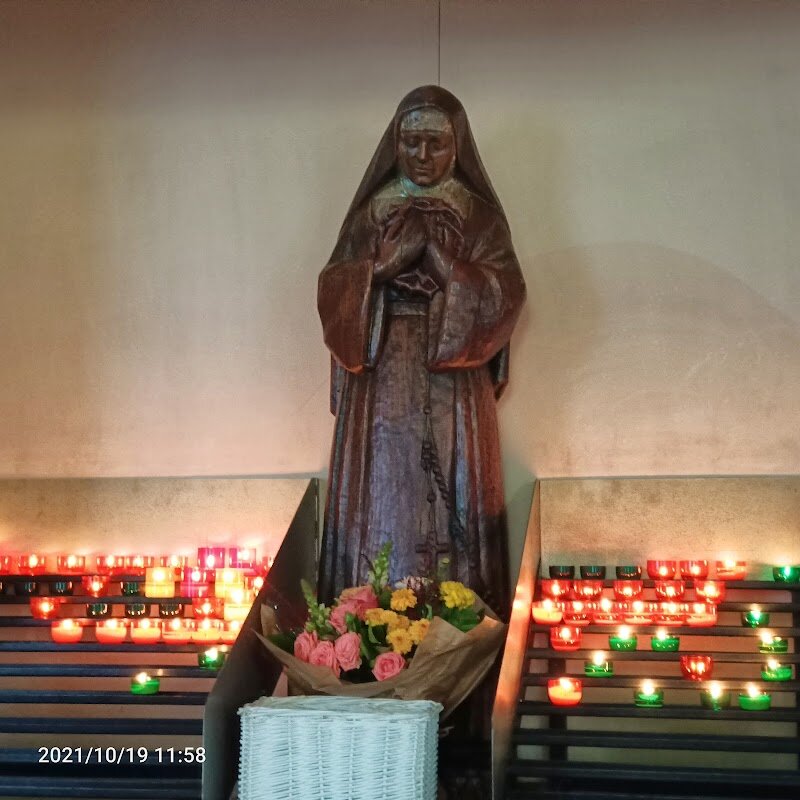
Sainte-Rita Chapel

Tucked away in the lively heart of Paris’s Pigalle district, **Sainte-Rita Chapel** is a hidden gem that invites visitors of all ages to discover a story of hope and resilience. Founded in 1956, this unique chapel is dedicated to **Saint Rita of Cascia**, known as the patron saint of lost causes, and was originally built to serve the marginalized communities of the area, especially the women working in Pigalle’s red-light district. What sets Sainte-Rita apart is its welcoming atmosphere and its mission of compassion—a spirit that continues today, making it an uplifting stop for families and curious travelers seeking more than the typical tourist sites. Inside, you’ll find a tranquil, light-filled sanctuary, where modern stained glass windows cast colorful reflections across the simple yet inviting interior. The chapel’s history is woven into the fabric of Paris’s social life, offering a rare glimpse into the city’s efforts to provide dignity and support to those in need. Visitors can pause for a moment of reflection, admire the contemporary religious art, and feel the enduring message of hope that Sainte-Rita Chapel has shared for generations.

Sixteen years. That's how long Jean-Léon Gérôme painted his orientalist masterpieces in this very building, transforming what you see now into one of Paris's most celebrated artist studios from 1884 to 1900. Henri de Toulouse-Lautrec himself may have called these same walls home, sketching the can-can dancers just across the street at the Moulin Rouge. But in 1955, something extraordinary happened. The Catholic Church purchased this ground floor space with a radical mission... to bring sanctuary directly into the heart of Pigalle's red-light district. When Sainte-Rita Chapel opened in 1956, it became the world's only church specifically built to serve prostitutes, dedicated to Saint Rita of Cascia, the patron saint of lost causes. Look up at that stunning facade... the stained glass window shows Saint Rita clutching red roses, her sacred symbol. Inside these intimate walls where Gérôme once mixed his paints, candles now flicker for souls seeking redemption. This tiny chapel stands as Paris's most unlikely sanctuary, where art studio became sacred refuge in the shadow of the Moulin Rouge's spinning blades.

museum

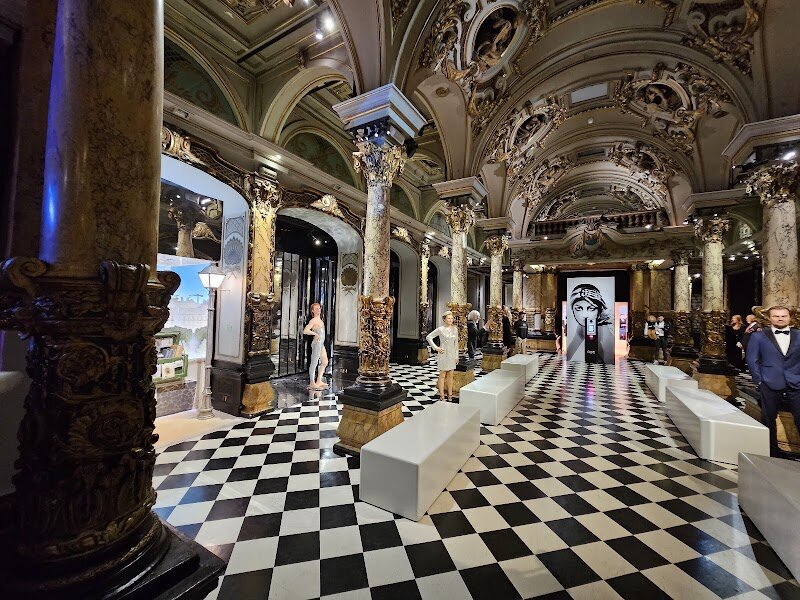
Musée Grévin

Step into the enchanting world of **Musée Grévin**, Paris’s celebrated wax museum where history, celebrity, and artistry come alive for visitors of all ages. Founded in 1882 by visionary journalist Arthur Meyer and brought to life by artist Alfred Grévin, this Belle Époque treasure was designed to give faces to the headlines, long before photography became widespread. Today, families and curious travelers can wander through dazzling galleries featuring over 400 lifelike wax figures—from French kings and revolutionaries to global icons like Marilyn Monroe, Queen Elizabeth II, and Ronaldo. Children and adults alike will marvel at the **interactive displays** and immersive scenes, which invite you to rub shoulders with movie stars, musicians, athletes, and world leaders. The museum’s ornate marble staircase and famous Hall of Mirrors, originally built for the 1900 Universal Exhibition, add a touch of magic and grandeur to every visit. With its unique blend of history, spectacle, and playful fun, Musée Grévin is a delightful Parisian experience that sparks curiosity and imagination—making it a must-see destination for families and adventure-seekers alike.

This museum's most famous murder scene uses the ACTUAL knife from 1889! You're standing on Boulevard Montmartre where newspaper owner Arthur Meyer built one of Europe's oldest wax museums because his readers wanted to see the faces behind their news stories. Inside that grand entrance, Charlotte Corday's real knife and Jean-Paul Marat's actual bathtub are waiting for you! Each wax figure takes six whole months to create - that's longer than your summer vacation times three! Get ready to hunt for Voltaire, who's been standing here since 1879!

museum

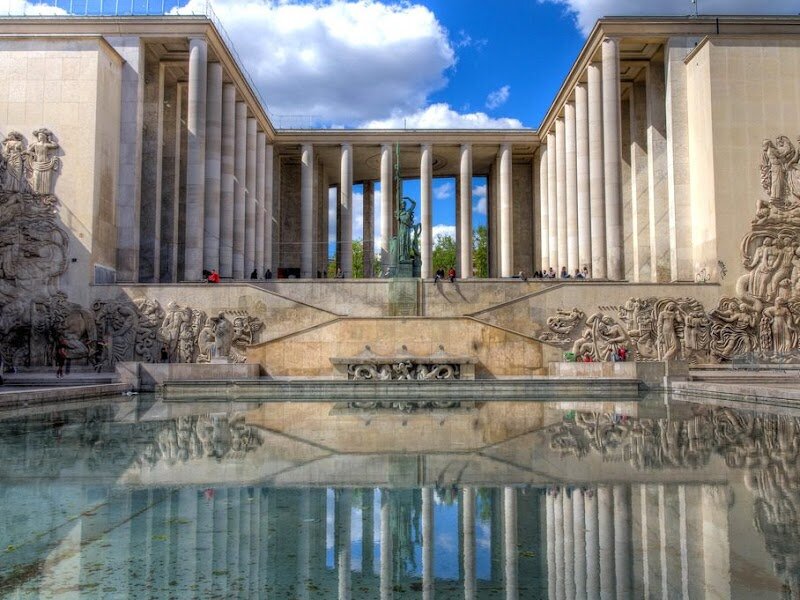
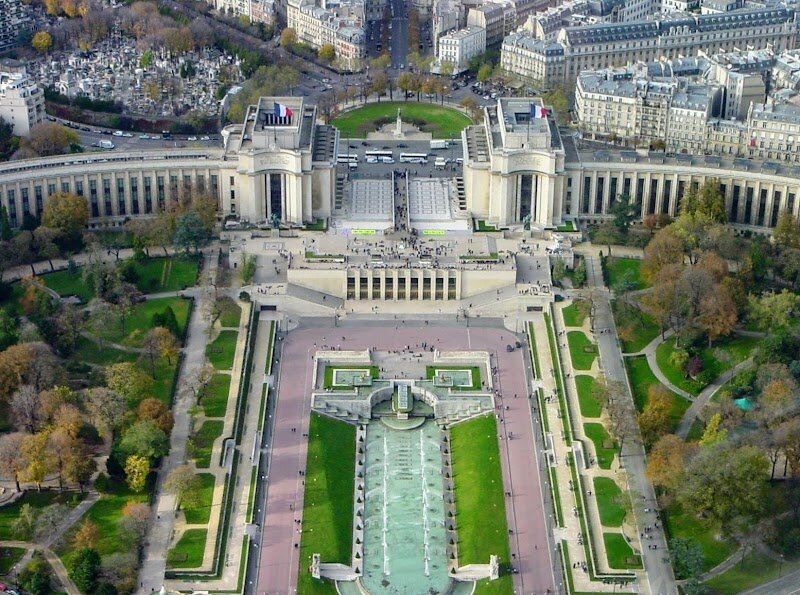
Palais de Tokyo

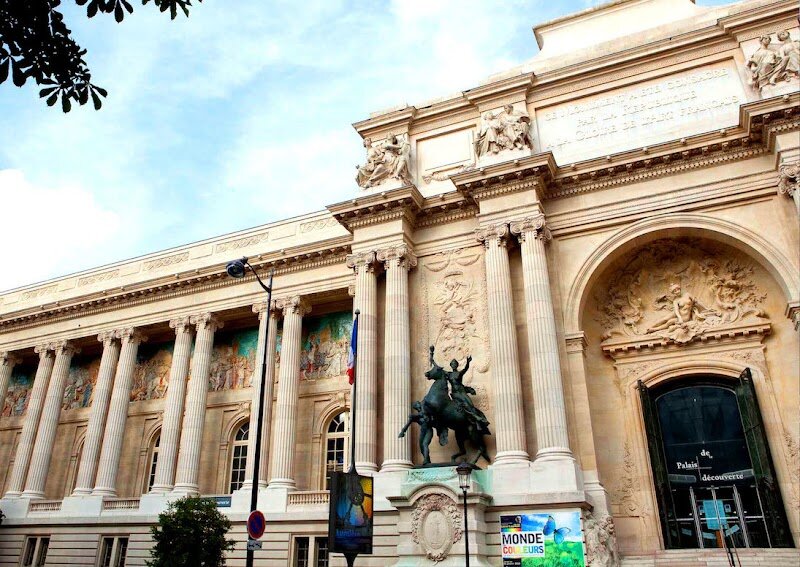
Palais de Tokyo is Paris’s boldest playground for art and imagination, inviting families and curious travelers to experience creativity in all its forms. Originally built in 1937 for the International Exhibition of Art and Technology, this striking Art Deco landmark nestles beside the Seine, its grand colonnades and terraces offering sweeping views of the river and Eiffel Tower. What sets Palais de Tokyo apart is its dynamic focus on contemporary art—step inside and you’ll find ever-changing exhibitions that challenge, surprise, and delight visitors of all ages. The museum’s vast, light-filled spaces are designed to spark curiosity, with interactive installations and hands-on workshops that encourage everyone, from kids to adults, to explore and create. The building itself is a marvel, with sculptures and monumental bas-reliefs celebrating the arts and the mythic figure of Apollo. Whether you’re discovering cutting-edge artworks, joining a family-friendly activity, or relaxing on the riverside terrace, Palais de Tokyo promises an inspiring adventure into the world of modern creativity—making it a must-visit for anyone eager to see Paris through a fresh, artistic lens.

That massive colonnade stretching between two identical wings was built in just ten months flat - from July 1936 to May 1937, making it one of the fastest major cultural constructions in Parisian history. You're standing before the Palais de Tokyo, but here's the kicker... it got its name from a street that no longer exists. This building sits on what was once called Avenue de Tokio, renamed Avenue de New-York after World War Two ended. Look at those two symmetrical wings opening toward the Seine like giant arms - that's the work of four architects who had to create something monumental enough for the 1937 International Exhibition. The eastern wing houses Paris city's modern art collection, while the western wing became something totally different after 2002. When architects Lacaton and Vassal renovated it, they did something wild... they broke through into forgotten basement levels and just LEFT the demolition marks exposed, creating these raw, tomb-like spaces that visitors now wander through freely. At 22,000 square meters today, it's one of Europe's largest contemporary art venues, tripled in size from its original footprint. Those terraced fountains cascading down toward the river? They're hiding one of Paris's most unconventional museum experiences, where you can roam completely unrestricted through both the sun-drenched upper galleries and those mysterious underground grottos.

building

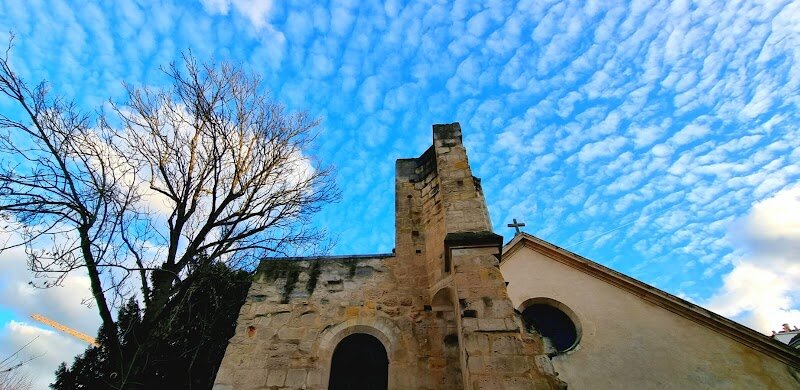
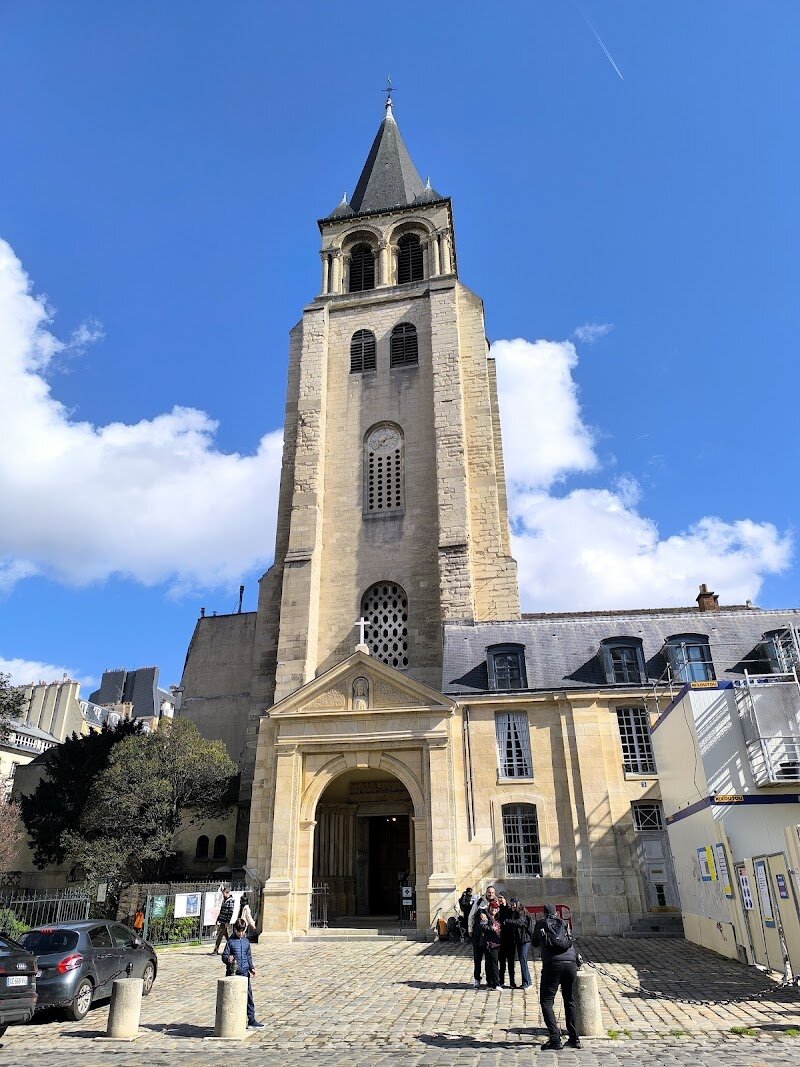
Saint-Julien-le-Pauvre

Saint-Julien-le-Pauvre, nestled in the heart of Paris’s Latin Quarter, is a captivating gem for families and curious travelers alike. Often described as *the oldest church in Paris*, this intimate sanctuary dates back to the 12th century, standing quietly just steps from Notre-Dame. Its walls echo centuries of history—from its origins on the ruins of a 6th-century oratory that once welcomed weary pilgrims, to its vibrant role in the intellectual life of medieval Paris, serving scholars and students of the burgeoning University of Paris. What makes Saint-Julien-le-Pauvre truly special is its blend of architectural beauty and spiritual heritage. Inside, visitors discover a harmonious fusion of Romanesque and early Gothic styles, with intricate capitals and a distinctive Byzantine iconostasis adorned with golden icons—a testament to its current use by the Greek Melkite Catholic community. The church’s modest size and tranquil atmosphere offer a peaceful escape from the city’s bustle, inviting families to explore, reflect, and even share legends like that of Julian the Hospitaller. Step outside into Square Viviani, where children can marvel at Paris’s oldest tree and everyone can enjoy stunning views of Notre-Dame. Saint-Julien-le-Pauvre is not just a monument, but a living storybook in stone, perfect for those seeking wonder and history in equal measure.

That massive paving stone jutting out from the church wall isn't decorative - it's an actual piece of the ancient Roman road that once connected Lutetia to Orleans, literally supporting the footsteps of Roman soldiers and merchants for centuries before this church existed. Saint-Julien-le-Pauvre stands on one of Paris's most sacred spots, where Christians have worshipped since the early 500s, making it older than Notre-Dame which looms just 200 meters across the Seine. This unassuming stone facade hides an architectural time capsule - you're looking at the only surviving 12th-century parish church in Paris, though it was never actually finished. The builders intended a soaring three-story choir and Gothic tower on the south side, but only managed to complete the staircase before running out of funds. Step inside and you'll discover something remarkable... the golden iconostasis that separates the nave from the altar was hand-carved in Damascus in 1890, transforming this medieval French church into a Greek-Melkite cathedral. For three centuries, this humble sanctuary hosted some of Europe's greatest minds - Dante Alighieri and Thomas Aquinas both attended services here when it served as the meeting hall for the University of Paris. During the French Revolution, these sacred walls witnessed an unusual indignity... they stored salt. But perhaps most surprisingly, if you touch the bark of that gnarled locust tree in the adjacent Square René Viviani, you're touching Paris's oldest living resident - planted in 1602, it's been watching over this corner of the Latin Quarter for over 400 years.

building

Catholic Church of Our Lady of the Cross of Ménilmontant

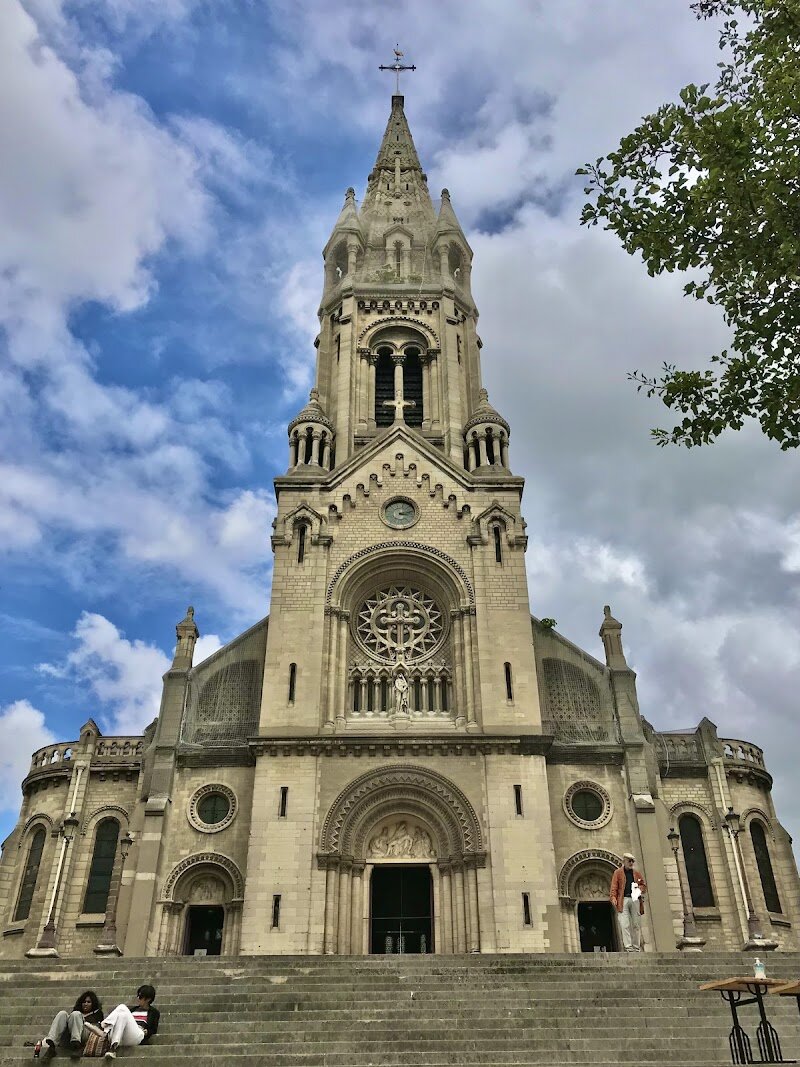
Nestled in the lively 20th arrondissement, the **Catholic Church of Our Lady of the Cross of Ménilmontant** is a hidden gem that invites families and curious travelers to discover Paris beyond its famous landmarks. Built between 1863 and 1880, this parish church is a striking blend of **neo-Romanesque and neo-Gothic architecture**, designed by renowned architect Antoine Héret. Its impressive façade, adorned with sculptural details and sweeping steps, creates a picturesque setting perfect for relaxing in the adjacent square. Stepping inside, visitors are greeted by a serene atmosphere and elegant arches that speak to the church’s rich history. The church played a unique role during the Paris Commune in 1871, serving as a gathering place for pioneering women’s clubs, adding layers of social and cultural significance to its spiritual heritage. Families will enjoy the chance to explore both the exterior’s intricate statues and the tranquil interior, while those with a passion for history can imagine the vibrant community life that has shaped this neighborhood for generations. A visit here offers a refreshing break from the crowds, a chance to appreciate authentic Parisian architecture, and a glimpse into the city’s dynamic past.

97 meters long and perched on one of Paris's steepest slopes, this towering church required 55 monumental stone steps just to reach its front door. You're standing before Notre-Dame-de-la-Croix de Ménilmontant, the third-longest church in all of Paris, where architect Louis-Jean-Antoine Héret pulled off an engineering marvel between 1863 and 1880. Look up at that soaring bell tower... it stretches 78 meters into the sky, while inside, Héret left the metal framework completely exposed in the nave and choir as decoration, creating an industrial-meets-sacred aesthetic decades ahead of its time. This Gothic-Romanesque hybrid combines the best of both worlds, but it's the church's dark political history that really sets it apart. In 1871, during the Paris Commune, revolutionary leaders seized this sacred space and turned it into their political headquarters. Right here on May 6th, they voted by acclamation to execute Georges Darboy, the Archbishop of Paris, along with other hostages. The irony wasn't lost on anyone... a house of God becoming the site where death sentences were pronounced. Today, as you climb those 55 steps, you're literally rising above the street level of Place Maurice Chevalier below, entering a space where prayer and politics once collided in the most dramatic way possible.

building

Paroisse Saint-Paul Saint-Louis

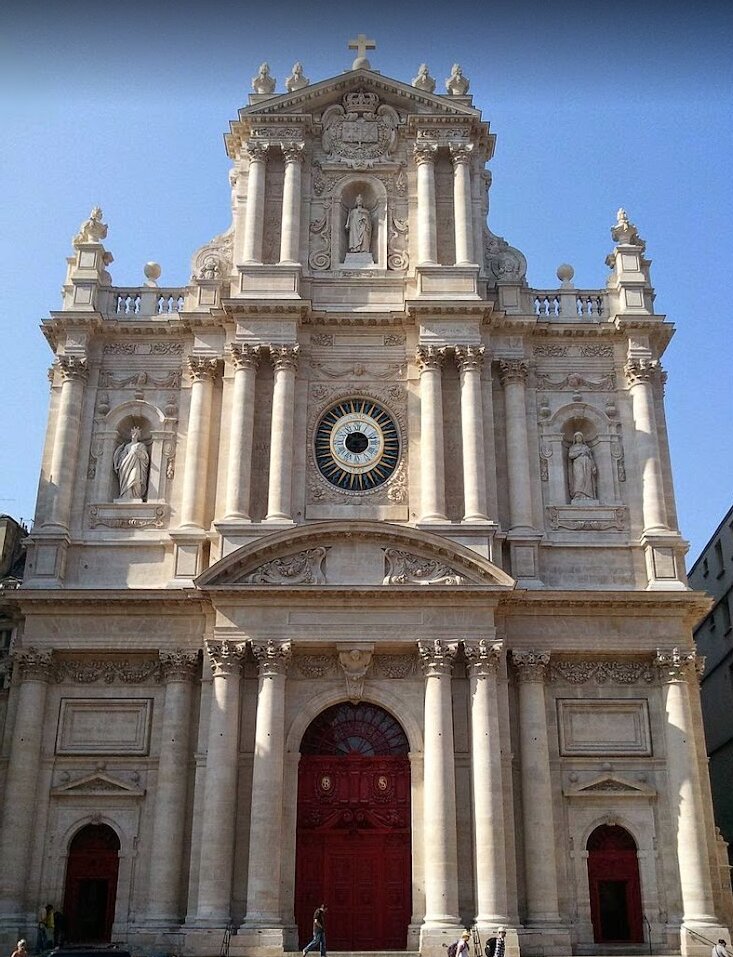
Step into the heart of Paris’s vibrant Marais district and discover **Paroisse Saint-Paul Saint-Louis**, a church where centuries of history and artistry come alive for visitors of all ages. Built in the 17th century at the request of King Louis XIII, this remarkable church was the first in Paris to fully embrace the dramatic Baroque style, breaking away from traditional Gothic architecture and setting a bold new standard for the city’s churches. Its grand façade and luminous, spacious interior—designed by Jesuit architects—invite families and travelers to explore a space once filled with royal ceremonies and historic events. Inside, you’ll find treasures that fascinate both art lovers and curious minds: masterpieces like Delacroix’s “Christ in Agony in the Garden of Olives,” stunning sculptures, and even a crucifix rescued from the Bastille prison. The church is home to magnificent organs, including one classified as a Historical Monument, and unique relics such as clam-shell fonts donated by Victor Hugo for his daughter’s wedding. Whether you’re admiring the soaring dome—one of Paris’s first—or soaking in the peaceful atmosphere, Saint-Paul Saint-Louis offers a captivating journey through Parisian history, architecture, and culture that will delight families and curious travelers alike.

March 16th, 1627... King Louis XIII kneels in the mud of Rue Saint-Antoine, placing the foundation stone of what would become Paris's most revolutionary church. As you stand before this ornate Baroque facade at number 99, you're witnessing France's first complete rejection of Gothic architecture. This towering stone screen, inspired by the Jesuits' bold new style, sparked a architectural revolution across Paris. Notice those soaring Corinthian columns and the bronze-rayed clock above - they mark the spot where Cardinal Richelieu celebrated the first Mass in 1641, with fifteen bishops and the king himself in attendance. But peer closely at the pillar inside on your right... there, still visible, revolutionary graffiti from 1871 reads "French Republic or death." This church has survived royal patronage, five priests murdered within these walls during the Revolution, and even served the atheist Cult of Reason. The white marble altar before you contains fragments from Napoleon's original tomb, while overhead, the same vaults once echoed with music by Charpentier and Rameau. In the Marais district, where Philippe-Auguste's medieval ramparts once stood, this church remains Paris's most dramatic fusion of faith, revolution, and architectural daring.

building

La Madeleine

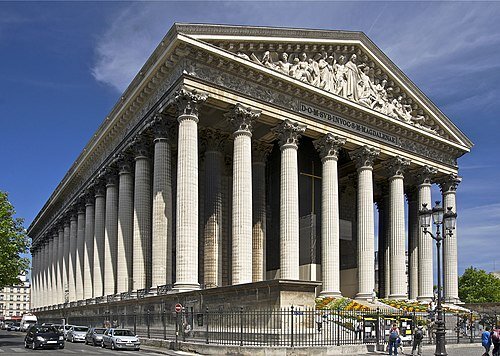
La Madeleine, with its majestic neoclassical columns rising above the bustling Place de la Madeleine, is one of Paris’s most striking and storied landmarks—a place where history, architecture, and culture converge in the heart of the city. Unlike the city’s famous Gothic cathedrals, La Madeleine stands apart with its bold design inspired by ancient Roman temples, completely encircled by 52 towering Corinthian columns that evoke a sense of timeless grandeur. Originally commissioned by Napoleon as a “Temple of Glory” to honor his army, the building’s purpose shifted dramatically with changing regimes, finally being consecrated as a church in 1842. This dramatic history is etched into every stone, making a visit here a journey through France’s turbulent past—from monarchy to empire and beyond. Families and curious travelers will find much to explore: from the intricate bas-reliefs on the façade depicting biblical scenes to the serene, luminous interior where world-class classical concerts echo beneath soaring ceilings. La Madeleine is also famous as the site of Chopin’s poignant funeral, and its celebrated organ continues to draw music lovers today. Surrounded by Paris’s elegant boulevards and gourmet shops, La Madeleine offers an inspiring blend of art, history, and living tradition—inviting every visitor to experience a unique chapter of Parisian life.

The most Roman temple in Paris was built to honor French soldiers... but it's actually a church. Standing before La Madeleine's massive colonnade, you're looking at Napoleon's grand mistake. In 1806, he commissioned this as a "Temple to the Glory of the Grand Army" - essentially a military pantheon. Those fifty-two towering Corinthian columns, each exactly twenty meters tall, were meant to intimidate enemies, not welcome worshippers. The architect Pierre-Alexandre Vignon literally copied an ancient Roman temple in Nîmes, creating what Napoleon called "as severe as possible." But here's the twist - step inside this intimidating fortress and you'll find three hidden domes invisible from the street, plus a stunning fresco where Napoleon himself appears at the center of Christian history. It took eighty-one years to complete because nobody could decide what it should actually be. This is where Chopin's funeral was held, and where Mary Magdalene has been honored since 1182.

landmark

Stade de France

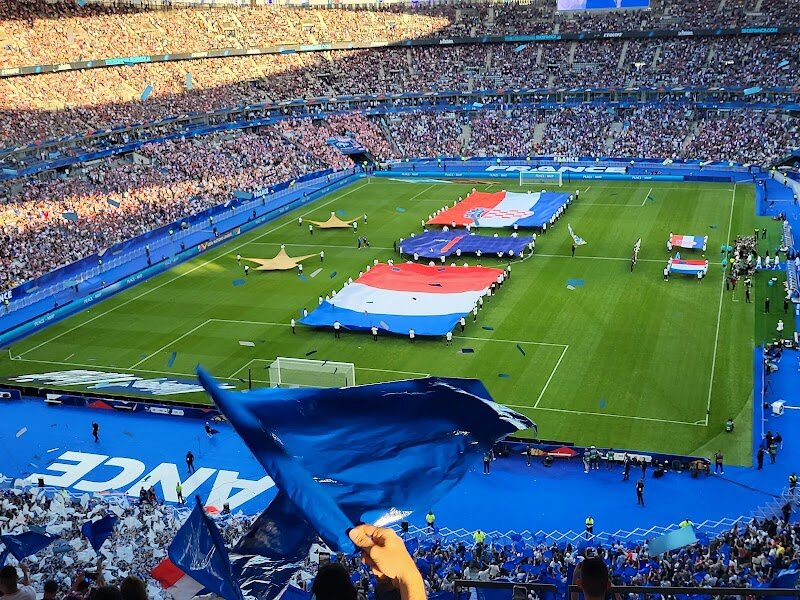
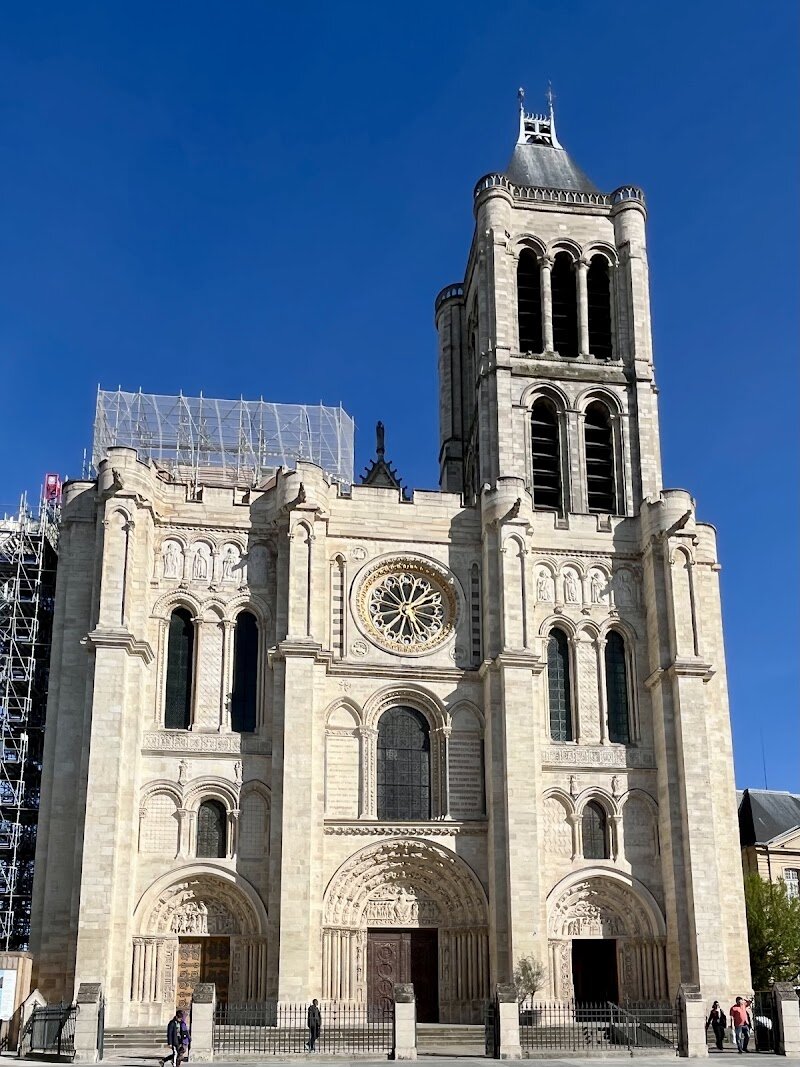
Stade de France, nestled in the vibrant suburb of Saint-Denis just north of Paris, is more than a stadium—it's a symbol of national pride and transformation. Built to host the unforgettable 1998 FIFA World Cup, where France’s victory united the country in a wave of joyous celebration, this iconic venue has since become the beating heart of French sport and culture. Its creation marked a turning point for the neighborhood, revitalizing the area and bringing families, fans, and curious travelers together for world-class experiences. Step inside and you’ll discover a place where history was made—where legends like Zidane thrilled crowds, and where the cheers of 81,000 voices echo during electrifying football and rugby matches. But Stade de France is not just for sports lovers; its vast spaces have hosted spectacular concerts, Olympic ceremonies, and family-friendly events that light up the Parisian night. Visitors can explore behind-the-scenes tours, marvel at cutting-edge architecture, and soak up the energy that pulses through the stands. Whether you’re reliving iconic moments or making new memories with loved ones, Stade de France invites every traveler to be part of its ongoing story.

July 12, 1998 - eighty thousand people in Saint-Denis are jumping for joy as France wins their first-ever World Cup right here! This massive stadium was built in just 31 months - that's less time than you've been in elementary school. The coolest secret? Its design was inspired by an airplane terminal at JFK Airport in New York! The crowd noise once hit 109 decibels during a match - that's louder than a jet engine. You're standing where Zinedine Zidane scored the very first goal, and this whole place can evacuate 80,000 people in under 10 minutes!

landmark

Bois de Vincennes

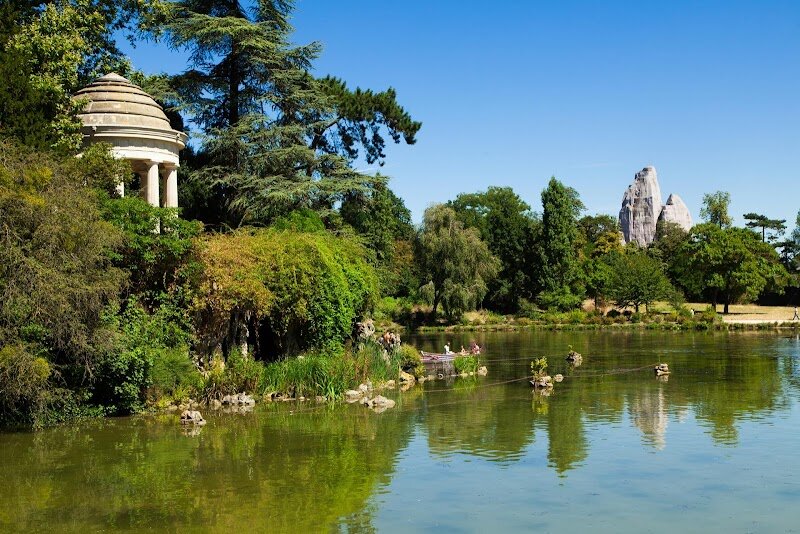
Bois de Vincennes, Paris’s largest green space, invites families and curious travelers to step into a world where history and nature intertwine. Originally a royal hunting ground, this vast park was transformed in the 19th century by Emperor Napoleon III and Baron Haussmann, who envisioned a lush retreat for Parisians in the bustling east of the city. Today, the park is a living tapestry of landscaped gardens, shimmering lakes, and meandering paths—perfect for picnics, boat rides, and leisurely strolls. Children can delight in playgrounds and open fields, while adults marvel at the park’s historical gems, including the grand Château de Vincennes, a medieval fortress that once housed French kings and legendary prisoners. The park’s artificial lakes, suspension bridges, and romantic temples—masterfully designed by engineer Alphand—create enchanting backdrops for family adventures and quiet reflection alike. Beyond its natural beauty, Bois de Vincennes brims with cultural intrigue, having hosted world fairs and sporting events through the ages. Whether you’re seeking a peaceful escape, a playful day out, or a journey through Paris’s storied past, this remarkable park offers something for everyone.

Right now, thousands of families are discovering secret trails that wind through what was once a wild forest surrounding ancient Lutecia... that's what Paris was called 2,000 years ago when Romans lived here! In 1854, Emperor Napoleon III's team turned this massive 995-hectare space into an adventure playground for working families in eastern Paris. That's bigger than 1,400 soccer fields combined! The coolest part? There's a giant fake mountain at the zoo that's 65 meters tall... taller than 13 giraffes stacked up, and you can spot it from neighborhoods all across the park! Oh, and this place hosted the very first cricket match between England and France... guess who won?

landmark

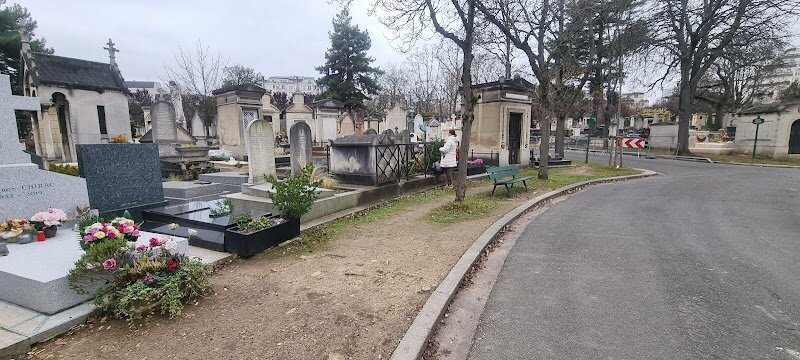
Cimetière du Père-Lachaise

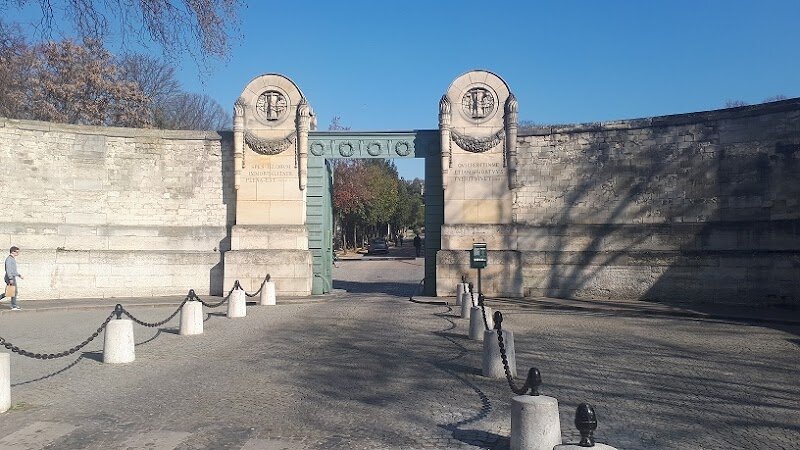
Cimetière du Père-Lachaise is not just a cemetery—it's an enchanting open-air museum and one of Paris’s most captivating landmarks. Established in 1804 under Napoleon I, its winding paths and lush, tree-lined avenues invite families and curious travelers to explore centuries of history amid an atmosphere reminiscent of an English garden. Named after Père François de la Chaise, confessor to Louis XIV, the site soon became the final resting place for icons such as Edith Piaf, Oscar Wilde, and Jim Morrison, making it a pilgrimage for fans and history buffs alike. As you wander, you'll discover ornate mausoleums, touching tributes, and stories etched in stone, from star-crossed lovers Abelard and Héloise to the poignant memorials honoring victims of historic events. Children and adults alike can embark on a treasure hunt for famous graves or simply enjoy the tranquil beauty and surprising wildlife found throughout the grounds. Whether you’re seeking tales of romance, art, or Parisian legend, Père-Lachaise offers a unique blend of history and nature, promising an unforgettable experience for every visitor.

The year is 1804, and Napoleon just opened the world's LONELIEST cemetery right here - only 13 people were buried in these 110 acres during the entire first year! This hilltop was so unpopular that city officials had to secretly move famous dead people like the playwright Molière here just to make it trendy. Now over ONE MILLION people rest beneath your feet - that's like burying everyone in your entire city twice! As you explore, hunt for the Communards' Wall where 147 rebels made their dramatic last stand during Paris's wildest revolution.

museum

Musée Rodin

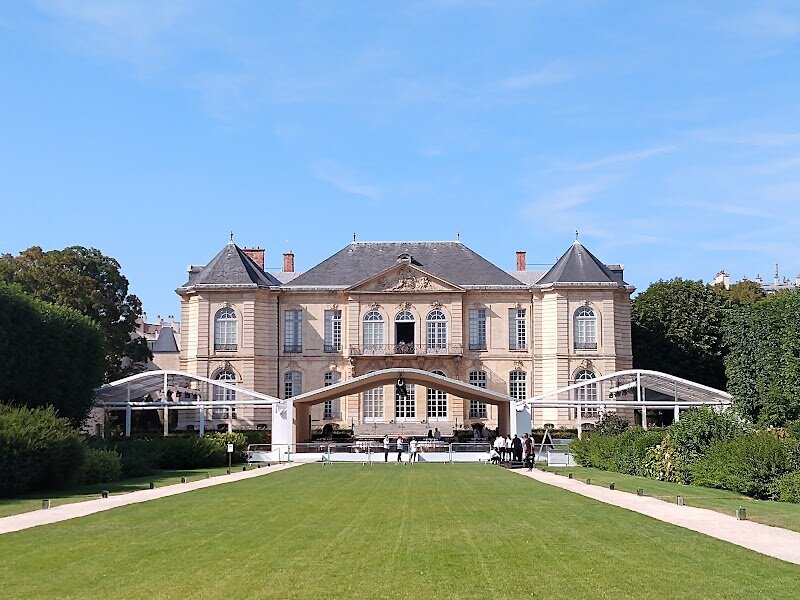
Step into the enchanting world of the **Musée Rodin**, where art and history come alive in the heart of Paris. Housed in the elegant 18th-century Hôtel Biron, this museum is a treasure trove dedicated to the genius of Auguste Rodin, one of France’s most celebrated sculptors. Families and curious travelers will be captivated as they wander through sun-dappled gardens dotted with Rodin’s iconic masterpieces—imagine encountering *The Thinker* or *The Gates of Hell* surrounded by roses and ancient trees. Inside, visitors discover nearly 400 of Rodin’s sculptures, alongside evocative drawings and works by other greats like Monet, Renoir, and Van Gogh from Rodin’s personal collection. The museum also features a moving tribute to Camille Claudel, Rodin’s talented student and collaborator. Children and adults alike can marvel at dramatic marble and bronze figures, while the story of Rodin’s life—his creative triumphs, friendships, and passions—unfolds throughout the galleries. A visit to the Musée Rodin isn’t just about viewing art; it’s about experiencing the spirit of creativity that transformed sculpture forever. Whether you’re an art lover or simply curious, this serene Parisian haven invites you to explore, imagine, and be inspired.

The year is 1906, and a young Henri Matisse pushes through tangled vines to reach the moss-covered entrance of this abandoned mansion. The Hôtel Biron, built in 1730, had fallen into such disrepair that windows wouldn't open and yellow paint peeled from forgotten walls. What Matisse discovered became France's most unlikely artistic commune, where Isadora Duncan danced in empty ballrooms while Jean Cocteau penned poetry in crumbling corners. When Auguste Rodin arrived in 1908, he transformed these neglected rooms into something extraordinary. He scattered his sculptures throughout the three-hectare garden and filled his sparse salon with nothing but a table, fruit bowl, and a single Renoir painting. The silence broke only with Gregorian chants from his gramophone as he watched young artists dance and party around his masterpieces. Here's what most visitors miss: Rodin struck the deal of a lifetime with the French government, trading his entire life's work for the right to live in this rococo palace forever. When the museum opened in 1919, it became France's first entirely self-funded cultural institution.

landmark

Passerelle Debilly

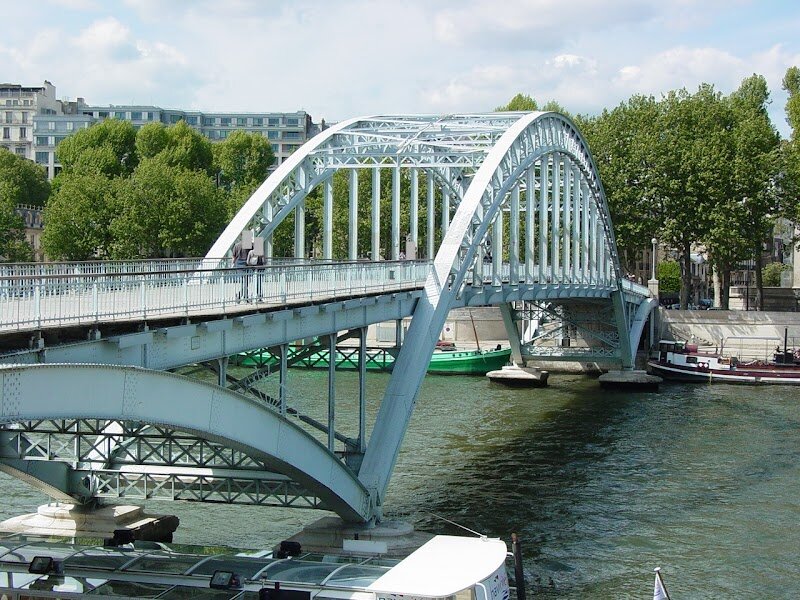
Passerelle Debilly is a hidden gem for families and curious travelers, offering a stunning stroll across the Seine with unforgettable views of the Eiffel Tower. Originally built for the 1900 World’s Fair, this elegant metallic footbridge was designed by Jean Résal, the celebrated engineer behind Paris’s iconic Pont Alexandre III. Though intended as a temporary structure, Passerelle Debilly’s graceful arch and wave-like green ceramic tiles charmed Parisians, earning it a permanent place in the city’s landscape and a spot on the historical monuments registry in 1966. As you cross, children and adults alike can marvel at the bridge’s unique design and imagine its storied past—from bustling fairgoers to Cold War intrigue, when it served as a secret meeting spot for spies. Today, it’s a peaceful pedestrian path perfect for family outings, photography, or simply soaking up river breezes and Parisian scenery. Whether you’re seeking a scenic shortcut or a touch of history, Passerelle Debilly invites you to experience Paris from a fresh, enchanting perspective.

Those dark green ceramic tiles beneath your feet aren't just decoration... they're arranged in wave patterns that once guided spies to their secret rendezvous during the Cold War. You're standing on the Passerelle Debilly, where East German agents met in shadow for decades, until one autumn night in 1989 when a diplomat's body was discovered here just days after the Berlin Wall fell. This 120-meter footbridge carries secrets from two different eras. Built in 1900 as a temporary crossing for the World's Fair, it was named for General Jean Louis Debilly, who died at the Battle of Jena in 1806... never knowing a bridge would bear his name a century later. Jean Résal, architect of the magnificent Pont Alexandre III, designed this metallic marvel to last just twenty years, like the nearby Eiffel Tower. But as you gaze through those elegant arches toward the Iron Lady herself, remember... this "temporary" bridge has outlived empires, survived assassination attempts in 1941, and witnessed the final act of the Cold War. Some structures simply refuse to disappear.

landmark

Montparnasse Cemetery

Montparnasse Cemetery, nestled in the heart of Paris’s Left Bank, is a tranquil oasis where history, art, and nature intertwine. Opened in 1824 on former farmland, this 47-acre garden-museum invites families and curious travelers to wander leafy paths shaded by centuries-old trees, discovering the stories of generations past. What sets Montparnasse apart is its remarkable collection of graves belonging to world-renowned writers, artists, and thinkers—among them Simone de Beauvoir, Jean-Paul Sartre, Samuel Beckett, and Susan Sontag. As you stroll, you’ll encounter unique monuments and sculptures, from the whimsical bed-shaped tomb of inventor Charles Pigeon to the evocative Spirit of Eternal Sleep statue. Children and adults alike can marvel at these works of art, while parents share tales of the extraordinary lives laid to rest here. The cemetery’s peaceful atmosphere, dotted with flowers and the occasional windmill, makes it perfect for quiet reflection or a family picnic among history’s greats. Montparnasse Cemetery is more than a burial ground—it’s a living testimony to Paris’s creative soul and a captivating destination for visitors of all ages.

This cemetery runs BACKWARDS through time! Built in 1824 on three old farms, it hides a 400-year-old windmill right in its center that lost its spinning blades and became a DANCE HALL before becoming the caretaker's house! Over 300,000 people rest here now - that's like filling your entire school a thousand times over! As you explore, hunt for the famous shared grave where two philosopher lovers chose to be buried together forever. This whole place replaced Paris's most disgusting cemetery where six MILLION rotting bodies were stacked like smelly pancakes until they were moved to the spooky Catacombs underground!

building

Saint-Germain-l'Auxerrois

Saint-Germain-l’Auxerrois, nestled beside the Louvre, is one of Paris’s most storied and atmospheric churches—a true hidden gem for families and curious travelers alike. With roots stretching back to the 7th century, this church has witnessed over a millennium of French history, serving as the parish church for kings and playing a dramatic role in the city’s past. Its bell famously signaled the start of the St. Bartholomew’s Day Massacre in 1572, a pivotal and somber moment that shaped the nation’s religious landscape. Step inside and you’ll discover a captivating blend of architectural styles, from Gothic ribbed vaults and a luminous rose window to Renaissance flourishes—each layer telling a story of survival and transformation through wars, revolutions, and royal intrigue. Art lovers will appreciate the ornate sculptures and religious artworks, many rescued from lost churches, while music enthusiasts can marvel at the magnificent 19th-century Cavaillé-Coll organ. For families, the peaceful interiors offer a moment of quiet reflection, and young explorers can imagine the echoes of history all around. Saint-Germain-l’Auxerrois invites visitors to wander through centuries, making it a must-see for anyone eager to experience the living tapestry of Paris.

The church that ordered Paris to kill... stands peacefully before you today. That Gothic bell tower looming above Place du Louvre rang out on August 24th, 1572, signaling the start of the St. Bartholomew's Day Massacre that would claim three thousand lives in just three days. As you face this remarkable facade, you're looking at one of Paris's oldest worship sites... a sacred ground that's witnessed fourteen centuries of prayer, politics, and bloodshed. Long before this Gothic masterpiece rose here, a humble Chapel of St. Vincent stood on this very spot in the 600s, built shortly after Saint Germain of Auxerre's death. Saint Landry, Bishop of Paris himself, was laid to rest in these ancient foundations around 656. Step closer to examine the Renaissance portal... those intricate carvings survived when Jean Goujon and Pierre Lescot's magnificent rood screen inside did not. Eighteenth-century canons, considering Gothic architecture hopelessly outdated, destroyed that Renaissance masterpiece along with painted murals they deemed unfashionable. But venture inside, and you'll discover what the revolutionaries couldn't destroy. Those stunning stained glass windows flanking the transept are signed masterworks by Jean Chastellain from the 1530s... including his breathtaking "Wisdom of Solomon" that transforms biblical drama into luminous theater. Each window bears its creator's signature, making them among Paris's most precious Renaissance treasures, glowing eternally just steps from the Louvre's royal chambers.

museum

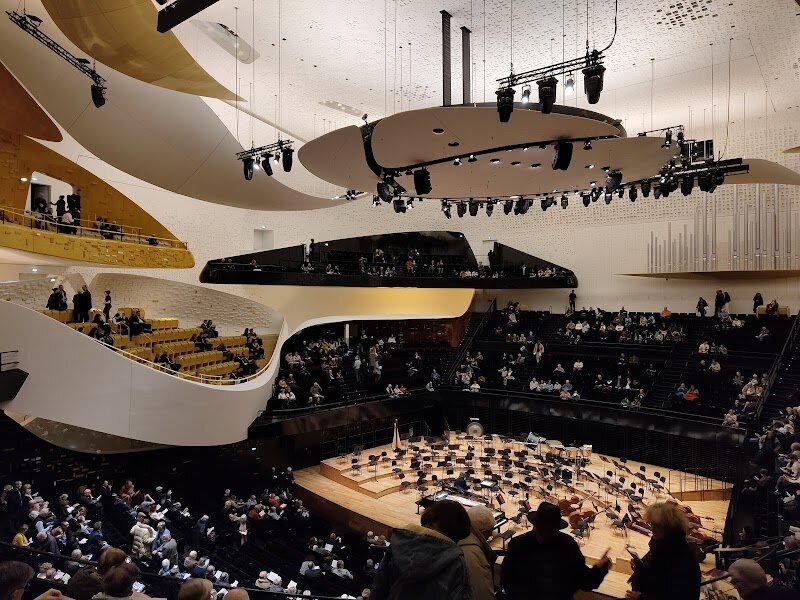
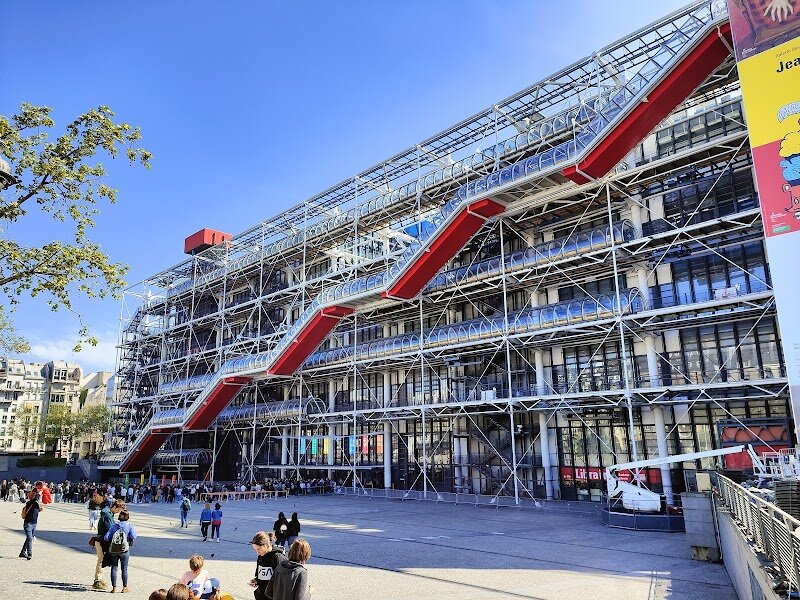
Cité de la Musique

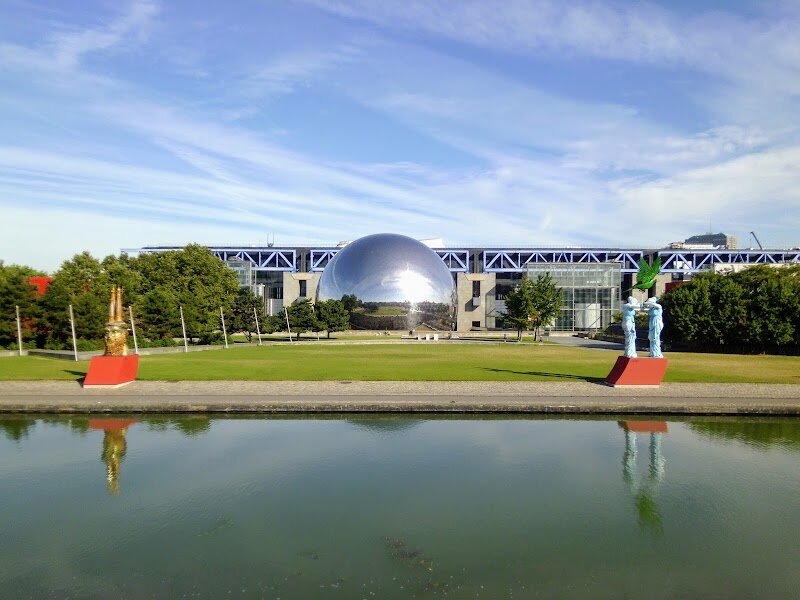
Cité de la Musique in Paris is a vibrant cultural hub where music comes alive for visitors of all ages, nestled in the creative expanse of Parc de la Villette. Designed by renowned architect Christian de Portzamparc and inaugurated in 1995, this remarkable complex was born from a vision to open up the world of music, blending bold modern architecture with immersive artistic experiences. Step inside and you’ll find more than just concert halls—there’s a captivating music museum displaying treasures from centuries of musical history, interactive exhibits, and hands-on discovery zones that spark curiosity in both kids and adults. Families can enjoy live performances in the state-of-the-art concert hall, wander through luminous corridors, and explore lush gardens and patios woven into the building’s innovative design. What makes Cité de la Musique truly special is its celebration of all musical genres and its mission to make music accessible, whether you’re attending a world-class concert, joining a workshop, or simply exploring the enchanting spaces. It’s a place where history, creativity, and learning harmonize, inviting every curious traveler to experience the universal language of music in unforgettable ways.

Right now, music students are practicing scales behind these curved stone walls, just as Christian de Portzamparc imagined when he designed this "dreamlike town" in the 1980s. You're standing before the Cité de la Musique at 221 Avenue Jean Jaurès, a building that literally saved Paris's cramped music conservatory from suffocation on rue de Madrid. When President François Mitterrand launched this project in 1983, few knew that architect Portzamparc would spend an entire DECADE perfecting these flowing curves before winning the Pritzker Prize in 1994. The timing wasn't coincidental - this building was his masterpiece submission. Notice how the facade seems to breathe and move? That's intentional architecture designed to echo the music within. Step inside and you'll discover something remarkable - the museum here protects musical instruments dating back to 1795, when Napoleon's government first created the conservatory's "instrument cabinet." The interior deliberately plays with light and shadow to protect these treasures while the concert hall can magically transform from 650 to 1,600 seats depending on the performance. This isn't just a concert venue - it's the eastern wing of a musical universe where 1,400 students live, study, and perform in the heart of the 19th arrondissement's cultural renaissance.

museum

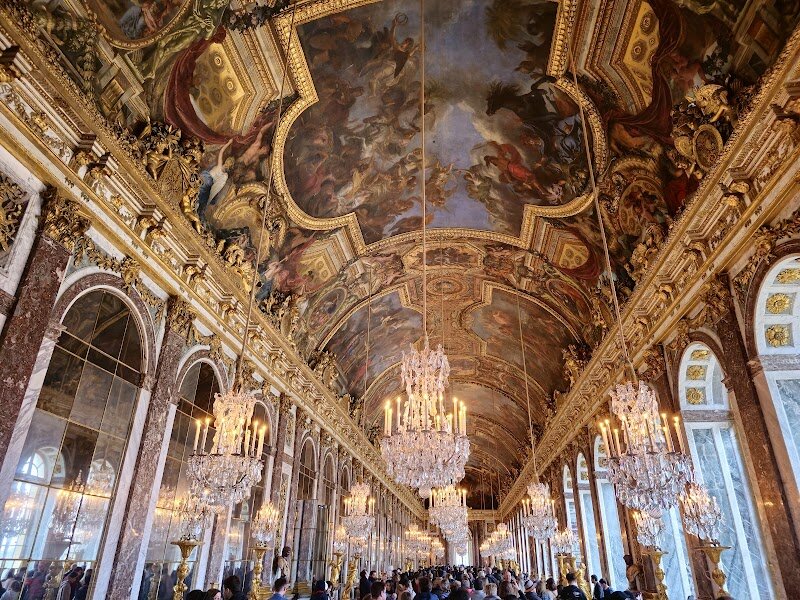
Palace of Versailles

Step into the **Palace of Versailles** and journey through centuries of French history, where royal grandeur and artistic brilliance come to life just outside Paris. Once a humble hunting lodge for Louis XIII, Versailles was transformed by Louis XIV into a dazzling symbol of absolute monarchy and the very heart of French culture and politics. Here, families and curious travelers will be swept away by the sheer scale and splendor of the palace’s gilded halls, including the legendary **Hall of Mirrors**, where world-changing events like the signing of the Treaty of Versailles took place. Wander through the **magnificent gardens** designed by André Le Nôtre, filled with ornate fountains, hidden groves, and sculpted topiaries that invite exploration and play. Children and adults alike can marvel at the palace’s secrets—from its role in scientific discovery to quirky tales of royal life—while imagining the elaborate festivals and court ceremonies that once unfolded here. With its blend of opulence, history, and wonder, Versailles offers an unforgettable adventure for every visitor, making it a must-see destination for those eager to experience the magic of France’s royal past.

This golden palace started as a tiny hunting cabin smaller than your classroom! In 1623, Louis XIII built just a little lodge here at Place d'Armes where he could sleep after chasing deer all day. But look what it became... that shimmering Hall of Mirrors stretching ahead of you took SIX whole years to build and needed 357 mirrors - so expensive that Venice actually sent ASSASSINS to stop French glassmakers from learning their secrets! That's why some people call them "The Bloody Mirrors." Today this monster palace has 2,300 rooms... that's enough bedrooms for your entire school to sleep over!

museum

Arc de Triomphe

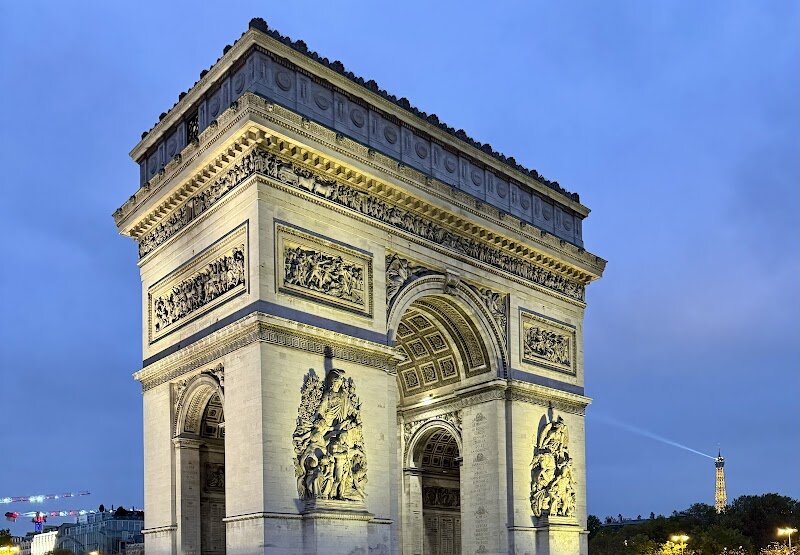
The **Arc de Triomphe** stands as one of Paris’s most iconic landmarks, captivating visitors with its grandeur and rich history. Commissioned by Napoleon in 1806 to honor the soldiers who fought and died for France during the French Revolutionary and Napoleonic Wars, this colossal monument is more than just an architectural marvel—it’s a symbol of national pride and remembrance. Rising over 160 feet at the heart of the bustling Place Charles de Gaulle, the Arc anchors a majestic circle of twelve avenues, offering a dramatic gateway to the famed Champs-Élysées. Families and curious travelers alike will be drawn to its intricate carvings, which immortalize the names of French victories and heroes. Beneath the arch lies the **Tomb of the Unknown Soldier**, a solemn tribute to those lost in World War I, marked by an eternal flame that invites reflection and respect. Take the opportunity to climb to the top, where panoramic views reveal the city’s sweeping boulevards and sparkling skyline—a favorite spot for memorable photos and shared moments. Whether you’re exploring its historical significance, marveling at its artistry, or simply soaking in the vibrant energy of Paris, the Arc de Triomphe promises a stirring experience at the crossroads of French history and culture.

Those twelve streets shooting out like spokes from where you're standing were designed to make Napoleon look like the center of the universe! This giant stone celebration took THIRTY whole years to build - that's twice your entire life so far - starting on Napoleon's birthday in 1806. At 50 meters tall, it was the world's tallest victory arch until 1982, when North Korea said "hold my juice box" and built a bigger one! Inside, you'll climb 284 steps - that's like walking up a 28-story building - past walls carved with 384 generals' names, where the underlined ones died in battle. Look for the eternal flame flickering below... it's been burning every single night since 1923 to honor unknown soldiers!

building

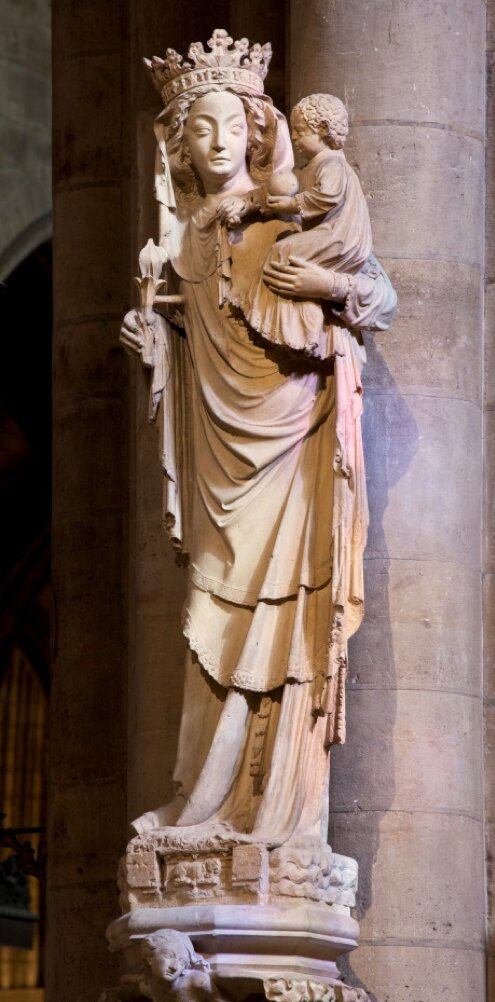
Notre-Dame Cathedral of Paris

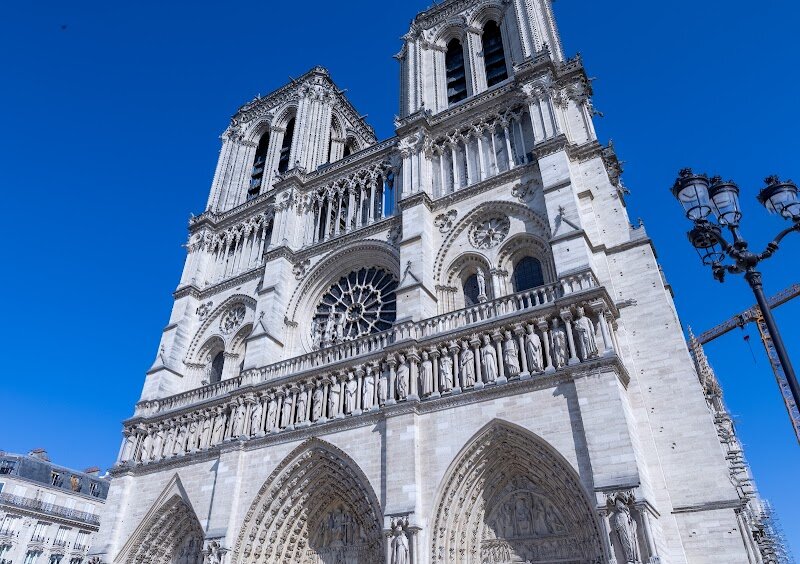
Notre-Dame Cathedral of Paris stands as a breathtaking masterpiece at the heart of the city, captivating families and travelers alike with its soaring Gothic architecture and storied past. Rising above the Île de la Cité, Notre-Dame has watched over Paris since its construction began in 1163—a project that spanned nearly two centuries and incorporated the boldest trends of Gothic design, from its dramatic flying buttresses to its intricate rose windows. This iconic cathedral has been the backdrop for many of France’s most significant moments, from royal weddings to the coronation of Napoleon Bonaparte. Its legacy has been shaped by centuries of change, including a remarkable restoration following the devastating fire of 2019—a testament to the world’s devotion to this beloved monument. Inside, visitors are awestruck by the vast vaulted ceilings, luminous stained glass, and the sense of wonder that fills every corner. Children and adults alike can marvel at the legendary gargoyles and explore the crypt, which reveals layers of Parisian history beneath their feet. Notre-Dame isn’t just a church; it’s a living symbol of resilience, artistry, and the enduring spirit of Paris.

182 years! That's how long medieval builders took to complete this Gothic giant on Place Jean-Paul II. But here's the crazy part - Victor Hugo's 1831 novel actually saved Notre-Dame from demolition! This cathedral sits exactly where the ancient Saint-Étienne Cathedral stood before Bishop Maurice de Sully decided Paris needed something BIGGER. Those scary gargoyles? They're not just decorations - they're water spouts shooting rainwater off the building! Every single stone was floated up the Seine from quarries thirty miles away.

building

Bibliothèque François-Mitterrand

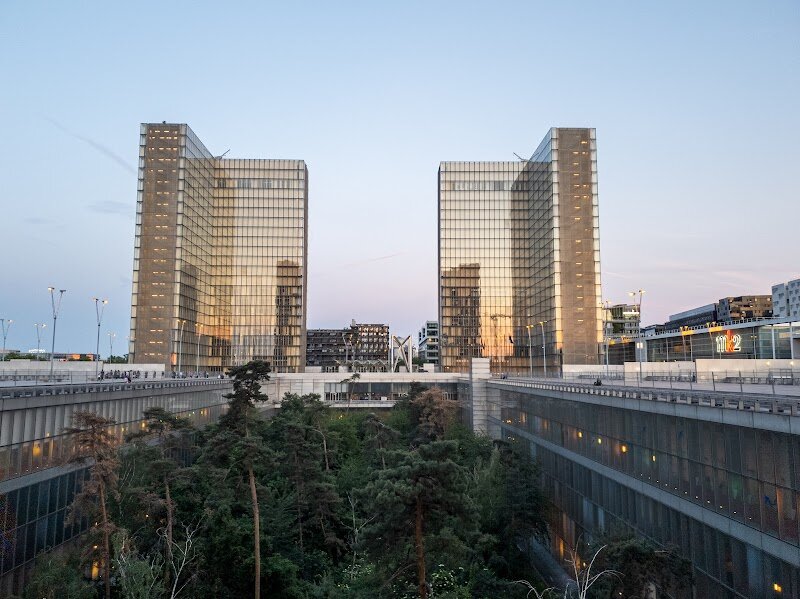
The Bibliothèque François-Mitterrand is a striking modern landmark on Paris’s Left Bank, designed to ignite curiosity in visitors of all ages. Conceived by architect Dominique Perrault in the 1990s, this national library is instantly recognizable by its four towering glass structures—each shaped like an open book—standing at the corners of a vast wooden esplanade. The innovative design was envisioned as a “library for the people,” making the world of knowledge accessible to all, and its bold architecture has sparked lively debate and admiration since its opening in 1996. Families and curious travelers can wander the expansive esplanade, enjoy sweeping views of the Seine, and step inside to discover inviting reading rooms warmed by natural light, colorful carpets, and rich wood accents. The library’s interior is both grand and welcoming, with comfortable spaces for study, exploration, and quiet relaxation. Children and adults alike will marvel at the sheer scale of the collections—millions of books and documents are stored here, with a sophisticated system transporting them between the underground vaults and the reading rooms. Whether you’re a book lover, a history enthusiast, or simply seeking a unique Parisian experience, the Bibliothèque François-Mitterrand offers a blend of architectural wonder, cultural richness, and family-friendly discovery in the heart of the city.

March 1992, and construction workers are pumping concrete 14 meters below the Seine's waterline to create what would become one of the world's most audacious underground book vaults. You're standing on the wooden esplanade of the Bibliothèque François-Mitterrand, where President Mitterrand's wildest architectural dream became reality in 1996. Those four glass towers looming above you were supposed to be completely transparent, showcasing 20 million books like glowing beacons. But there was one problem nobody anticipated - sunlight destroys books. So architect Dominique Perrault had to wrap each tower in wooden screens, creating what locals call "four closed books pretending to be open." The irony wasn't lost on Parisians. As you walk toward the entrance, you're crossing an entire forest worth of Brazilian ipe wood that covers this massive platform. Beneath your feet lies 400 kilometers of bookshelves stretching through basement levels that actually extend under the Seine itself. The central garden you glimpse below was carved out like an inverted pyramid, creating Paris's most exclusive reading room views. This entire quarter of the 13th arrondissement was industrial wasteland before Mitterrand transformed it into intellectual territory. Those towers weren't just built tall for drama - they're lighthouses designed to be visible from across Paris, announcing that books still matter in the digital age.

museum

Louvre Museum

The Louvre Museum in Paris is a treasure trove where art and history come alive for visitors of all ages. Housed in a former royal palace that started as a medieval fortress in the 12th century, the Louvre has transformed over centuries into the world’s most-visited art museum, reflecting the grandeur and evolution of French culture. Families and curious travelers will be enchanted by the museum’s vast collection, which spans from ancient Egyptian relics to Renaissance masterpieces and beyond. Imagine standing before the enigmatic smile of the Mona Lisa, marveling at the graceful Venus de Milo, or tracing the stories told in centuries-old sculptures and paintings. The museum’s galleries invite exploration and discovery, with interactive exhibits and awe-inspiring spaces that spark imagination in both young and old. Beyond its iconic artworks, the Louvre itself is a historical marvel—its very walls tell stories of kings, revolution, and the birth of public art. Whether you’re a seasoned art lover or a first-time visitor, the Louvre promises a journey through time and creativity, making every visit a memorable adventure in the heart of Paris.

Deep beneath your feet lie stone walls of a 12th-century fortress - the original Louvre that King Philip built to fight English invaders! This massive Cour Carrée stretches 160 meters each side - eight school buses lined up end to end. It's the world's most-visited museum with 10 million yearly treasure hunters. Look up at Pavillon Sully's clock tower with its four groups of giant stone caryatids - warriors who've been guarding royal secrets for centuries!

museum

Musée National Picasso-Paris

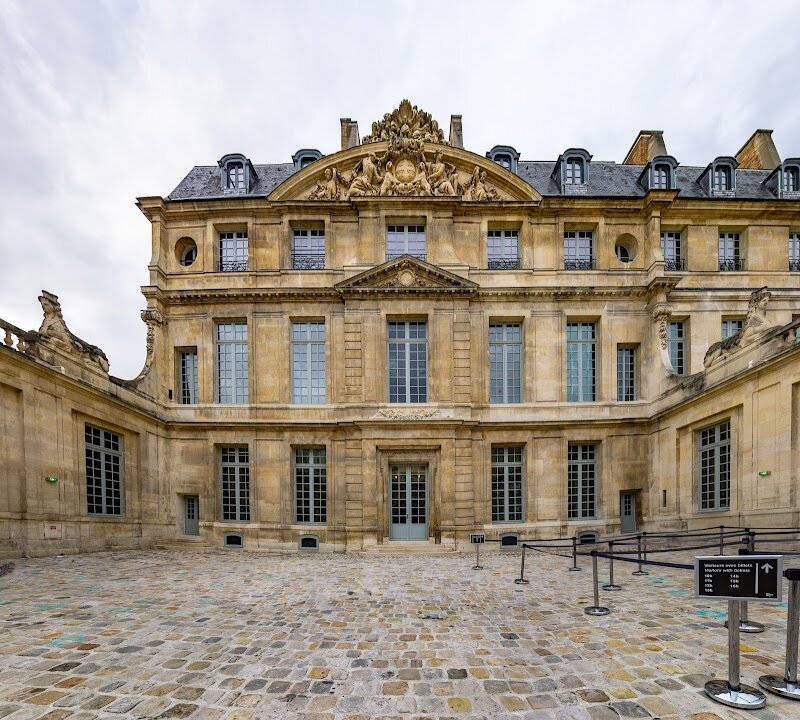
Step inside the enchanting Hôtel Salé and discover the Musée National Picasso-Paris, a treasure trove for families and curious travelers eager to explore the genius of Pablo Picasso. Housed in a stunning 17th-century mansion—often called the most extraordinary of its era—the museum offers a unique blend of historic grandeur and modern creativity. Children and adults alike will marvel at the sweeping staircase, ornate ceilings, and light-filled galleries where over 5,000 works trace every stage of Picasso’s prolific career. What makes this museum truly special is its unrivaled collection: paintings, sculptures, drawings, ceramics, and even Picasso’s own personal art collection, including works by Matisse and Rousseau. Visitors can journey through intimate sketches, bold masterpieces, and ever-changing temporary exhibitions that bring Picasso’s world to life. The museum’s vibrant program includes hands-on workshops and family-friendly activities, making art accessible and engaging for all ages. Whether you’re drawn by the allure of a historic Parisian mansion or the chance to stand before iconic works like "Paul en Arlequin" and "Portrait de Dora Maar," the Musée National Picasso-Paris promises an inspiring, unforgettable experience where creativity knows no bounds.

That massive carved door you're walking through was paid for entirely with salt money. Pierre Aubert de Fontenay, the original owner, made his fortune in the 1650s collecting France's dreaded gabelle - the salt tax that drove people to smuggle basic seasoning like it was gold. He was so proud of his "salty" wealth that locals nicknamed this place the Hôtel Salé, and the name stuck for over 350 years. Here's the crazy part about those 5,000 Picasso artworks inside - the French government got them because Picasso's family literally couldn't afford the inheritance taxes. Instead of cash, they handed over paintings, sculptures, and drawings worth millions. Balzac once studied in these same rooms when it was a school, and the Venetian Embassy operated here for decades. Look up at that grand staircase as you enter - those iron railings and stone carvings survived Simounet's 1980s renovation that tucked a completely modern museum inside this 17th-century shell. It's like finding a spaceship hidden in a palace, and somehow it works perfectly.

museum

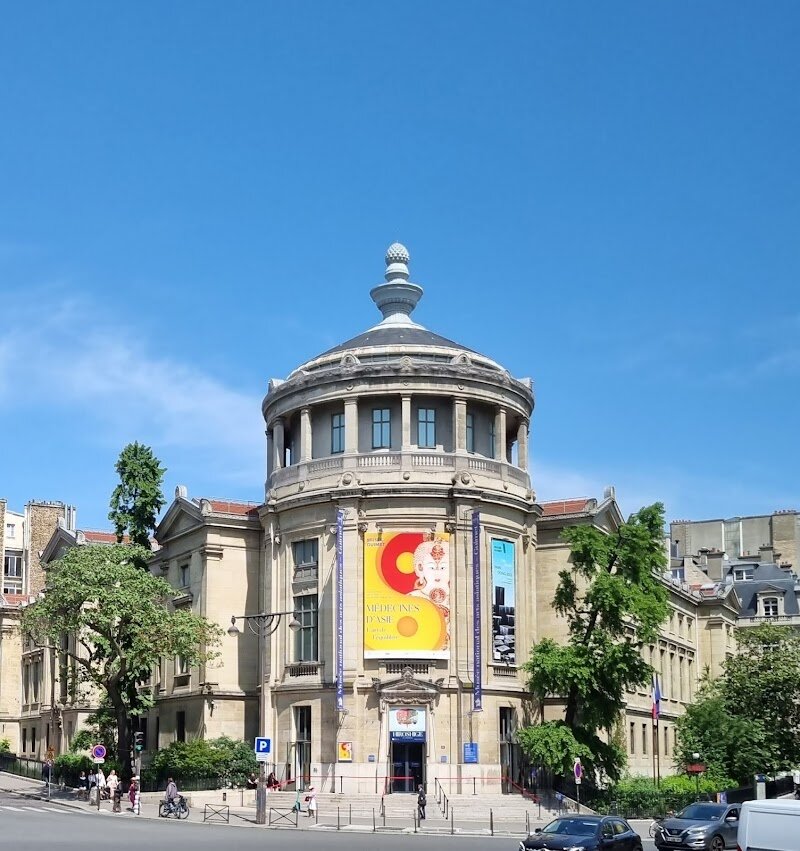
Musée national des arts asiatiques - Guimet

The Musée national des arts asiatiques – Guimet in Paris is a captivating gateway to the wonders of Asia, inviting families and curious travelers to embark on a journey across centuries and civilizations. Founded by the adventurous Émile Guimet, whose passion for discovery led him from Egypt to Japan, the museum opened in Paris in 1889 and has since become one of the world’s premier centers for Asian art and culture. Step inside to explore over 5,000 square meters of luminous galleries, where treasures from China, Japan, India, Korea, Cambodia, and beyond tell the stories of empires, religions, and everyday life. Marvel at exquisite Buddhist statues, delicate porcelain, shimmering textiles, and ancient manuscripts—each piece revealing the rich tapestry of Asian creativity and belief. What makes Guimet truly special is its immersive, family-friendly experience: children and adults alike can wander through serene spaces, discover interactive exhibits, and attend workshops that bring Asian traditions to life. Far more than a museum, Guimet is a place to ignite curiosity, spark conversations, and experience the living heritage of Asia in the heart of Paris.

That fancy neo-classical building you're looking at was born the EXACT same year as the Eiffel Tower... 1889! Émile Guimet built this treasure palace right here on Place d'Iéna to hold his amazing collection from a super cool around-the-world adventure trip. Here's the wild part - he started with Egyptian mummies and Roman stuff, but then did the biggest museum trade EVER with the Louvre, swapping ALL of it for 50,000 Asian treasures! Now you're standing in front of the most complete Asian art museum on planet Earth - that's like having every single Pokemon card from 17 different countries all in one incredible building that's taller than four school buses stacked up!

museum

Petit Palais

The **Petit Palais** in Paris is a jewel of Belle Époque architecture, inviting families and curious travelers alike to step into a world where art and history meet in breathtaking harmony. Built for the 1900 Exposition Universelle, this elegant palace was designed by Charles Girault to celebrate the arts and the city itself, blending the grandeur of a classical palace with innovative late-19th-century engineering. Visitors are greeted by a majestic façade adorned with Ionic columns and intricate sculptures, leading to a light-filled interior that circles a serene garden courtyard—a perfect spot for a family pause or quiet reflection. Inside, you'll discover treasures ranging from ancient artifacts to masterpieces by renowned artists, all displayed beneath ornate ceilings, decorative murals, and stained-glass windows. The museum’s layout encourages exploration, with each gallery revealing new artistic wonders and vibrant mosaics. What truly makes the Petit Palais special is its atmosphere: a blend of opulence and accessibility, where children can marvel at the grand architecture while art lovers lose themselves in centuries of creativity. Whether you’re tracing the history of Parisian art or simply seeking inspiration, the Petit Palais promises a memorable experience for visitors of all ages.

October 1897, and construction crews are racing against time on Avenue Winston Churchill - they have exactly two years to build what will become one of Paris's most deceptive palaces. What looks like centuries-old grandeur was actually assembled in record speed for the 1900 Universal Exhibition, but here's the kicker - while most expo buildings were meant to be temporary, architect Charles Girault designed this beauty to last forever. As you climb these broad steps toward that golden entrance dome, you're approaching the only building in Paris where a single Italian master, Facchina, spent decades hand-laying every single mosaic tile you'll walk on inside. And that floating wrought-iron staircase waiting for you? It defies physics - there's literally no central support holding up that spiral marvel. The real secret though is in the garden courtyard behind you - those ceiling paintings took longer to complete than the entire building took to construct. Twenty-two years of pure artistic obsession, just so locals like us could have the perfect spot for afternoon coffee breaks between Renaissance masterpieces and contemporary exhibitions.

building

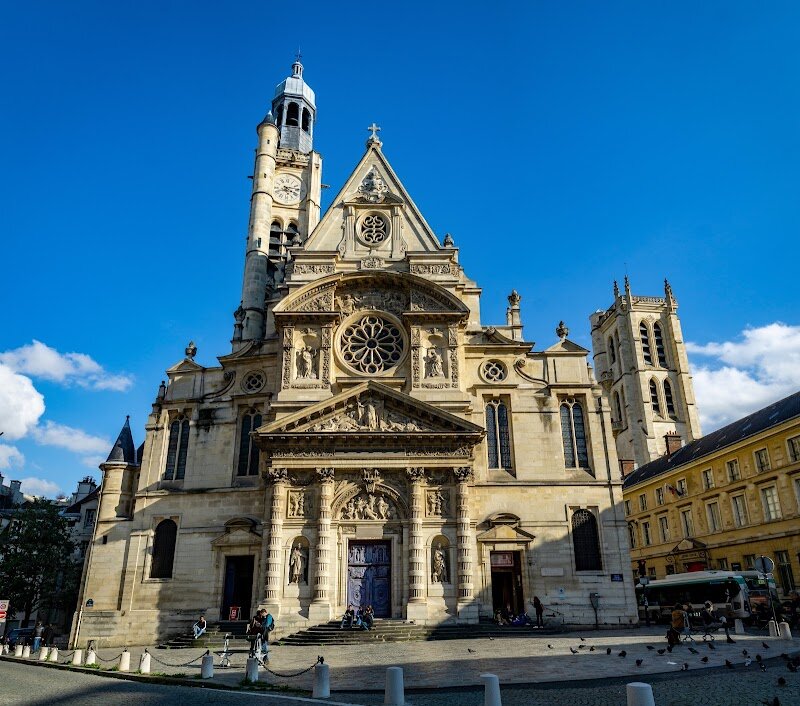
Church of Saint-Étienne-du-Mont

The Church of Saint-Étienne-du-Mont, nestled beside the Panthéon in Paris’s historic Latin Quarter, is a hidden gem that delights families and curious travelers alike with its captivating blend of history, art, and architecture. This remarkable church traces its origins back to the 6th century, when it stood alongside the ancient Abbey of Saint Geneviève, the burial place of Paris’s patron saint and early French royalty. What sets Saint-Étienne-du-Mont apart is its stunning architectural fusion: as you approach, the unique Renaissance façade—unlike anything else in Paris—rises in elegant tiers, crowned by a soaring bell tower and intricate sculptures. Inside, visitors are greeted by a luminous interior where Gothic arches meet Renaissance ornamentation, and sunlight filters through exquisite stained glass windows from the 16th and 17th centuries. Families will marvel at the church’s rare rood screen—the only one left in Paris—and can seek out the shrine of Sainte-Geneviève or the tombs of famed writers Pascal and Racine. Whether you’re drawn by centuries-old legends or breathtaking artistry, Saint-Étienne-du-Mont offers a journey through layers of French history and Parisian charm.

Stone masons are STILL finding medieval foundations beneath your feet, remnants of the sixth-century chapel that once housed Saint Geneviève's tomb before this extraordinary church rose above it. Standing before this façade on Place Sainte-Geneviève, you're witnessing something remarkable... a building that took 134 years to complete, from 1492 to 1623, creating Paris's most unusual architectural love affair between Gothic passion and Renaissance elegance. Notice how the church leans slightly leftward... the medieval builders simply followed the sloping ground rather than fight it. Step inside, and prepare for a shock. That breathtaking stone bridge spanning the nave? It's called a rood screen, and it's the ONLY one surviving in all of Paris. While other churches destroyed theirs centuries ago, this delicate masterpiece of spiral staircases and stone lacework defied time itself. The 1631 organ behind you remains Paris's oldest, still singing after four centuries. And in that shrine to your right rest the relics of Saint Geneviève... the shepherdess who became Paris's eternal protector, her spirit watching over this city for fifteen hundred years.

building

Cité Internationale Universitaire de Paris

Nestled in a lush, 34-hectare park in southern Paris, the **Cité Internationale Universitaire de Paris** is far more than a student residence—it’s a living tapestry of global culture and architectural ingenuity. Created after World War I to foster peace and international understanding, this “garden city” brings together striking pavilions, each representing a different country, designed by renowned architects including Le Corbusier. Families and curious travelers will find themselves immersed in an open-air museum where Art Deco, Brutalism, and modern ecological designs coexist, reflecting nearly a century of creative ambition. Stroll the serene pathways to discover historic gems like the Swiss Pavilion, a modernist icon suspended above its gardens, or the vibrant Maison du Brésil, adorned with polychrome loggias and undulating glass panels. Each residence tells a story, not only of design but of the students from around the world who call it home. Visitors can enjoy tranquil green spaces, striking architecture, and a palpable sense of international camaraderie—a unique blend that makes the Cité Internationale Universitaire de Paris an inspiring destination for all ages.

Nineteen meters beneath your feet, massive concrete pillars pierce through ancient quarry stone, holding up one of architecture's most daring experiments. You're standing before the Swiss Pavilion, where in 1933, a young architect named Charles-Edouard Jeanneret - better known as Le Corbusier - quite literally suspended an entire building in midair above this former limestone quarry. This 34-hectare wonderland of international student residences wasn't always the peaceful garden city you see today. After the devastating losses of World War One, visionaries imagined a place where future leaders could live side by side, preventing another catastrophe through friendship. What they created became the world's most ambitious architectural laboratory, where masters like Jacques-Émile Ruhlmann and Jean Perzel competed to design the perfect student room for just 3,300 francs. Look closely at that floating building ahead of you - its ground floor hovers freely above the earth, supported by those invisible pillars. Le Corbusier called this his "five points of modern architecture," but what he really created was a prototype for every apartment block you've ever seen. Those ribbon windows wrapping around the facade? Revolutionary in 1933. The way the structure seems to defy gravity? Pure theatrical genius from a man who understood that buildings should make your heart race. As you walk these paths, you're crossing ground where 40 different nations built homes away from home, each pavilion telling its own architectural story in this extraordinary United Nations of student life.

building

Église Saint-Sulpice

Église Saint-Sulpice, nestled in the lively heart of Paris’s 6th arrondissement, is a treasure for families and curious travelers eager to step into centuries of history and artistry. As the city’s second-largest church after Notre-Dame, its majestic facade—marked by grand colonnades and two famously mismatched towers—immediately captures the imagination, telling a story of evolving architectural styles and the ambitions of six architects over more than a century. Inside, sunlight streams through vast arched windows, illuminating a serene space where history whispers from every corner. Children and adults alike will be fascinated by the church’s monumental organ, one of the world’s largest, which still fills the nave with music during concerts and services. Art lovers can marvel at dramatic murals by Eugène Delacroix in the Chapelle des Anges, while keen-eyed visitors might spot the faint inscription above the entrance—a relic from the French Revolution when the church was transformed into a “Temple of Victory”. Whether you’re tracing the steps of literary legends or simply enjoying the peaceful ambiance, Saint-Sulpice offers a captivating blend of Parisian heritage, artistic wonder, and family-friendly discovery.

This church has been under construction for nearly 400 years... and still isn't finished. Look up at those two towers flanking the baroque facade before you - they're completely different heights, and that's not by accident. The south tower stands a full five meters shorter than its northern twin, abandoned mid-construction when funds ran dry in 1780. When Anne of Austria laid the foundation stone here in 1646, she couldn't have imagined the architectural marathon ahead. Six different architects would wrestle with this project over 224 years, creating what you see today - the second-tallest church in all of Paris at 120 meters, topped only by Notre-Dame itself. Step inside and discover Eugène Delacroix's masterful frescoes in the Chapel of the Holy Angels, painted when he was already famous for "Liberty Leading the People." But here's what most visitors miss - that brass line running across the floor isn't decoration, it's a gnomon, an astronomical instrument that helped establish the precise timing of Easter for centuries. During the Revolution, this sacred space became the "Temple of Victory," and if you look carefully at the entrance lintel, you can still make out the faded revolutionary inscription proclaiming France's recognition of the Supreme Being.

landmark

Palais de Chaillot

Perched high on Trocadéro Hill, the **Palais de Chaillot** is a Parisian treasure that delights families and curious travelers alike with its blend of history, culture, and breathtaking views. Built in 1937 for the International Exhibition of Arts and Techniques, this striking Art Deco masterpiece replaced the earlier Moorish-inspired Trocadéro Palace and quickly became a symbol of modern Paris. Its two grand, curving wings frame the **Esplanade des Droits de l’Homme**, where the United Nations adopted the Universal Declaration of Human Rights in 1948—a moment that echoes through the inspiring sculptures and inscriptions found throughout the site. What truly sets the Palais de Chaillot apart is its unrivaled **panorama of the Eiffel Tower**, making it a favorite spot for family photos and picnics. Inside, visitors can explore fascinating museums: discover the wonders of humanity at the **Musée de l’Homme**, dive into maritime history at the **Musée National de la Marine**, or marvel at architectural feats in the **Cité de l’Architecture et du Patrimoine**. The surrounding **Trocadéro Gardens**, dotted with fountains and statues, invite playful exploration. Whether you’re seeking a lesson in world history, a cultural adventure, or simply the best view in Paris, the Palais de Chaillot promises a memorable experience for all ages.

Napoleon flattened an entire hill here in 1810 to build a palace for his son that never got built. What you're looking at instead is the 1937 Palais de Chaillot, rising from that same leveled ground on Place du Trocadéro in the 16th arrondissement. The architects literally built around the bones of an older palace... those two curved wings? They're actually the 1878 Trocadéro Palace wrapped in brand new Art Deco facades by Boileau, Carlu, and Azéma. They demolished the central towers but kept the basement, creating this perfect open terrace for your Eiffel Tower views. Inside those wings, you'll find some of Paris's most overlooked treasures. The Naval Museum houses a five-meter royal ship model with 124 cannons, while the Architecture Museum displays full-scale cathedral portals you can walk through. But here's the kicker... in 1948, the UN adopted the Universal Declaration of Human Rights right here in these halls. Pretty incredible legacy for a building that literally rose from Napoleon's abandoned dreams, wouldn't you say?

museum

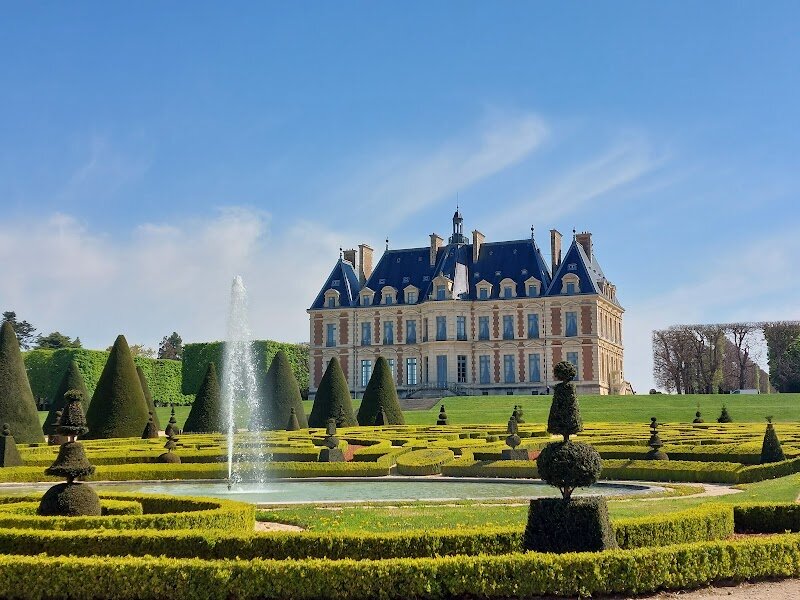
Domaine de Sceaux, parc et musée départementaux

Domaine de Sceaux, nestled just south of Paris, is a treasure trove of history and beauty, perfect for families and curious travelers alike. Originally created in the 17th century for Jean-Baptiste Colbert, Louis XIV’s influential finance minister, the estate features a stunning château designed in the Louis XIII style and surrounded by breathtaking gardens crafted by the legendary André Le Nôtre. Wander through formal terraces, grand canals, and tree-lined allées that recall the opulence of royal France. Children will love exploring the vast lawns and discovering hidden architectural gems like the Pavillon de l’Aurore, with its magnificent domed ceiling painted by Charles Le Brun. Inside the château, the Musée de l’Île-de-France delights visitors with vibrant art from the School of Paris and fascinating exhibits on local history. The park is not just a feast for the eyes; it’s alive with stories of lavish 18th-century fêtes, artistic salons, and centuries of transformation. Seasonal exhibitions and cultural events add new reasons to return year after year. Whether you’re picnicking by the grand canal or immersing yourself in French heritage, Domaine de Sceaux promises a day of discovery and delight for all ages.

That brick and stone château you're looking at isn't the original masterpiece at all... it's actually the THIRD building to stand on this exact spot on Avenue Claude Perrault. Jean-Baptiste Colbert, Louis XIV's finance minister, built the first magnificent palace here in 1670, but the French Revolution wiped it off the map completely. What you see now was constructed between 1856 and 1862 for the Duke and Duchess of Trévise. But here's what'll blow your mind... this 180-hectare domain once hosted the most legendary parties in French history. The Duchess of Maine threw sixteen epic all-night festivities called the "Grandes Nuits" in 1714 and 1715, happening every two weeks with France's finest musicians. A young Voltaire himself attended these soirées that made Sceaux THE cultural hotspot of the Enlightenment. As you enter the château, you're walking into a museum housing 80,000 photographs and 9,500 engravings... one of France's largest collections documenting Parisian life from Louis XIV to Napoleon III.

building

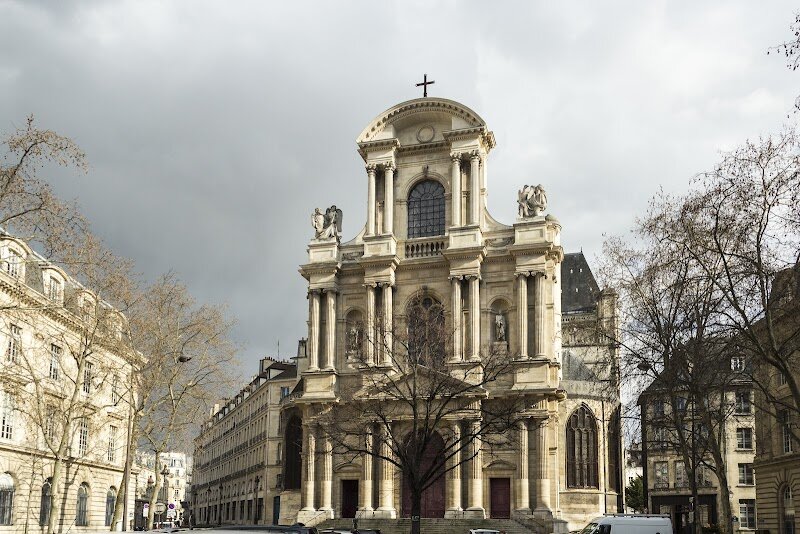
Church of Saint-Gervais

The Church of Saint-Gervais-Saint-Protais in Paris is a hidden gem that invites families and curious travelers to step into centuries of history and artistry. Nestled in the heart of the Marais, this church showcases the evolution of French architecture: its striking three-level Baroque façade—the first of its kind in Paris—features graceful Doric, Ionic, and Corinthian columns, a masterpiece designed by Salomon de Brosse that set the standard for churches across France. Inside, visitors are greeted by a soaring Gothic nave, bathed in colorful light from Renaissance stained glass windows, some dating back to the 16th century. The Chapel of the Virgin is a highlight, adorned with intricate stained glass and 19th-century paintings that captivate children and adults alike. Music lovers will be enchanted by the magnificent organ, one of the oldest in Paris, which has hosted legendary composers such as François Couperin and continues to fill the church with sacred music. As you explore, look for playful carvings of everyday life on ancient choir stalls and marvel at the blend of medieval, Renaissance, and classical styles. Whether you’re seeking history, art, or a moment of peace, Saint-Gervais-Saint-Protais offers a rich and welcoming experience for all ages.

163 years. That's how long it took to finish this church behind you on Rue des Barres, making it a living timeline of French architecture from Gothic to Baroque. You're standing before the first classical church facade ever built in Paris – those three tiers of columns represent the Doric, Ionic, and Corinthian orders that young King Louis XIII himself blessed when he placed the foundation stone in 1616. But here's what's wild: this stunning facade hides a completely Gothic interior with a 25-meter-high nave. Walk inside and you'll discover one of Paris's oldest working organs from 1601, where the legendary Couperin musical dynasty served as organists for generations. The church sits on the ancient Monceau Saint-Gervais hill, built high to escape Seine floods that once regularly swamped this riverside neighborhood where medieval boatmen and fishermen prayed for safe passage.

museum

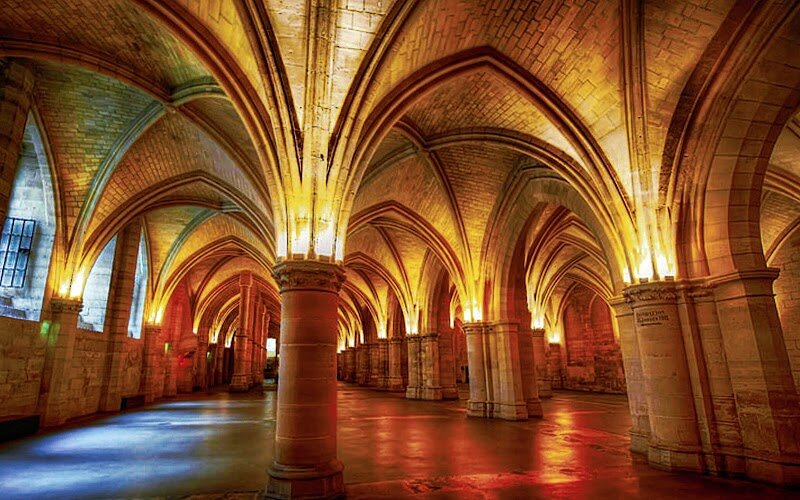
Conciergerie

Step inside the Conciergerie and journey through the heart of Parisian history, where kings once ruled and revolutionaries awaited their fate. Perched on the scenic Île de la Cité in the Seine, this majestic monument began as a royal palace in the 6th century, hosting France’s earliest monarchs and witnessing the city’s transformation through the ages. Its soaring Gothic halls and fortress-like towers still echo with stories—from lavish medieval banquets to the chilling days of the French Revolution. Families and curious travelers will be captivated by the dramatic contrasts within these ancient walls. Marvel at the grand Salle des Gens d’Armes, one of Europe’s largest medieval halls, and imagine the royal ceremonies that once unfolded here. Walk the somber corridors of the former prison, where Marie-Antoinette spent her final days, and explore her reconstructed cell—a poignant window into the past. Interactive exhibits and evocative displays bring to life the Conciergerie’s dual legacy as both palace and prison. Whether you’re drawn by its architectural splendor or the gripping tales of its famous prisoners, the Conciergerie invites visitors of all ages to step into the pages of history and experience the drama and intrigue that shaped France.

Seventy-six days. That's how long Marie Antoinette spent in her cell beneath your feet before her date with the guillotine! You're standing above Europe's BIGGEST medieval indoor room - imagine three school gyms stacked together with stone arches tall enough for giraffes standing on giraffes. This 1,400-year-old fortress sits on the same spot where Romans built their first Paris fortress. See that tall tower? It held the city's very FIRST public clock in 1370!

building

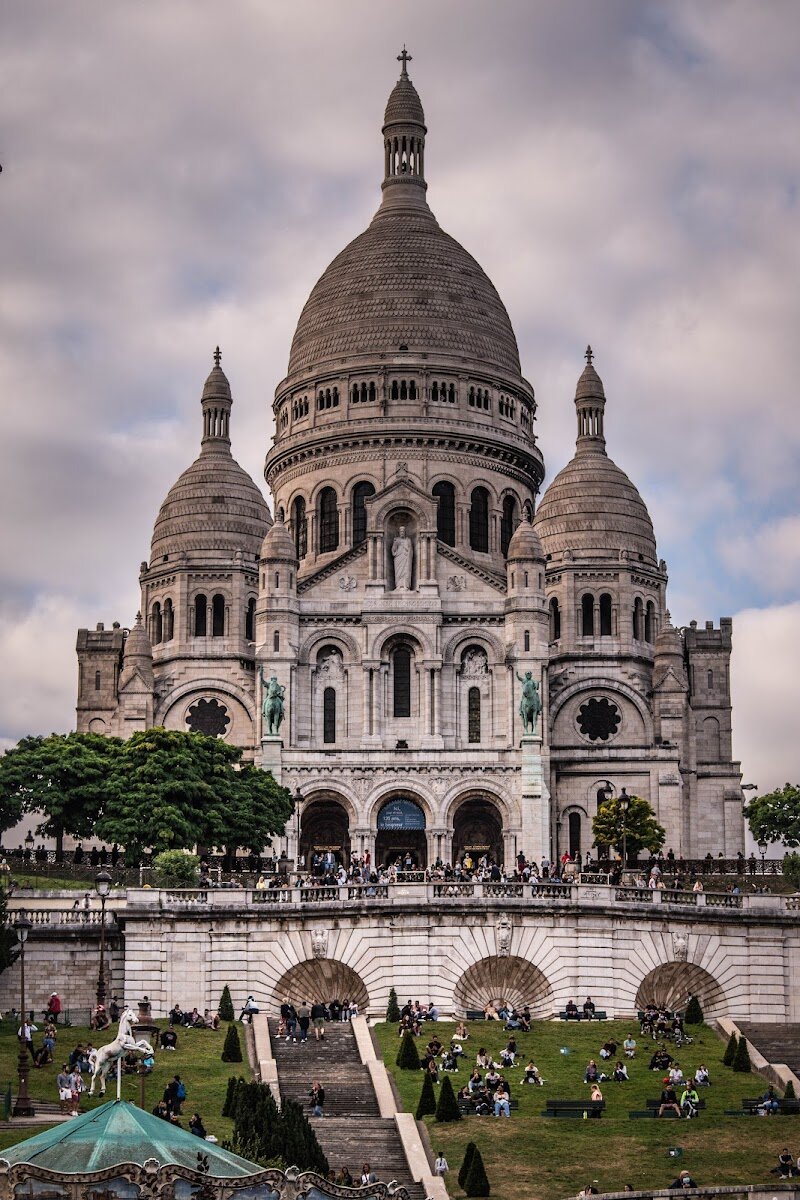
Basilique du Sacré-Cœur de Montmartre

The Basilique du Sacré-Cœur de Montmartre is one of Paris’s most enchanting landmarks, inviting families and curious travelers to discover its breathtaking beauty and rich history. Perched atop Montmartre hill—the city’s highest point—the basilica’s gleaming white domes are visible from across Paris, offering visitors panoramic views that captivate both young and old. Built after the turmoil of the Franco-Prussian War and the Paris Commune, Sacré-Cœur was envisioned as a symbol of hope, unity, and national renewal. Its striking Romano-Byzantine architecture sets it apart from other Parisian churches, while the interior boasts one of France’s largest mosaics, depicting Christ in Majesty, and a tradition of perpetual adoration that gives the space a sense of peace and wonder. Families can explore the legendary story of Saint Denis, the patron saint of Paris, said to have been martyred on this very hill. The surrounding Montmartre neighborhood, once a village of windmills and artists like Van Gogh and Picasso, adds a lively, creative spirit to your visit. Whether you’re marveling at the basilica’s soaring ceilings, listening to music in its echoing dome, or simply soaking in the sweeping cityscape, Sacré-Cœur promises an inspiring experience for all ages.

Every single second for 140 years, prayers echo inside this massive white dome towering above you! You're standing exactly where Saint Denis got his head chopped off way back in 250 AD, then picked it up and walked six whole miles while still preaching - talk about determination! Inside waits France's biggest bell weighing as much as twelve school buses stacked together! Your mission: find Saint Peter's foot that's been worn completely smooth by millions of kisses from visitors just like you!

building

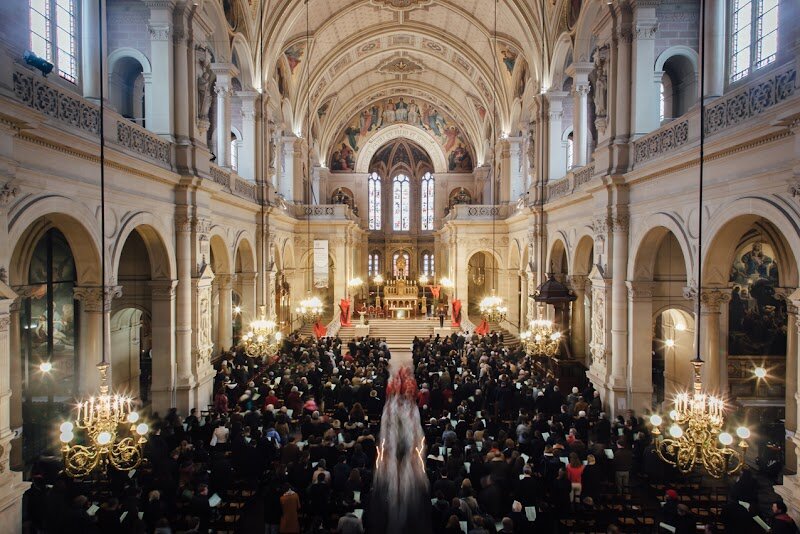
Eglise de la Sainte Trinité

Eglise de la Sainte Trinité, nestled in Paris’s vibrant 9th arrondissement, is a breathtaking blend of history, art, and architectural wonder—perfect for families and inquisitive travelers. Built between 1861 and 1867 during the city’s dramatic transformation under Napoleon III, this grand church was designed by Théodore Ballu, who infused it with a striking mix of Italian and French Renaissance styles. Its impressive façade, adorned with statues representing the cardinal virtues and the Holy Trinity, welcomes visitors into a vast, light-filled interior where soaring ceilings and radiant stained glass create an atmosphere both majestic and inviting. Inside, families can marvel at intricate sculptures, colorful murals, and chapels lined with 19th-century paintings, while music lovers may be drawn to the church’s world-famous Cavaillé-Coll organ, still the centerpiece of regular concerts and recitals today. The church’s rich history includes moments as a hospital during the Franco-Prussian War and as the site of composer Hector Berlioz’s funeral. Whether you’re exploring with children or seeking inspiration, Sainte Trinité offers a unique journey through Parisian heritage, spirituality, and artistry—all beneath its iconic 65-meter bell tower.

Workers are STILL finding secret messages carved inside these walls from 164 years ago! This giant church is like a puzzle made of THREES - count them as we explore! See those three fountains out front? They match the three angels carved up high, representing Faith, Hope, and Charity. This whole building is basically three school buses long and weighs more than 500 elephants! Before this stood here, there were TWO smaller churches that kept getting too tiny for all the people. The coolest part? This church has TWO massive pipe organs - that's like having twin musical monsters hiding in the walls! Look up at that dome... it's taller than a twenty-story building and took six whole years to finish. The architect Théodore Ballu designed it to be Napoleon III's showpiece, and boy did he succeed! Can you spot all the number threes hidden everywhere?

museum

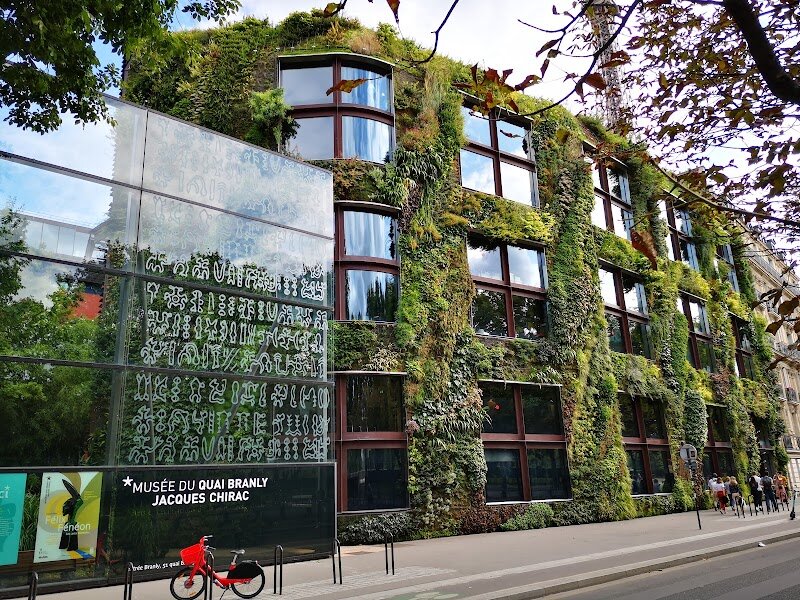
Musée du quai Branly - Jacques Chirac

Step into a world of wonder at the Musée du quai Branly – Jacques Chirac, a striking museum nestled near the Eiffel Tower that celebrates the vibrant arts and cultures of Africa, Asia, Oceania, and the Americas. Opened in 2006, this architectural marvel by Jean Nouvel is instantly recognizable for its lush plant wall and sweeping, garden-like grounds—a perfect invitation for families and curious travelers to explore together. What truly sets this museum apart is its mission: inspired by President Jacques Chirac’s vision, it gives long-overdue recognition to non-European civilizations, fostering dialogue and appreciation for the dazzling diversity of human creativity. Inside, visitors can marvel at thousands of artifacts, from intricate masks and textiles to rare musical instruments, displayed in immersive, family-friendly galleries. Interactive exhibits, storytelling sessions, and hands-on workshops make it engaging for all ages. Beyond its treasures, the museum offers a journey through history—shedding light on global connections, cultural exchange, and the ways different societies have shaped our world. Whether you’re an art lover, a history buff, or seeking a memorable family outing, the Musée du quai Branly promises discovery and inspiration at every turn.

That curved copper facade you're looking at holds exactly 3,500 artifacts at any moment... but there are 370,000 more waiting their turn in the vaults below your feet. Jean Nouvel designed this place in 1999 to literally defy Western architectural traditions, creating what locals call the "museum that floats" because of how it seems to hover above the garden on those massive pillars. Here's what most visitors miss - this building sits where old colonial exhibition halls once stood, which makes the irony pretty perfect since Jacques Chirac built this specifically to give non-Western art equal footing with the Louvre. The real kicker? When they named it after the quay in 2006, everyone knew they'd eventually add "Jacques Chirac" to avoid controversy... took them exactly ten years to make it official in 2016. Step inside and you'll walk through what feels like a giant wooden cave - that's intentional, representing the diversity of the 77,000 pieces acquired since opening.

building

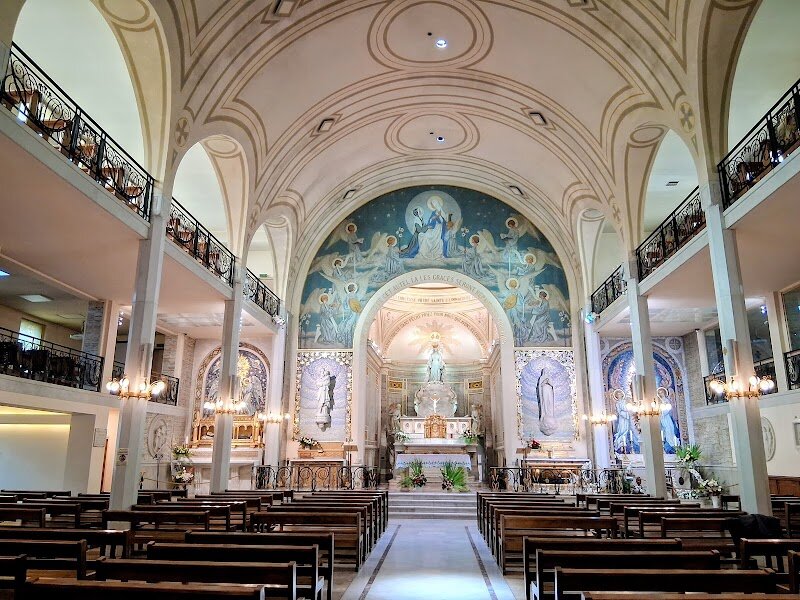
Chapel of Our Lady of the Miraculous Medal

Step into the Chapel of Our Lady of the Miraculous Medal in Paris, a place where history, faith, and wonder intertwine. Nestled in the heart of the city, this serene sanctuary is famed as the site of the 1830 apparitions, when the Virgin Mary appeared to young Sister Catherine Labouré and entrusted her with a message that would resonate around the world. Here, families and curious travelers alike can immerse themselves in the story behind the iconic Miraculous Medal—a symbol of hope, protection, and grace that has inspired millions. The chapel itself, built in 1815, radiates a peaceful charm, inviting visitors to pause and reflect. As you walk its aisles, you’ll see the very chair where Mary is said to have sat, a cherished relic believed to have played a part in miracles over the years. Marvel at the intricate symbolism of the medal, from the Virgin standing on a serpent to the twelve stars above—each detail rich with meaning and legend. Whether you come seeking spiritual connection or simply a captivating tale from Parisian history, the Chapel of Our Lady of the Miraculous Medal offers a moving experience that lingers long after your visit.

The year is 1830, and right here at 140 Rue du Bac, a 24-year-old nun named Catherine is having the most incredible conversation ever... with the Virgin Mary herself! This tiny chapel started as someone's fancy mansion before becoming one of only SEVEN places in the entire world where the Vatican says Mary actually appeared. But here's the wild part - when a deadly cholera disease killed over 20,000 people in Paris just two years later, the special medals Catherine designed from her vision were handed out to sick patients, and the epidemic mysteriously disappeared! By the time Catherine died, over ONE BILLION of these "Miraculous Medals" had spread across the planet - that's more medals than there are people in Europe today! And guess what? Catherine's body is still perfectly preserved in a glass case right inside, looking exactly like she's just taking a nap after 150 years. As you step through that simple doorway, you're entering the exact spot where heaven supposedly touched earth in the heart of Paris!

museum

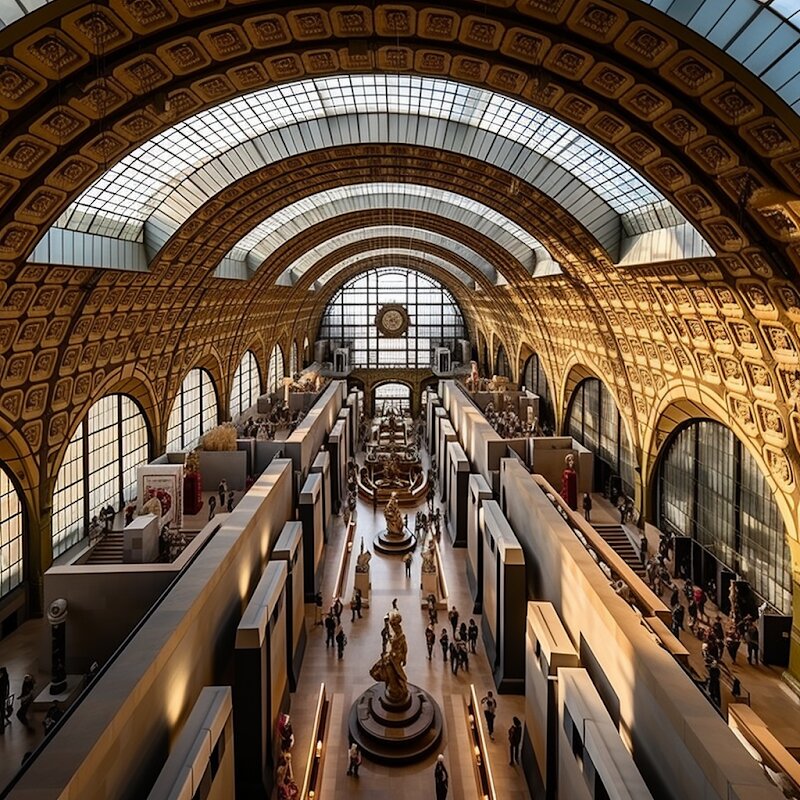
Musée d'Orsay

Set in a stunning former railway station on the banks of the Seine, the **Musée d'Orsay** invites families and curious travelers to step into the vibrant world of 19th and early 20th-century art. Once the grand Gare d'Orsay, built for the 1900 Paris Exposition, this Beaux-Arts masterpiece now dazzles visitors with its soaring glass roof and iconic clock, blending history and artistry in every detail. Inside, you'll find the world’s finest collection of **Impressionist and Post-Impressionist masterpieces**, featuring beloved works by Monet, Van Gogh, Degas, and Renoir. The museum’s galleries, spread beneath the preserved train platforms and barrel-vaulted ceiling, offer a journey through painting, sculpture, photography, and decorative arts from 1848 to 1914. Children and adults alike will be captivated by the colorful canvases, whimsical sculptures, and interactive exhibits that bring this dynamic era to life. Beyond the art, the building itself tells a story—of innovation, transformation, and the pulse of Paris as it evolved into a modern city. Whether you’re an art lover or a first-time visitor, the Musée d'Orsay promises inspiration and discovery around every corner.

Every three minutes, another visitor discovers the 550-volt third rail still running beneath your feet in this tunnel that once connected trains directly from Orleans to central Paris. The massive stone façade you're admiring right now was Victor Laloux's brilliant deception... he designed what looks like an elegant palace to hide the most technologically advanced railway station in Europe back in 1900. You're standing where the Palais d'Orsay once stood until angry Parisians burned it down during the 1871 Commune. Laloux rebuilt this entire structure in just two years, creating what critics called an "anachronism" because everyone expected a futuristic-looking train station, not this limestone masterpiece that perfectly matched the Louvre across the river. Look closely at those three giant stone figures above you... they represent the railway destinations of Bordeaux, Toulon, and Nantes, carved when this was the terminus for southwestern France. The real shocker? This building housed a 370-room luxury hotel called Hotel Palais d'Orsay along its western side, and General de Gaulle actually announced his return to power from inside these walls. When the platforms became too short for modern trains in 1939, Orson Welles used the abandoned station as a film set for Kafka's "The Trial". The French nearly demolished the whole thing for a hotel complex until François Mitterrand saved it, transforming this architectural time capsule into the museum that now welcomes over three million visitors annually.

landmark

Palais Garnier

Palais Garnier, the legendary Paris Opera House, is a dazzling blend of history, artistry, and architectural wonder that enchants visitors of all ages. Commissioned by Emperor Napoleon III and completed in 1875, this opulent masterpiece by the young architect Charles Garnier stands as a symbol of Paris’s Second Empire splendor. Its iconic façade, adorned with gold leaf and elaborate sculptures, hints at the treasures within: sweeping marble staircases, shimmering chandeliers, and a grand auditorium crowned by Marc Chagall’s vibrant ceiling. Families and curious travelers will be captivated by the building’s theatrical flair, where every corridor and gilded hall tells stories of emperors, ballerinas, and legendary performances. Children will delight in the sense of mystery—did you know there’s even a subterranean lake beneath the building? Wandering through the Palais Garnier, you can imagine the glamorous audiences of the past, explore the grand foyers, and marvel at the artistry that inspired tales like “The Phantom of the Opera.” Whether you’re an opera lover or simply seeking Parisian magic, the Palais Garnier offers a spectacular journey through art, history, and imagination in the very heart of the city.

Seven inches above your head hangs a secret ceiling that no visitor has seen in sixty years. When Marc Chagall painted his magnificent 240-square-meter masterpiece in 1964, he didn't replace the original Victorian ceiling... he simply covered it, creating Paris's most beautiful hidden treasure. Standing here at Place de l'Opéra, you're gazing at Europe's largest opera house, a monument born from Napoleon III's imperial dreams. On September 29th, 1860, the Emperor ordered this grand replacement for a cramped theater, launching a competition that attracted 171 architects. Young Charles Garnier won with designs so boldly eclectic that when Empress Eugénie demanded to know the style, he declared with theatrical flair, "Madame, this is Napoleon III!" As you approach those baroque golden facades, imagine the construction chaos beneath your feet. Garnier's workers discovered an underground lake that nearly drowned the project... literally. They spent months draining it, creating the cistern that inspired Gaston Leroux's famous Phantom lake in 1910. Step inside past those marble columns, and you'll ascend the grand double staircase where 73 sculptors and 14 painters once labored for fourteen years. Above, Chagall's ceiling celebrates Bizet, Verdi, Beethoven, and Gluck in swirling colors... while the ghost ceiling of 1872 waits patiently in the shadows, holding its own secrets of Second Empire splendor.

landmark

Cimetière de Montmartre

Cimetière de Montmartre is a hidden gem in the heart of Paris, inviting families and curious travelers to explore a peaceful oasis steeped in history and artistry. Opened in 1825 atop the site of an old gypsum quarry, this cemetery is more than a resting place—it’s a storybook of Parisian culture and creativity. As you wander its tree-lined paths, you’ll discover grand mausoleums, delicate statues, and the graves of luminaries like painter Edgar Degas, novelist Alexandre Dumas, and the legendary can-can dancer Louise Weber. What makes Montmartre Cemetery truly special is its unique blend of serenity and inspiration. The grounds are alive with the tales of artists, writers, and revolutionaries who shaped Paris, offering an engaging way for families to connect with the city’s vibrant past. Children may be delighted to spot the friendly stray cats that have made the cemetery their home, while adults can appreciate the fascinating mix of architectural styles and the tranquil atmosphere away from busy streets. A stroll here is like stepping into a living museum—perfect for those seeking a quiet adventure, a dose of history, and a touch of Parisian magic all in one memorable visit.

Fifty stray cats prowl these pathways at dawn, descendants of generations who've made their homes among the tombs where France's most celebrated artists sleep beneath your feet. You're standing at the entrance to Cimetière de Montmartre on Avenue Rachel, but what makes this cemetery truly extraordinary isn't visible from street level... because you're about to descend into an abandoned gypsum quarry that once built half of Paris. When this cemetery opened on January first, 1825, it was literally carved from the bowels of Montmartre hill. Those limestone walls around you? They're the original quarry faces where medieval workers extracted the very stone that became Notre-Dame and the Louvre. But during the Revolution, this hollow became something far more sinister... a mass grave for guillotine victims. As you walk these cobbled paths, you're treading above Charles Henri Sanson, the royal executioner who personally beheaded Louis the Sixteenth and an estimated three thousand others. The bridge rumbling overhead is Rue Caulaincourt, making this the only cemetery in Paris where traffic literally drives over the dead. Look for the melancholy jester statue... it marks where Vaslav Nijinsky rests, forever frozen as Petrushka, the tragic puppet from his most famous ballet. And here's a secret that would make Émile Zola smile: though his body was moved to the Panthéon in 1908, his name still adorns the family tomb, a literary ghost haunting his former resting place among the eight hundred trees that shelter twenty thousand souls in France's third-largest necropolis.

building

Saint-Eustache Church

Step inside **Saint-Eustache Church** in Paris and discover a hidden gem that blends centuries of history, breathtaking architecture, and a vibrant community spirit. Located in the lively Les Halles district—once the heart of Paris’s bustling food market—Saint-Eustache is a masterpiece where **Gothic grandeur meets Renaissance elegance**. Families and curious travelers will be captivated by its soaring vaults, intricate stained-glass windows, and a sense of wonder that fills every corner. The church’s story stretches back to the 13th century, growing from a humble chapel into one of Paris’s largest and most beautiful sanctuaries. Over the years, it has welcomed kings, composers, and playwrights: **Louis XIV’s first Communion, Mozart’s mother’s funeral, and Molière’s wedding** all took place here. Kids and adults alike will be fascinated by tales of Saint Eustace, the Roman general-turned-martyr whose name the church bears. Inside, visitors can marvel at the **largest pipe organ in France**, often brought to life in stirring concerts, and explore chapels adorned with art by masters like Rubens. Whether you come to admire the architecture, soak in the music, or spark young imaginations with stories from the past, Saint-Eustache offers an unforgettable Parisian experience for all ages.

That imposing bell in the left tower was forged from the metal of four water pumps that once operated beneath the Pont-Neuf... a rather unusual birth for church bronze that weighs exactly 200 kilograms. You're standing before Saint-Eustache, the second largest church in Paris, where 105 years of construction created something extraordinary between 1532 and 1637. This Gothic giant rose from humble beginnings in 1213, when a fish merchant named Jean Alais built a tiny chapel here using profits from taxing fish baskets at the bustling Les Halles market that surrounded you. As you approach that magnificent Renaissance facade, notice how it seamlessly masks the Gothic skeleton within... a architectural sleight of hand that fooled even 19th century restorers who rebuilt it identically in 1854. Step inside and you'll discover France's largest organ towering above you... eight thousand pipes that have echoed with performances by Berlioz and Liszt. Look carefully in the side chapels and you'll spot something no other French church dares display... a bronze triptych by Keith Haring, bringing street art into sacred space. This is where Louis XIV took his first communion, where Molière married his beloved, and where Mozart chose to bid farewell to his mother.

museum

Grand Palais

Step beneath the soaring glass roof of the **Grand Palais** and discover a Parisian icon where history, art, and imagination come alive for visitors of all ages. Built for the dazzling 1900 Universal Exposition, this architectural marvel blends the grandeur of Classical stone facades with the swirling ironwork of Art Nouveau, crowned by an immense glass vault—the largest in Europe—that bathes its vast nave in natural light. Families and curious travelers will be captivated by the Grand Palais's unique character: not only is it a masterpiece of design, but it’s also a vibrant hub for culture and creativity. Explore spectacular art exhibitions in the Galeries Nationales, spark young minds at the interactive science museum in the Palais de la Découverte, or marvel at the ever-changing array of events beneath the glass dome—from fashion shows to sporting competitions. Every visit is a journey through time: imagine the excitement of world’s fairs, the glamour of historic gatherings, and the ongoing renewal of this beloved monument. Whether you’re an art lover, a science enthusiast, or simply seeking inspiration, the Grand Palais promises unforgettable experiences for the whole family in the very heart of Paris.

This building is held together by an architectural divorce. The Grand Palais isn't the work of one genius architect, but four rivals who literally couldn't be separated after a 1896 competition, so officials just... hired them all. Henri Deglane, Albert Louvet, Albert Thomas, and Charles Girault were forced into what one expert calls an "integrated trigamy," each designing different sections that somehow had to work together. Standing here between the Champs-Élysées and the Seine, you're looking at 9,000 tons of steel and glass - more metal than the Eiffel Tower uses. That soaring glass roof stretching 240 meters above you started cracking almost immediately after the 1900 Universal Exhibition opened, thanks to the ground literally sinking beneath it. The builders knew the water table was dropping but couldn't delay construction, so they just... crossed their fingers. See those bronze chariots crowning each wing? The one facing the Champs-Élysées shows Immortality defeating Time, while the Seine-side depicts Harmony conquering Discord - pretty ironic for a building born from architectural rivalry, right? When a glass panel finally crashed down in 1993, this place stayed closed for fourteen years. But hey, that's what happens when you build the impossible in just three years.

building

Sainte-Chapelle

Sainte-Chapelle is a breathtaking gem in the heart of Paris, enchanting families and curious travelers alike with its dazzling stained glass and rich history. Built in the mid-13th century by King Louis IX, this royal chapel was designed to house priceless Christian relics, including the legendary Crown of Thorns. Unlike the grand cathedrals, Sainte-Chapelle stands out for its intimate, jewel-like beauty and its soaring, light-filled interiors—a masterpiece of Rayonnant Gothic architecture. Step inside, and you’re greeted by walls of vibrant stained glass, with over 1,100 panels that depict stories from the Bible in vivid color and intricate detail. Children and adults will be awestruck by the kaleidoscope of light and the sense of walking through history. The chapel offers two distinct spaces: the lower chapel, with its elegant Gothic motifs and peaceful atmosphere, and the upper chapel, where sunlight streams through towering windows, illuminating scenes of ancient tales and the arrival of sacred relics in Paris. A visit to Sainte-Chapelle is not just a lesson in history—it’s an immersive experience of art, faith, and royal ambition, making it a must-see destination for anyone eager to discover the wonders of Paris.

Workers are putting finishing touches on restoration work as you approach this glass jewel box that cost LESS than the treasure inside it! King Louis IX spent 135,000 livres buying the Crown of Thorns but only 40,000 livres building this entire chapel to house it - that's like spending three times more on a toy than the toy box! Look up at those fifteen towering stained glass windows telling 1,113 Bible stories like the world's first comic book, each panel glowing 45 feet above your head.

landmark

La Villette

La Villette in Paris is where imagination and innovation meet, creating a playground for families and curious travelers alike. Once the site of the city’s sprawling 19th-century slaughterhouses, this vast 55-hectare park has been transformed into a spectacular hub of culture, learning, and recreation. Here, grassy lawns and whimsical themed gardens invite children to explore, while adults marvel at bold architectural follies and striking modern design. What makes La Villette truly special is its vibrant blend of arts, science, and nature. You can step inside Europe’s largest science museum, discover the legendary Cité de la Musique, or catch a show at the iconic Philharmonie de Paris and Le Zénith concert hall. The park is also home to creative playgrounds, interactive exhibits, and even a retired submarine waiting to be explored. Throughout the year, open-air festivals, exhibitions, and performances bring the park to life, making every visit a new adventure. With its rich history—preserved in the majestic Grande Halle and the relocated Fontaine aux Lions de Nubie—La Villette is more than just a park; it’s a living, breathing celebration of Parisian creativity and community.

Right now, you're standing where 200,000 cattle once walked to their final destination every year. This is Parc de la Villette, built on Paris's former slaughterhouses that operated from 1867 to 1974, and that ornate fountain ahead of you? Baron Haussmann moved it here from Place de la République specifically so the cattle could drink from it. Swiss architect Bernard Tschumi transformed this 35-hectare industrial wasteland into Europe's largest cultural park in 1987, and those 26 bright red cube-like structures scattered around you are called "follies" - each one houses a different cultural activity. Here's something locals love: this is one of the only parks in Paris that never closes, staying open all night because Tschumi designed it as a place you move through, not just visit. The massive iron and glass Grande Halle behind you was Napoleon III's original cattle market hall, and during the park's legendary open-air cinema screenings, over 2,000 people once spontaneously danced under the stars during the final credits of Grease. Today, this former place of death has become a playground where 10 million visitors annually discover that the 19th arrondissement holds Paris's most surprising cultural secret.

building

Cathedrale Saint Alexandre Nevsky

Cathedrale Saint Alexandre Nevsky is a dazzling jewel tucked away in Paris’s 8th arrondissement, offering families and curious travelers a window into the city’s rich multicultural tapestry. Consecrated in 1861, it was the very first Russian Orthodox church built in France, made possible by the generosity of Tsar Alexander II and the growing Russian community that settled in Paris during the 19th century. Its striking Byzantine-Muscovite architecture—marked by golden onion domes and a Greek cross layout—stands out against the elegant Parisian streets, inviting admiration and wonder. Inside, visitors are greeted by a lavish display of gilded icons, frescoes, and a breathtaking central dome, all bathed in a serene, contemplative light. The cathedral’s richly decorated interior, including paintings by Alexei Bogolioubov, transports you straight into Russian spiritual tradition—an experience both adults and children will find memorable. History comes alive here, from the echoes of Russian émigrés who found solace in its walls after the 1917 Revolution, to the role the cathedral still plays as a vibrant center of worship and culture. Whether you’re seeking architectural beauty, a moment of peace, or a glimpse into Paris’s cosmopolitan heart, Cathedrale Saint Alexandre Nevsky promises a visit both inspiring and unforgettable.

Golden bulbs are twinkling above you right now on Rue Daru, marking France's very FIRST Russian Orthodox church! In 1861, Tsar Alexander II sent 200,000 francs - millions in today's money - to build this Byzantine palace in Paris's "Little Russia" neighborhood. Those five golden domes represent Christ and his four disciples, while inside, every wall glows with gold and magical paintings! Here's the coolest secret: Pablo Picasso got married right inside this church in 1918!

landmark

Eiffel Tower

The **Eiffel Tower** rises gracefully above Paris, captivating travelers of all ages with its dazzling iron lattice and storied past. Originally built as the centerpiece for the 1889 World’s Fair to celebrate the centennial of the French Revolution, this bold creation by engineer Gustave Eiffel was meant to be temporary—but its striking design and innovative engineering quickly won the world’s heart. Today, the “Iron Lady” stands not just as a monument, but as an enduring symbol of French ingenuity, resilience, and artistic flair. Families and curious explorers will find the Eiffel Tower brimming with wonder. As you ascend its iconic structure—whether by elevator or, for the adventurous, by stairs—you’re rewarded with spectacular panoramic views of Paris, from the winding Seine to the city’s historic rooftops. Along the way, discover fascinating exhibits about its construction, scientific experiments, and the pivotal role it played during World War II as a beacon of resistance. By day, the tower’s intricate ironwork fascinates visitors; by night, its sparkling lights transform the Parisian skyline into pure magic. Whether you’re seeking history, breathtaking views, or simply a moment of awe, the Eiffel Tower promises an unforgettable experience for every traveler.

The year is 1887, and 18,038 iron puzzle pieces arrive by horse-drawn cart from a factory in Levallois-Perret, each measured to one-tenth of a millimeter! Workers used 2.5 million rivets - that's like stacking pennies higher than a skyscraper - heating them red-hot so they'd shrink tight when cooling. This became the FIRST structure EVER to break both 200 AND 300 meters tall! And here's the coolest secret... Gustave Eiffel built himself a hidden apartment at the very top that you can still peek into today!

landmark

Opéra Bastille

Opéra Bastille, standing proudly on the historic Place de la Bastille, is Paris’s bold answer to modern opera—a dazzling blend of cutting-edge design and revolutionary spirit. Commissioned by President François Mitterrand and inaugurated in 1989 on the bicentenary of the French Revolution, this striking venue was designed by architect Carlos Ott and built on the site of the old Bastille railway station, itself a symbol of Parisian change and creativity. What sets Opéra Bastille apart is its forward-thinking vision: every one of its 2,700 seats offers an unrestricted view of the stage, a welcoming departure from the exclusive boxes of traditional opera houses. Behind its sleek, curved glass façade lies one of the world’s most technologically advanced theaters, with ingenious stage machinery that allows several productions to be rehearsed, staged, and rotated at once—a marvel for curious minds and families eager to peek behind the scenes. Visitors can expect awe-inspiring performances ranging from grand operas to contemporary ballets, all in a space designed for comfort and inclusivity. Whether you’re a lifelong music lover or introducing children to the magic of live performance, Opéra Bastille promises an experience as dynamic and unforgettable as the city itself.

That small building partially blocking your view of the Opéra Bastille? It's completely fake. When they tore down what they thought was a 17th-century structure during construction, historians realized they'd demolished a 19th-century building by mistake. So they built an exact replica based on old engravings to hide their embarrassment. This massive glass and steel opera house sits exactly where the Paris-Bastille railway station once welcomed trains from 1859 until the 1980s. Carlos Ott beat out 1,699 other architects to design what President Mitterrand envisioned as the "people's opera" - and the timing was absolutely perfect. The inauguration happened on July 13, 1989, precisely 200 years after Parisians stormed the Bastille prison right here in this square, launching the French Revolution. Step inside and you'll discover every single one of those 2,745 seats has an unobstructed view - something impossible in traditional opera houses. The blue granite came all the way from Brittany, while that pearwood you'll see inside was shipped from China, creating this uniquely transparent theater that locals initially called "the refrigerator."

museum

Palais de la découverte

Palais de la Découverte, nestled within the iconic Grand Palais in the heart of Paris, is a wonderland for curious minds of all ages. Founded in 1937 by Nobel laureate Jean Perrin, this museum was born from a vision to make science accessible, interactive, and fun—a spirit it still embodies today. Its storied halls have witnessed decades of discovery, resilience, and innovation, even surviving wartime turmoil to become a beacon of scientific engagement. What truly sets the Palais de la Découverte apart is its immersive, hands-on approach. Families and inquisitive travelers can dive into interactive exhibits spanning physics, chemistry, biology, mathematics, and astronomy, designed to spark fascination in both children and adults. The state-of-the-art planetarium offers breathtaking voyages through the cosmos, while live science demonstrations invite visitors to witness dazzling experiments up close—often with the audience joining in on the fun. The museum also delights in connecting science with art and everyday life, regularly refreshing its offerings with temporary exhibitions on cutting-edge topics and historical milestones. Whether you’re unraveling the mysteries of the universe or marveling at mathematical patterns, the Palais de la Découverte promises an inspiring adventure where learning feels like play.

This palace of science was bombed by the very people it once tried to educate. In 1942, the Palais de la Découverte created a traveling exhibition specifically for German prisoners of war, featuring seven illustrated panels about French scientific achievements. Two years later, German incendiary devices would set this same building ablaze during the liberation of Paris. Standing before the grand colonnaded facade of the Grand Palais's west wing, you're looking at one of the most remarkable success stories in museum history. When Nobel Prize physicist Jean Perrin opened his "temporary" science exhibition here on May 24th, 1937, he had no idea it would attract two million visitors in just six months... making it an instant permanent fixture. As you step inside these 25,000 square meters of interactive discovery, you'll find yourself in the world's most theatrical science classroom. The crown jewel awaiting you is the Zeiss planetarium with its fifteen-meter dome, where the cosmos unfolds above your head. But perhaps most charming is L'École des Rats, the rat school where laboratory rodents navigate mazes to demonstrate learning behavior. Here on Avenue du Général Eisenhower, between the Champs-Élysées and the Seine, science doesn't just live... it performs, it dazzles, and it transforms curious minds into lifelong explorers.

building

Church of Saint-Germain-des-Prés

Step into the Church of Saint-Germain-des-Prés and you’re entering nearly 1,500 years of Parisian history—a place where ancient stones whisper the city’s secrets. As the **oldest church in Paris**, founded in the 6th century, it once anchored a grand Benedictine abbey and became a final resting place for Merovingian kings, making it a living link to France’s earliest days. Families and curious travelers will be captivated by the church’s blend of **Romanesque architecture**, soaring 11th-century bell tower, and vibrant medieval frescoes. Inside, sunlight dances across centuries-old columns and colorful murals, while outside, the lively Saint-Germain-des-Prés district buzzes with cafés and art galleries—a reminder of the neighborhood’s later fame as a haunt for writers like Sartre and Hemingway. Children can imagine Viking raids or the lives of medieval monks, while music lovers may catch a classical concert in the church’s intimate, resonant nave. Whether you’re drawn by its **architectural beauty**, rich history, or the creative spirit of its surroundings, Saint-Germain-des-Prés is a captivating gateway to Paris’s enduring story.

Workers are still uncovering medieval foundations beneath your feet as restoration continues in this ancient sanctuary. The church you're admiring from Place Saint-Germain des Prés stands on sacred ground that has witnessed fifteen centuries of drama, beginning when King Childebert I died on the exact same day he dedicated this abbey in 558 AD... the very day meant to celebrate his Spanish war treasures housed within. That weathered bell tower rising before you? It's the oldest in all of Paris, surviving since 1014 when Viking raiders had already destroyed this place twice. But here's what most visitors miss... those flying buttresses supporting the walls were architectural innovations that predated Notre Dame's famous supports by decades. The church pioneered early Gothic design that became the template for cathedrals across Europe. Step inside and you'll find yourself where French philosopher René Descartes rests eternally, in a building that once held the most extensive library in medieval France. This abbey's brilliant monks didn't just copy manuscripts... they helped establish the Sorbonne University around 1250, creating the intellectual heart that still beats through this Left Bank district today.

landmark

Catacombs of Paris

Venture beneath the bustling streets of Paris and you’ll find one of the city’s most intriguing and mysterious sites: the **Catacombs of Paris**. This vast underground labyrinth holds the carefully arranged bones of more than six million Parisians, transferred here in the late 18th and 19th centuries when overflowing cemeteries became a serious health concern. Walking these dimly lit tunnels, families and curious travelers can marvel at the artistry of the bone displays and imagine the stories of people from all walks of Parisian life—from plague victims to figures of the French Revolution. Beyond the eerie beauty, the Catacombs offer a fascinating window into Paris’s history. The site was once a network of limestone quarries, which provided the stone for many of the city’s famous monuments. Today, visitors can wander through galleries lined with skulls and femurs, discover ancient fossils embedded in the walls, and learn about the city’s creative solutions to urban challenges centuries ago. The Catacombs invite guests of all ages to step into a hidden world where history, geology, and legend intertwine—making it an unforgettable adventure for the whole family.

Workers are still discovering new chambers beneath your feet right here at Place Denfert-Rochereau... and what they find isn't pretty. You're standing above the world's largest underground ossuary, where six MILLION Parisians rest in walls made entirely of human bones. Those limestone quarries beneath us? They've been here since Roman times, carved by Gauls who had no idea their ancient excavations would become Paris's most macabre solution to a deadly problem. Back in 1785, bodies were literally spilling into the streets from overcrowded cemeteries, so authorities moved two million corpses from the infamous Cemetery of the Innocents in nighttime funeral processions. The whole operation took over a year to complete. When you descend those 131 spiral steps in a moment, you'll drop 20 meters underground to a constant 57-degree temperature that preserves everything perfectly. Napoleon the Third was so fascinated he brought his son down here for a royal tour. And during World War Two, French Resistance fighters used these very tunnels as their secret highway beneath Nazi-occupied Paris. The sign waiting for you down there still reads what it did in 1786: "Halt, this is the empire of death."

building

Chapelle expiatoire

Tucked away in a peaceful Parisian garden, the **Chapelle expiatoire** offers families and curious travelers a unique window into France’s dramatic past. This elegant neoclassical chapel was built on the very site where King Louis XVI and Marie Antoinette, after their tragic executions during the French Revolution, were first buried in an unmarked grave. Commissioned in 1816 by Louis XVIII to honor his brother and sister-in-law, the chapel stands as a moving tribute—its name, meaning "expiatory," reflects a desire to make amends for the royal couple’s fate. Inside, visitors can admire graceful statues of Louis XVI and Marie Antoinette, their last words poignantly inscribed at the base, and marvel at the serene beauty of white marble columns, frescoes, and mosaics bathed in natural light. The atmosphere is tranquil, inviting quiet reflection amidst a checkerboard marble floor and evocative sculptures depicting scenes from the royals’ lives. Far less crowded than Paris’s grand monuments, the Chapelle expiatoire is a hidden gem—perfect for families seeking a thoughtful, immersive experience and anyone fascinated by the stories that shaped France.

Behind these neoclassical columns at 29 Rue Pasquier, five hundred souls who met the guillotine are still whispering through the walls. You're standing at the Chapelle Expiatoire, the only public building in all of Paris named after Louis XVI, where Napoleon's own favorite architect, Pierre-François-Léonard Fontaine, created something unprecedented... a necropolis disguised as atonement. This tranquil square was once the blood-soaked Madeleine Cemetery, where Charlotte Corday, Madame du Barry, and the royal couple themselves were hastily buried after their executions. When Louis XVIII decided to build this memorial in 1815, he spent three million livres of his own fortune... but left the bones of Revolution's victims sealed forever behind these very walls you're about to enter. Step through that elegant facade and you'll discover the architect's genius. Those cloister galleries called "campo santo" lead you to an upper chapel where two marble statues stand in eternal mourning, then down into the lower chamber where natural light streams through the vault's eye like divine tears. That black and white marble altar marks the EXACT spot where Louis XVI's body once lay. Every January 21st, a commemorative mass still echoes through these halls, defying the Paris Commune's 1871 demand to tear this place down. You're not just visiting a chapel... you're walking through Revolutionary France's most haunting secret.

building

Basilique Cathédrale Saint-Denis

The Basilique Cathédrale Saint-Denis, nestled just north of Paris, is a treasure trove for families and curious travelers eager to journey through French history. Renowned as the **birthplace of Gothic architecture**, this awe-inspiring church dazzles with its luminous stained glass and soaring arches, innovations first introduced here by Abbot Suger in the 12th century. Walking inside, you’ll be surrounded by centuries of stories: Saint-Denis is the **final resting place of nearly every French king and queen from the 10th to the 19th century**, making it one of Europe’s most important royal necropolises. Legend has it that the basilica stands on the burial site of Saint Denis, Paris’s first bishop and patron saint, whose dramatic martyrdom is woven into the city’s earliest tales. As you explore, you’ll discover intricately sculpted royal tombs, marvel at the pioneering Gothic architecture, and feel the presence of France’s most influential rulers. For families, the basilica offers a fascinating blend of art, legend, and history, inviting visitors of all ages to step into the pages of the past and imagine the grand ceremonies and secrets these ancient stones have witnessed.

That rose window towering above you measures exactly fourteen meters across... larger than most entire church facades, and it literally taught Notre-Dame de Paris how to glow. You're standing before the Basilique Cathédrale Saint-Denis, the most revolutionary building in European history, though few visitors realize they're witnessing the birthplace of an entire architectural movement. In 1140, right here on Rue de la Légion d'Honneur, Abbot Suger shattered a thousand years of dark, heavy Romanesque tradition. His radical experiment... flooding this sacred space with divine light through impossibly large windows... created what we now call Gothic architecture. The pointed arches and ribbed vaults you see soaring twenty-nine meters overhead were so shocking that other architects called it "Opus Francigenum" - the French Work. But step inside, and you'll discover why seventy French kings chose this place over all others for their eternal rest. From Dagobert in 639 to Louis XVIII in 1824, they lie beneath your feet in the royal necropolis that spans twelve centuries. Even Louis XVII's heart found its way here in 2004, completing a dynasty's final journey home. As you move through the one-hundred-eight-meter nave, remember... every Gothic cathedral in Europe, from Chartres to Canterbury, began as a whispered rumor about the miraculous light captured in this very building.

building

The Centre Pompidou

The Centre Pompidou is one of Paris’s most imaginative landmarks, instantly recognizable by its bold “inside-out” architecture—where brightly colored pipes and transparent escalators snake along the exterior, creating a playful, futuristic vibe in the heart of the city. Conceived in the late 1960s by President Georges Pompidou and opened in 1977, this cultural hub was designed by Renzo Piano and Richard Rogers to make art and creativity accessible to everyone, welcoming families and curious minds of all ages. Step inside and you’ll discover a treasure trove of modern and contemporary art, a vibrant public library, hands-on workshops, and a rooftop terrace offering sweeping views of Paris. Kids will love the interactive exhibits and the lively piazza out front, where street performers and pop-up events add to the festive atmosphere. With its flexible, open spaces and ever-changing exhibitions, the Centre Pompidou is a place where art, music, and imagination come alive—a must-see for travelers eager to explore the cutting edge of culture and creativity in a city renowned for its tradition.

Those bright yellow tubes snaking up the building's exterior aren't just decoration - they're carrying electricity, while the blue ones handle air conditioning and the green ones manage water flow. Back in 1977, this color-coded plumbing system shocked Parisians so much that Le Figaro newspaper called it "Paris's own monster, just like the one in Loch Ness." But President Georges Pompidou's radical vision for this inside-out building paid off spectacularly. What you can't see from here are the massive 48-meter steel trusses inside, held up by specially designed connectors called "gerberettes" - they're the reason these floors can span 170 meters without a single interior support column. Those transparent escalator tubes zigzagging up the facade aren't just for show either; they freed up every square meter inside for art. The controversy worked perfectly - in its first year alone, over 6 million people visited, making it the most-visited building in all of Europe. Today, behind this industrial facade sits Europe's largest collection of modern art with 120,000 works, from Picasso to Warhol, all rotating through galleries that can be completely reconfigured thanks to those engineering secrets hidden in the walls.

Discover Paris
Your Way

Expert Narration

Choose from professor, storyteller, or local friend perspectives for each location.

AI-Powered Stories

Discover hidden histories and fascinating facts powered by advanced AI research.

Location-Aware

Stories automatically play as you approach each landmark during your walk.

Ready to explore Paris? Get the full audio experience
Download on the App Store