

Waytale
Tokyo cityscape

Tokyo

Where Tradition and Innovation Dance Together

Discover Tokyo through AI-powered audio stories for kids and families. Experience historic landmarks, museums, and hidden gems with expert narration and local insights that bring the city to life.

50 Stories
AI Narrated
7 Voices

Free to download · No account required

landmark

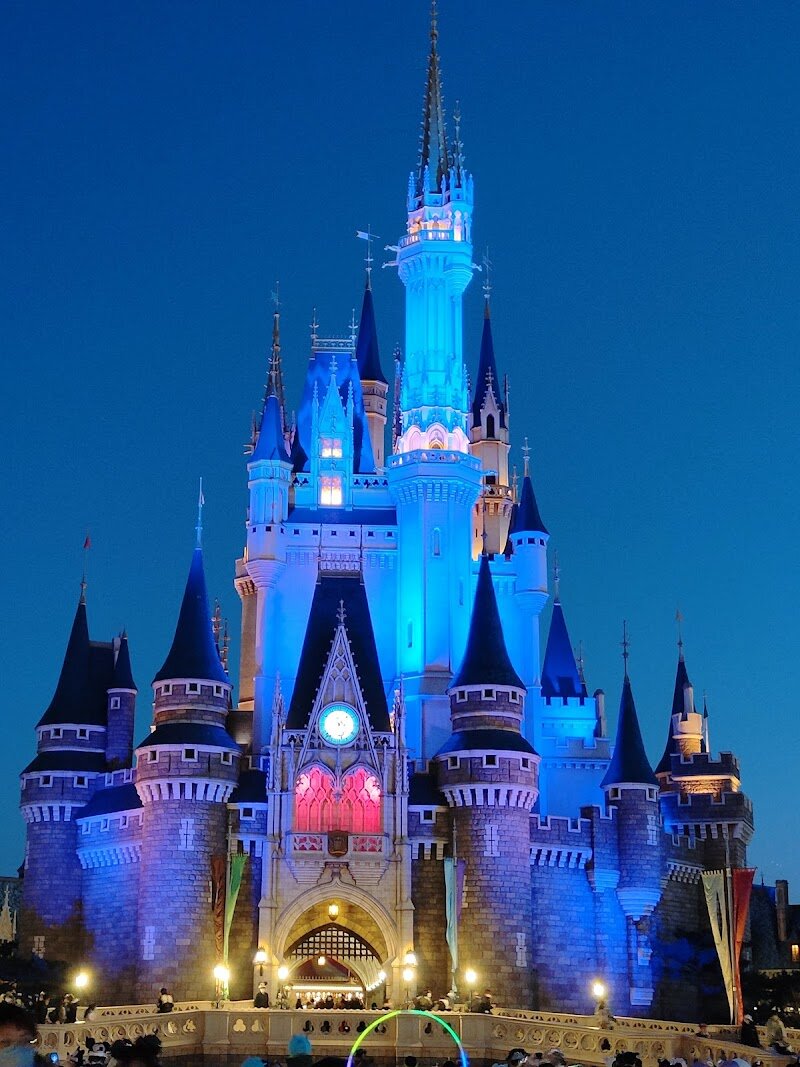
Tokyo Disneyland

Tokyo Disneyland is a dazzling fusion of Japanese hospitality and classic Disney magic, offering families and travelers a truly enchanting escape in the heart of Japan. Opened in 1983 as the first Disney theme park outside the United States, it stands apart for its unique ownership by the Oriental Land Company, giving it a distinct local character while still delivering beloved Disney experiences. Stepping into the park, guests are greeted by the iconic World Bazaar—a grand, Victorian-inspired arcade with a glass roof, designed to protect visitors from Tokyo’s unpredictable weather and set the stage for a day of wonder. The park unfolds into themed lands filled with timeless attractions, spectacular parades, and meticulously crafted details that delight guests of all ages. What makes Tokyo Disneyland especially memorable is its reputation for exceptional service, immersive storytelling, and a joyful atmosphere that feels both familiar and refreshingly new. From the majestic Cinderella Castle to exclusive seasonal events, every visit promises new surprises and magical moments. Tokyo Disneyland is more than a theme park—it’s a cherished destination where dreams come alive for families and curious travelers alike.

The year is 1983, and Walt Disney's first international kingdom rises from reclaimed Tokyo Bay land in Urayasu, Chiba, but the real magic happens twenty years later when Japanese engineers quietly revolutionize theme park technology forever. Standing here in Fantasyland, you're looking at the birthplace of trackless ride systems - Pooh's Hunny Hunt, which opened in 2000, was the world's first major trackless dark ride, using technology so advanced that Disney didn't replicate it elsewhere for over a decade. What makes this place absolutely wild is how it out-Disneys Disney itself. That Enchanted Tale of Beauty and the Beast castle looming ahead houses what many consider the finest dark ride ever built, with dancing teacup vehicles that respond to music in ways that still baffle engineers today. The Western River Railroad behind you breaks every Disney rule - instead of circling the entire park like its American cousins, it loops through just three lands, offering views you can't get anywhere else on Earth. Here's what locals know that tourists miss: this isn't just Disney with Japanese efficiency, it's Disney reimagined through kawaii culture. The Happy Ride with Baymax transforms a simple spinning ride into a full-park dance party where strangers become friends through synchronized arm movements to impossibly catchy J-pop. You're standing in the only place where Stitch does Elvis impressions in the Tiki Room and somehow it works perfectly. Welcome to the Disney park that teaches Disney how it's done.

landmark

Haginaka Park

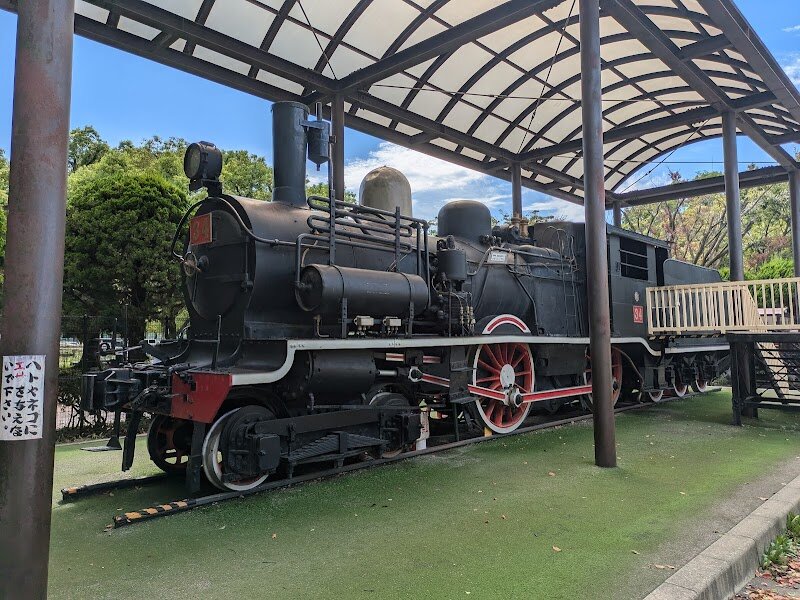
Haginaka Park in Tokyo’s Ota Ward is a delightful oasis designed with families and curious travelers in mind, blending playful adventure with local culture. What sets Haginaka Park apart is its unique *traffic rules park* concept: children can pedal along miniature roads, complete with real traffic lights, learning the basics of road safety in a fun, hands-on way. The heart of the park is “Garakuta Junk Park,” a wonderland featuring real train carriages, fire engines, pickup trucks, speedboats, and even a miniaturized space shuttle jungle gym—perfect for sparking young imaginations. Beyond this, sprawling open lawns, vibrant jungle gyms, and standard playgrounds offer endless opportunities for energetic play. Sports lovers will find baseball fields and an indoor swimming pool, while nature enthusiasts can enjoy seasonal cherry and plum blossoms that brighten the landscape. Steeped in the historical context of Ota Ward—a region with a rich heritage as a former farming and fishing hub and later a gateway between old Edo and modern Tokyo—Haginaka Park reflects the community’s spirit of innovation and togetherness. For families seeking a memorable outing or travelers eager to experience local life, Haginaka Park promises discovery, laughter, and a genuine slice of Tokyo’s vibrant neighborhood charm.

This playground is built entirely from JUNK... and kids absolutely LOVE it! Welcome to the famous "Garakuta Park" - which literally means Junkyard Park - where broken-down fire engines, steam locomotives, and speedboats have been transformed into the coolest climbing adventure in Tokyo! You're standing in Ota Ward, the same district that builds parts for Japanese space shuttles like the Hayabusa probe, which explains why there's a rocket ship jungle gym towering above you. But here's the wildest part - those aren't just decorative roads zigzagging through the park... they're a real traffic school with working traffic lights where thousands of Tokyo kids learn to drive bikes and scooters safely before hitting the city streets! The massive truck-shaped slide behind you uses actual truck tires as stairs and can fit ten kids sliding down together. Pretty amazing how yesterday's scrap metal became today's treasure, right?

landmark

Statues of Kirin

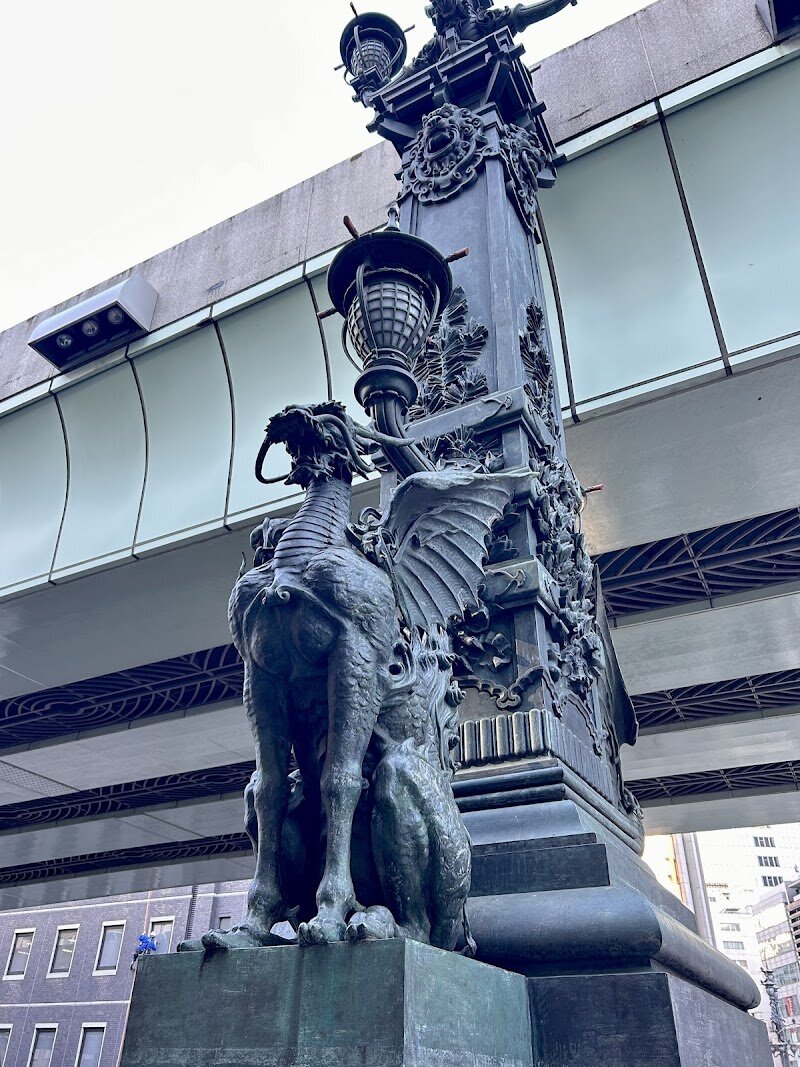
The **Statues of Kirin** on Tokyo’s historic Nihonbashi Bridge are a captivating blend of art, mythology, and urban legend, making them an unforgettable stop for families and curious travelers alike. Rising over the heart of Chuo City since 1911, these bronze sculptures depict the mythical **Kirin**—a revered creature in Japanese folklore symbolizing prosperity and good fortune. What sets these statues apart is their unique design: unlike traditional kirin, these feature majestic wings, a creative flourish meant to reflect Tokyo’s soaring ambitions and innovative spirit. Beyond their artistic beauty, the statues mark Japan’s traditional “kilometer zero,” the symbolic center of the nation, linking centuries of history to the vibrant cityscape that surrounds them. Visit at dusk or night to experience the statues aglow with lantern light, when their intricate details and mythical aura truly come alive—an enchanting sight that delights children and adults alike. The area is perfect for leisurely strolls, photography, and exploring nearby shops and eateries, offering a rich tapestry of tradition and modernity. A visit to the Statues of Kirin is more than a photo opportunity; it’s a journey through Japan’s cultural heart, where legends and city life meet.

These bronze Kirin have wings, but mythical Kirin were NEVER supposed to fly! Back in 1911, sculptor Osao Watanabe broke all the rules when he added those giant wings because he wanted Tokyo to soar like a dragon from this very spot. You're standing at Japan's mile zero - every single road distance in the entire country is measured from right here under your feet! These magical beasts guard the only stone bridge in central Tokyo that survived getting rebuilt TEN whole times after fires. Each Kirin weighs as much as a small elephant and combines a deer's body, dragon's face, and bull's tail into one incredible creature. The sculptor mixed Japanese mythology with Western design to create something totally unique - these are the only winged Kirin statues in all of Japan! Look closely at those bronze scales catching the light - they're protecting the heart of Tokyo just like they have for over a century.

landmark

Tokyo Joypolis

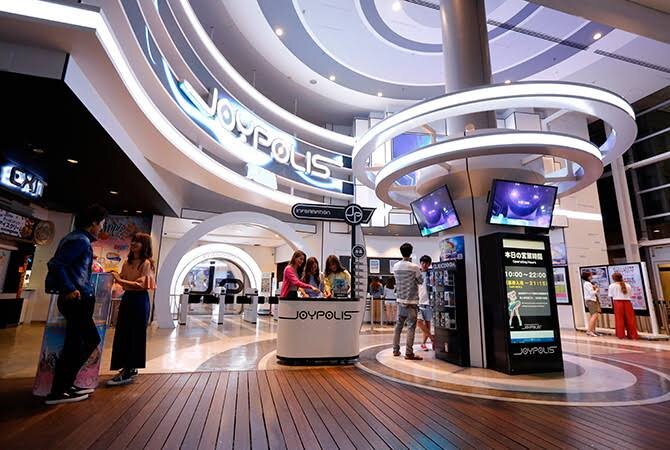
Tokyo Joypolis in Odaiba is a dazzling fusion of digital wonder and classic thrills, making it a must-visit for families and curious travelers alike. Opened in 1996 and still going strong after more than 25 years, this is Japan’s largest indoor amusement park, spread over three vibrant floors within DECKS Tokyo Beach. What sets Tokyo Joypolis apart is its unique blend of state-of-the-art technology with immersive storytelling, all crafted by SEGA—an icon in gaming and entertainment history. Here, visitors can step into the world of beloved video game franchises, solve mysteries in interactive attractions like Ace Attorney, or experience spine-tingling rides that seamlessly merge virtual reality with physical excitement. Joypolis isn’t just about high-speed simulators and arcade classics; it’s a living showcase of innovation, where every corner offers something new to discover. Whether you’re battling robots, exploring haunted mansions, or teaming up with family on whimsical adventures, the park’s ever-evolving attractions promise memorable moments for all ages. Tokyo Joypolis stands as a testament to the enduring appeal of play, creativity, and imagination—right in the heart of Tokyo’s futuristic Odaiba district.

Right now, gamers are battling aliens three stories above Tokyo Bay on Japan's largest indoor theme park! Tokyo Joypolis stretches across floors 3 through 5 of this DECKS complex, making it taller than a school building stacked on top of another school building. SEGA built this futuristic playground on Odaiba - an artificial island that didn't even exist when your grandparents were kids. Over 20 attractions pack these floors like treasure chests waiting to be discovered!

museum

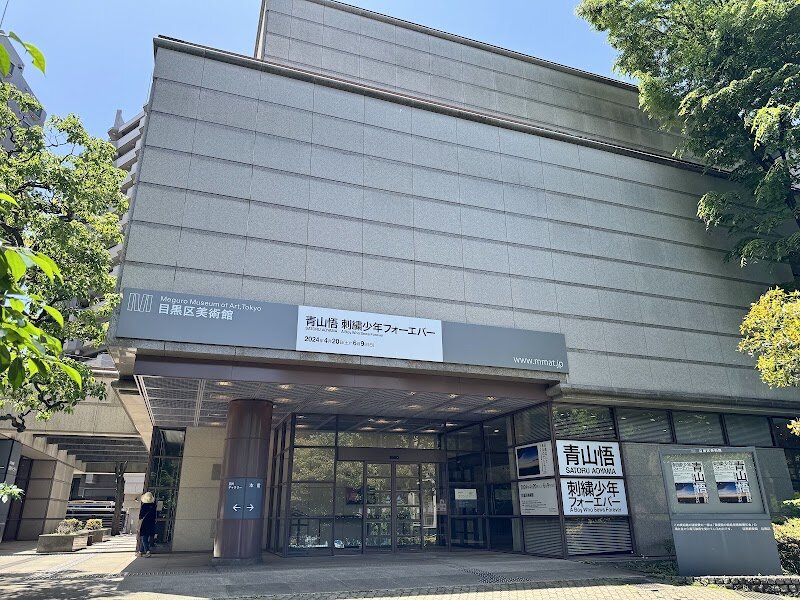
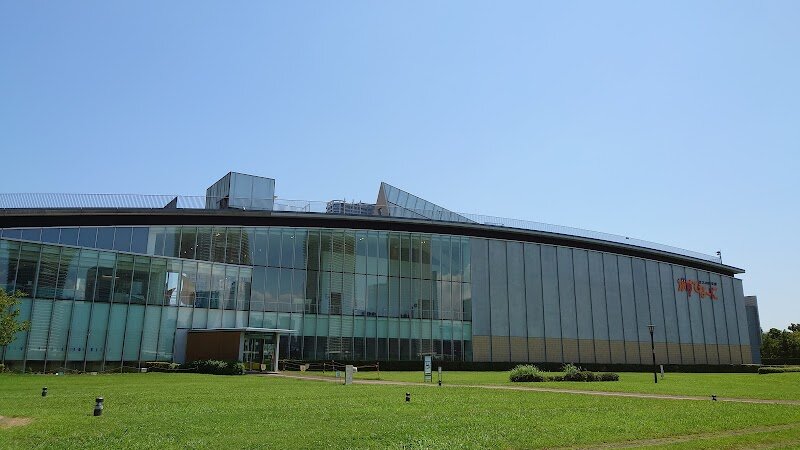
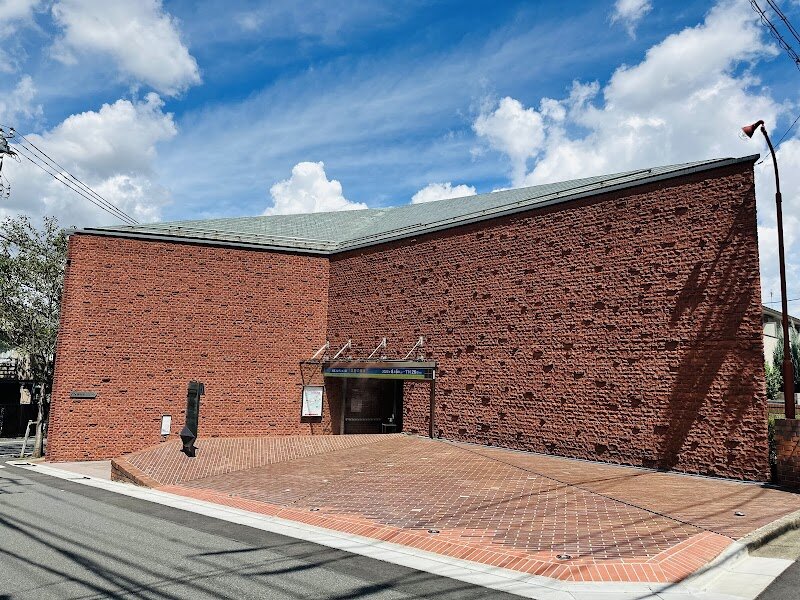
Meguro Museum of Art, Tokyo

Nestled in the lush Meguro district, the **Meguro Museum of Art, Tokyo** offers a refreshing escape for families and curious travelers seeking inspiration and creativity. Since opening its doors in 1987, this compact yet thoughtfully designed museum has been a vibrant “window” into the world of modern and contemporary art, showcasing both Japanese and international artists in an inviting, community-centered space. What sets the Meguro Museum of Art apart is its seamless blend of exhibitions and hands-on experiences. Visitors of all ages can enjoy not only dynamic rotating displays—featuring renowned artists like Tsuguharu Fujita and Kumi Sugai—but also interactive workshops that encourage everyone to explore the beauty in everyday life and the fascinating techniques behind the art. The museum’s airy galleries and child-friendly workshop rooms make it especially welcoming for families looking to spark kids’ imaginations. Beyond the exhibitions, the museum’s Citizens Gallery invites locals to share their own creative expressions, making each visit feel personal and connected to the neighborhood’s vibrant culture. Whether you’re an art enthusiast or simply curious, the Meguro Museum of Art promises a memorable journey through creativity, community, and the limitless possibilities of artistic imagination.

The year is 1987, and Tokyo is building museums like crazy with tons of extra money, when this gleaming concrete treasure opens right here beside the Meguro River! Here's something WILD - this museum is totally backwards from most places... it has ZERO permanent art hanging on its walls! Every single exhibition changes completely, which means the famous Nihon Sekkei architects designed 4,059 square meters of empty gallery space - that's bigger than a whole soccer field! As you walk through these bright white halls, you're stepping where masterpieces by the polka-dot queen Yayoi Kusama have hung, plus works by legendary Japanese artists whose paintings are worth millions of yen. The coolest part? This three-story concrete building with its secret basement level was built with "bubble money" - back when Japan was so rich, cities were throwing cash at beautiful buildings like this one. Can you spot the river flowing right outside these windows? That's your clue you've found one of Tokyo's most changeable art adventures!

museum

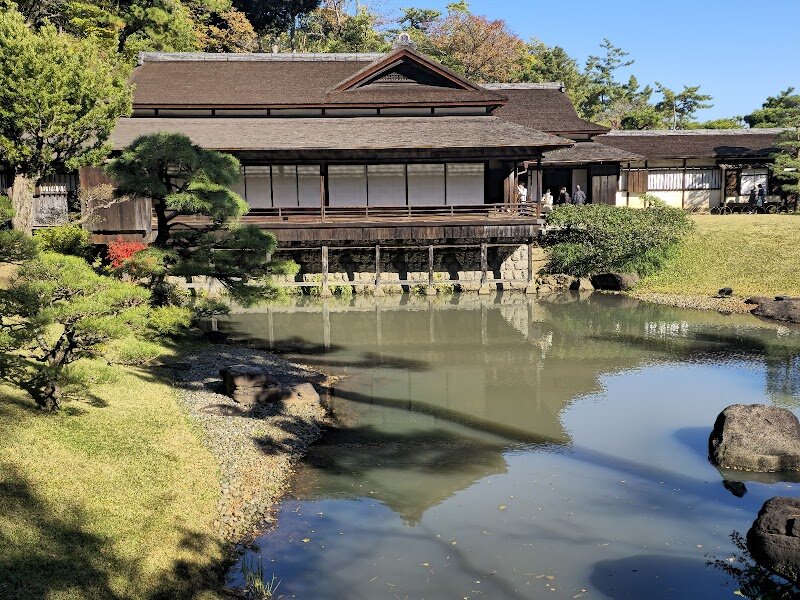
Sankeien Garden

Sankeien Garden, nestled just outside Tokyo in Yokohama, invites families and curious travelers into a world where history and nature harmoniously blend. Established in 1902 by visionary businessman Sankei Hara, the garden was designed as a sanctuary for art and culture, and today it remains a living museum of Japan’s architectural and horticultural heritage. Strolling its rambling paths, you’ll discover picturesque ponds, serene waterfalls, and lush groves, all interwoven with historic treasures—like centuries-old tea houses and a striking three-story pagoda originally from Kyoto. What makes Sankeien truly special is its collection of authentic buildings, each with its own story, lovingly transported from across Japan and set amid 42 acres of natural beauty. Seasonal highlights delight visitors year-round: cherry blossoms paint the landscape in spring, vivid autumn foliage sets the garden aglow, and wildlife flourishes throughout. Children will marvel at the bridges and playful streams, while adults can soak in the tranquil atmosphere and rich cultural legacy. Whether you’re seeking a peaceful escape or a hands-on history lesson, Sankeien Garden offers an unforgettable experience for all ages—an enchanting retreat from the city’s bustle where Japan’s past and present come alive.

The year is 1914, and workers are carefully rebuilding a 457-year-old pagoda piece by piece in this magical garden! You're standing in the incredible creation of Sankei Hara, a silk merchant so rich he collected entire BUILDINGS from across Japan like trading cards. This massive 175,000 square meter wonderland - that's bigger than 30 football fields! - holds 17 historic treasures he moved here to Naka Ward. Look up at that three-story pagoda towering above the trees... it traveled all the way from Kyoto just for you to discover! Ten of these buildings are so special, Japan calls them national treasures. Can you spot the hidden tea houses where famous artists once gathered to create masterpieces? Every step here is like time traveling through 600 years of Japanese history!

museum

Mori Arts Center Gallery

Set high above Tokyo on the 53rd floor of the iconic Roppongi Hills Mori Tower, **Mori Arts Center Gallery** invites families and curious travelers to experience contemporary art with a view like no other. Founded in 2003 by visionary developer Minoru Mori, the gallery was created with the belief that “culture shapes a city’s identity,” making it a cornerstone of Tokyo’s transformation into a vibrant, global metropolis. What makes Mori Arts Center Gallery truly special is its dedication to presenting bold, international exhibitions alongside works from Japan and across Asia, often featuring world-renowned artists such as Yayoi Kusama and Ai Weiwei. The gallery’s dynamic programming includes hands-on workshops, interactive installations, and engaging educational events designed to spark curiosity for visitors of all ages. Families can explore imaginative exhibits, participate in creative activities, and enjoy a welcoming environment that encourages discussion and discovery. As you wander through the gallery’s airy spaces, breathtaking panoramic views of Tokyo provide an unforgettable backdrop—making every visit a feast for both the eyes and the mind. Whether you’re an art lover or simply seeking a unique cultural adventure, Mori Arts Center Gallery offers an inspiring journey at the heart of Tokyo’s artistic pulse.

Four hundred separate lots. That's how many tiny pieces of land Minoru Mori had to buy over fourteen years to create the ground you're standing on right here at Roppongi Hills. You're about to enter the Mori Arts Center Gallery on the 52nd floor, where exhibitions range from ancient Hokusai prints to cutting-edge anime installations. What most visitors don't realize is that this very spot was once the private estate of the Chofu Mori family during Japan's Edo period, then later became the residence of Masujima Rokuichiro after the Meiji Restoration. The building you're in right now cost over four billion dollars to construct and stands as Tokyo's sixth-tallest tower at exactly 238 meters. Here's the insider secret locals know... you're actually positioned between two distinct art spaces. The Mori Art Museum sits one floor above you on the 53rd, while this gallery shares its floor with the observation deck, creating this unique fusion of art and panoramic city views that you literally can't find anywhere else in Tokyo. Step inside and you'll understand why this space has become the go-to venue for exhibitions that bridge traditional Japanese culture with contemporary global movements.

landmark

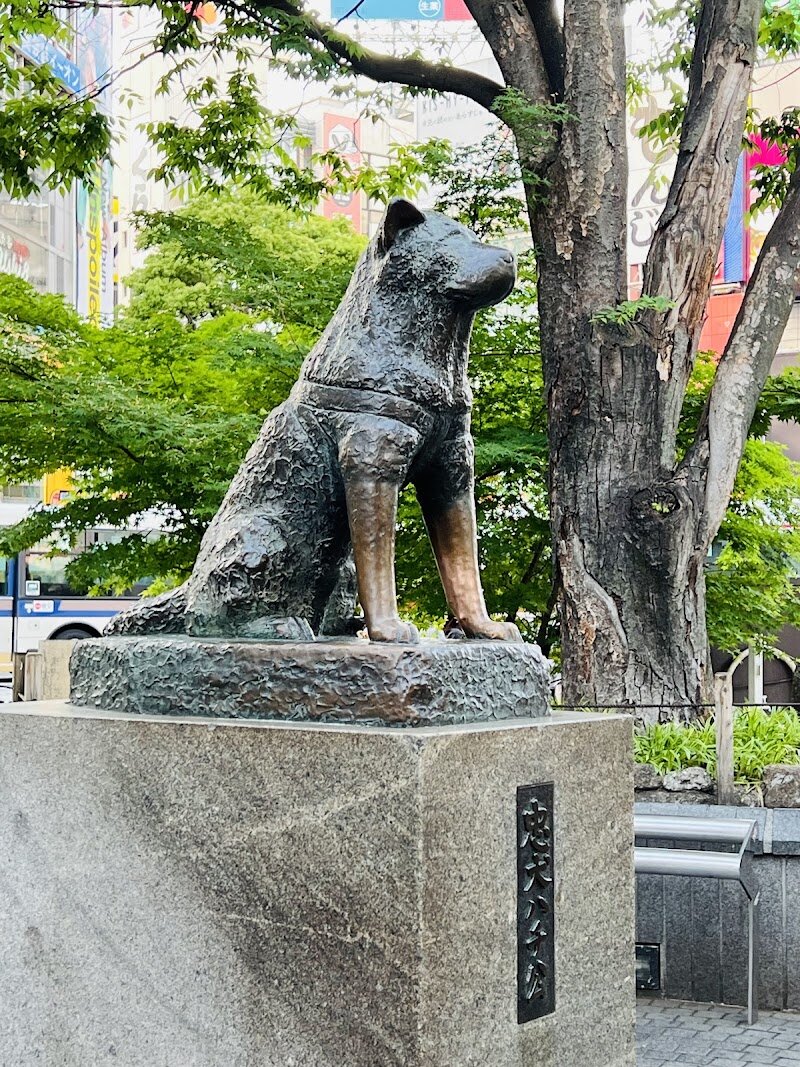
Hachiko Statue

Nestled just outside Tokyo’s bustling Shibuya Station, the **Hachiko Statue** is far more than a meeting point—it’s a heartfelt tribute to one of Japan’s most beloved stories of loyalty and friendship. Erected in honor of Hachiko, the faithful Akita dog who waited every evening for his late owner for nearly a decade, this bronze figure has captured the imagination of generations. The tale began in the 1920s, when Hachiko would greet Professor Ueno after work each day; even after the professor’s sudden passing, Hachiko returned to the same spot, steadfast and hopeful, for almost ten years. Families and curious travelers will find themselves moved by the statue’s powerful symbolism—a testament to devotion that transcends time. Children are often fascinated by the story, while adults reflect on its deeper meaning. Visitors can experience a sense of connection as they gather, snap photos, and touch the statue, joining thousands who come each year to honor Hachiko’s unwavering spirit. The statue’s enduring presence, celebrated during major anniversaries and depicted in films, invites everyone to share in a uniquely Japanese legend that continues to inspire and unite people from all walks of life.

This bronze dog died twice. The first time was in 1944 when Japanese officials melted down the original statue of Hachikō for the war effort, just nine years after the faithful Akita himself had passed away from parasitic worms and a broken heart. Standing here at the Hachikō-guchi entrance of Shibuya Station, you're looking at the second incarnation, cast in 1948 by Takeshi Andō... the son of the man who created the first statue that Hachikō himself attended the unveiling of on April 21, 1934. What makes this 162-centimeter bronze figure extraordinary isn't just the story of unwavering loyalty, but the fact that four yakitori skewers were found in Hachikō's stomach when he died on March 8, 1935. Kind strangers had been feeding him during his nine years, nine months, and fifteen days of waiting for Professor Ueno, who had collapsed from a brain hemorrhage during a university lecture and never returned to catch his usual train home. The devoted Akita was thirteen years old when he finally joined his master, equivalent to ninety human years of faithful hope. Touch the statue's worn bronze paws, polished smooth by millions of hands over decades. This isn't just Tokyo's most famous meeting spot... it's a monument to the kind of love that refuses to accept goodbye. Every day at precisely the time Professor Ueno's train was scheduled to arrive, Hachikō would position himself right here in Dōgenzaka, becoming such a celebrity that newspapers across Japan covered his vigil, turning a simple dog's devotion into a national symbol that still draws pilgrims from around the world.

museum

Mitsubishi Ichigokan Museum

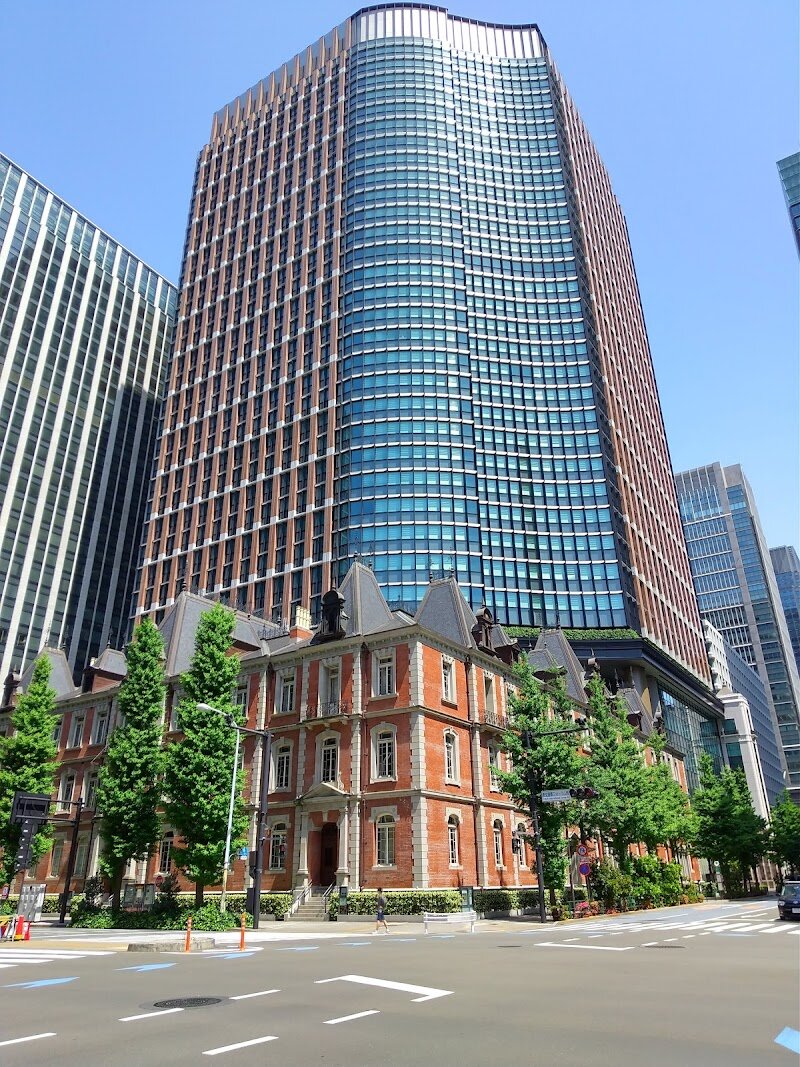
Nestled in Tokyo’s vibrant Marunouchi district, the Mitsubishi Ichigokan Museum is a captivating destination where history and art intertwine. Housed in a stunning reconstruction of Tokyo’s first Western-style office building, originally designed in 1894 by British architect Josiah Conder, the museum stands as a living testament to Japan's rapid modernization during the Meiji era. Families and curious travelers will delight in exploring the museum’s elegant Queen Anne architecture, meticulously restored using original blueprints and materials—a rare opportunity to step back in time while surrounded by Tokyo’s modern skyline. Inside, visitors are treated to thoughtfully curated exhibitions of 19th-century Western art, featuring masterpieces by artists such as Toulouse-Lautrec and Odilon Redon. The museum’s engaging displays reveal how Japanese society embraced and reinterpreted Western influences, making each visit a journey of cultural discovery. After exploring the galleries, guests can relax at Café 1894, which preserves the building’s historical charm, or browse unique art-inspired gifts at Store 1894. With its blend of architectural heritage, artistic treasures, and family-friendly atmosphere, the Mitsubishi Ichigokan Museum offers an inspiring escape for art lovers and inquisitive minds alike.

The year is 1894, and British architect Josiah Conder is putting the finishing touches on something revolutionary... Tokyo's very first Western-style office building, right here where you're standing in Marunouchi. This red brick beauty before you sparked such a transformation that locals nicknamed this entire street "Itcho London" - the London Block. But here's where the story gets extraordinary: this isn't actually that original 1894 building. The original was demolished in 1968, then painstakingly reconstructed forty years later using Conder's exact blueprints, original photographs, and even salvaged materials. Those elegant handrails you'll touch inside? They're the very same ones that Victorian businessmen gripped in 1894. As you enter through these Queen Anne-style doors, you're walking into Japan's tribute to its own modernization. The museum houses over 200 works by Henri Toulouse-Lautrec - one of the world's largest collections outside Paris. Each of the twenty exhibition rooms tells the story of how 19th-century European art captivated a nation emerging from centuries of isolation. This building didn't just house offices... it housed Japan's dreams of joining the modern world.

museum

Mori Art Museum

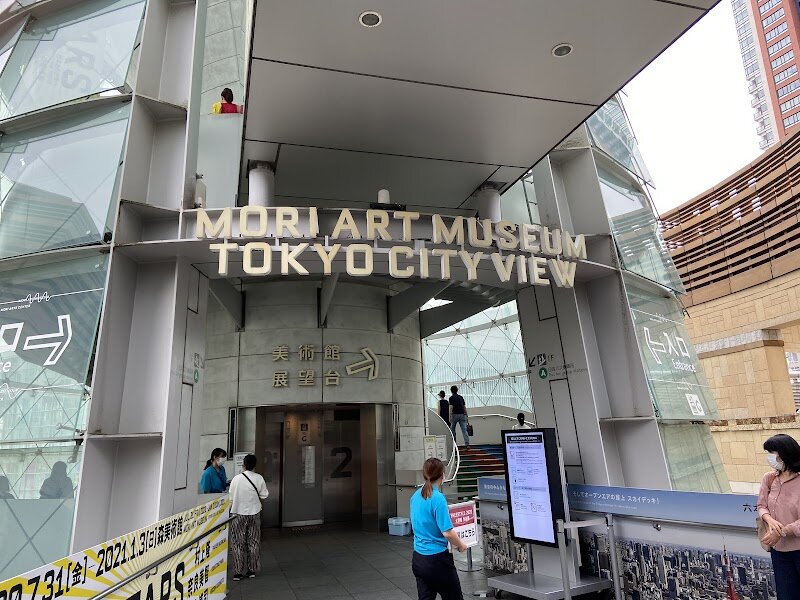
Perched atop the iconic Roppongi Hills Mori Tower, the Mori Art Museum invites families and curious travelers to experience Tokyo’s vibrant pulse through the lens of contemporary art. Founded in 2003 as the visionary centerpiece of Minoru Mori’s urban dream, this museum isn’t just about viewing art—it’s about connecting with the city’s creative spirit in a space where culture, community, and daily life intersect. What truly sets the Mori Art Museum apart is its commitment to showcasing thought-provoking exhibitions by both world-renowned and emerging artists, with past highlights featuring names like Yayoi Kusama and Takashi Murakami. The museum’s dynamic programming ensures there’s always something new to discover, from interactive installations to family-friendly workshops and global art events designed to spark inspiration in visitors of all ages. Beyond the art itself, the museum boasts panoramic views of Tokyo’s skyline, making every visit a feast for the senses. Whether you’re a seasoned art lover or exploring with children, the Mori Art Museum offers a dynamic, welcoming space where creativity and imagination soar high above the city.

This museum exists in the clouds but has no permanent collection whatsoever. Standing before the gleaming steel and glass facade of Roppongi Hills Mori Tower, you're looking at a building designed to mimic samurai armor, its horizontal lines deliberately crafted to deflect radio waves from nearby Tokyo Tower. The gentle curves aren't just aesthetic... they're engineering genius by Kohn Pedersen Fox architects who studied origami to perfect these slopes. Behind you at ground level stands the Museum Cone, a hundred-foot elliptical entrance that hints at the cultural treasure floating 238 meters above your head. Visionary Minoru Mori spent seventeen years developing this utopian complex, placing his art museum on the 53rd floor as the "cultural heart" of what would become Japan's largest column-free commercial space. As you ascend to the museum, you're entering a space that revolutionized Tokyo's art scene by staying open until ten PM. In 2018, thirty percent of visitors discovered contemporary masterpieces after sunset... something no other major Tokyo museum dared attempt. Here, art literally touches the sky, and every exhibition is temporary, making each visit a once-in-a-lifetime encounter with creativity suspended between earth and stars.

landmark

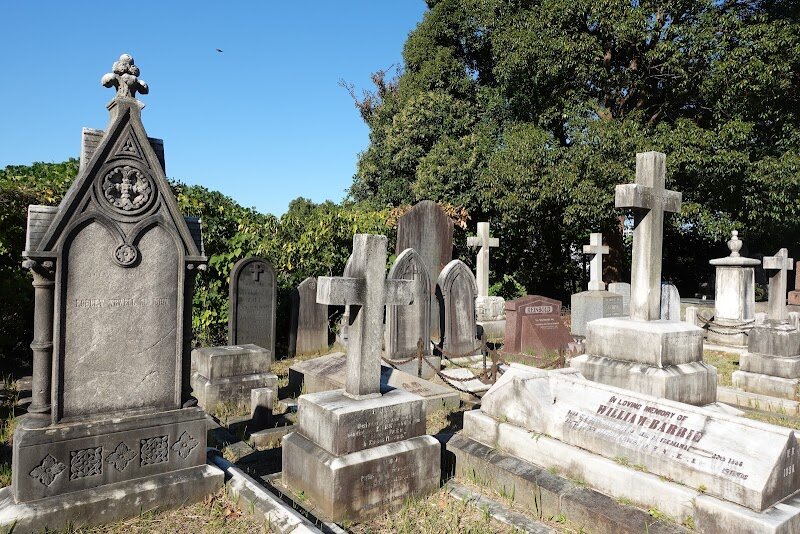
Aoyama Cemetery

Aoyama Cemetery in Tokyo is a rare blend of history, beauty, and quiet reflection, making it a fascinating destination for families and curious travelers alike. Established in 1872 as Japan’s first public cemetery, it was originally reserved for nobility before opening to the public, and today it serves as the final resting place for many of Japan’s most influential figures, including statesmen like Ōkubo Toshimichi and beloved icons such as Hachikō, the famously loyal dog. Wandering the peaceful paths, visitors will discover gravestones of writers, artists, Olympic heroes, and foreign pioneers who helped shape modern Japan. The cemetery’s “Gaijin Bochi” (Foreign Section) is especially intriguing, offering stories of doctors, diplomats, and engineers from abroad who made lasting contributions during the Meiji era. Aoyama Cemetery is also celebrated for its cherry blossoms. In spring, the grounds are transformed by rows of sakura trees, drawing families and locals for hanami (cherry blossom viewing) amidst a serene, cityscape backdrop. Whether you come for the history, the beauty, or a tranquil stroll, Aoyama Cemetery offers a unique and memorable glimpse into Tokyo’s past and present.

263,564 square meters of what was once exclusive noble land now welcomes everyone who walks through these gates. You're standing at Japan's very first public cemetery, a revolutionary concept when it opened in 1874 after being reserved solely for aristocrats since 1872. This place holds some serious star power... Hachikō, that famous loyal dog from Shibuya Station, is buried right here alongside his owner. But here's what most tourists miss - there's a whole foreign section called Gaijin Bochi where the Europeans and Americans who helped build modern Japan rest. These weren't just any foreigners, they were the architects of Japan's transformation. That central avenue stretching almost 800 meters ahead of you? It becomes a pink tunnel during cherry blossom season with over 200 sakura trees creating the most spectacular hanami spot locals keep quiet about. The elevation here gives you killer views over Roppongi's glittering towers, making this the perfect blend of old Japan meeting the ultra-modern city. Come early morning in spring if you want those Instagram shots without the crowds.

landmark

Okuno Building

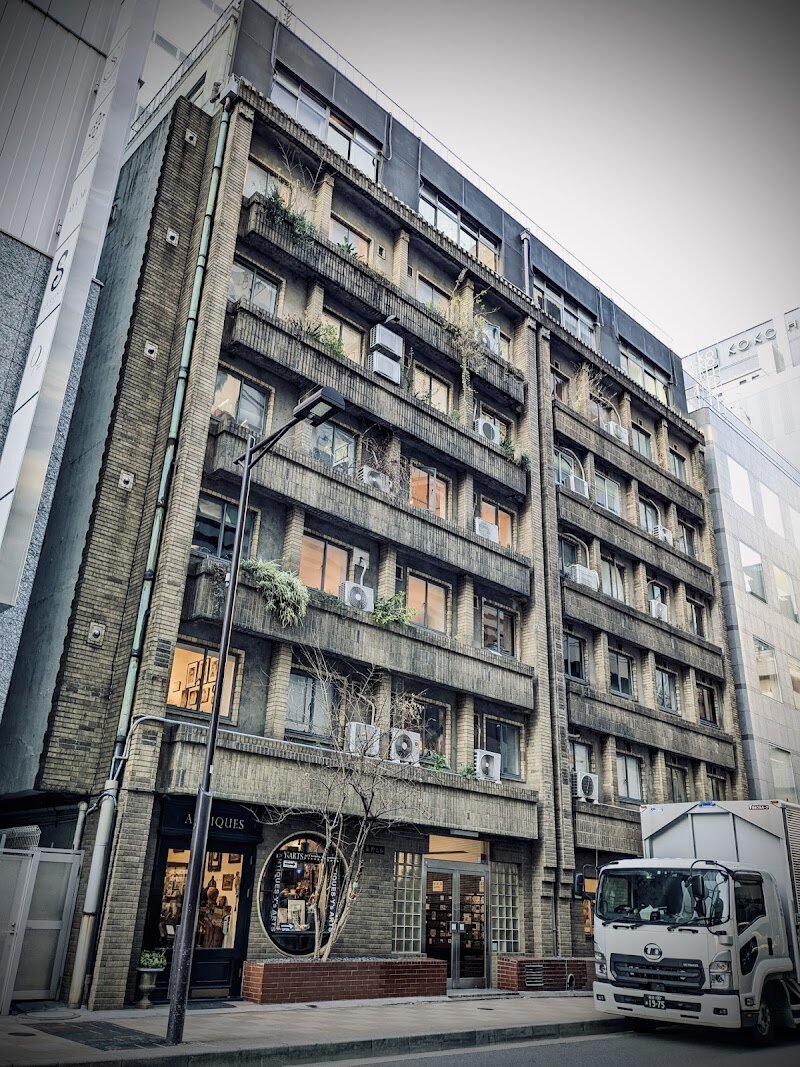
Step into the Okuno Building and discover a rare slice of Tokyo’s past nestled in the heart of Ginza. Built in 1932 as a symbol of luxury and resilience, this early Shōwa-era landmark has survived war, earthquakes, and the city’s relentless modernization—making it one of Tokyo’s oldest apartment buildings still standing. Today, the Okuno Building charms families and curious travelers alike with its evocative hallways, original manually operated elevator—said to be Japan’s first in a private residence—and a fascinating blend of art galleries and antique shops spread across its seven floors. Wander through corridors worn by generations, admire the quirky architectural features like the round window and the odd passageways connecting the original and annexed buildings, and peek into spaces like Room 306, a living timeline now home to creative projects. Each gallery and boutique offers a new story, while preserved details—from scratch tiles to wooden banisters—invite you to imagine the glamorous lives of the artists, musicians, and celebrities who once called these apartments home. For families and explorers, the Okuno Building is more than a historic site—it’s a vibrant, ever-evolving museum where Tokyo’s history and creativity come alive around every corner.

Ninety-three years! That's how long this incredible time machine has been standing right here in Ginza, and wow, do I have some amazing secrets to share with you! You're looking at the Okuno Building, and here's something WILD - it's actually two buildings stuck together like giant LEGO blocks, built in 1932 and 1934. This place survived World War Two bombs when almost every other building in Tokyo got blown up! Inside, you can still ride Japan's very FIRST private apartment elevator that you have to open and close yourself - just like a treasure chest door. The coolest part? Room 306 upstairs was once a beauty salon where a lady lived for SEVENTY years until she was 100 years old! Can you imagine living in the same room for your entire lifetime times seven? Look for those narrow, shadowy hallways inside where windows peek through from one building into the other - it's like a secret maze that connects two time periods together!

landmark

Sengaku-ji

Sengaku-ji is a serene Buddhist temple in Tokyo that captivates visitors with its poignant story of loyalty and honor. This modest temple is most famous as the final resting place of the legendary 47 Ronin—samurai who avenged their master’s unjust death in the early 18th century, an act that has inspired countless plays, films, and festivals. Families and curious travelers will find Sengaku-ji’s tranquil grounds both moving and educational, as the site brings to life one of Japan’s most beloved tales of courage. Strolling along the stone pathway, you’ll discover the simple graves of the Ronin and their master, where incense is often left in quiet tribute. The story behind these graves—a dramatic saga of loyalty, sacrifice, and justice—has been celebrated for centuries and is commemorated every December with a lively festival that draws locals and travelers alike. Inside the temple’s museum, visitors can see samurai artifacts, costumes, and multimedia exhibits that make the history accessible for all ages. Whether you’re a history buff, a fan of samurai legends, or simply seeking a peaceful spot to reflect, Sengaku-ji offers a truly memorable experience in the heart of Tokyo.

On a snowy December night in 1702, forty-seven samurai warriors marched through these very temple gates carrying their enemy's severed head in a wooden box! You're standing at Sengaku-ji in Tokyo's Takanawa district, where these legendary Rōnin washed that head at a stone well before presenting it to their dead master's grave. This Buddhist temple became Japan's most famous samurai pilgrimage site after housing the graves of these loyal warriors who chose death over dishonor. Every December 14th, thousands still burn incense here to honor their sacrifice!

museum

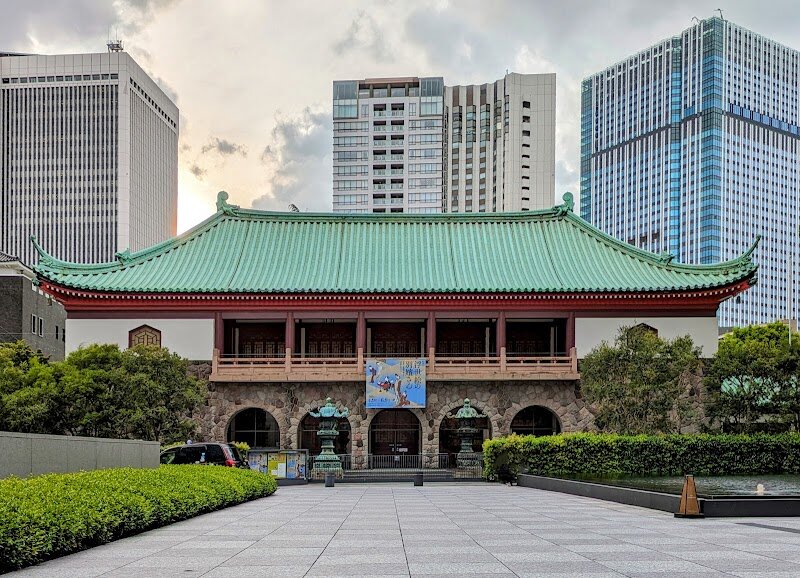
Okura Museum of Art

Step into a world where history and artistry intertwine at the **Okura Museum of Art**, Tokyo’s oldest private art museum and a hidden gem for families and curious travelers alike. Founded in 1917 by visionary industrialist Ōkura Kihachirō to safeguard Japan’s cultural treasures, the museum itself is a piece of history—rebuilt after the 1923 Great Kantō earthquake in a striking classical Chinese style that sparks the imagination of visitors of all ages. Inside, you’ll discover a rotating selection from a collection of over 2,500 masterpieces, including three National Treasures and twelve Important Cultural Properties—think ancient Buddhist sculptures, delicate calligraphy, and vibrant paintings spanning centuries of Japanese and East Asian heritage. Kids and adults alike will marvel at details like the dragon carved into the exhibition room’s ceiling and the whimsical mythical creatures adorning the pillars. Don’t miss the tranquil garden, where monuments and poetry offer a peaceful retreat and a glimpse into the life of the museum’s founder. Whether you’re an art lover or a family seeking inspiration, the Okura Museum of Art promises a journey through time, culture, and creativity—right in the heart of bustling Tokyo.

2,500 precious artworks once faced complete annihilation in just four minutes and twenty seconds during the Great Kanto Earthquake of 1923. Standing here at Japan's very first private museum, you're looking at a remarkable phoenix story that began when businessman Kihachiro Okura opened these doors in 1902 to prevent Japanese treasures from fleeing the country during the Meiji period's cultural upheaval. The elegant building before you isn't the original - that entire structure and every displayed artwork were completely destroyed in 1923. What you see now is architect Ito Chuta's masterpiece, rebuilt in classical Chinese style with earthquake and fire-proof construction that opened in 1928. Notice how the building's design reflects traditional Asian aesthetics while hiding cutting-edge 1920s disaster-resistant engineering beneath its graceful exterior. As you enter through these doors on the hotel's fifth floor, you're stepping into a space where three National Treasures await, including the 10th-century Kokin Wakashu poetry collection whose ornamental paper patterns literally decorate the hotel's grand Heian Room downstairs. This isn't just a museum - it's a living bridge between Japan's artistic soul and modern preservation, where every surviving piece carries the weight of both cultural rescue and miraculous survival.

museum

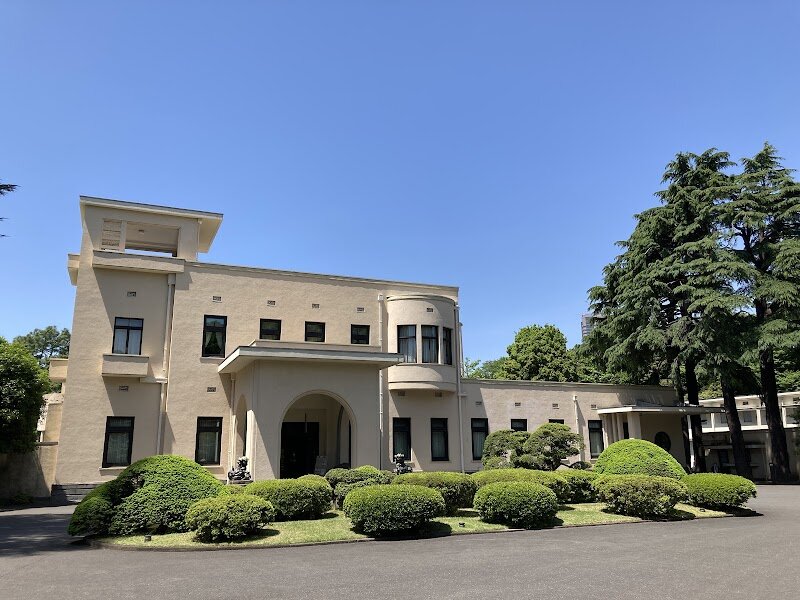
Tokyo Metropolitan Teien Art Museum

Step into the enchanting world of the **Tokyo Metropolitan Teien Art Museum**, where history, art, and nature blend in unforgettable harmony. Housed in the former residence of Prince Asaka, this 1933 mansion is a rare gem of **Art Deco architecture**—a style inspired by the prince and princess's Parisian adventures and brought to life by celebrated French designers like Henri Rapin and René Lalique. The museum’s graceful interiors, original furnishings, and dazzling details—think Lalique chandeliers and etched glass doors—make every visit feel like a journey back to a glamorous era. Families and curious travelers will love exploring the museum’s ever-changing exhibitions, showcasing everything from global design to contemporary art, all set against the backdrop of this architectural masterpiece. Wander through the beautifully restored **Japanese and Western-style gardens**, or pause for a moment of peace in the historic teahouse, where tradition is lovingly preserved. Whether you’re drawn by the stories of royalty, the artistry of the building, or the promise of creative discovery, Teien Art Museum offers a captivating escape for visitors of all ages.

Ninety-two years ago, a French traffic accident changed Tokyo architecture forever. Standing before this elegant Art Deco mansion in Shirokanedai, you're witnessing the result of Prince Asaka Yasuhiko's 1922 crash in France... an injury that kept him and Princess Nobuko in Paris for three transformative years during Art Deco's golden age. Look at that understated facade - architect Gondo Yokichi deliberately avoided Japan's traditional elevated structures and hip-and-gable roofs, creating something revolutionary for 1933 Tokyo. But the real magic waits inside, where French master Henri Rapin designed interiors that scandalized conservative Japan, while René Lalique crafted decorative glass that still catches light exactly as intended. Here's what most visitors never realize... this building has housed more power than almost any structure in Japan. After Princess Nobuko tragically died shortly after its completion, it became the Prime Minister's official residence from 1947 to 1950, then served as the State Guest House for nearly twenty-five years. Every diplomatic secret, every crucial decision that shaped modern Japan passed through these Art Deco halls. The miracle? Despite serving three completely different purposes, nearly every original detail survives unchanged - making this one of the world's most perfectly preserved examples of East-meets-West Art Deco design.

museum

NHK Museum of Broadcasting

The NHK Museum of Broadcasting in Tokyo is a captivating destination for families and curious travelers eager to explore the story of Japan’s media revolution. Founded in 1956 atop historic Mt. Atago, the museum stands on the very ground where Tokyo’s first radio station began broadcasting in 1925—making it not only the world’s first museum dedicated to broadcasting, but also the birthplace of Japanese radio and television. Step inside and journey through 100 years of innovation, from the earliest disc-shaped microphones cooled with blocks of ice, to the rapid evolution of television technology and memorable broadcasts that shaped the nation. Interactive exhibits let visitors record their own voices with vintage equipment, listen to dramatic moments in Japanese history, and even take the stage as a news anchor or weather presenter in a hands-on studio—perfect for kids and adults alike. Families will love themed areas featuring beloved children’s characters, while history buffs can marvel at original cameras, radios, and artifacts used to deliver trusted information during times of crisis. With thousands of classic NHK programs available to watch and stories from disaster survivors shared through immersive displays, the museum is a living archive where Japan’s broadcasting heritage comes alive for every generation.

This modest building holds the world's first museum dedicated entirely to broadcasting... and it's been free since 1956. You're standing in Mt. Atago, known as the "hometown of broadcasting" in Japan, where radio waves first carried voices across the nation nearly a century ago. Inside these four floors, 30,000 pieces of broadcasting equipment tell stories most visitors never hear. On the third floor, you'll find a "drop bag" — a leather pouch helicopters once hurled directly into NHK studios to deliver disaster footage when every second mattered. The second floor houses an actual TV studio where you can read the news, plus Japan's cutting-edge 8K theater displaying images so sharp they seem three-dimensional. Here's what locals know: costumes from NHK's famous Taiga dramas were crafted by Kurosawa Kazuko, daughter of legendary filmmaker Akira Kurosawa, blending cinema royalty with television history in ways you won't see anywhere else.

landmark

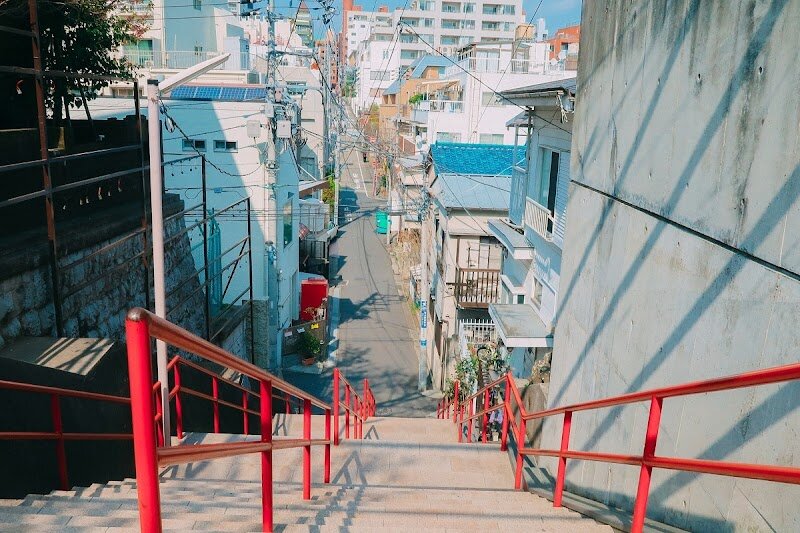
Your Name Stairs

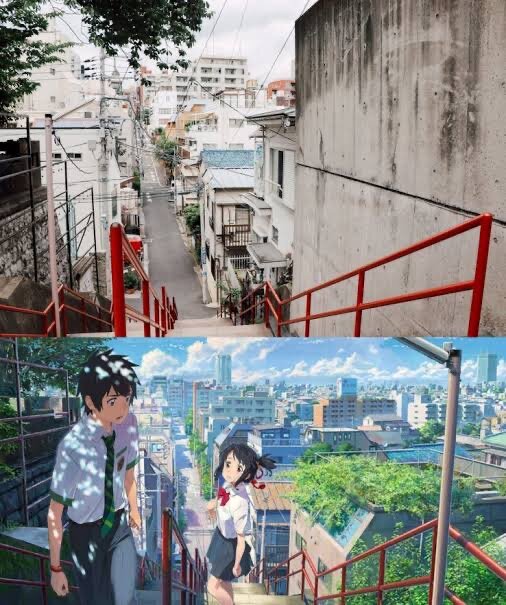
The **Your Name Stairs** at Suga Shrine in Yotsuya, Tokyo, are a magical destination for families and curious travelers drawn to both anime and authentic Japanese culture. These picturesque steps, distinguished by their striking red railings, became world-famous as the setting for the emotional climax of Makoto Shinkai's animated masterpiece, *Your Name.* This film, which captivated millions globally, tells the story of two teenagers whose lives intertwine across time and space—culminating in a memorable reunion on these very stairs. What makes this spot truly special is its blend of everyday Tokyo life and cinematic history. Locals pass by as part of their routine, but for fans and newcomers alike, the stairs transform into a symbolic gateway where fiction meets reality. Visitors can relive scenes from the movie, snap photos at the exact location featured in film posters, and experience the unique thrill of standing where beloved characters once did. The area’s tranquil charm, combined with its proximity to central Tokyo attractions, makes it a perfect stop for families seeking both adventure and a touch of movie magic. Whether you’re a longtime anime fan or simply curious, the Your Name Stairs promise a memorable, heartwarming experience in the heart of Tokyo.

Movie fans are climbing these very steps right now, phones raised, recreating one of anime's most iconic scenes. These red-railed stairs, known as the Otokozaka, became a pilgrimage site overnight when Makoto Shinkai featured them in his blockbuster film "Your Name" in 2016. What most visitors don't realize is they're standing on sacred ground that predates their beloved anime by 382 years. Suga Shrine was established in 1634, originally serving as the spiritual guardian for eighteen separate districts of Yotsuya. The shrine you see behind you actually combines two ancient sites - the Gozutennou Shrine and Inari Shrine were merged into one after the Meiji Restoration. Those weathered stone steps beneath your feet have witnessed centuries of prayer and pilgrimage, but never crowds quite like these. The shrine now sells special "Movie Stairs Postcards" and "Love Achievement Amulets" redesigned with animation perspectives - a brilliant fusion of 17th-century spirituality and 21st-century pop culture. Inside the shrine halls rests the precious "Thirty-Six Songs," a designated cultural treasure of Shinjuku City, quietly watching as ancient tradition meets modern devotion on these famous steps.

building

Keio University

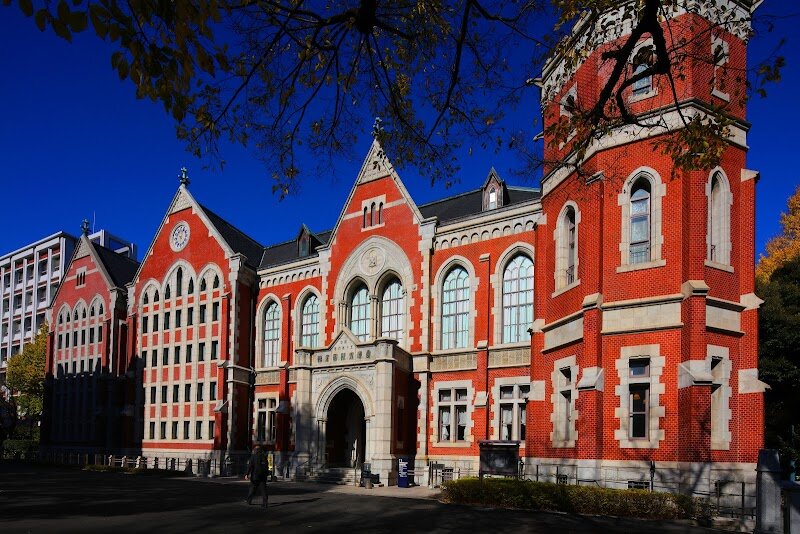
Keio University, nestled in the vibrant heart of Tokyo, is more than just Japan’s oldest private university—it’s a living testament to the spirit of modern Japan. Founded in 1858 by the visionary Yukichi Fukuzawa, Keio began as a modest school for Western studies at a time when Japan was opening to the world after centuries of isolation. Its blend of tradition and innovation is palpable as visitors stroll through the tranquil, tree-lined Mita campus, where historic red-brick buildings meet cutting-edge research centers. Families and curious travelers will find Keio’s story captivating: it spearheaded Japan’s modernization by championing free thought, global awareness, and academic excellence. The campus is rich with history, from its roots in the samurai era to its role in shaping leaders who have influenced Japanese society for over 150 years. Visitors can explore serene gardens, admire impressive architecture, and perhaps catch a public lecture or lively student festival. Keio’s welcoming atmosphere and legacy of enlightenment make it a unique window into Tokyo’s past, present, and future—a must-see for anyone eager to experience Japan’s intellectual and cultural dynamism.

The year is 1858, and in a modest mansion house tucked away in what was then called Edo, a radical educator named Yukichi Fukuzawa opens Japan's very first private school... defying centuries of tradition that reserved higher learning for the government elite. Standing here in Tokyo's historic Mita district, you're witnessing where Japan's educational revolution began, forever changing a nation emerging from isolation. This isn't just any university campus—Keio University pioneered something extraordinary called "jitsugaku," meaning practical learning through real-world experience rather than mere book study. Fukuzawa's audacious vision was so threatening to authorities that the school operated without official government recognition for sixty-two years, from 1858 until 1920, creating a fierce independence that still pulses through these halls today. Look closely at the buildings surrounding you in this Mita neighborhood... they house over 33,000 students who walk the same grounds where Dutch and English language studies first took root in Japan. The school's name itself captures history—"Keio" comes from the brief historical period just before the Meiji Restoration transformed Japan forever. What makes your presence here truly remarkable is this staggering legacy: over 400,000 graduates have emerged from these very grounds to become Japan's business leaders, politicians, and innovators. You're standing where Japan learned to speak to the Western world... one revolutionary lesson at a time.

museum

Gas Science Museum

Step into the **Gas Science Museum in Tokyo** and embark on a fascinating journey through the evolution of energy that has illuminated the city for over a century. Housed in beautifully preserved red brick buildings dating back to the Meiji and Taisho eras, this museum celebrates the remarkable transformation of Tokyo from dim candlelit streets to the brilliant glow of gas lamps. Families and curious travelers alike will be captivated by interactive exhibits that trace the story of gas—from its European origins and the installation of Tokyo’s first gas street lamps in the 1870s, to the modern marvels of natural gas and green energy. What makes this museum truly special is its blend of **history and hands-on discovery**. Marvel at authentic Meiji-era gas lamps, vintage appliances, and vibrant ukiyo-e prints, then explore models of early gas production plants and learn about the social impact of energy innovation. Kids can enjoy creative workshops and interactive science exhibits, while adults will appreciate the deeper look at Tokyo’s urban development and the ongoing quest for sustainable energy. With its engaging displays and welcoming atmosphere, the Gas Science Museum offers an inspiring experience that brings the story of Tokyo’s “light of civilization” vividly to life.

This building teaches kids about invisible power by making balloons dance in thin air. Every few minutes, gas burners shoot flames beneath a colorful hot air balloon that floats up to the lobby ceiling, showing you exactly how natural gas creates the energy that cooks your ramen and heats your bath water! You're standing in Toyosu, on land that was actually underwater until the 1990s when Tokyo filled in this part of the bay. Inside, you can flip giant computer frying pans to cook virtual yakisoba noodles, then race up to the rooftop garden where you'll spot Tokyo Bay stretching toward the rainbow bridge. The coolest secret? During the earthquake simulator, watch how smart gas meters automatically shut off the gas flow in just THREE seconds to prevent fires... it's like having a robot safety guard protecting every home in Tokyo!

museum

The National Art Center, Tokyo

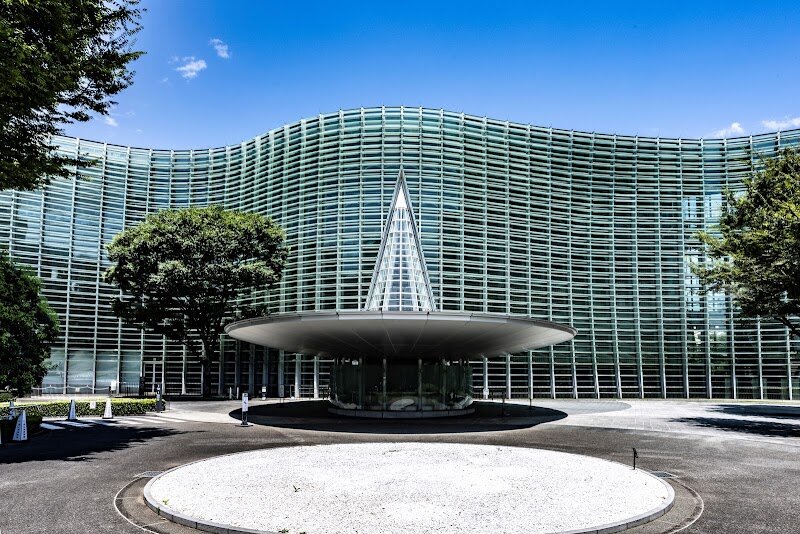
The National Art Center, Tokyo stands out as one of the city’s most imaginative and family-friendly destinations for art lovers and curious travelers alike. Opened in 2007 on the former site of the University of Tokyo’s Institute of Industrial Science, this landmark was the final masterpiece of famed architect Kisho Kurokawa, whose iconic wave-like glass façade and airy, light-filled spaces make the building itself a work of art. What truly sets the Center apart is its innovative approach—unlike traditional museums, it has no permanent collection. Instead, it offers one of Japan’s largest exhibition spaces, hosting a vibrant rotation of temporary exhibitions spanning classic masterpieces, contemporary art, manga, fashion, and more. Every visit promises something new to discover, making it perfect for families seeking fresh experiences. Beyond the galleries, visitors can enjoy hands-on workshops, engaging educational programs, and lively artist talks designed to inspire all ages. The Center’s inviting cafés, including the renowned Salon de Thé ROND featured in the film *Your Name*, and the elegant Paul Bocuse restaurant, offer relaxing spots to reflect on your visit. At the National Art Center, Tokyo, art becomes a living, ever-changing adventure for everyone.

Every morning at precisely 10 AM, sunlight streams through a wavelike glass curtain that defies gravity itself... Welcome to The National Art Center, where architecture breathes like a living organism. Standing here in Roppongi, you're witnessing the final masterpiece of Kisho Kurokawa, the visionary who founded Japan's Metabolism movement and believed buildings should grow and evolve like living creatures. This undulating glass facade conceals something extraordinary - you're standing on what was once a military installation, transformed into Japan's largest exhibition space at 14,000 square meters. But here's the secret most visitors miss... step inside and look up. Those two massive inverted cones suspended above you aren't just architectural drama - there are actual restaurants perched impossibly on top, defying every instinct about gravity and dining. The anime film "Your Name" made these floating dining rooms famous worldwide, but the real magic lies in Kurokawa's genius. That seamless glass wall eliminates the need for central support pillars, creating a cathedral of light where 12,000 artworks can dance together during the annual NITTEN exhibition - the largest art show in all of Japan. Every curve here whispers of transformation... just like the military grounds beneath your feet became a temple to creativity.

building

Tokyo Photographic Art Museum

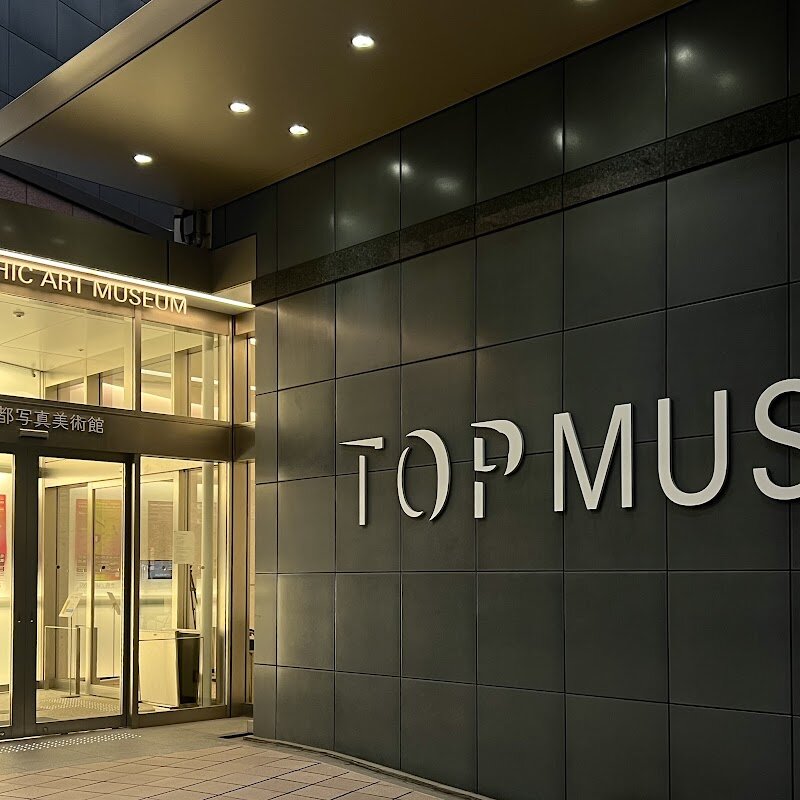
The Tokyo Photographic Art Museum, nestled in vibrant Yebisu Garden Place, is a treasure trove for families and curious travelers eager to explore the world through the lens of photography and film. Opened in 1995 and renovated in 2016, this welcoming museum stands out as one of the few institutions globally dedicated exclusively to the art of still and moving images. Its vast collection of over **37,000 works** spans everything from early daguerreotypes and cyanotypes to cutting-edge contemporary pieces, offering a fascinating journey through the history and evolution of photography. Visitors can wander through three floors of thoughtfully curated galleries, each hosting dynamic exhibitions that feature legendary artists like Ansel Adams and Robert Capa, alongside bold new voices in the field. Families will appreciate engaging programs, workshops, and special events designed to spark creativity in children and adults alike. The museum’s lively film screenings and hands-on library invite everyone to dive deeper into the stories behind the images. Whether you’re captivated by iconic historical moments or inspired by innovative visual storytelling, the Tokyo Photographic Art Museum promises an enriching, interactive experience for all ages—a true hub where the past, present, and future of photographic culture come alive.

The year is 1995, and Japan just opened its very FIRST photography museum right here in Ebisu Garden Place! You're standing where visual storytelling became an art form. These three exhibition galleries hold over 36,000 photographs - that's enough for every kid in your school to have their own giant collection! What most visitors miss is the first-floor hall that screens art films, making this one of only a handful of museums worldwide combining photography AND moving pictures. Twenty exhibitions rotate yearly, so each visit is like opening a completely different treasure chest of captured moments!

landmark

Zero Milestone In Japan

Zero Milestone in Tokyo is a fascinating landmark where families and curious travelers can step right into the heart of Japan’s history. Located in the lively Chuo City district, this stone marker isn’t just a point on a map—it’s the official starting point from which all road distances across Japan are measured. Dating back to the early 17th century, when Tokyo was known as Edo, the milestone was established on the iconic Nihonbashi Bridge, the gateway for merchants and travelers embarking on journeys throughout the country. Visitors of all ages will be captivated by the blend of old and new: intricate stonework and historical inscriptions invite you to imagine centuries of adventure and trade, while the surrounding area buzzes with modern life, shops, and eateries. Families can explore the nearby waterways, snap memorable photos against the backdrop of Tokyo’s skyline, and even embark on local cruises that highlight the city’s transformation from feudal hub to global metropolis. The Zero Milestone offers a unique opportunity to connect with Japan’s cultural heritage and experience the vibrant pulse of Tokyo—a place where every journey begins and stories of the nation’s past come alive.

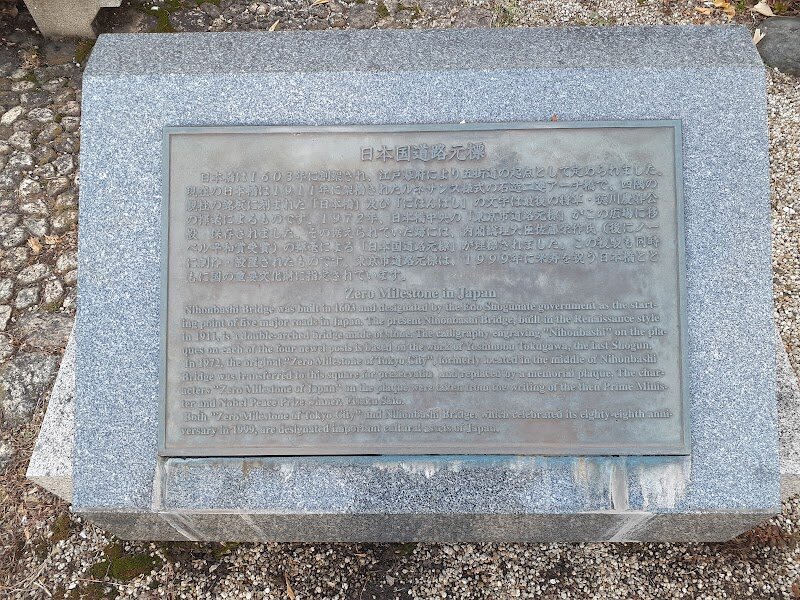
That bronze plaque beneath your feet holds the brushstrokes of a Nobel Peace Prize winner... and marks the exact spot where every journey in Japan once began. Prime Minister Eisaku Sato himself penned the characters "Zero Milestone of Japan" that you see gleaming here in this quiet square in Nihonbashimuromachi. But this unassuming marker holds a secret that would astonish the samurai who once thundered past this very point. In 1603, when Tokugawa Ieyasu built the original wooden bridge just steps from where you stand, he declared this the beating heart of an empire... the starting point for five great highways that stretched like arteries across all of Japan. Every distance in the entire nation was measured from this single spot. Look up at that stone bridge arching above you now. Those elegant Renaissance arches, built in 1911, bear something extraordinary that most visitors never notice... the calligraphy carved into each of the four corner posts was brushed by Yoshinobu Tokugawa himself, the very last Shogun of Japan. Imagine... the final ruler of feudal Japan left his artistic signature on the bridge that symbolized his ancestors' vision of a connected nation. The original milestone stood right in the center of that bridge until 1972, when it was moved here to this square for safekeeping. Now an expressway roars overhead, but beneath these stones, you're standing at the geographical soul of Japan... where every road once led home.

museum

Taro Okamoto Memorial Museum

Step into the vibrant world of **Taro Okamoto Memorial Museum**, a hidden gem nestled in Tokyo’s upscale Minami-Aoyama neighborhood. Housed in the legendary artist’s former home and studio, this museum offers a rare glimpse into the creative life of **Taro Okamoto** (1911–1996), one of Japan’s most influential postwar painters and sculptors. Families and curious travelers will find themselves immersed in Okamoto’s pop-surrealist universe, where ancient Jomon motifs dance with bold, manga-inspired forms and colors. What makes this place truly special is its authenticity—the original studio and living spaces are preserved, allowing visitors to walk through the very rooms where Okamoto lived and worked for over forty years. Outside, a wild, sculpture-filled garden invites exploration and sparks imagination, with plants and art harmonizing in a way that feels both untamed and magical. Through themed exhibitions, hands-on activities, and a unique atmosphere, guests of all ages can discover why Okamoto’s motto, “Art is an explosion,” continues to inspire generations. Whether you’re an art lover or simply curious about Japanese culture, the Taro Okamoto Memorial Museum promises a vivid, unforgettable journey into creativity and history.

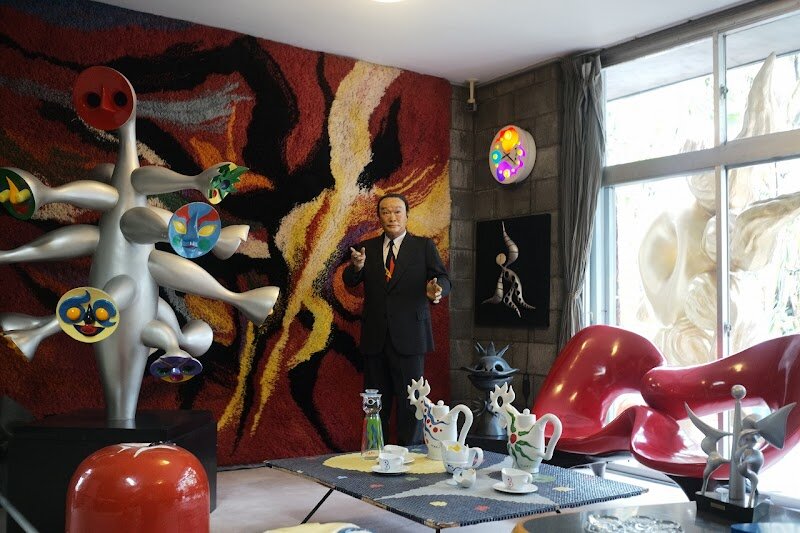
Ten years. That's how long Taro Okamoto lived in Paris absorbing surrealist madness before returning to create Japan's most explosive art right here in this convex lens-shaped house. You're standing outside what locals call the "bubble house" - designed in 1954 by Le Corbusier's student after Allied bombs destroyed the Okamoto family's original home on this very spot. That bulging facade isn't just quirky architecture... Okamoto specifically requested this curved design to reject traditional Japanese aesthetics. Inside, you'll find his actual studio frozen in time, complete with a disturbingly lifelike wax figure of the artist himself still "working" at his easel. The real treasure though? Step into the garden where his infamous "chairs that refuse to be seated" wait - dome sculptures with grotesque faces that dare you to sit. This is where the man who declared "Art is an explosion!" created the 70-meter Tower of the Sun that still dominates Osaka, proving that the most radical art often comes from the most unlikely Tokyo backstreets.

building

Old Cathedral of St. Joseph

Step into the heart of Tokyo’s storied past at the **Old Cathedral of St. Joseph**, a place where history, faith, and architectural beauty come together in a truly memorable experience for families and curious travelers alike. As the **first Catholic church in Tokyo**, founded in 1874 by French missionaries, this remarkable landmark stands as a testament to resilience—rebuilt after the devastating 1923 Great Kantō earthquake and lovingly maintained for generations. Modelled after La Madeleine in Paris, the cathedral’s **neoclassical facade**, with its six imposing Doric columns and gable carved with lilies and roses, immediately captures the imagination. Inside, visitors can sense the spirit of hope that carried early Christians through times when practicing their faith was forbidden in Japan. Today, the tranquil atmosphere invites families to reflect, discover centuries-old traditions, and admire the artistry that fills the space. Whether you’re drawn by its 150 years of history, its unique European-inspired design, or the stories of perseverance and community, the Old Cathedral of St. Joseph offers an inspiring glimpse into Tokyo’s multicultural heritage—an enriching stop for explorers of all ages.

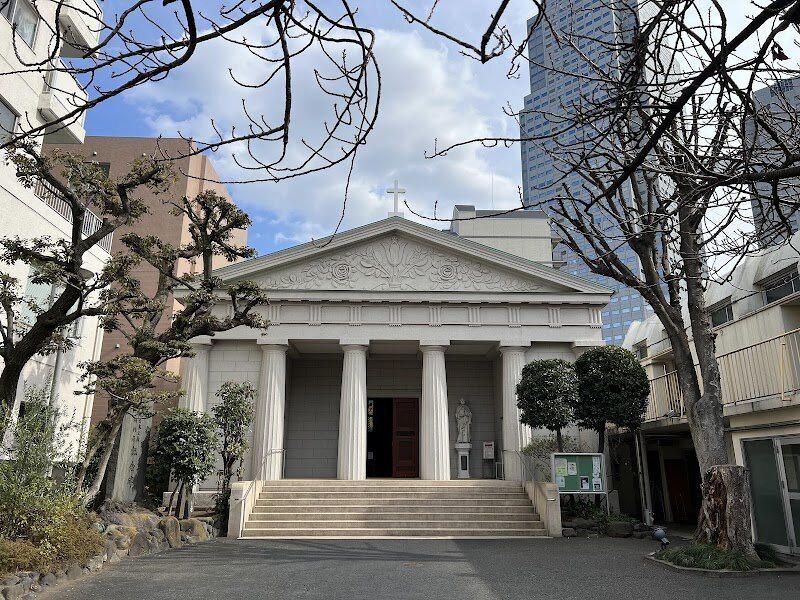
900 square meters of land for 1874 yen—that's what French missionaries paid to build Tokyo's very first Catholic church, and what you're looking at now couldn't be more surprising. While every other church in Japan follows Gothic or traditional designs, this one boldly mimics the ancient Greek Parthenon, complete with six massive Doric columns that make it look more like Athens than Tokyo. Here's the wild part—this entire building is actually a phoenix risen from ashes. The original 1878 cathedral was a gorgeous Gothic red brick structure, but the 1923 Great Kanto Earthquake completely destroyed it. When Archbishop Ray rebuilt it in 1927, he shocked everyone by choosing this Greek temple design inspired by Paris's La Madeleine church. Look closely at that triangular pediment above the columns—those aren't typical church symbols but hand-carved roses and lilies that somehow survived multiple reconstructions. You're standing in what was once Japan's most exclusive neighborhood, the Tsukiji Foreign Settlement, established in 1869 when this area was literally just loose sand from the Sumida River delta. Inside, only one treasure survived that devastating earthquake—a statue of St. Peter that still bears visible damage, now preserved as a memorial to that catastrophe. This little wooden building served as Tokyo's official cathedral for 46 years until 1920, making it the humble birthplace of Catholic Tokyo.

museum

Yamatane Museum of Art

Nestled in the vibrant heart of Tokyo, the **Yamatane Museum of Art** invites families and curious travelers to discover the captivating world of *nihonga*—Japanese painting that beautifully blends tradition and innovation. Opened in 1966, this pioneering museum was the first in Japan devoted exclusively to *nihonga*, thanks to the vision of Taneji Yamazaki, a passionate art collector who believed that “painting is a personality”. The museum’s collection, now numbering over 1,800 works, showcases masterpieces from the Meiji era onward, including treasures designated as Important Cultural Properties—an extraordinary honor for modern Japanese art. Visitors can marvel at exquisite landscapes, delicate flora, and scenes from Japanese life, with rotating exhibitions ensuring there is always something new to experience. Children and adults alike will be enchanted by vibrant seasonal displays and the chance to encounter works by celebrated artists such as Hayami Gyoshū, Kawai Gyokudō, and Okumura Togyū. With its mission to share the beauty of Japanese painting and inspire wonder, the Yamatane Museum offers an enriching journey into Japan’s artistic heritage—a perfect destination for families and travelers eager to explore the heart and soul of Japanese culture.

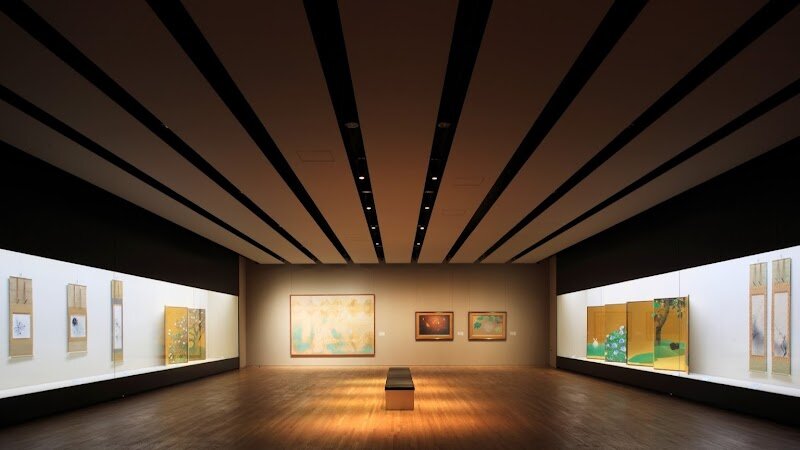
This museum displays Japan's most traditional art form... but it was built by a securities trader who collected paintings like he collected friends. Taneji Yamazaki didn't just buy art in 1966 when he founded this place - he befriended the living artists who created it, turning business relationships into brushstrokes of intimacy. Standing here in Hiroo, you're entering Japan's very FIRST museum dedicated entirely to nihonga, those ethereal watercolor paintings that seem to breathe with mist and moonlight. Behind these walls rest 1,800 works, including six pieces so precious they're designated Important Cultural Properties - a rarity for modern Japanese art that most museums can only dream of possessing. Look for the gallery housing 120 paintings by Hayami Gyoshū, whose "Dancing in the Flames" captures souls in perpetual motion. Yamazaki knew Gyoshū personally, watching him paint, sharing sake, building trust one conversation at a time. This isn't just a museum - it's a love letter written in watercolor, where a businessman's friendships became Japan's most intimate collection of contemporary beauty.

museum

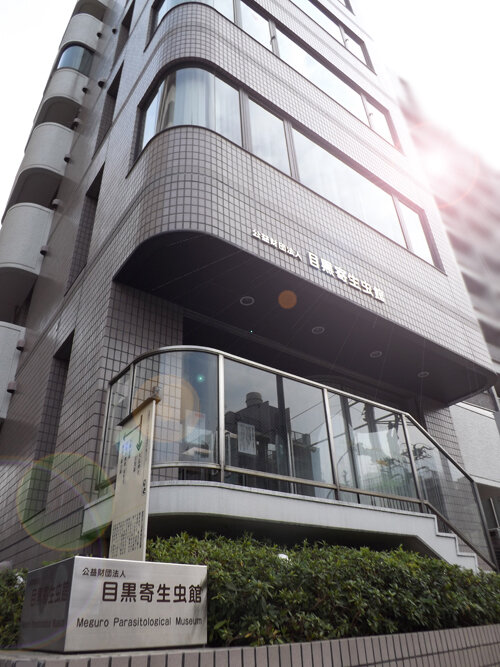
Meguro Parasitological Museum

Step into the **Meguro Parasitological Museum** in Tokyo, and you’ll discover a world both fascinating and delightfully eerie—a one-of-a-kind destination sure to intrigue families and curious travelers alike. Founded in 1953 by Dr. Satoru Kamegai, a physician inspired by postwar Japan’s struggles with parasitic diseases, this museum is the only institution in the world entirely dedicated to the science of parasites. Spread across two floors, the exhibits offer an up-close look at over 300 preserved specimens from a research collection of 60,000. The first floor introduces the *astonishing diversity of parasites*, complete with educational displays and videos. Upstairs, visitors can marvel (or shudder) at parasites that affect humans—including the museum’s star attraction: an **8.8-meter-long tapeworm**, displayed alongside a rope of the same length for dramatic effect. Beyond the “ick” factor, the museum provides a captivating, educational experience that demystifies these misunderstood creatures and their impact on health and history. A quirky gift shop awaits at the end, offering unique souvenirs like acrylic-encased parasites—a perfect memento from one of Tokyo’s most unusual and memorable attractions.

This building in Shimomeguro is completely free to enter, yet it houses the world's most expensive collection you'd never want to own. Step closer to this modest two-story structure at 4-1-1 Shimomeguro, and you're approaching the planet's only museum dedicated entirely to parasites - creatures that have been humanity's most intimate and unwelcome companions for millennia. Dr. Satoru Kamegai opened these doors in 1953 with a vision so peculiar that even today, couples consider it a romantic date destination. The building's clean white facade gives no hint of the 60,000 specimens lurking within, but as you cross the threshold, you're entering a world where every jar contains a story of survival... just not the kind you'd hope for. Look up as you climb to the second floor - somewhere in these walls hangs the museum's crown jewel: an 8.8-meter tapeworm that once called a human body home, stretched longer than a city bus. The patient had simply eaten fish containing a young parasite, never knowing they were nurturing what would become this record-breaking resident. In the gift shop, you can purchase keychains with actual parasites suspended in acrylic - because nothing says "I visited Tokyo" quite like carrying a preserved worm in your pocket. Here in Meguro, they've turned humanity's oldest fears into the world's strangest pilgrimage.

museum

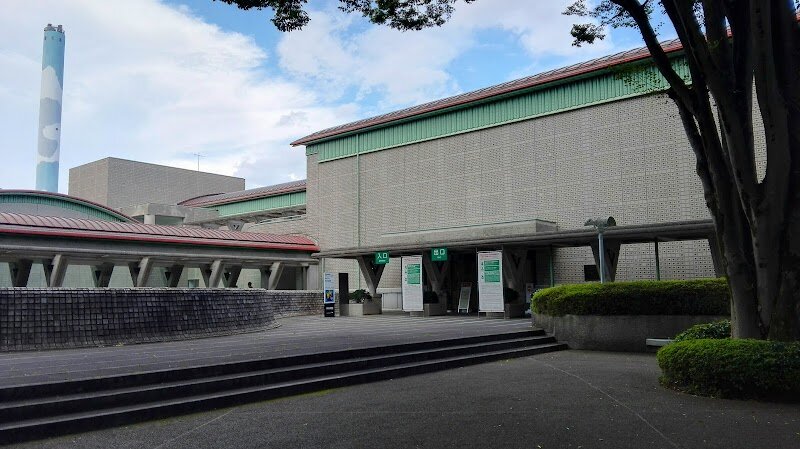
Setagaya Art Museum

Setagaya Art Museum is one of Tokyo’s hidden gems where art, nature, and community beautifully intertwine. Opened in 1986 and nestled in the lush surroundings of Kinuta Park, the museum’s striking architecture—designed by Shozo Uchii—harmoniously blends modern lines with traditional Japanese elements, inviting visitors into a tranquil world of creativity. What sets Setagaya apart is its dynamic approach: families and curious travelers will find ever-changing exhibitions that showcase both renowned and emerging artists, from contemporary Japanese photography to international collaborations. The museum’s impressive collection boasts around 16,000 works, featuring artists with local connections as well as luminaries like Henri Rousseau and Kitaoji Rosanjin. Beyond its galleries, Setagaya Art Museum is a true community hub. Visitors can participate in interactive workshops, attend family-friendly events, or simply relax at the on-site café after exploring the museum shop and art library. The museum’s deep ties to the local area—born from the post-Great Kanto Earthquake influx of artists—make it a living testament to Setagaya’s rich cultural heritage. Here, art appreciation becomes an immersive, inspiring experience for all ages.

This art museum is completely invisible from the street... but it's hiding 16,000 artworks just steps from where you stand! Architect Shozo Uchii designed this sneaky building in 1986 to disappear among Kinuta Park's tall trees, using triangular shapes everywhere - look for them in the walkways under your feet and carved into the corridors inside! The famous artist Tadanori Yokoo was so excited when this place opened, he painted a special artwork right here during the opening ceremony. Ready to hunt for those secret triangles?

museum

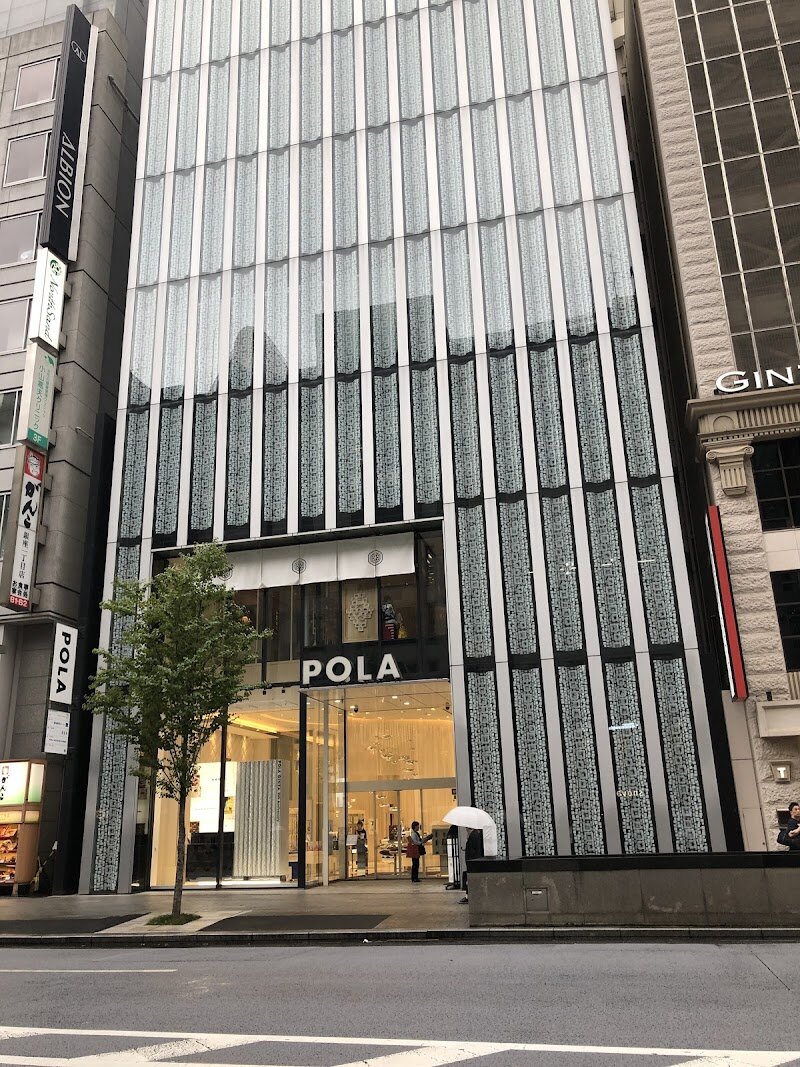
Pola Museum Annex

The **Pola Museum Annex** in Tokyo’s vibrant Ginza district offers a refreshing escape into the world of contemporary art, making it a must-visit for families and curious travelers alike. Connected to the renowned Pola Museum of Art in Hakone, the Annex opened in 2009 and has quickly become a hub for showcasing the dynamic works of young Japanese artists, providing a platform where creativity flourishes in the heart of the city. What sets the Pola Museum Annex apart is its welcoming, community-oriented atmosphere—an open gallery space just steps from stylish cafes, where visitors of all ages can immerse themselves in ever-changing exhibitions. These thoughtfully curated shows highlight not only cutting-edge contemporary art but also echo the museum’s rich heritage, with ties to a collection spanning Impressionist masters like Renoir and Kandinsky, and Western-style Japanese works. Families will appreciate the inviting environment, subdued lighting, and the chance to spark children’s imaginations through interactive and visually engaging displays. Whether you’re a seasoned art lover or a first-time visitor, the Pola Museum Annex promises a memorable experience, blending Tokyo’s urban energy with the creative spirit of Japan’s emerging artists.

That shiny wall above you isn't just pretty glass - it's actually designed to look like giant water drops frozen in mid-splash! When they built this Pola Museum Annex in 2009 to celebrate the company's 80th birthday, architects created something totally wild: a building that transforms into a glowing jewel box every single night using special LED lights that make those water-drop windows shimmer like diamonds. Here on the third floor of this Ginza tower, you're standing above one of Japan's most impressive art collections - they've got the biggest bunch of impressionist paintings in the entire country, with nearly 10,000 artworks collected over decades by a man who just loved beautiful things so much he had to share them with everyone. Look for the matt aluminum panels mixed between those glass drops - they're like puzzle pieces that help this building breathe and glow after dark!

landmark

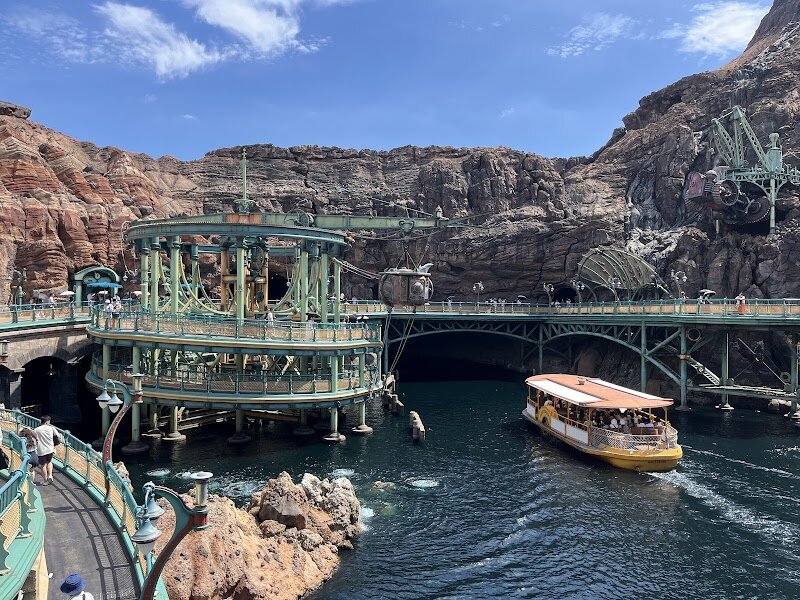
Tokyo DisneySea

Tokyo DisneySea is a one-of-a-kind theme park that brings the magic of Disney to life through an enchanting maritime lens, making it a must-visit for families and adventurous travelers alike. Opened in 2001 as the world’s first Disney park themed entirely around the sea, it was born from a bold vision to create a destination filled with adventure, romance, and discovery, unlike anything seen before in the Disney universe. Step into seven uniquely crafted “ports of call,” from the Mediterranean Harbor’s Venetian canals to the mysterious Arabian Coast and the futuristic Port Discovery. Each area immerses guests in breathtaking scenery, thrilling attractions, and world-class entertainment, all inspired by oceanic myths and global exploration. Families can soar on “Jasmine’s Flying Carpets,” journey through ancient ruins on “Indiana Jones Adventure,” or be dazzled by spectacular water shows that light up the night. Tokyo DisneySea stands apart for its attention to detail, storytelling, and sense of wonder, welcoming guests of all ages to share moments of joy and imagination. Whether you’re a Disney fan or a curious traveler, this park promises an unforgettable blend of fantasy and adventure on the shores of Tokyo Bay.

This Disney park has no castle, no Main Street, and sits on land that didn't exist fifty years ago. Tokyo DisneySea, built entirely on reclaimed land from Tokyo Bay, became the world's only Disney park themed entirely to sea myths and legends when it opened in 2001. What you're seeing isn't just creative architecture... that towering Mount Prometheus behind you actually ERUPTS throughout the day, shooting steam and fire from its peak while housing an entire themed land called Mysterious Island inside its hollowed volcanic core. Unlike every other Disney park on Earth, DisneySea replaced the traditional castle with eight distinct maritime ports, each representing different sea cultures and eras. That massive ship docked in American Waterfront? It's the full-sized SS Columbia, a completely functional steamship that serves as both attraction and restaurant. The Venetian gondolas gliding through Mediterranean Harbor aren't just for show either... they're operated by actual gondoliers who trained in Venice, Italy. Here's what locals know that most visitors miss: the newest Fantasy Springs area that opened in 2023 cost over 2 billion dollars to build, making it the most expensive themed land in Disney history. As you wander through Urayasu today, you're walking on what was once open ocean, transformed into perhaps the most elaborately themed amusement park ever created.

landmark

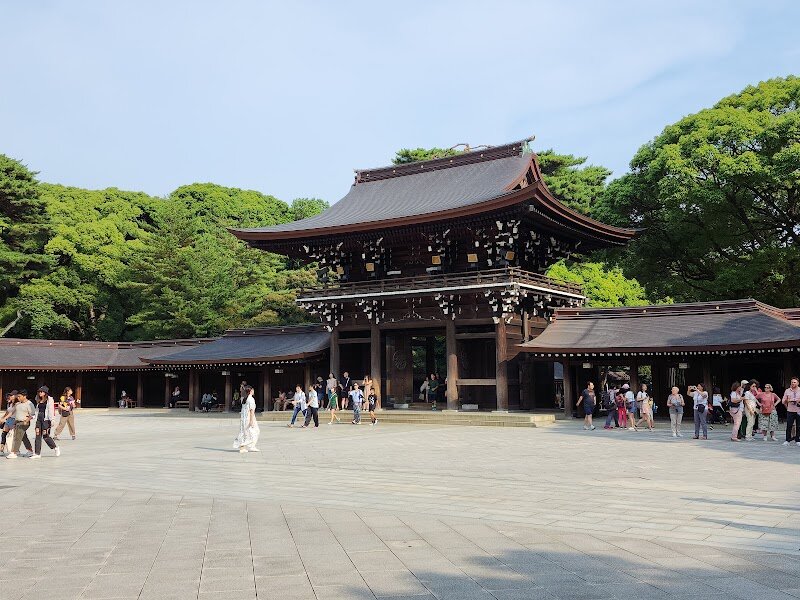
Meiji Jingu

Step into the tranquil embrace of **Meiji Jingu**, Tokyo’s most beloved Shinto shrine and a peaceful oasis in the heart of the city’s vibrant bustle. Hidden within a lush, sprawling forest of over 100,000 trees—planted by volunteers from across Japan—this sacred site honors **Emperor Meiji** and **Empress Shoken**, visionary leaders who guided Japan’s transformation from feudal society to modern nation during the late 19th century. Families and curious travelers alike are enchanted by the dramatic contrast: just moments from the fashionable Harajuku district, you’ll pass beneath towering wooden torii gates into a world of dappled sunlight, winding paths, and serene beauty. Children delight in spotting the imperial chrysanthemum crest and exploring the tranquil gardens, while adults appreciate the rich history—Meiji Jingu was built in 1920 to celebrate Japan’s new era of openness and progress, rebuilt after World War II to embody resilience and unity. Visitors can witness traditional Shinto rituals, write wishes on wooden ema plaques, and, if lucky, catch a glimpse of a wedding procession in elegant kimono. Whether you seek quiet reflection or a memorable cultural experience, Meiji Jingu offers a timeless escape for every generation.

Over 100,000 trees surround you right now - that's like planting a tree for every person in a massive stadium! Each one was gifted from different corners of Japan when this shrine was built in 1920. You're standing in busy Shibuya next to wild Harajuku Station, yet this feels like a secret forest kingdom. Emperor Meiji himself chose these iris varieties - 1,500 plants that paint everything purple and lavender every June! After World War Two bombs destroyed it all, Japan spent what equals 26 million dollars today rebuilding this magical place in 1958. Can you spot the birds hiding in these donated trees from across the entire country?

building

Port Opening Memorial Hall

Step into a living piece of history at the **Yokohama Port Opening Memorial Hall**, affectionately known as "Jack's Tower." This striking red-brick building, completed in 1917, stands as a proud symbol of Yokohama’s transformation from a quiet fishing village to Japan’s gateway to the world after the port opened in 1859. Families and curious travelers alike will be captivated by the hall’s neo-renaissance architecture, complete with an elegant clock tower and vibrant stained glass windows that tell stories from Yokohama’s earliest days as an international port. Inside, visitors can marvel at the beautifully restored interiors, including the intricate stained glass that was painstakingly brought back to life after the Great Kanto Earthquake. Children will love the sense of stepping back in time, while adults can appreciate the building’s role as an Important Cultural Property and its resilience through history—including wartime requisition and multiple restorations. Whether you’re tracing the footsteps of early traders, admiring the night-time illumination, or simply soaking in the grandeur of this Taishō period masterpiece, the Port Opening Memorial Hall offers a unique, immersive experience for all ages—a true celebration of Yokohama’s enduring spirit and global heritage.

That clock face hasn't stopped ticking since 1917, even when the entire interior burned down around it during the Great Kanto Earthquake. You're standing before Jack's Tower, the 36-meter red-brick clocktower that locals named after sailors who once flooded these Honcho streets when ships docked at Yokohama Port. Here's what'll blow your mind - this entire neo-Renaissance masterpiece was built with nothing but citizen donations to celebrate the port's 50th birthday. Every single brick was paid for by regular Yokohama folks who wanted something grand to mark their place in history. The building you see survived that devastating 1923 earthquake, but everything inside turned to ash except those exterior walls. Step inside and look up at those stained glass windows on the second floor - one actually depicts Commodore Perry's flagship USS Powhatan from his 1854 arrival right here where this building now stands. After World War II, American forces occupied this hall for thirteen years, turning Yokohama's pride into their headquarters until 1958. Today, Jack still serves the community as Naka Ward's public meeting hall, making it the only one of Yokohama's famous Three Towers that regular citizens can actually walk inside and use for weddings, concerts, and city business.

building

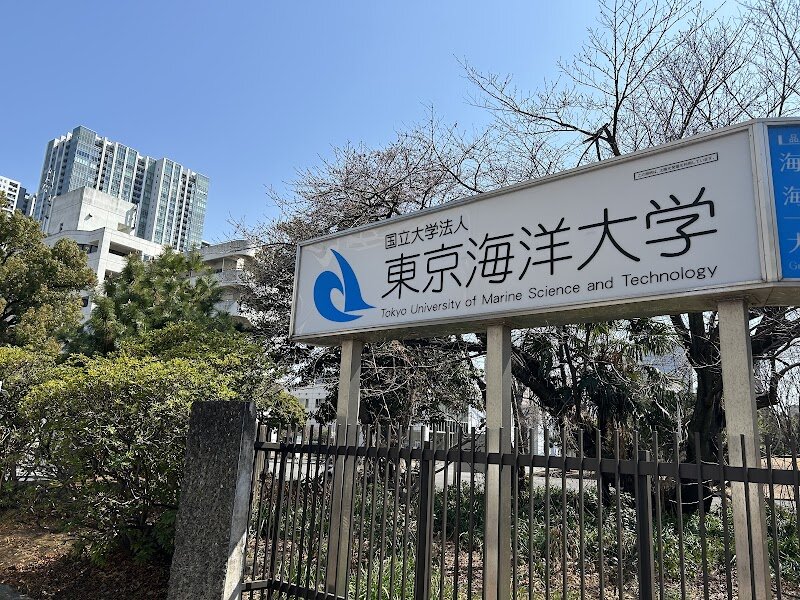
Tokyokaiyo University

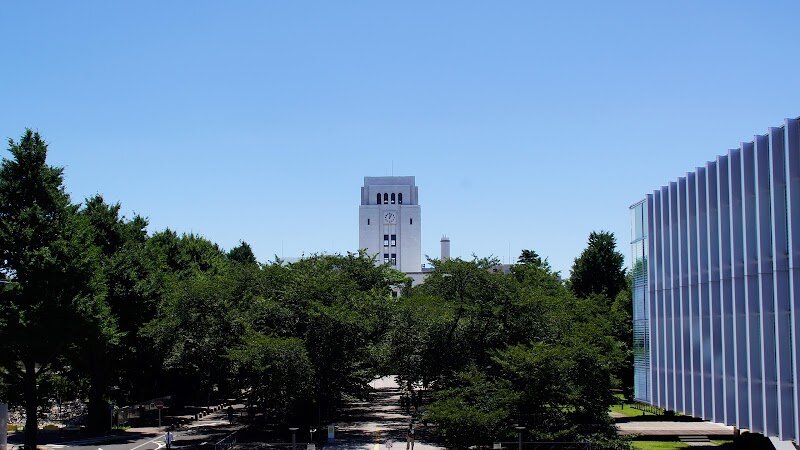
Tokyokaiyo University, officially known as the Tokyo University of Marine Science and Technology, offers families and curious travelers a fascinating glimpse into Japan’s deep connection with the sea. Formed in 2003 by merging the historic Tokyo University of Mercantile Marine (founded in 1875) and the Tokyo University of Fisheries (founded in 1888), the university stands as a testament to Japan’s maritime heritage and innovation. Visitors can explore campuses that blend tradition with cutting-edge marine research, where the spirit of adventure and discovery is palpable. Imagine walking the halls where pioneering navigators and fisheries scientists trained to chart new waters and sustain ocean life. The university’s museums and research centers often showcase interactive exhibits on marine technology, ocean exploration, and sustainable fisheries, making it an engaging educational experience for children and adults alike. Set against the vibrant backdrop of Tokyo, Tokyokaiyo University invites you to dive into the world of ocean sciences—whether you’re fascinated by historic ships, marine biology, or the latest in ocean engineering. It’s a unique destination where Japan’s past and future on the water come alive, promising inspiration and discovery for every curious mind.

The year is 1875, and Iwasaki Yatarō, founder of the mighty Mitsubishi empire, is establishing Japan's first private nautical academy in a bold vision that would eventually sail to this very spot in Kōnan. You're standing before Tokyo University of Marine Science and Technology, but this institution carries the DNA of something far more dramatic... a school born from the dreams of shipping magnates and the tears of wartime separation. This remarkable building houses what became Japan's most unique university merger story. In 2003, two proud institutions that had been separated for over a century were finally reunited under one roof. The Tokyo University of Fisheries, which had called Minato home, joined forces with its maritime sibling from across the city, creating the only comprehensive marine science university in Japan. As you approach the modern facade here in Kōnan district, you're witnessing something unprecedented... during World War II in 1945, Japan's three great nautical colleges were forcibly merged and relocated to Shimizu, but this institution fought its way back to Tokyo by 1957. The very ground beneath your feet in this sophisticated corner of Minato represents maritime education's triumphant return to the capital. Step inside these halls where future ship captains and marine biologists now share the same corridors, and you'll discover that this fusion created something that had never existed before... a university where ancient fishing wisdom meets cutting-edge ocean technology, all within sight of Tokyo Bay itself.

museum

NHK Studio Park

Step into the captivating world of **NHK Studio Park**, Tokyo’s gateway to the magic of Japanese broadcasting. Nestled in lively Shibuya, this interactive attraction invites families and curious travelers behind the scenes of NHK—Japan’s influential public broadcaster, established in 1925. Here, history comes alive: explore exhibits tracing NHK’s journey from early radio days to cutting-edge digital TV, marvel at vintage microphones and retro television sets, and discover how NHK has helped shape Japan’s culture over the decades. What truly sets NHK Studio Park apart is its hands-on experiences. Visitors of all ages can step into the spotlight—try reading the news from a teleprompter, test your skills as a voice actor for popular anime, or even participate in a live studio recording. Kids especially love donning the role of announcer or weather forecaster, while adults gain a new appreciation for the artistry behind television production. With interactive displays, behind-the-scenes tours, and chances to see real NHK crews in action, NHK Studio Park offers an unforgettable blend of education and entertainment—a must-visit for anyone eager to discover the heart of Japanese media.

The chocolate-brown creature grinning from every corner of this building hatched from an egg in 1998 and accidentally became Japan's most beloved television monster. Domo-kun's toothy smile now welcomes you to NHK Studio Park, where Japan's national broadcasting empire built its Shibuya headquarters right here in Jinnan district, transforming what was once quiet residential streets into the beating heart of Japanese television. Step inside this gleaming broadcasting complex and you'll face a 150-inch Hi-Vision screen that has captured nearly one million startled visitor faces each year, each person suddenly starring in high-definition television without warning. Behind you, the building's cutting-edge 3D Hi-Vision Theatre holds a world record - it's the only place on Earth where you can watch three-dimensional films without wearing any glasses whatsoever, a technology NHK pioneered that might revolutionize how we watch television in our homes. But here's what most visitors miss - for just 210 yen, less than the price of a convenience store coffee, you're entering the nerve center where some of Japan's most dramatic historical moments were broadcast to the nation. The dubbing studios around you have recorded voices for countless anime characters, while the mock news desks have trained thousands of wannabe broadcasters who discovered that wearing blue shirts makes you disappear into floating heads on camera.

museum

Tokyo Opera City Art Gallery

Tokyo Opera City Art Gallery is a dynamic hub for contemporary art, nestled within the vibrant Tokyo Opera City complex since 1999. What sets this gallery apart is its bold commitment to showcasing both established and emerging talents, making every visit a fresh adventure for families and curious travelers. Through about four thoughtfully curated special exhibitions each year, visitors are invited to explore everything from cutting-edge installations to evocative photography by Japanese and international artists. A highlight for many is the “project N” series, where young Japanese artists are given a rare platform to debut their work, sparking creativity and inspiring the next generation. The gallery’s roots are intertwined with the vision of painter Tatsuoki Nambata, and its impressive Terada Collection—over 4,000 works—offers a fascinating journey through Japan’s postwar art scene. The space itself is designed for immersion, with high ceilings, adaptable lighting, and a “white cube” layout that lets each artwork shine. Families will find the gallery’s ever-changing exhibitions both accessible and thought-provoking, providing opportunities to reflect, discuss, and experience art in new ways. Whether you’re a seasoned art lover or simply curious, Tokyo Opera City Art Gallery promises discovery, inspiration, and a glimpse into Tokyo’s ever-evolving cultural landscape.

That glass tower soaring 768 feet above you once got destroyed by Godzilla in a movie! You're at Tokyo Opera City Art Gallery, inside Shinjuku's third-tallest building - like stacking 78 school buses to the tippy-top! This gleaming tower opened in 1999 when your parents were kids, and inside, artists display work in a magical corridor called "project N" where emerging Japanese artists get their big break. Ready to ride elevators up to see art that touches the clouds?

landmark

Honju-in

Honju-in in Tokyo is a hidden gem that invites families and curious travelers to step into a world where history, spirituality, and everyday life beautifully intertwine. Founded centuries ago, this tranquil Buddhist temple has quietly watched the city transform, offering a peaceful sanctuary amid Tokyo’s vibrant energy. What makes Honju-in truly special is its welcoming atmosphere—children can wander the serene grounds, families can admire the intricate architecture, and everyone can enjoy seasonal temple festivals that bring the local community together. Visitors to Honju-in are treated to more than just quiet reflection; the temple’s centuries-old halls echo with stories of devotion and resilience, and its gardens provide a lush retreat from the city’s bustle. Throughout the year, you might encounter traditional ceremonies or cultural events that offer a glimpse into Japanese spiritual life. Whether you’re seeking a gentle introduction to Buddhist heritage or a restful pause in your travels, Honju-in’s blend of history, culture, and living tradition makes it a rewarding stop for all ages.

I understand you'd like an audio guide script for Honju-in temple in Minamimagome, Ota City, Tokyo. However, the search results provided don't contain specific information about this particular temple. The search results focus primarily on the Magome Writers Village area and the broader Ota City cultural heritage, but don't include details about Honju-in itself - its history, architecture, founding dates, or unique features. While I can see from the search results that this temple is located in an area rich with literary history where many of Japan's finest writers and artists settled in the early 1900s, I cannot provide the specific fascinating facts, historical details, architectural features, or unique stories about Honju-in temple without risking inaccuracy. To create the comprehensive and factually accurate audio guide you're looking for, I would need search results that specifically contain information about Honju-in temple's history, architecture, cultural significance, and unique characteristics.

museum

NYK Maritime Museum

Step into the fascinating world of Japan’s maritime past at the **NYK Maritime Museum in Tokyo**, where history comes alive for families and curious travelers alike. This engaging museum traces the dramatic transformation of Japanese shipping, beginning with the opening of Japan’s ports in the late 19th century—a pivotal moment that launched the country onto the global stage. Discover how visionary founder Yataro Iwasaki and the Mitsubishi Group revolutionized maritime transport, from humble sailboats to the mighty steamships that connected Japan with the world. What makes the NYK Maritime Museum truly special is its immersive exhibits: you’ll see historic photographs, detailed ship models, and artifacts like the Tensui-Oke rain barrel with its iconic Mitsubishi crest. Interactive displays, including compass-activated archival footage, invite you to explore the lives of pioneering mariners and the evolution of nautical education. Families will be captivated by stories of innovation, resilience through wartime challenges, and the enduring spirit that shaped both the NYK Line and modern Japan. Whether you’re marveling at ship memorabilia or uncovering tales of adventure and perseverance, the museum offers a memorable journey through the waves of history—perfect for travelers of all ages seeking inspiration and discovery.

Workers are carefully polishing brass fixtures and restoring vintage exhibits behind these Renaissance-style walls as the NYK Maritime Museum prepares to reopen in 2026 after its renovation. You're standing before Japan's most elegant shipping shrine, housed in a 1936 masterpiece that rose from the ashes of the Great Kanto Earthquake, its limestone facade and arched windows deliberately echoing the grand ocean terminals of Europe. This isn't just any maritime museum... it's the headquarters building of Nippon Yusen Kaisha, the company that launched Japan's very first passenger liner service back in 1875. Charlie Chaplin himself strolled through these marble halls in the 1930s, along with Japanese royalty, before boarding the luxury liner Hikawa Maru for trans-Pacific voyages. That ship still floats nearby at Yamashita Park, the only pre-war passenger vessel to survive the carnage that claimed 185 NYK ships during World War Two. Look closely at those red double stripes painted on the building's maritime flags... locals call them "Nibiki," and they tell the story of an 1885 merger that created Japan's shipping empire. Inside those towering windows, exquisite 1:48 scale models await your return, handcrafted by the same shipbuilders who launched vessels that carried Japan into the modern world.

landmark

Statue of Kusunoki Masashige

The **Statue of Kusunoki Masashige** stands proudly near Tokyo’s Imperial Palace, capturing the imagination of families and history lovers alike. Cast in pure bronze and completed in 1900, this dramatic monument honors Kusunoki Masashige, a legendary 14th-century samurai famed for his unwavering loyalty and strategic brilliance. Masashige’s story is one of courage and sacrifice: he supported Emperor Go-Daigo in a turbulent era, ultimately giving his life in a last stand that would enshrine him as a symbol of honor and devotion in Japanese culture. Visitors are greeted by the powerful image of Masashige astride his horse, clad in detailed armor, gazing toward the palace as if still awaiting the emperor’s return. The statue’s craftsmanship is remarkable—each feature, from the warrior’s resolute expression to the horse’s lifelike stance, was meticulously researched and cast using innovative techniques for its time. Families and curious travelers will enjoy exploring the surrounding gardens, snapping memorable photos, and sharing the tale of a samurai whose spirit still inspires Japan today. The statue is not just a photo spot—it’s a gateway to centuries of history, inviting everyone to step into the world of samurai legends.

Right now, you're standing next to the ONLY pure bronze statue in all of Tokyo - and that's what saved it from a massive earthquake! This four-meter-tall bronze horse and samurai weighs more than THREE school buses combined, and when the Great Kanto Earthquake shook the city in 1923, lighter statues toppled everywhere, but this heavyweight champion stayed put! The horse was cast in SEVEN separate pieces like a giant metal puzzle, and the samurai on top once declared he'd give SEVEN LIVES for his emperor - talk about being super loyal! Look for the tiny seam lines where those pieces connect - it's like finding the edges of the world's heaviest jigsaw puzzle!

museum

Panasonic Shiodome Museum of Art

Nestled in Tokyo’s vibrant Shiodome district, the Panasonic Shiodome Museum of Art is a cultural gem that invites families and curious travelers to discover an inspiring blend of art, design, and history. Opened in 2003 as part of Panasonic’s commitment to enriching society through the arts, the museum stands out for its unique focus on the celebrated French artist Georges Rouault. Home to one of the world’s largest collections of Rouault’s works—including expressive paintings and evocative prints spanning his entire career—the museum’s dedicated Rouault Gallery is a highlight for art lovers of all ages. Beyond its permanent collection, the museum curates captivating special exhibitions that explore themes ranging from architecture and living spaces to design and applied arts, often connecting global ideas with Japanese culture. Interactive displays and family-friendly exhibits, such as those delving into the fascinating world of Roman and Japanese bathhouses, make each visit a new adventure. Set within a sleek, urban building, the museum offers an inviting space where visitors can experience creativity in many forms, sparking curiosity and conversation across generations.

This sleek corporate tower hides one of the world's most extraordinary secrets... locked away on the fourth floor of what appears to be just another office building in Tokyo's gleaming Shiodome district. As you ride the elevator up past floors of business meetings and boardrooms, you're ascending toward something impossible: nearly two hundred and forty masterpieces by Georges Rouault, the tormented French expressionist who painted clowns with the souls of saints and saints with the faces of clowns. When this museum opened in April 2003, Panasonic executives made a radical decision... they would house one of the largest collections of Rouault's work outside of France in their corporate headquarters, transforming cold office space into hallowed artistic ground. Step inside and the transformation is breathtaking. The sterile corporate corridors give way to intimate galleries where Rouault's thick, jewel-toned paintings seem to pulse with spiritual intensity. These aren't just any Rouault pieces... they span his entire career from 1871 to 1958, including some of his most haunting religious works and carnival scenes that blur the line between sacred and profane. What makes this even more remarkable? This isn't a traditional museum at all, but Panasonic's bold experiment in corporate social responsibility... proving that even in Japan's most business-focused district, art can transform souls just steps away from conference rooms and copy machines.

museum

Nezu Museum

Nestled amid the chic streets of Aoyama, the **Nezu Museum** is a hidden oasis that invites families and curious travelers to explore the heart of Japanese artistry and nature. Established in 1941 to showcase the remarkable collection of Nezu Kaichirō—a visionary businessman and passionate art lover—the museum holds over 7,000 treasures spanning **pre-modern Japanese and East Asian art**. Step inside the strikingly modern building, redesigned by renowned architect Kengo Kuma, and wander through airy galleries featuring ancient calligraphy, exquisite ceramics, samurai armor, and even a certified national treasure from the 8th century. But the experience doesn’t end with art. Beyond the galleries, a lush Japanese garden unfurls, dotted with teahouses and winding paths—perfect for children to roam and families to relax together. The museum’s tranquil setting and hands-on tea culture displays offer a peaceful retreat from the city’s buzz, making it a favorite for both locals and visitors. Whether you’re marveling at centuries-old masterpieces or strolling beneath bamboo and maple trees, the Nezu Museum promises an inspiring journey through history, creativity, and serenity.

7,400 ancient artworks live inside this bamboo-fenced building in Tokyo's Omotesando district - that's like your whole school bringing treasures from across Asia! Railway president Nezu Kaichirō built his collection on this exact spot where his family home once stood. Inside Kengo Kuma's modern design, you'll find seven National Treasures including 3,000-year-old Chinese bronzes from the Shang Dynasty. The coolest secret? Every single piece survived World War II because they were all secretly moved to safety before bombs hit Tokyo in 1945!

museum

Mitsubishi Minatomirai Industrial Museum

Step into a world where imagination meets innovation at the **Mitsubishi Minatomirai Industrial Museum**, a must-visit destination for families and curious travelers eager to discover the marvels of Japanese technology. Opened in 1994 by Mitsubishi Heavy Industries, this engaging museum celebrates over a century of pioneering spirit—from its origins in shipbuilding to achievements in aerospace, deep-sea exploration, and sustainable energy. Spread across two vibrant floors, the museum invites visitors of all ages to get hands-on with **interactive exhibits** that bring science and engineering to life. Young explorers can test their skills in the Space Zone’s “Astronaut Aptitude Test,” operate a robot arm simulator, or climb aboard a full-scale model of the Shinkai 6500 submersible, which has ventured to the deepest parts of the ocean. Budding engineers and history buffs will be fascinated by scale models of rockets, jet engines, submarines, and the Mitsubishi Regional Jet, while the Land Zone’s immersive displays reveal how cutting-edge technology is shaping a sustainable future. More than just a showcase of machines, the Mitsubishi Minatomirai Industrial Museum is a celebration of human curiosity and ingenuity, designed to inspire the next generation of innovators—making it a memorable highlight for any visit to Yokohama.

The year is 1994, and Mitsubishi just built something incredible on the first two floors of their Yokohama tower - actual SPACE ENGINES that have blasted rockets to the stars! You're standing above real LE-7A engines that powered Japan's H-IIA rockets into orbit, engines so powerful they could launch a school bus to the moon in just three days. Inside, you can climb into Japan's very FIRST passenger jet cockpit and design your own lunar mining spaceship called the "Dodecathlon" - just like real astronaut engineers do!

landmark

Suga Shrine Otokodan

Suga Shrine in Tokyo’s Yotsuya neighborhood is a captivating blend of tradition, history, and pop culture, making it a must-visit for families and curious travelers alike. Established in 1634, this serene Shinto shrine is dedicated to the deities Susanoo-no-Mikoto and Kushinadahime-no-Mikoto, revered for bestowing good fortune and protection from misfortune. Nestled amid lush greenery, Suga Shrine offers a peaceful escape from the city’s buzz while preserving centuries-old customs and architecture. What truly sets Suga Shrine apart is its starring role in Makoto Shinkai’s beloved anime film, *Your Name.* The iconic Otokozaka stairs, with their vibrant red handrails, are instantly recognizable to fans and have become a favorite spot for photos and pilgrimage, drawing visitors from around the world. Beyond its cinematic fame, the shrine welcomes all to participate in time-honored rituals such as offering prayers, purchasing ema (wooden wish plaques), and drawing omikuji fortunes—often available in multiple languages for international guests. During the lively Suga Matsuri festival in June, families can witness colorful processions and experience local traditions firsthand. Whether you’re an anime enthusiast or a lover of Japanese culture, Suga Shrine invites you to step into a world where history, spirituality, and modern storytelling beautifully intertwine.

These stairs are older than the movie that made them famous by 391 years. You're standing at the Otokozaka steps of Suga Shrine, where red handrails have been guiding visitors up since 1634, though nobody knew they'd one day become the most photographed stairs in anime history. What you're seeing isn't just one shrine - it's actually two shrines that got married, literally. Back in 1819, the Gozutennou Shrine and Inari Shrine were merged into one, just like the husband-and-wife deities they worship here. The locals knew something special about this spot long before Makoto Shinkai chose it for "Your Name" - these steps have been the official guardian entrance to all eighteen districts of Yotsuya for over two centuries. Here's what most visitors miss: those aren't just decorative golden ornaments on the main building you'll see at the top. They're part of a complete 1989 restoration that saved the shrine from collapse, and tucked inside, the shrine preserves the "Thirty-Six Songs," Shinjuku City's designated cultural treasure that predates most of Tokyo's famous temples. The real magic happens every June during Suga Matsuri, when these same steps become part of a wild procession route that's been happening since the Edo period. But right now, you're experiencing what millions of "Your Name" fans dream about - standing exactly where Taki and Mitsuha had their final reunion, at the most romantically famous staircase in modern Japan.

museum

Suntory Museum of Art

Step inside the **Suntory Museum of Art** and discover a captivating blend of tradition and innovation in the heart of Tokyo’s Roppongi district. Founded in 1961 by Keizo Saji, this museum was born from the inspiring philosophy of “Art in Life”—a vision to celebrate how art enriches everyday experiences in Japan. Today, it houses over 3,000 cultural treasures, including exquisite ceramics, lacquerware, textiles, and paintings, some designated as National Treasures and Important Cultural Properties. Families and curious travelers will find the museum’s atmosphere both welcoming and serene. Renowned architect Kengo Kuma designed the space to evoke warmth using natural materials like wood and washi paper, making each gallery a tranquil escape. The museum’s flexible exhibition spaces and dynamic displays mean every visit offers something new, from centuries-old tea bowls to vibrant kimono fabrics and historic screens. Children and adults alike can marvel at the artistry woven into daily Japanese life, while the rooftop garden provides a peaceful spot to enjoy Tokyo’s skyline. Whether you’re a seasoned art lover or simply looking for inspiration, the Suntory Museum of Art invites you to experience Japan’s cultural heritage in a fresh, engaging way.

This museum is hiding inside a shopping mall, yet it houses Japan's most precious ancient treasures. Standing before you is the Suntory Museum of Art, wrapped in Kengo Kuma's striking white porcelain louvers that disguise one of Japan's most remarkable cultural secrets within Tokyo Midtown Galleria's third floor. Behind that elegant latticed facade lies a collection that began with a whiskey fortune in 1961, when Suntory President Keizo Saji first opened these doors in Marunouchi with a revolutionary idea... that art should live alongside daily life, not be locked away from it. This wandering museum has moved three times across Tokyo, finally settling here in 2007, where over 3,000 precious objects tell the story of Japanese beauty. What visitors rarely discover is that among these lacquerware bowls and silk textiles sits one officially designated National Treasure and fifteen Important Cultural Properties. Even more intriguing, you can climb to the sixth floor where traditional tea ceremonies still unfold in a hidden tearoom, just as they have for centuries. The museum's earthquake-resistant ceiling, installed during its 2020 renovation, protects treasures that have survived far longer than the skyscrapers surrounding this urban oasis in Akasaka.

building

Institute of Science Tokyo

The **Institute of Science Tokyo** is a vibrant new landmark for families and curious travelers eager to explore the cutting edge of science and innovation in Japan’s capital. Born in 2024 from the historic merger of the Tokyo Institute of Technology and Tokyo Medical and Dental University, Science Tokyo blends over a century of pioneering research in engineering, medicine, and technology into a single, dynamic institution. Its main campus in Meguro sits at the heart of Tokyo’s academic and cultural scene, inviting visitors to discover the spirit of Japanese ingenuity. Step onto campus and you’ll encounter interactive exhibits, hands-on science demonstrations, and inspiring public spaces that celebrate both tradition and future breakthroughs. Families can journey through the university’s rich legacy, from its origins as a vocational school in 1881 to its role today as a hub for international excellence and societal impact. Kids and adults alike will marvel at the fusion of medical and technical disciplines, witness how researchers tackle real-world challenges, and experience how creativity and collaboration shape tomorrow’s world. Whether you’re seeking inspiration or a deeper understanding of science’s role in society, the Institute of Science Tokyo promises an engaging, educational adventure for all ages.

This university is simultaneously 143 years old and less than one year old. Standing here in Ookayama, Meguro, you're witnessing Japan's newest national university, the Institute of Science Tokyo, which officially opened its doors on October 1st, 2024, through the merger of two prestigious institutions. But the story begins in 1881, when the government established Tokyo Vocational School right here as Japan's very first national technical institution. The original campus wasn't here though... it was across the city in Kuramae, until disaster struck. The Great Kanto Earthquake of 1923 completely destroyed those buildings, forcing the entire institution to relocate to this exact spot in Ookayama the following year. As you look at the striking Centennial Hall rising before you, you're seeing the work of renowned architect Kazuo Shinohara, who designed this angular concrete monument in 1987. What most visitors miss is that this building took thirteen years to plan and required massive fundraising from alumni led by Toshio Doko to commemorate the school's 100th anniversary. The merger that created today's Institute of Science Tokyo represents something unprecedented... combining 143 years of engineering excellence with cutting-edge medical research. When you step inside, you'll be walking through halls where Japan's industrial revolution was born, now reimagined for the future of science and technology.

landmark

Tsukiji Hongan-ji Temple

Step into Tsukiji Hongan-ji Temple and discover a dazzling blend of cultures and history right in the heart of Tokyo. Unlike any other temple in Japan, Tsukiji Hongan-ji’s striking exterior draws inspiration from ancient Indian architecture, with domes and intricate stonework that captivate both the curious and the seasoned traveler. Inside, the surprises continue—stained-glass windows, Moorish arches, and a grand pipe organ from Germany create an eclectic yet harmonious space, perfect for families eager to explore something truly unique. Founded in 1617 and rebuilt multiple times after devastating fires and the Great Kanto Earthquake, Tsukiji Hongan-ji stands as a testament to resilience and innovation. The temple’s current design, completed in 1934 by architect Itō Chūta, reflects a fascination with Buddhism’s journey along the Silk Road, blending elements from India, Turkey, and China with traditional Japanese spiritual practices. Visitors can enjoy peaceful moments in the main hall, admire the impressive pipe organ, and even pay respects at the memorial to the legendary rock musician Hide. Whether you’re a family seeking adventure or a traveler craving cultural discovery, Tsukiji Hongan-ji promises a memorable experience that bridges worlds and centuries.

Those towering concrete spires you're looking at aren't your typical Buddhist temple - they're actually modeled after ancient Indian architecture, making this one of the most unusual temples in all of Japan. Architect Itō Chūta deliberately broke every rule when he designed this place in 1934, creating what looks more like a Gothic cathedral than a traditional Japanese temple. But here's the real kicker - step inside and you'll hear something NO other Buddhist temple in the world has: a massive German pipe organ with 2,000 pipes arranged to represent Buddhist prayers. The pipes actually form six mountains spelling out "Namu Amida Butsu" in Japanese characters. Every last Friday of the month at 12:20, they hold free lunchtime concerts that pack this place with office workers from nearby Ginza. And get this - you're literally standing on land that didn't exist 400 years ago. The temple followers themselves reclaimed this spot from Tokyo Bay, which is why it's called "Tsukiji" - built land. Pretty wild that this sacred space was once underwater, right?

museum

Cup Noodles Museum

Step into a world where creativity meets culinary history at the **Cup Noodles Museum Tokyo**, a vibrant tribute to one of Japan’s most beloved inventions. Here, families and curious travelers alike can journey through the fascinating story of instant noodles, born in 1958 when Momofuku Ando transformed a humble shed experiment into a global food revolution. The museum makes learning irresistible with whimsical, interactive exhibits—from the dazzling Instant Noodles Tunnel, lined with hundreds of colorful packages, to a replica of Ando’s original workshop. Kids and adults can unleash their imaginations at the **My Cupnoodles Factory**, designing and customizing their very own cup noodle to take home—a hands-on highlight that sparks joy and creativity. For those eager to dive deeper, workshops let you make noodles from scratch, packaging your own edible masterpiece. Throughout your visit, discover how a single idea grew into a worldwide phenomenon, with displays that celebrate innovation, art, and the spirit of discovery. The Cup Noodles Museum isn’t just about food—it’s about inspiring inventiveness in every visitor, making it an unforgettable stop for anyone hungry for fun and inspiration.

Workers are still finding new ways to make noodles sizzle inside this four-story wonderland in Yokohama's Shinkō district! You're standing outside the Cup Noodles Museum, where in 1958 a determined inventor named Momofuku Ando worked alone for an entire YEAR - sleeping only four hours each night - to create the world's very first instant noodles. That's like staying up past bedtime for 365 nights straight! Inside this modern building, you'll discover an exact replica of his tiny work shed where he flash-fried noodles on August 25th, changing how the whole world eats forever. His original Chicken Ramen cost six times more than regular noodles - imagine paying thirty dollars for one bowl today! Get ready to design your own cup noodles and become a noodle inventor just like Ando!

museum

SOGO MUSEUM OF ART

The SOGO Museum of Art offers a truly unique cultural experience, blending the excitement of a bustling department store with the serenity of world-class art. Established in 1985 as Japan’s first museum officially registered within a commercial space, it stands out for its innovative approach to making art accessible to everyone. Families and curious travelers alike will find much to explore here: the museum showcases a dynamic mix of Japanese and Western paintings, crafts, sculptures, and photographs, with exhibitions that change regularly to ensure there’s always something new to discover. Visitors can immerse themselves in the vibrant works of renowned artists like Shintaro Suzuki, as well as pieces from both local and international creators, giving a broad perspective on artistic traditions and contemporary trends. The museum’s welcoming atmosphere encourages learning and creativity for all ages, supported by educational initiatives and community events. Don’t miss the gift shop, where you can pick up unique souvenirs to remember your artistic adventure. The SOGO Museum of Art is more than an art gallery—it’s a lively crossroads of culture, ideal for families and travelers seeking inspiration and discovery in the heart of Yokohama.

This museum is hiding in a shopping mall... but it was actually Japan's very FIRST museum inside a department store to get official government recognition! You're standing six floors above where people buy clothes and groceries, yet this place has been showcasing serious art since September 20th, 1985. The Sogo Museum holds 200 paintings by artist Shintaro Suzuki, and it was built as part of Yokohama's super cool Minato Mirai 21 project to turn this whole area into a futuristic wonderland. Who knew the best treasure hunt for masterpieces would start in an elevator next to the escalators? Look around... you're literally shopping for ART!

museum

Hasegawa Machiko Memorial Museum of Art

Step into the delightful world of the **Hasegawa Machiko Memorial Museum of Art** in Tokyo, where the legacy of Japan’s beloved manga creator, Machiko Hasegawa, comes to life. Best known as the creator of “Sazae-san”—the heartwarming comic strip that has charmed generations—the museum invites families and curious travelers to discover the remarkable story behind this national treasure. Visitors are greeted by cheerful panels and bronze statues of Sazae-san and her family, instantly immersing you in the playful spirit of Hasegawa’s work. Inside, you’ll find original manga drawings, personal artifacts, and interactive exhibits that reveal Hasegawa’s creative journey—from her childhood sketches to her rise as Japan’s first prominent female cartoonist. The museum offers a rare glimpse into the postwar era through Sazae-san’s everyday adventures, a comic that became a symbol of hope and resilience for millions. Families can enjoy reading corners, animation displays, and themed exhibitions that rotate throughout the year. With its welcoming atmosphere, engaging displays, and a charming café inspired by Hasegawa’s favorite treats, the Hasegawa Machiko Memorial Museum is a must-visit for anyone eager to experience the warmth, humor, and artistry at the heart of Japanese pop culture.

That unassuming white building ahead holds 60 million secrets... literally. By the mid-1990s, Machiko Hasegawa's comic empire had sold over 60 million copies across Japan, making her one of the most successful female artists in history. You've just walked down "Sazae-san Street" to reach this memorial museum, named after her legendary housewife character who's been making Japanese families laugh since 1946. Here's something wild - when Hasegawa died in 1992, her death was kept completely secret for 35 days, exactly as she requested in her will. She was intensely private, never married, and lived here in Sakurashinmachi with her art-collecting sister Mariko until the end. Step inside and you'll discover this isn't just about comics. The sisters amassed over 800 artworks - Japanese paintings, Western masterpieces, ceramics, and glass sculptures - all displayed according to their personal taste rather than any academic scheme. But the real treasure? Hasegawa's original Sazae-san drawings, including clay dolls she sculpted by hand. Her four-panel comic format became the industry standard, and her animated series holds a Guinness World Record as the longest-running cartoon ever. Not bad for a girl from Saga Prefecture who started doodling to escape grief after her father's death.

landmark

Kuji Cylindrical Water Divider

Discover the **Kuji Cylindrical Water Divider**, an ingenious blend of engineering and tranquility tucked away in Kawasaki’s Takatsu Ward, just south of Tokyo. Completed in 1941, this unique circular structure was designed by Hiraga Eiji to solve a centuries-old challenge—fairly dividing water from the Nigaryō Canal among local farmers, ending generations of disputes during droughts. Today, it stands not only as a marvel of Japanese water management but also as a registered National Tangible Cultural Property, celebrated for its elegant simplicity and lasting impact. Families and curious explorers will delight in seeing how the main cylinder—measuring a striking 16 meters across—divides water precisely into four channels, each serving different neighborhoods. The surrounding area, once fertile farmland, now flourishes with cherry blossoms in spring and attracts wild birds like spot-billed ducks and starlings, creating a peaceful haven for both people and wildlife. Visitors can stroll along the adjacent Nikaryō Canal, watch the gentle overflow of water, and reflect on a piece of history that quietly shaped the community. The Kuji Cylindrical Water Divider invites you to explore Tokyo’s hidden stories, where innovation meets the beauty of everyday life.

This concrete cylinder ended four centuries of farming feuds with nothing but physics and perfect geometry. You're standing before the Kuji Cylindrical Water Divider, built in 1941, the most ingenious solution to agricultural disputes ever devised... and it exists nowhere else on Earth. Picture this: for generations, rice farmers in this corner of Kawasaki battled over water from the ancient Nikaryo Yosui canal, built during the Edo period. Arguments, legal battles, sometimes violence... all over who got how much precious irrigation water. Then Japanese engineers created something revolutionary - this cylindrical ento-bunsui that makes cheating impossible. Water flows into the center of this concrete cylinder and overflows equally in all directions, automatically dividing into four perfectly proportioned streams. No human control, no favoritism, no disputes. The physics guarantee fairness. That magnificent cherry tree beside you? It's ninety years old, planted by grateful locals after this marvel ended their water wars forever. Today, while volunteers from the Kuji Ento Bunsui Support Club lovingly maintain this designated cultural property, water still demonstrates the beautiful marriage of ancient Japanese water management wisdom and modern engineering precision. In a world of complex technology, sometimes the most elegant solutions are surprisingly simple circles.

landmark

Yokohama Foreign General Cemetery

Nestled on the peaceful Bluff of Yokohama, the **Yokohama Foreign General Cemetery** offers families and curious travelers a unique window into Japan’s vibrant international past. Established in 1854 at the request of Commodore Matthew Perry, this cemetery became the final resting place for many foreigners who helped shape the city after Japan opened its doors to the world. As you stroll along shaded paths lined with weathered tombstones, you’ll discover the stories of diplomats, merchants, engineers, and adventurers—each monument a testament to cross-cultural encounters that transformed modern Japan. Highlights include the graves of historical figures such as Charles Lennox Richardson, whose tragic fate sparked the Anglo-Satsuma War, and engineers like Edmund Morrell, who played a key role in Japan’s first railway. The cemetery’s tranquil setting, overlooking the port, invites reflection and exploration. On special open days, visitors can follow a self-guided route with a map, learning about notable individuals and the diverse communities—including a preserved Jewish section—that found a home here. More than just a burial ground, the cemetery is a living museum, where every headstone tells a story of adventure, diplomacy, and the enduring bonds between Japan and the world.

Every person buried in these 4,500 graves came from somewhere else, but none of them planned to stay forever in Japan! You're standing in the Yokohama Foreign General Cemetery on Yamate hill, where a homesick 24-year-old American Marine named Robert Williams became the very FIRST person buried here in 1854 after he died aboard Commodore Perry's black ship. That one sad moment created Japan's most international cemetery - imagine representing 40 different countries in one spot, that's like having kids from every classroom in your entire school district! The Great Kanto Earthquake in 1923 was so powerful it actually DOUBLED the number of people buried here by toppling gravestones and killing more visitors. As you look around these marble tombs scattered across 22 sections, you're seeing the final resting place of the man who was murdered in the famous Namamugi Incident - Charles Lennox Richardson - plus French military advisors who helped train samurai armies. Can you spot the museum near the entrance where you can see photos of what this hill looked like 150 years ago when it was just rice paddies?

landmark

Kikyō-mon Gate

Kikyō-mon Gate is a captivating portal into Japan’s imperial history, set amid the tranquil gardens of Tokyo’s Imperial Palace. As you approach, the gate’s sturdy wooden beams and stone base—dating back to the Edo period—immediately evoke the craftsmanship of a bygone era, making it a standout for both young explorers and history-loving parents. The gate’s name, meaning “Wisteria Gate,” hints at the lush, flower-filled surroundings that burst into color each spring, creating a magical backdrop for family photos and leisurely strolls. Once a key entrance to Edo Castle, Kikyō-mon has witnessed centuries of samurai, shoguns, and royal processions. Today, it serves as a serene starting point for official palace tours, or simply a peaceful spot to reflect and imagine the stories these stones could tell. Children can marvel at the imposing architecture, while adults appreciate the gate’s connection to legends and the mystery behind its name—possibly linked to the crest of the castle’s original builder. Whether you’re snapping photos, wandering the gardens, or soaking up centuries of history, Kikyō-mon Gate offers families and curious travelers an inspiring journey into the heart of Tokyo’s heritage.

36 massive gates once protected this castle - and you're standing at one of the ORIGINALS from 1620! That's over 400 years ago, which means this Kikyō-mon Gate is older than your entire country if you're American! Here's the coolest secret - it wasn't always called the Wisteria Gate. Back when samurai warriors marched through here, everyone called it Uchi-Sakurada-mon, but they renamed it after tiny purple flowers on a castle builder's family badge! This wooden giant was your ticket into what was once the world's biggest fortress - imagine a castle so huge it could fit 20 of your schools inside! Today, every single official tour of the Emperor's palace starts right here where you're standing... pretty amazing that you're using the exact same entrance as visiting kings and queens!

Discover Tokyo
Your Way

Expert Narration

Choose from professor, storyteller, or local friend perspectives for each location.

AI-Powered Stories

Discover hidden histories and fascinating facts powered by advanced AI research.

Location-Aware

Stories automatically play as you approach each landmark during your walk.

Ready to explore Tokyo? Get the full audio experience
Download on the App Store