




Waytale
Amsterdam cityscape

Amsterdam

Canals, Culture, and Countless Stories

Discover Amsterdam through AI-powered audio stories for kids and families. Experience historic landmarks, museums, and hidden gems with expert narration and local insights that bring the city to life.

50 Stories
AI Narrated
7 Voices

Free to download · No account required

building

Westerkerk

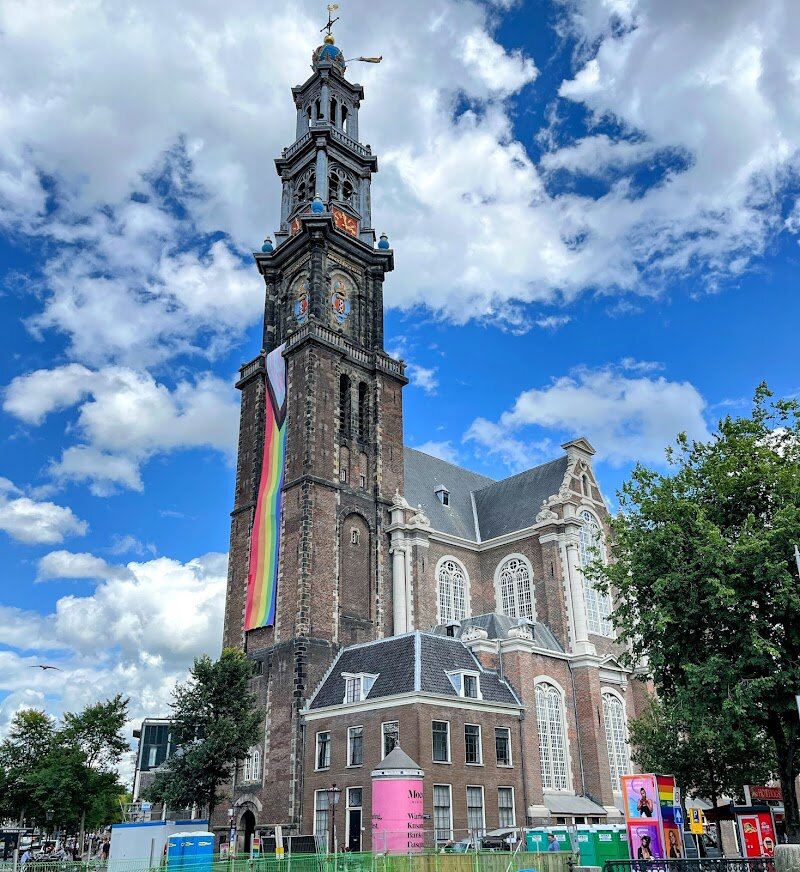
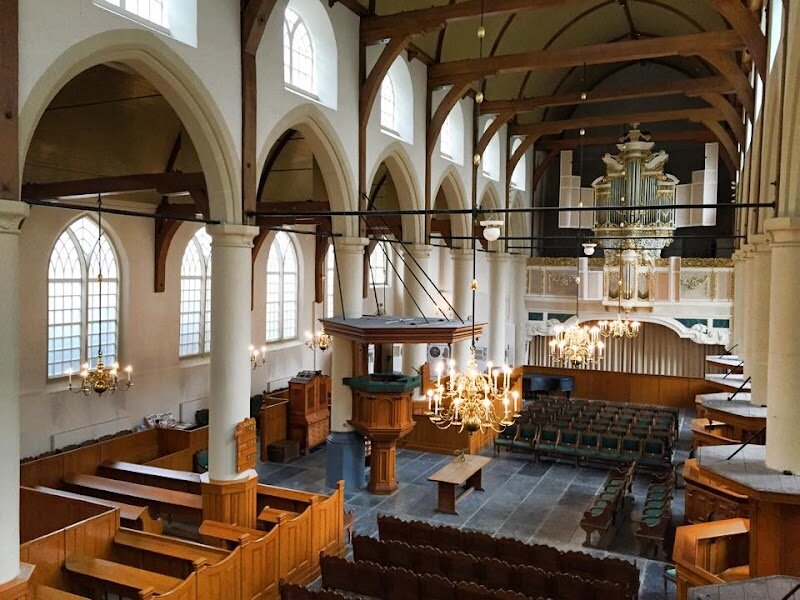
Westerkerk rises gracefully above Amsterdam’s iconic canals, inviting families and curious travelers to step inside a true masterpiece of the Dutch Golden Age. Built between 1620 and 1631, this grand church was the first major place of worship specifically designed for Protestant services, symbolizing a new era in the city’s history. Its architect, Hendrick de Keyser, crafted a stunning Dutch Renaissance design, and the 85-meter Westertoren—the tallest tower in Amsterdam—still dominates the skyline, offering breathtaking panoramic views that delight visitors of all ages. Inside, sunlight streams through high windows, illuminating the spacious nave and intricate stonework. History echoes in every corner: Rembrandt, the legendary painter, is believed to be buried here, and the grand organ—one of the largest in the Netherlands—fills the space with powerful music during regular concerts. The church’s past is woven into the fabric of Amsterdam, from royal weddings to community gatherings. Families can explore together, marveling at the architecture and climbing the iconic tower for a bird’s-eye view of the city. Whether you’re drawn by history, art, or simply the desire to experience something extraordinary, Westerkerk promises a memorable and inspiring visit.

85 meters above you looms Amsterdam's tallest church tower, but here's what'll blow your mind – they couldn't build it entirely from stone because Amsterdam's soggy soil would've made it sink! So in 1638, clever builders used brick at the bottom, sandstone in the middle, and topped it with wood covered in lead. You're standing outside the Westerkerk on Prinsengracht, where Rembrandt van Rijn lies buried somewhere beneath these Renaissance walls. Nobody knows exactly where – no headstone, no marker. The church was designed by father-son duo Hendrick and Pieter de Keyser between 1620 and 1631, and get this – it's shaped like two Greek crosses stuck together, making it the largest Protestant church ever built for Protestant worship in the Netherlands. See that glittering imperial crown on top? That's from 1638, granted to Amsterdam by Emperor Maximilian for helping him win some medieval wars. Inside, you'll find a massive 1681 organ decorated by Gerard de Lairesse – yeah, the famous painter – and those bells chiming above were crafted by the legendary Hemony brothers. Former Queen Beatrix even had her wedding here! This isn't just a church – it's Amsterdam's Protestant powerhouse, where history literally towers over the canals.

museum

Museum Jan

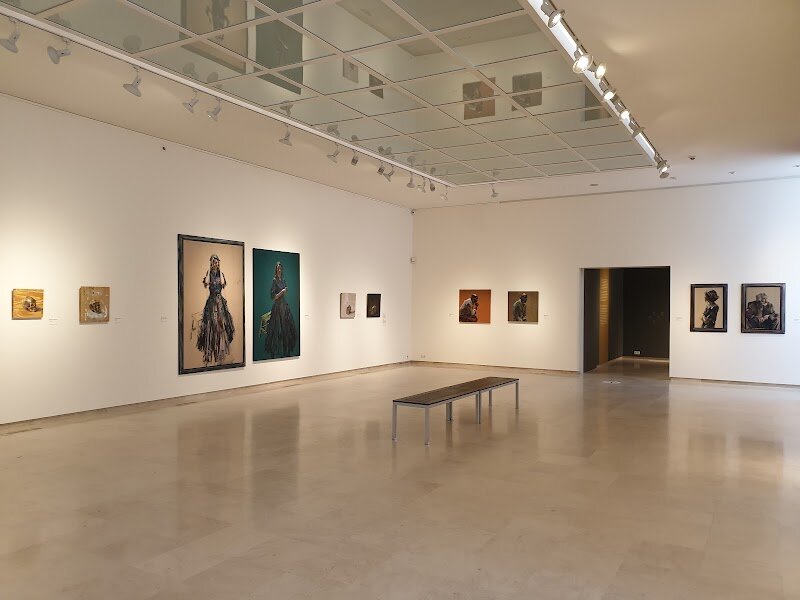
Museum Jan, just outside Amsterdam in Amstelveen, invites families and curious travelers into a world where glass comes alive through art. Founded in 1991 by Jan van der Togt—an innovative industrialist and passionate art collector—the museum began as a personal vision: to share his remarkable collection of contemporary glass and visual art with the public. Today, Museum Jan is celebrated for its dazzling array of international glass masterpieces, including works by renowned Czech artists like Libenský & Brychtová and Vaclav Cigler, as well as a vibrant selection of paintings and sculptures. What sets Museum Jan apart is its ever-changing program of exhibitions. Alongside the permanent collection, visitors can discover new perspectives through contemporary installations and retrospectives that appeal to all ages and interests. Interactive displays and family-friendly activities make it easy for children and adults alike to appreciate the creativity and craftsmanship on display. Stepping into Museum Jan is more than a gallery visit—it’s an invitation to explore the magic, color, and innovation of glass art, set within an inspiring, light-filled space that sparks curiosity and wonder in every guest.

Right now, you're standing outside a museum that was literally built AROUND someone's living room! Museum JAN on Dorpsstraat wraps around artist Jan Verschoor's actual house like a giant art hug - he's been living here since 1962, and when they built this place in 1990, they just... built around him! The coolest part? You can actually peek through special windows into Jan's real living room and see his personal art collection while he's probably having his morning coffee! This whole museum started because a guy who made kitchen gadgets - Jan van der Togt from the famous Tomado factory - got SO obsessed with collecting sparkly Czech glass art that he needed an entire building for it. And here's the secret - when you walk inside, you're basically walking through someone's backyard that got turned into one of Europe's most important glass art museums! How's that for the ultimate room addition?

landmark

A'DAM Lookout

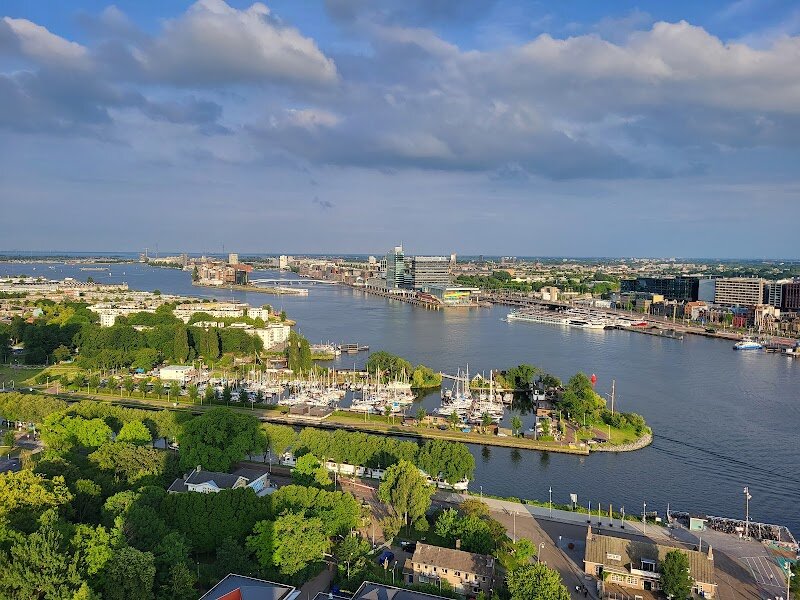
A’DAM Lookout is Amsterdam’s ultimate sky-high adventure, inviting families and curious travelers to experience the city from a whole new perspective. Perched atop the iconic A’DAM Tower—originally built in the 1970s as the Shell headquarters and now a vibrant symbol of urban renewal—this observation deck soars nearly 100 meters above the IJ River, offering breathtaking 360-degree views over the historic city center, bustling harbor, and the unique Dutch polder landscape. What truly sets A’DAM Lookout apart is its thrilling “Over the Edge” swing, Europe’s highest, where thrill-seekers can glide out beyond the tower’s edge with Amsterdam literally at their feet. The adventure begins the moment you step into the futuristic glass elevator, whisked upward with dazzling LED lights and dance music—an experience that captures the city’s creative spirit. Inside, families can dive into interactive exhibitions that bring Amsterdam’s rich history and vibrant culture to life, making it both fun and educational for all ages. Whether you're marveling at the skyline, braving the swing, or exploring the stories behind the city, A’DAM Lookout promises an unforgettable Amsterdam adventure high above it all.

The year is 2016, and engineers are installing the most spectacular elevator light show in all of Amsterdam! You're about to zoom up 100 meters in just 20 seconds - that's like stacking 20 giraffes on top of each other! But here's the secret most grown-ups miss - look UP during the ride, not down, because the ceiling becomes a dancing rainbow of lights! This tower on IJpromenade holds Amsterdam's highest swing, where brave kids dangle their feet over the edge of the whole city! Can you spot the tiny boats in the harbor from way up here? They look like bathtub toys from this height!

museum

Rembrandts Amsterdam Experience

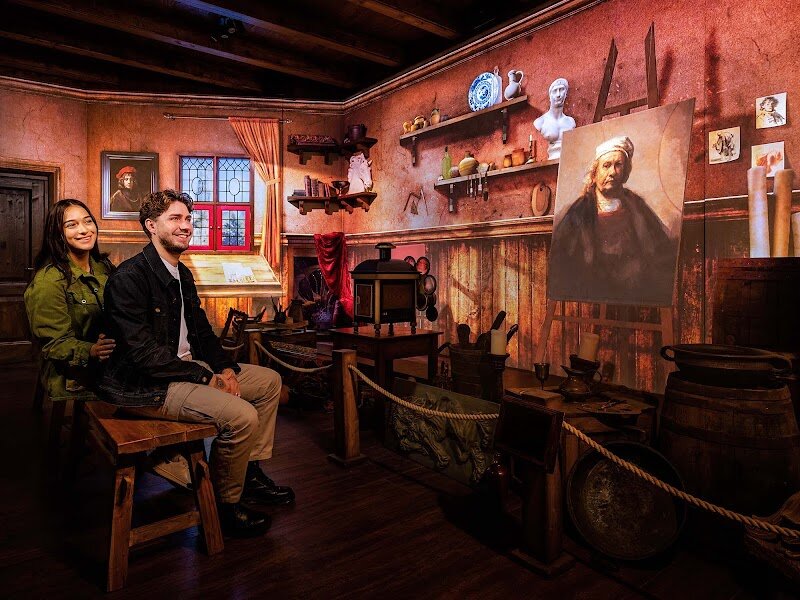
Step into the world of the Dutch Golden Age at **Rembrandt’s Amsterdam Experience**, where history and creativity come alive for curious travelers and families alike. Located in the very house where Rembrandt van Rijn—one of the world’s most celebrated artists—lived and worked from 1639 to 1658, this immersive museum lets you explore the artist’s life, triumphs, and struggles up close. Wander through meticulously reconstructed rooms and his atmospheric studio, where Rembrandt created some of his most famous masterpieces and taught eager students. The museum’s authentic setting, based on detailed historical inventories, offers a rare glimpse of 17th-century Amsterdam and the vibrant world that inspired Rembrandt’s genius. Children and adults can discover the artist’s remarkable techniques through interactive exhibits, hands-on workshops, and live demonstrations of etching and paint mixing, making art history engaging for all ages. Beyond the art, you’ll hear stories of Rembrandt’s family, his creative process, and the challenges he faced in a rapidly changing city. Whether you’re an art lover or simply curious, Rembrandt’s Amsterdam Experience promises a memorable journey into the heart of a true master’s home and legacy.

Right now, invisible cameras are tracking your every move as you step into the world's only recreation of Rembrandt's LOST final studio! This isn't his famous house - that's somewhere else entirely - this is where the master painted his very last works after going bankrupt in 1658. The genius creators at Citysaurus spent years building this time machine on Weteringschans, using 5D effects that actually make you SMELL the oil paints and hear 17th-century Amsterdam bustling outside. You're about to meet Rembrandt's wife Hendrickje and his kids Titus and Cornelia - they're waiting for a customer who ordered a painting, just like 350 years ago! Get ready to travel back in time using technology that didn't exist when the real Rembrandt was alive!

landmark

Amsterdamse Poort, Haarlem

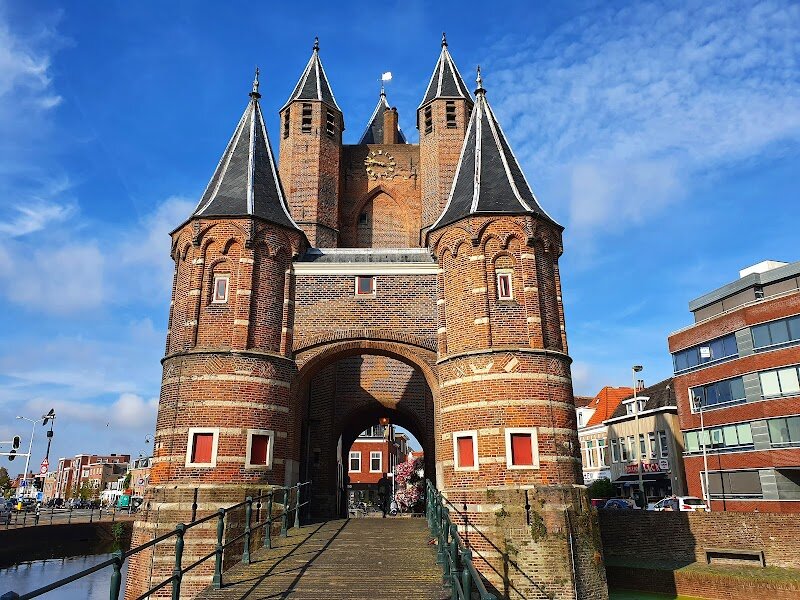
The **Amsterdamse Poort** in Haarlem is a captivating portal to the city’s medieval past, inviting families and curious travelers to step into centuries of history and discovery. Built around 1355, this striking gate is the only survivor of Haarlem’s original twelve city gates, standing as a proud testament to the city’s resilience and evolution. Its impressive Gothic and Romanesque architecture—complete with intricate stone carvings and sturdy turrets—offers a feast for the eyes and sparks the imagination of visitors of all ages. Strolling through the Amsterdamse Poort, you’ll sense the echoes of bustling traders and travelers who once passed beneath its arches, connecting Haarlem with Amsterdam and beyond. The gate’s walls are adorned with historic sculptures and emblems, each telling stories of noble families, daily life, and the city’s enduring spirit. Families can wander the picturesque cobblestone streets nearby, explore quaint shops and cozy cafes, and soak in the vibrant local atmosphere. For history buffs, the gate’s enduring presence and the small museum nearby offer deeper insights into Haarlem’s rich heritage. Whether you’re seeking architectural marvels, a scenic stroll, or a living link to the past, the Amsterdamse Poort is an unforgettable highlight of Haarlem—where history truly comes alive.

That blue pointy roof you're staring at once held enough explosives to blow up half of Haarlem! This amazing gate is 670 years old - that's your entire life times FIFTY! Back in 1355, there were twelve mighty gates protecting this city, but guess what? This is the ONLY one left standing! In 1867, they actually stored gunpowder and bombs right inside these walls when they tore down another tower. Can you imagine walking under a room full of explosives every day? The people of Haarlem were either very brave or very lucky! Look up at those round turrets as you walk through - you're passing through genuine medieval magic!

museum

Foam

Foam in Amsterdam is a vibrant hub for photography lovers and curious minds of all ages. Housed in a charming 18th-century canal-side building, this museum invites visitors to journey through the fascinating world of photography, from iconic historical images to the boldest contemporary works. Since its founding in 2001, Foam has stood out not just for its stunning exhibitions featuring legends like Diane Arbus and Annie Leibovitz, but also for championing fresh talent and thought-provoking themes. What makes Foam truly special is its dynamic atmosphere—there’s always something new to discover. Families and travelers can explore a variety of ever-changing exhibitions, ranging from powerful documentary series and fashion photography to interactive installations and hands-on workshops for all ages. The museum’s “Foam Talent” program spotlights emerging photographers, ensuring every visit feels fresh and inspiring. Beyond the art, Foam’s history echoes Amsterdam’s own creative spirit and resilience, commemorating moments like the secret documentation of WWII’s final days. Whether you’re a seasoned art enthusiast or just curious about the world through a lens, Foam offers an engaging, eye-opening experience that sparks conversation and creativity in every visitor.

Workers are still uncovering secret compartments in these walls... You're standing at Keizersgracht 609, where photography first captured Amsterdam's heart back in 1860! This place was actually Amsterdam's very first photo museum, thanks to this collector named Carel Joseph Fodor who was obsessed with the new art form. Here's what most people don't know - Fodor secretly connected three separate canal houses through hidden passages that photographers still use today. During Nazi occupation in 1944, when cameras were banned, resistance photographers probably would've killed for these secret routes! The gorgeous glass atrium you'll see inside? That's from the 2001 makeover, but they kept Fodor's original viewing galleries where Amsterdam's elite first gasped at the magic of photography. From Museum Fodor to today's Foam, this place has been making people say "how did they capture that?" for over 160 years straight.

museum

H'ART Museum (Hermitage Amsterdam)

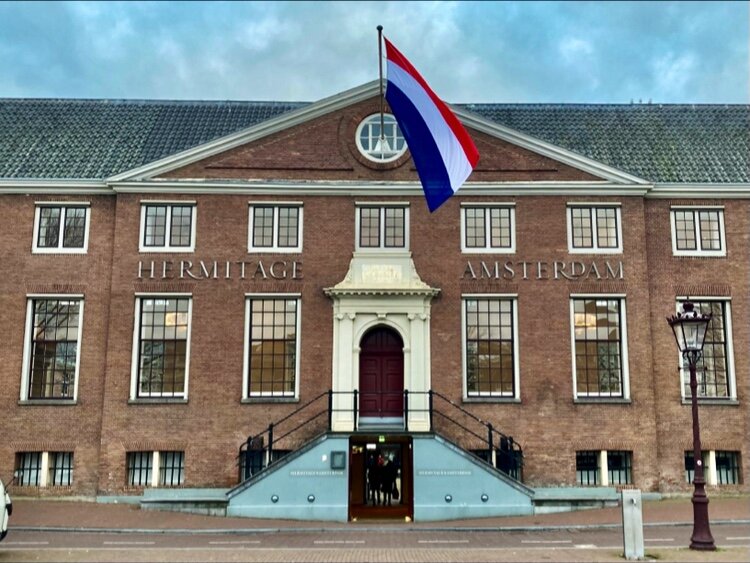
H’ART Museum, formerly Hermitage Amsterdam, is a vibrant cultural hub set along the picturesque Amstel River in the heart of Amsterdam. Housed in the grand 17th-century Amstelhof—a building with a storied past as a retirement home—the museum blends centuries of Dutch history with a fresh, international outlook. Originally a branch of the famed Hermitage in St. Petersburg, H’ART Museum has charted its own course since 2022, curating diverse exhibitions that captivate art lovers and curious families alike. Step inside to discover ever-changing exhibitions ranging from ancient civilizations and world-famous artists to contemporary outsider art, ensuring there’s something to spark every imagination. Children and adults will find engaging programs and interactive displays that make art and history come alive. Whether you’re admiring masterpieces by Rembrandt and Matisse or exploring the fascinating Portrait Gallery of the Dutch Golden Age, each visit promises new discoveries. H’ART Museum’s welcoming atmosphere, innovative programming, and rich historical setting make it a must-visit for families and travelers eager to experience the creative spirit of Amsterdam in an unforgettable way.

Right now, you're standing in front of a building that quietly witnessed 341 years of Amsterdam life before most tourists even knew it existed. This grand classical facade from 1681 originally housed the "Diaconie Oude Vrouwen Huys" – literally the Old Women's House – where elderly ladies spent their final decades along these very Amstel banks. Here's what locals know that guidebooks miss: when Queen Beatrix and Russian President Medvedev opened this as the Hermitage Amsterdam in 2009, they were standing in rooms where virtually nothing remained original. The €40 million renovation had gutted centuries of history, but somehow that makes it even more Amsterdam, right? Walk through those doors and you'll enter what was once one of the longest buildings in the entire city. The H'ART Museum – that name change happened September 2023 after they dramatically severed Russian ties over the Ukraine invasion – now spans this entire block along Amstel 51. The real insider secret? That peaceful inner courtyard you'll discover was where residents gathered for over three centuries until the last one left in 2007. Now it hosts cultural events, but early morning visits still feel like you're stepping into their private world.

museum

Nxt Museum

Step into the future at **Nxt Museum**, Amsterdam’s groundbreaking destination dedicated entirely to **new media art**. Nestled within a vast former TV studio in the creative heart of Amsterdam Noord, Nxt Museum is the first of its kind in the Netherlands, designed for those curious about how art and technology intertwine to shape tomorrow. Since opening in 2020, the museum has reimagined what an art experience can be. Here, families and inquisitive travelers are invited to explore immersive, large-scale installations created by leading international artists, designers, technologists, and scientists. Every exhibition encourages you to not just observe, but to physically and emotionally engage—touch, move, and interact with art that responds to you and the world around you. Nxt Museum’s ever-evolving program includes exhibitions, performances, and hands-on learning experiences, making it an inspiring playground for all ages. The space itself—a sprawling, high-ceilinged black box—provides the perfect backdrop for the dazzling visuals and sounds of digital art that can’t be contained by traditional museum walls. Whether you’re a family looking for a unique outing or a traveler eager for what’s next, Nxt Museum promises a thought-provoking journey that sparks curiosity and leaves you wondering about the future of art, technology, and human connection.

2,100 square meters of former television magic... that's the scale of industrial space where Nederland's digital art revolution began. You're standing before Nxt Museum, the first institution in the entire country dedicated exclusively to new media art, housed within what was once a bustling TV production studio. Look closely at that imposing black facade - those aren't just walls, they're the remains of a broadcast empire, complete with reinforced floors designed to support massive television equipment and steel beams stretching across soaring ceilings that once held studio lights. When young entrepreneur Merel van Helsdingen discovered this space in Amsterdam Noord, she saw possibility where others saw obsolete infrastructure. Here's what's extraordinary - this entire museum was constructed in just four months during the COVID lockdown, without a single cent of government funding. While the world stood still, construction crews worked behind these walls, installing movable partitions and creating the 320-square-meter Nxt Stage, where psychedelic light installations now dance where television cameras once rolled. You're standing in what locals once mockingly called "Siberia on the wrong side of the IJ river" - Amsterdam Noord was the forgotten industrial backwater. But step inside, and you'll discover how this former wasteland became the beating heart of Netherlands' most cutting-edge artistic movement, where technology and creativity collide in ways that challenge everything you thought you knew about art.

museum

Fabrique des Lumières

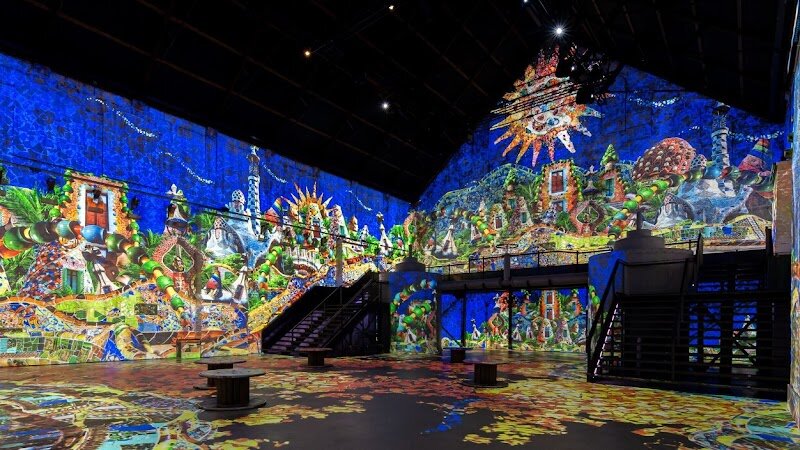
Fabrique des Lumières invites families and curious travelers to step into a mesmerizing world where art comes alive in breathtaking light and sound. Housed in the historic Westergasfabriek, a former gasworks built in 1883 to illuminate Amsterdam’s streets, this vast industrial space has been transformed into the city’s largest digital art center. Its towering 17-meter walls now serve as canvases for immersive exhibitions that surround visitors with animated masterpieces—from Klimt’s golden swirls to the vibrant colors of Van Gogh and the surreal visions of Dalí. What makes Fabrique des Lumières truly special is its innovative fusion of history and technology. As you wander through the expansive halls, you’re not just looking at art—you’re enveloped in it, with projections that move across floors, ceilings, and walls, accompanied by evocative soundtracks. Shows change throughout the year, so every visit offers something new, whether it’s celebrating Dutch Masters or exploring cosmic themes. This is a place where imaginations run wild, children are captivated, and adults rediscover wonder—a modern museum experience designed to thrill all ages in the heart of Amsterdam’s cultural landscape.

This brick factory makes light without any fire! Back in 1883, engineer Julius Pazzani built these red and yellow brick buildings to create gas that lit Amsterdam's streets using coal and flames. Now it's the opposite - instead of burning coal to make light, giant projectors splash famous paintings like Van Gogh's swirls right onto these same 140-year-old walls! The triangular metal roof beams you see above were designed to hold massive gas tanks, but today they frame dancing digital art that surrounds you like you're inside a giant kaleidoscope!

building

The St. Bavo Church in Haarlem

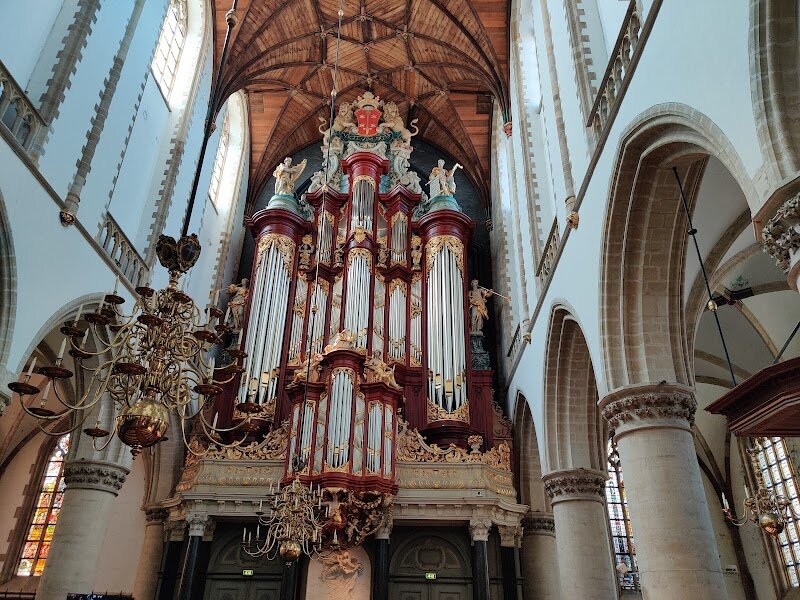
Standing proudly in the heart of Haarlem, the **St. Bavo Church (Grote Kerk)** is a masterpiece of late Gothic architecture and a true icon of Dutch history. Dating back to the 13th century, this towering church has witnessed centuries of dramatic change—from its medieval Catholic origins to its transformation during the Reformation, and its enduring role as a community landmark. Families and curious travelers alike are drawn to its soaring spire, the intricate wooden vaulting overhead, and a sense of grandeur that echoes through every stone. Inside, visitors are captivated by the legendary **Christian Müller organ**, once the largest in the world and famously played by both Handel and Mozart. Children and adults can marvel at the artistic treasures, from historic paintings to ornate carvings, while the church’s vast, light-filled nave invites quiet awe and exploration. Beyond its beauty, St. Bavo’s resilience tells a story of Haarlem itself—surviving fires, renovations, and the tides of history, all while remaining a vibrant gathering place. Whether you’re seeking a journey through time, a feast for the senses, or simply a moment of wonder, St. Bavo Church offers an unforgettable experience for visitors of all ages.

Mozart's tiny fingers are dancing across these very keys right now... well, not right now, but in 1766, when the ten-year-old prodigy climbed onto the bench of what was then the world's largest organ. Standing before the towering Grote Kerk on Haarlem's ancient market square, you're looking at a Gothic masterpiece that has watched over this city since 1307, its 246-foot spire still the tallest point for miles around. But here's what most visitors never discover... that magnificent gilded organ case you'll see inside houses 5000 pipes, including one monster that's 32 feet long and 15 inches wide. When Christian Müller finished building it in 1738, local legend says the bass notes were so thunderously deep they actually crumbled the mortar between the church's ancient bricks. This stone giant has lived many lives... it was Catholic for barely nineteen years as a cathedral before Protestant forces seized it in 1578 during the dramatic "Haarlemse noon." Walk through those wooden doors, and you'll step beneath the same 16th-century wooden vaulting that sheltered Handel when he too played that golden organ, creating music that still echoes in these walls. Every brick here whispers stories of faith, music, and the remarkable humans who filled this space with both prayer and extraordinary sound.

landmark

This is Holland

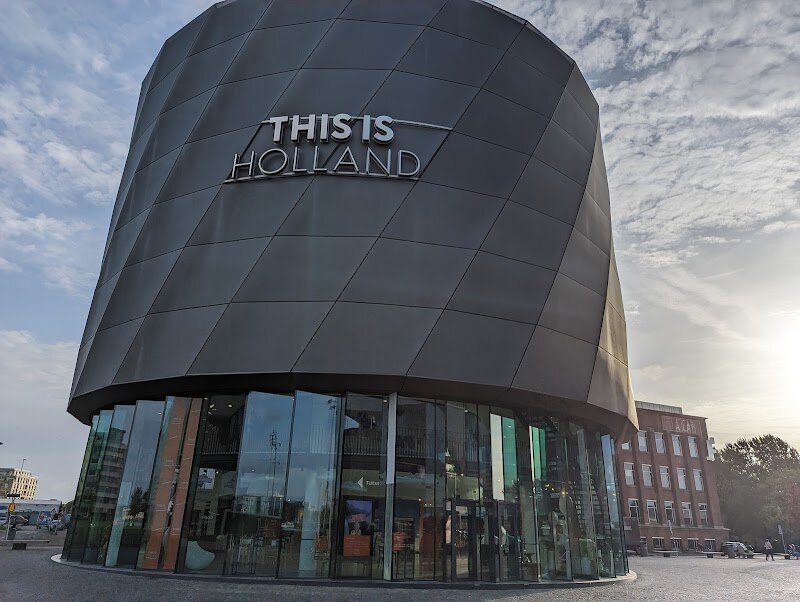
This is Holland offers families and curious travelers an unforgettable journey through the heart of Dutch history and landscape—all without leaving Amsterdam’s city center. Housed in a striking round building by the IJ river, this immersive attraction brings the story of the Netherlands vividly to life, starting with an engaging introduction to the nation’s centuries-old battle against water and its remarkable engineering feats. The highlight is the spectacular 5D flight experience, where visitors are lifted into the air by a state-of-the-art flying simulator—the first of its kind in the Benelux region. You’ll soar over iconic sights, from Amsterdam’s shimmering canals and vibrant tulip fields to legendary windmills, the impressive Delta Works, and tranquil Wadden Islands. The experience is enhanced by wind, mist, and even scents, making you feel as if you’re gliding above the Dutch countryside itself. Beyond the thrill, This is Holland is educational and fun, with interactive pre-shows that reveal the country’s rich heritage and culture. It’s a perfect way for families and explorers to discover the diversity, resilience, and beauty of the Netherlands—all in just one hour, making it ideal for those short on time but eager for adventure.

This gleaming white UFO crashed in Amsterdam... and never left. Standing before This is Holland at Overhoeksplein 51, you're looking at one of the Netherlands' most audacious architectural experiments, a futuristic dome that landed in Amsterdam Noord in 2017 and immediately became the district's most recognizable landmark. But here's what most visitors don't realize... this isn't just any flight simulator. Inside that pristine white shell lies a revolutionary spherical theater engineered by Vekoma, the same Dutch company that builds roller coasters worldwide. The massive domed screen wraps completely around you, creating an impossible 360-degree canvas that tricks your brain into believing you're actually airborne. For exactly nine minutes, you'll experience something that took the Dutch seven centuries to achieve... mastering the art of flight over water. As wind machines blast authentic North Sea breezes and mist generators recreate the sensation of soaring through Dutch clouds, you're not just watching history unfold beneath you, you're feeling it. The scent of tulip fields, the spray of the Wadden Sea, the rush of wind through your hair as you dive toward Amsterdam's famous canals. This building sits where Amsterdam Noord was once considered the wrong side of the water... now it's where dreams take flight.

museum

Red Light Secrets Museum

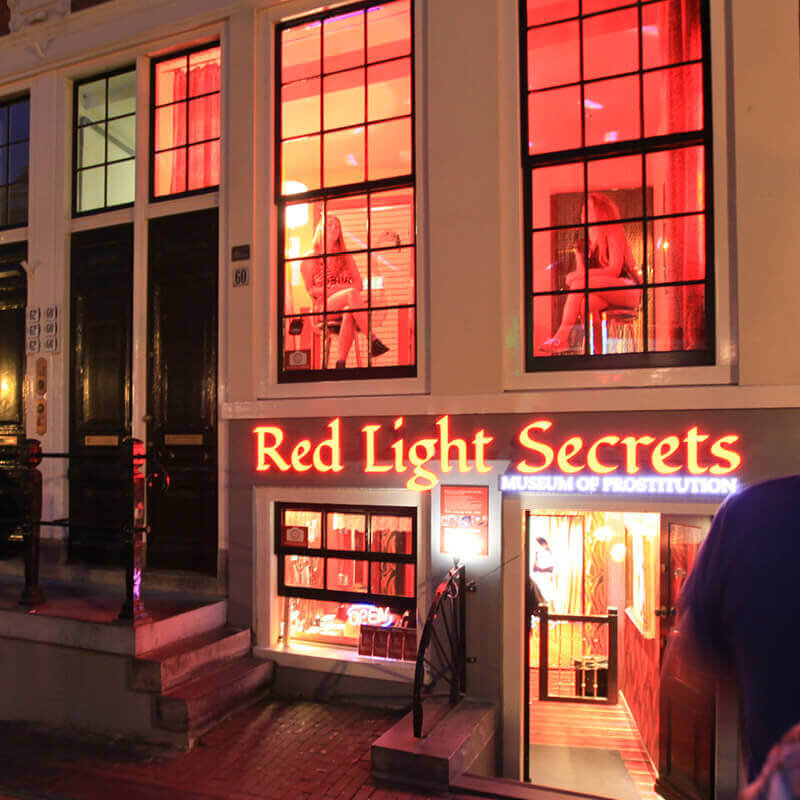
Red Light Secrets Museum in Amsterdam invites families and curious travelers to step inside the hidden world of the city’s famous Red Light District and discover the fascinating story of sex work through the ages. Housed in a genuine 17th-century brothel, this museum is the world’s only institution dedicated to the history and cultural impact of prostitution, tracing its evolution from the 1500s to modern times. Visitors can explore immersive exhibits, listen to candid audio stories from real sex workers—including Amsterdam’s legendary Inga—and even sit behind one of the iconic red-lit windows for a behind-the-scenes perspective. Historic artifacts, recreated brothel rooms, and interactive displays paint a vivid picture of the lives, challenges, and triumphs of those who worked in the district, promoting empathy and understanding. Red Light Secrets is more than just a museum—it’s a thought-provoking journey into a misunderstood facet of Amsterdam’s heritage. Whether you’re seeking history, culture, or a conversation starter, the museum offers an engaging, respectful, and family-friendly experience that sheds light on the city’s most enigmatic neighborhood.

400 years! This narrow building on Oudezijds Achterburgwal has been hiding Amsterdam's most mysterious unsolved murder since the 1600s! A woman called Chinese Annie was killed right inside these walls, and nobody ever figured out who did it. This was originally a brothel where sailors would visit after long sea voyages from the nearby harbor. Now it's the world's very first prostitution museum, opened just in 2018! You're standing in De Wallen - that means "the walls" - because these canals once had real stone walls built around them like a fortress!

building

Oude Kerk Amsterdam

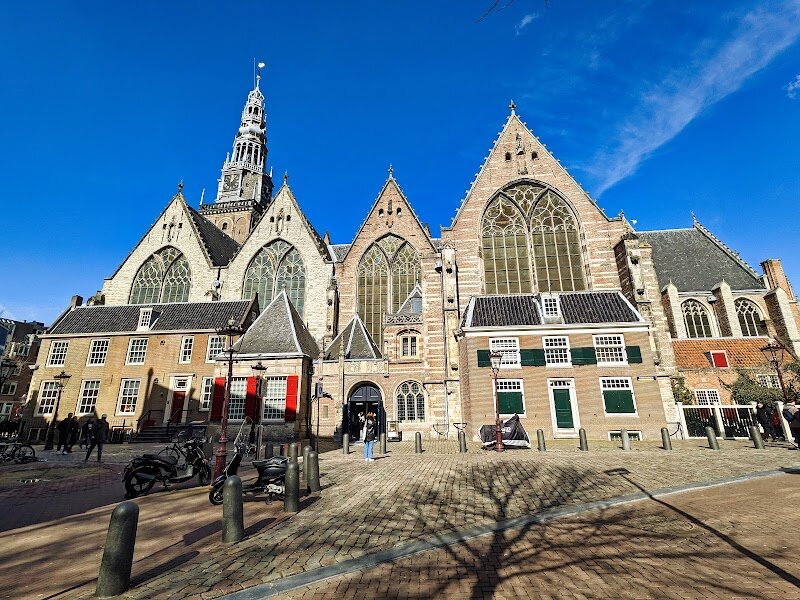
Oude Kerk, Amsterdam’s oldest building, stands at the heart of the city’s vibrant Red Light District, offering families and curious travelers a fascinating blend of history and culture. Founded in the early 13th century as a modest wooden chapel, it was rebuilt and expanded over centuries into the grand Gothic and Dutch Renaissance structure you see today. Step inside and you’ll be greeted by the largest medieval wooden vault in Europe, a breathtaking ceiling crafted from Estonian oak dating back to 1390, renowned for its exceptional acoustics. The church’s floor—unlike any other—is paved entirely with gravestones, marking the resting places of 60,000 Amsterdam citizens, including notable figures such as Rembrandt’s beloved wife Saskia van Uylenburgh and composer Jan Pieterszoon Sweelinck. Kids and adults alike will be intrigued by the contrast between the tranquil interior and the lively neighborhood outside, as well as the stories embedded in the church’s walls. Visitors can marvel at the stunning stained glass, explore the sculpted choir stalls, and even attend organ concerts on the historic 17th-century grand organ. Whether you’re seeking a quiet moment, a dose of Amsterdam’s history, or a unique family outing, Oude Kerk promises a memorable experience for all ages.

The year is 1566 and an angry mob storms through those heavy wooden doors, smashing altars and destroying priceless artwork... but they couldn't reach the ceiling. Standing here at Oudekerksplein 23, you're looking at Amsterdam's oldest building – founded way back in 1213 on what was literally a sand bank used as a burial ground. That Gothic facade you see? It's hiding Europe's largest medieval wooden vault, crafted from Estonian oak planks in 1390. Here's what most tourists miss – every step you take inside is on tombstones, including one belonging to Saskia van Uylenburgh, Rembrandt's beloved wife. The church literally sits on top of an ancient cemetery. And yes, we're smack in the middle of the Red Light District – there's even a bronze statue out front called Belle, honoring sex workers. Only in Amsterdam would you find a 800-year-old sacred space surrounded by... well, let's call it "different" kinds of worship. What makes this place truly special is that when those iconoclasts went crazy destroying Catholic art, the gilded ceiling paintings survived simply because the mob couldn't climb that high. So today, you can still see medieval masterpieces that were literally saved by gravity. The young Jan Pieterszoon Sweelinck played organ here from age 15 – his music still echoes in these walls during the annual Sweelinck Festival each summer.

landmark

Equestrian statue of Queen Wilhelmina

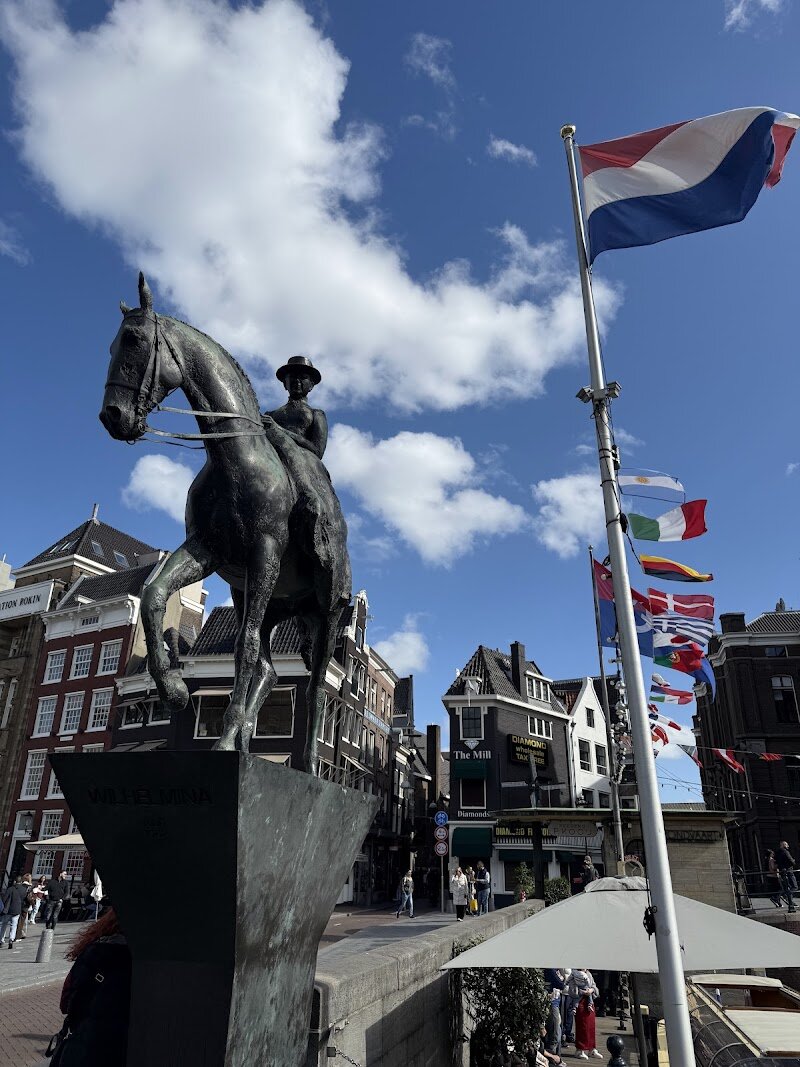
The **Equestrian Statue of Queen Wilhelmina** on Rokin street is a vibrant centerpiece in Amsterdam’s historic heart, captivating families and curious travelers alike with its striking presence and rich story. Sculpted in bronze by Theresia van der Pant, this monument honors Queen Wilhelmina, who reigned for nearly 58 years and guided the Netherlands through two world wars and profound national transformation. Unlike other statues depicting her elder years, this artwork captures Wilhelmina as a young, spirited queen riding side saddle, symbolizing resilience, dignity, and leadership—a tribute shaped with input from her daughter, Queen Juliana. As you stand before the statue, you’ll be drawn into Amsterdam’s lively urban atmosphere, surrounded by bustling streets and nearby cultural gems like the UNESCO-listed Canal District and Amsterdam Museum. Children and adults alike can marvel at the detailed craftsmanship and imagine the stories of a monarch who became a beacon of hope during turbulent times. The statue’s accessible location makes it a perfect stop during a family stroll or city adventure, offering a tangible link between the city’s past and its present-day energy. Here, history comes alive, inviting everyone to reflect and explore together.

That bronze horse and rider towering above you is Amsterdam's one and ONLY equestrian statue! Can you believe the people of Amsterdam literally emptied their piggy banks and paid 130,000 guilders - that's like a million dollars today - just to build this tribute to Queen Wilhelmina? She ruled for 58 whole years, longer than any Dutch monarch ever... that's like your entire life times FOUR! Here's the coolest secret - her own daughter Queen Juliana actually helped the sculptor pick out what clothes mom should wear on her bronze horse! Look closely at how she's sitting sideways in that fancy riding style called "side-saddle" with her signature big hat... and see if you can spot that this statue sits right where an old canal used to flow before they filled it in to make this busy Rokin street!

building

Basilica of Saint Nicholas

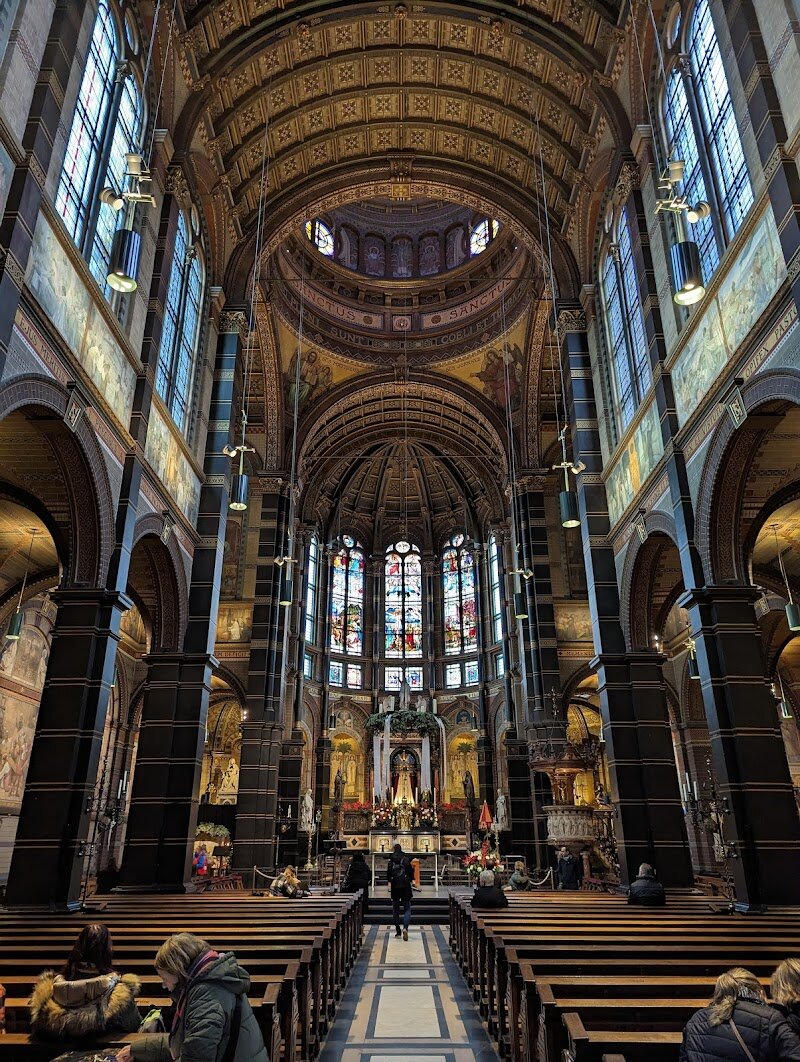
Step into the heart of Amsterdam and discover the **Basilica of Saint Nicholas**, a dazzling blend of history, artistry, and spiritual heritage that invites families and curious travelers alike. Completed in 1887, this iconic church stands as a symbol of religious freedom, built after centuries when Catholics could only worship in secret. Its striking façade—designed by Adrianus Bleijs—showcases neo-Baroque and neo-Renaissance elements, topped with two towers and a rose window depicting Christ and the four evangelists. Inside, visitors are greeted by soaring vaulted ceilings, vibrant stained glass windows, and intricate murals that tell stories from the life of Saint Nicholas, Amsterdam’s patron saint of seafarers—a nod to the city’s maritime roots. The high altar, adorned with copper and stone, is surrounded by angelic sculptures, while the church’s grand Sauer organ delights with its impressive sound during concerts and services. Whether you’re marveling at the artwork, enjoying a moment of quiet reflection, or joining a family-friendly scavenger hunt through its halls, the Basilica offers a peaceful retreat from the city’s bustle and a fascinating glimpse into Amsterdam’s rich past. It’s a must-visit destination where history, culture, and beauty come together, promising memorable experiences for visitors of all ages.

This towering church sits smack dab in Amsterdam's Red Light District - talk about an unusual neighbor! Built in 1887, this magnificent basilica had to be twisted sideways because there wasn't enough room - it's the only major church in Amsterdam built northwest to southeast instead of the normal east-west direction! And here's the really gross-cool part - inside these walls sits a piece of Saint Nicholas's actual rib bone that's been around since 1087! That's like 30 of your lifetimes ago! The twin towers you see reaching up are watching over both prayers and... well, let's just say very different kinds of businesses right next door!

landmark

Paintmill De Kat

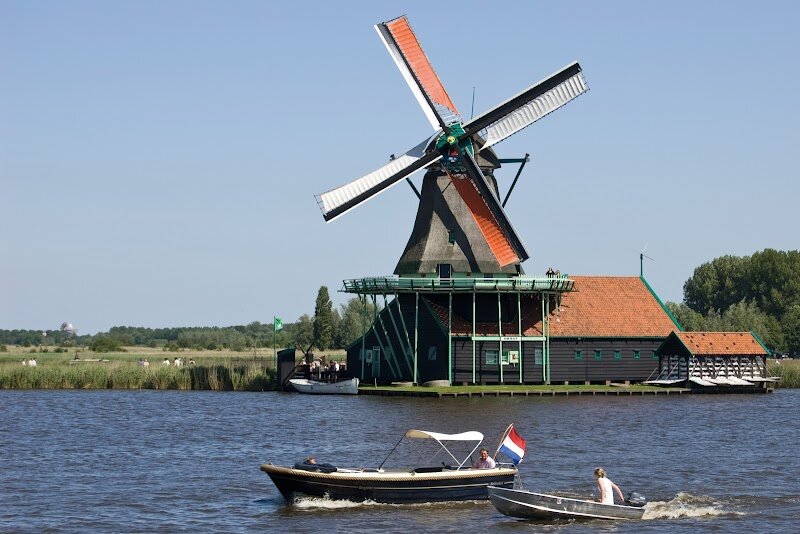
Paintmill De Kat in Amsterdam’s Zaanse Schans is a one-of-a-kind destination where history and creativity come to life. As the **only working windmill in the world still producing paint pigments**, De Kat offers families and curious travelers a chance to step into a vibrant chapter of Dutch heritage. Originally built in 1646, this octagonal windmill has survived fires, restorations, and even a dramatic reconstruction in 1960, when the body of another historic mill was placed atop its foundations. Inside, visitors of all ages can watch **artisans grind raw materials—like chalk and natural dyes—using centuries-old techniques**, just as they did for Rembrandt’s famous paints. The sight, sound, and scent of the grinding stones create a sensory journey back in time. Climb the external gallery for **panoramic views of the scenic river and polder landscapes**, perfect for a family photo or a moment of wonder. De Kat is more than a museum; it’s a living workshop where traditional craftsmanship is preserved and celebrated. With hands-on demonstrations, colorful pigments, and a charming shop full of unique souvenirs, De Kat invites everyone to discover the art and science that once colored the world.

This windmill is impossible... it died twice but still breathes today. Standing before you is De Kat, the world's last surviving paint windmill, born from the ashes of not one, but two different mills that burned to the ground centuries apart. What makes this octagonal beauty truly extraordinary is that it's actually two mills in one body. The original De Kat oil mill from 1646 burned down in 1782, while miles away, another paint mill called De Duinjager met the same fiery fate in 1781. In 1960, like some industrial Frankenstein, craftsmen placed De Duinjager's surviving octagonal upper body onto De Kat's stone foundation, creating this impossible hybrid that grinds pigments using Rembrandt's own 400-year-old recipes. Inside those weathered walls, massive millstones crush chalk from France's Champagne region into powder so fine it colors everything from the Rembrandt House masterpieces to the white lines on your local football pitch. With 130,000 visitors annually, this riverside giant has become the Netherlands' most beloved windmill, still turning wind into the very colors that paint our world.

landmark

Vondelpark

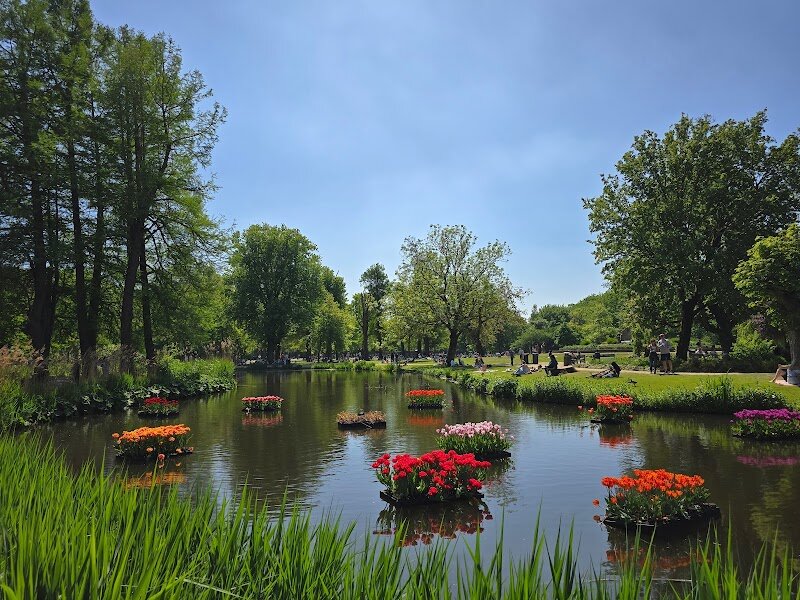
Vondelpark is Amsterdam’s beloved green heart—a sprawling, 47-hectare oasis where city life melts away and every visit feels like a small adventure. Opened in 1865 and named after the famous Dutch poet Joost van den Vondel, whose statue still stands watch, the park was designed in the romantic English landscape style to create the illusion of wild, natural beauty right in the city center. Families and curious travelers will find something for everyone here: winding pathways perfect for leisurely strolls, ponds teeming with birds, and expansive lawns for picnics or play. Children can explore imaginative playgrounds, while adults might catch a free open-air theater performance or relax at the charming Blue Tea House café. Vondelpark’s history is woven into its landscape—from its beginnings as a fashionable meeting spot for horseback riders in the 19th century, to its transformation into a vibrant, inclusive space where locals and visitors alike gather for festivals, performances, and even world-record picnics. Whether you’re seeking tranquility, art, or the simple joy of a sunny afternoon, Vondelpark offers a welcoming escape at the very soul of Amsterdam.

The year is 1873, and Amsterdam's beer baron Gerard Adriaan Heineken just got the most expensive rejection of his career. The Vondelpark board denied his request to open a bar right here, so he stomped off and built his own "Bierhuis Vondel" just outside the gates on what's now Vondelstraat! See, this wasn't always the people's park you see today. When it opened in 1865 as "Het Nieuwe Park," only wealthy association members could stroll these paths for free - everyone else paid an entrance fee to walk on what used to be marshland. Then in 1867, they plunked down that statue of poet Joost van den Vondel over there, and suddenly everyone started calling it "Vondelspark." That romantic cast iron bandstand from 1874? Still hosts concerts today, making this 47-hectare green heart the stage for Amsterdam's 12 million annual visitors - from 1960s hippies to today's picnicking families.

building

Ons' Lieve Heer op Solder (Our Lord in the Attic Museum)

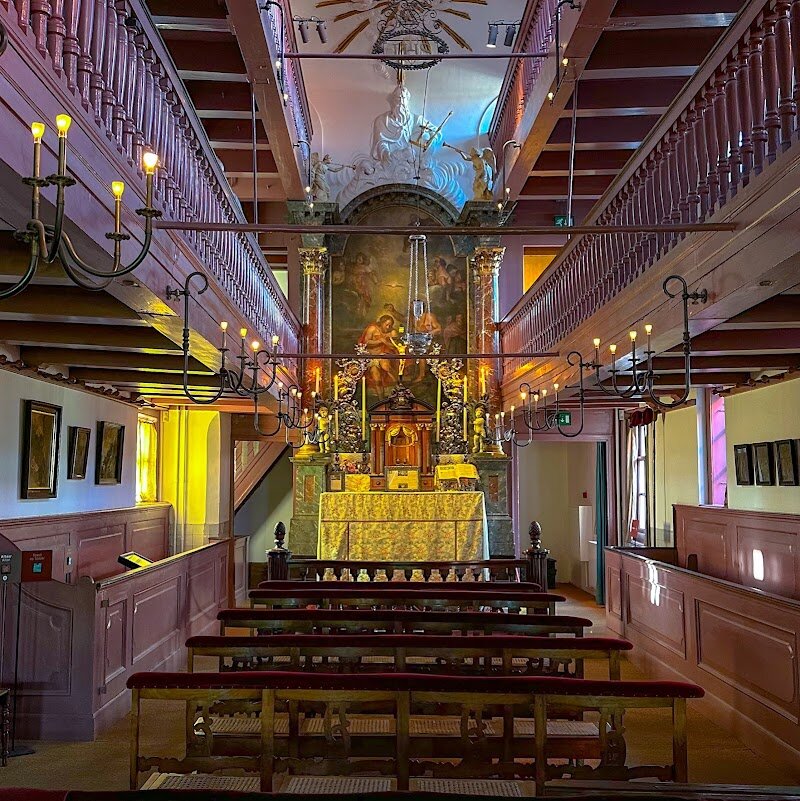
Step into a real-life secret as you explore **Ons’ Lieve Heer op Solder (Our Lord in the Attic Museum)**—a beautifully preserved 17th-century canal house hiding a full Catholic church in its attic. This hidden gem tells the story of Amsterdam’s remarkable religious tolerance: at a time when public Catholic worship was banned, ingenious locals created “house churches” like this one, where faith could quietly flourish behind closed doors. Perfect for families and curious travelers, your visit winds through narrow corridors, steep staircases, and authentically furnished rooms—bedrooms, kitchens, and living spaces—culminating in the awe-inspiring attic sanctuary. The church, built by merchant Jan Hartman in 1663, is a stunning surprise, complete with ornate décor and space for 150 worshippers. Interactive audio tours and special activities for children bring the house and its stories to life, making history engaging for all ages. Along the way, you’ll discover period artifacts, Dutch furniture, and fascinating glimpses into daily life centuries ago. Ons’ Lieve Heer op Solder isn’t just a museum—it’s a time capsule, offering an unforgettable, hands-on encounter with Amsterdam’s spirit of resilience and openness.

Workers are still uncovering secrets beneath these 17th-century floorboards... and what they've found would make Jan Hartman smile from his grave. Standing here on Oudezijds Voorburgwal, you're looking at Amsterdam's most audacious act of religious rebellion—a complete Catholic church hidden in what appears to be an ordinary canal house. In 1663, when celebrating Mass could cost you everything, wealthy merchant Jan Hartman did the impossible. He constructed an entire Baroque sanctuary across the top floors of THREE connected houses, right under the noses of Protestant authorities. The genius? From the street, you see nothing but typical Amsterdam gabled facades. Step inside and climb those narrow stairs... because what awaits you is the Netherlands' ONLY surviving clandestine church from this era. That ornate altar you'll discover? It tricks your eyes with painted illusions of infinite space. And here's what most visitors miss— the confessional booths tucked behind the sanctuary still contain their original 17th-century wood. By 1667, this "impossible" church was so successful that seventy children were baptized here in a single year. When Amsterdam opened this as a museum in 1888, it became the city's second-oldest museum... proving that some secrets are too beautiful to keep hidden forever.

museum

Muiderslot

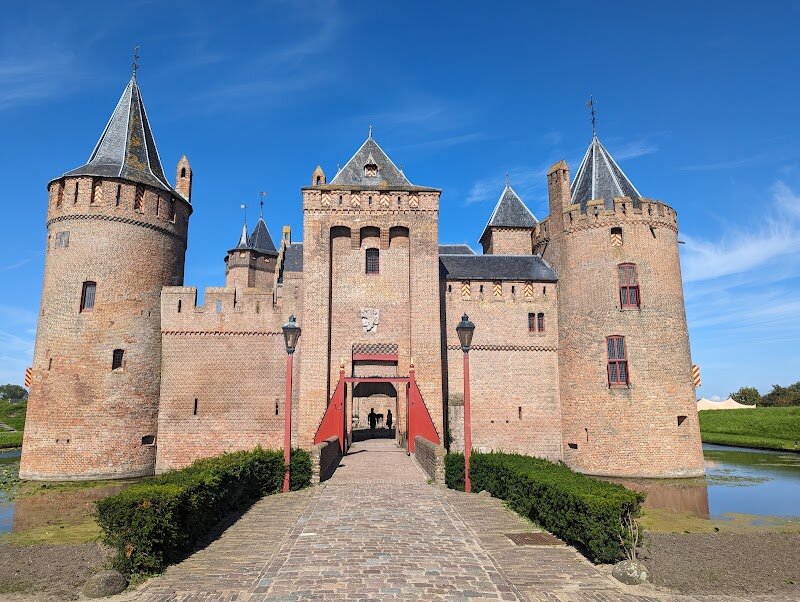
Muiderslot, just a short journey from Amsterdam, is a **storybook medieval castle** that delights families and curious travelers alike with its rich history and enchanting atmosphere. Originally built in 1285 by Count Floris V to guard the vital Vecht River trade route, the castle’s dramatic past includes betrayal, destruction, and rebirth—its walls have witnessed the intrigues of knights, nobles, and poets. Rebuilt in the 14th century, Muiderslot retains its iconic square layout, round towers, and sturdy moat, inviting visitors to step into a world where legends come alive. Inside, you’ll discover **fascinating period rooms**, hands-on exhibits, and interactive experiences that bring the castle’s history to life for all ages. Families can explore the armory, wander through themed rooms, and even try on medieval costumes. The lush gardens, especially vibrant in autumn with the plum orchard harvest, offer a peaceful escape and a chance to enjoy the horticultural traditions of the estate. Muiderslot’s story also includes hosting the famous “Muiderkring,” a circle of artists and thinkers led by poet Pieter Corneliszoon Hooft, making it a hub of creativity during the Dutch Golden Age. Whether you’re seeking adventure, inspiration, or a glimpse into the past, Muiderslot promises an unforgettable experience in a truly magical setting.

This castle is younger than you think, even though it's older than it looks. The Muiderslot you're approaching on Herengracht was actually demolished completely in 1300, then rebuilt from scratch seventy years later using the exact same medieval blueprint! Count Floris V's original 1285 fortress stood right here at the mouth of the Vecht River, collecting tolls from every passing trader. But after Gerard van Velsen murdered Floris by stabbing him twenty times within these very walls in 1296, they razed the entire structure. What you see now are those impossibly thick brick walls - over five feet deep - recreated stone by stone by Albert I of Bavaria. The real magic happened in the 1600s when P.C. Hooft, our "Dutch Shakespeare," turned this toll booth into the Netherlands' most exclusive literary salon. His Muiderkring gatherings basically invented Dutch intellectual culture as we know it, right here in these restored rooms that the Rijksmuseum has filled with period furniture from Hooft's golden age.

landmark

Dungeon Amsterdam

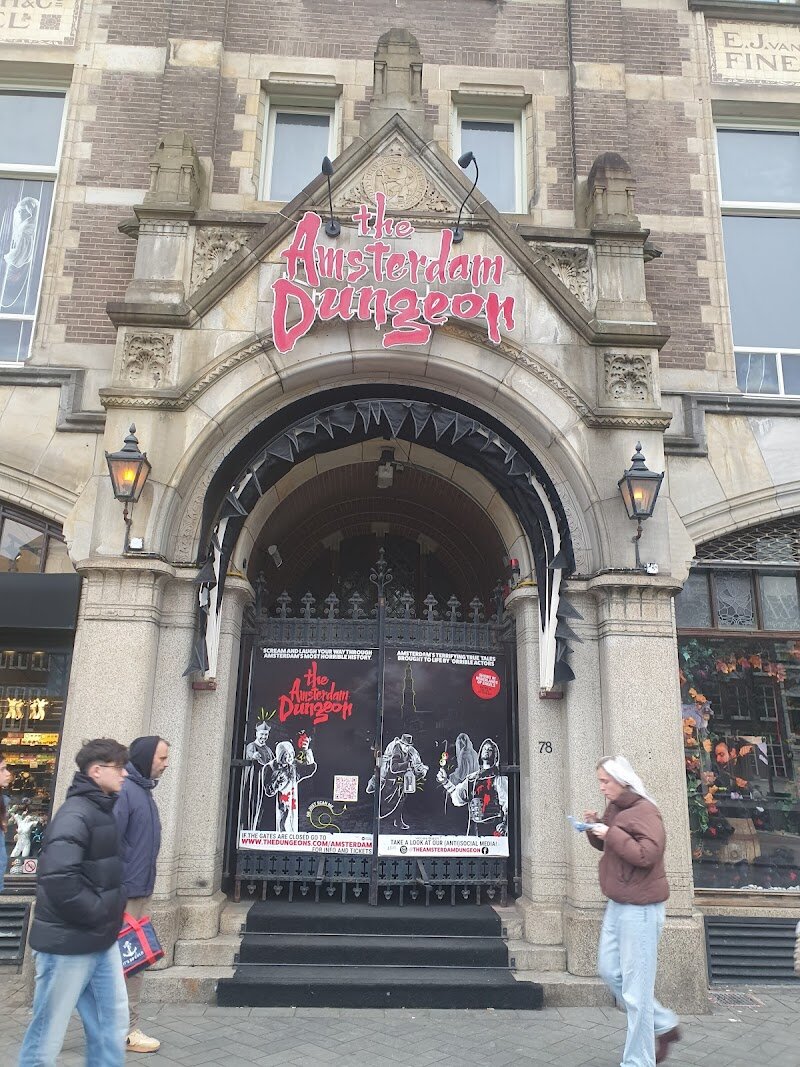
Step into the shadows of Dutch history at **Dungeon Amsterdam**, where spine-tingling tales and immersive theater collide in the heart of the city. Housed in a former neo-gothic church, this unique attraction transforms centuries-old legends and real-life horrors into a captivating journey for families and adventurous travelers alike. Inside, live actors lead you through a series of interactive shows that blend humor, suspense, and just the right amount of fright. You’ll encounter witch trials, medieval torture chambers, the devastating Plague, and the dark dealings of the VOC—each story brought to life with dramatic performances and special effects. The atmospheric setting, complete with the church’s original statues and grand organ, adds an authentic historical backdrop to your adventure. What sets Dungeon Amsterdam apart is its commitment to *edutainment*: history’s most chilling chapters are retold in a way that’s as entertaining as it is informative. Whether you’re braving the dizzying “Reaper Drop Ride” or navigating a labyrinthine maze, every moment is designed to thrill and enlighten. If you’re curious about Amsterdam’s past and enjoy a theatrical twist, this is the place to confront the city’s darkest secrets—if you dare.

7.5 million euros. That's what it cost to transform this 1912 neo-Gothic church on Rokin into Amsterdam's most theatrical house of horrors back in 2005. But here's the wild part - you're standing on sacred ground that's been significant for nearly 700 years! This exact spot witnessed the famous Eucharistic Miracle of Amsterdam in 1345, when a communion wafer supposedly survived a fire completely intact. The Dutch Reformed Church still owns this building and just leases it to the entertainment company. As you walk inside, look up at those soaring neo-Gothic arches - they're original church architecture from 1912, now serving as the perfect backdrop for medieval torture scenes and Spanish Inquisition trials. The designers cleverly kept those stone elements visible to blur the line between real history and theatrical horror. Until 2014, there was something no other dungeon attraction in the world had - a full roller coaster called the Reaper that actually wound through and around the original 13th-century church elements still embedded in this structure. Nothing says "spiritual experience" quite like screaming through centuries-old stonework while the Grim Reaper chases you, right? The ride's gone now, but those ancient church bones are still there, hidden behind the theatrical sets, making this the only dungeon built literally inside consecrated walls.

building

Universiteit van Amsterdam Agnietenkapel

Tucked between Amsterdam’s historic canal houses, the **Agnietenkapel** is a hidden gem bursting with stories. Families and curious travelers are invited to step inside this enchanting chapel—built in 1470 as part of a convent for women—and discover the birthplace of the University of Amsterdam. Here, the city’s commitment to learning first took root in 1632, when the Athenaeum Illustre opened its doors and renowned humanists Gerardus Vossius and Caspar Barlaeus inaugurated the institution with inspiring addresses. Walking through the old sandstone gate, visitors are greeted by golden letters and the iconic three crosses of Amsterdam. Inside, marvel at the beautiful stained-glass window depicting the chapel’s scholarly founders and catch a glimpse of original ceiling paintings in the attic, once home to the city’s first library. The Agnietenkapel’s rich past—surviving fires, religious upheaval, and centuries of transformation—makes it a truly special place where history and academia intertwine. Today, guests can experience the intimate atmosphere that still hosts PhD ceremonies and lectures, while exploring the origins of Amsterdam’s intellectual life. Whether you’re a history buff or simply seeking a moment of wonder, the Agnietenkapel offers a memorable journey into the heart of the city’s cultural heritage.

PhD students are walking through these Gothic arches right now, defending their dissertations in the exact same chapel where Amsterdam's university was born 393 years ago. Standing before you at Oudezijds Voorburgwal 229-231, sandwiched almost shyly between two canal houses, is the Agnietenkapel - the only medieval convent chapel in Amsterdam that became a university. Look up at that ironwork above the entrance... those ornate gold letters spelling "Athenaeum Illustre" mark the birthplace of what would become the University of Amsterdam. This Gothic beauty was built in 1470 for Augustinian nuns of the St. Agnes convent, but everything changed on May 26th, 1578. When Amsterdam's Catholic city council was overthrown during the Protestant Reformation, these holy sisters were forced out, leaving their chapel to stand empty for nearly five decades. Then, on January 8th, 1632, two brilliant humanist professors - Gerardus Vossius and Caspar Barlaeus - delivered the first university lectures within these ribbed vaulted ceilings. Inside, you'll discover those very professors immortalized in a stunning stained-glass window, while overhead, the original Gothic pointed arches blend seamlessly with later Renaissance round windows. For 249 years, the university's entire library lived crammed in the attic above your head! Today, this intimate sanctuary still witnesses life-changing moments - every PhD defense, every graduation ceremony connecting modern scholars to five centuries of learning in the heart of Amsterdam's most infamous neighborhood.

building

Allard Pierson Museum of Antiquities

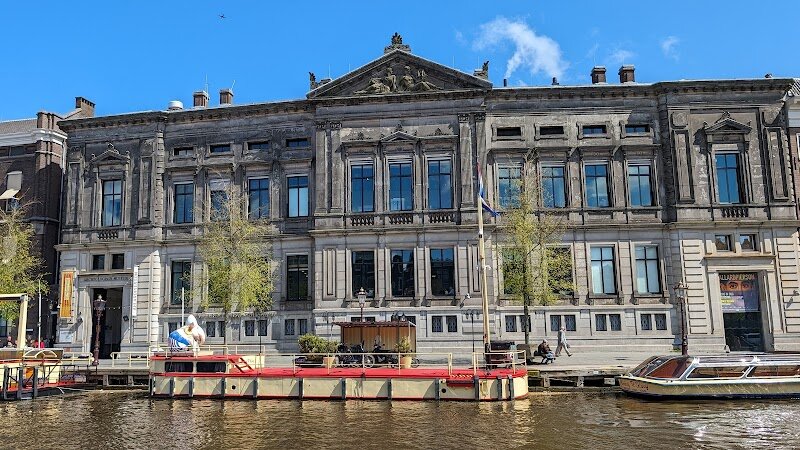
Step into the Allard Pierson Museum and embark on a thrilling journey across ancient civilizations, right in the heart of Amsterdam. Housed in a grand former bank building, this museum is a treasure trove for families and curious travelers, offering hands-on encounters with the wonders of Egypt, Greece, Rome, and beyond. Imagine standing before real mummies, intricate sarcophagi, and dazzling artifacts that date as far back as 4000 BC—all beautifully curated to spark the imagination of visitors of all ages. Named after Allard Pierson, a pioneering archaeologist whose passion for the ancient world helped shape the museum’s legacy, the collection has grown to include not just archaeological marvels, but also rare books, maps, and even performing arts memorabilia. Kids and adults alike can marvel at scale models of ancient temples, experience the magic of the plaster-cast gallery filled with lifelike statues, or catch special exhibitions that bring history’s stories to life. Whether you’re drawn by tales of pharaohs and gladiators or simply love exploring the mysteries of the past, the Allard Pierson Museum promises an inspiring adventure for the whole family.

Workers are still uncovering ancient treasures behind these solid bank walls right now! You're standing at the former headquarters of the Dutch central bank, where you can still see the old rails on the floor inside that carried trolleys loaded with MILLIONS of guilders. But now instead of money, this building guards 4,000-year-old Egyptian mummies! The Allard Pierson Museum holds Greece's most beautiful pottery from 500 BC - that's 25 times older than your great-great-grandparents! As you walk through that heavy bank entrance, you'll travel from the Nile River to the Amstel in just ten steps!

building

The New Church

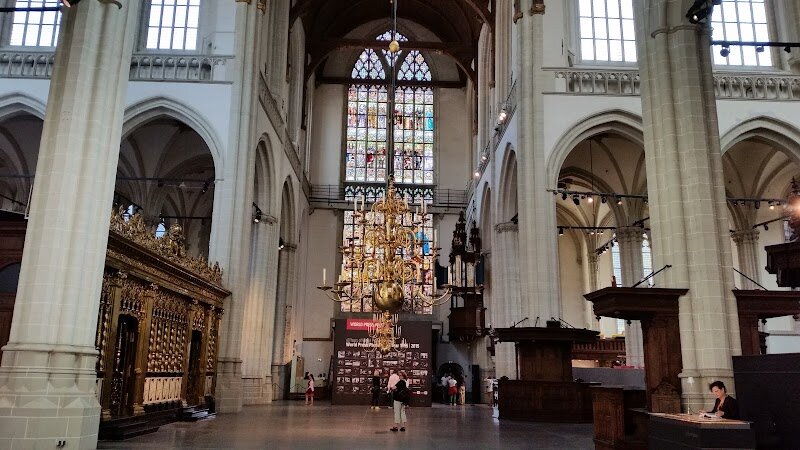
The New Church (De Nieuwe Kerk) in Amsterdam is a place where centuries of Dutch history, art, and royal tradition come alive for visitors of all ages. Set on the iconic Dam Square beside the Royal Palace, this grand Gothic church—consecrated in 1409—has witnessed everything from royal inaugurations to vibrant city celebrations. Step inside and you’ll discover soaring stained glass windows, an awe-inspiring organ, and intricate woodcarvings that tell stories from both the Bible and Dutch history. Families and curious travelers will be fascinated by the church’s ever-changing calendar of world-class art exhibitions, cultural events, and stirring organ concerts, making every visit unique. Kids can marvel at the tales of kings, queens, and legendary Dutch heroes like Admiral Michiel de Ruyter, whose tomb rests within these walls. What makes De Nieuwe Kerk truly special is its blend of sacred tradition and dynamic cultural life: once a Catholic church, later Protestant, it has always been a gathering place for the people of Amsterdam. Whether you’re exploring as a family or seeking inspiration, The New Church offers a captivating journey through the heart of Dutch heritage.

Fifteen years. That's how long it took master craftsmen to carve the mahogany pulpit inside this so-called "New" Church, which has actually been standing since 1408. The irony isn't lost on locals - we call it new because it replaced the overcrowded Old Church just a few blocks away, built on what used to be Willem Eggert's orchard. Here's what most visitors miss: that Gothic facade you're admiring? It's actually a resurrection. In 1645, flames devoured nearly the entire building, leaving just a charred skeleton. The city had grand plans during reconstruction - they started digging foundations for what would've been the tallest tower in the Dutch Republic. Those foundations are still buried beneath Dam Square. Step inside and you'll walk where royalty has walked for centuries. King Willem-Alexander was crowned here in 2013, following a tradition written into our constitution. But it's not just for the living - Admiral Michiel de Ruyter, hero of our naval golden age, lies buried beneath your feet. Today, instead of Sunday sermons, this sacred space hosts world-class exhibitions, making it Amsterdam's most regal art gallery.

landmark

Homomonument

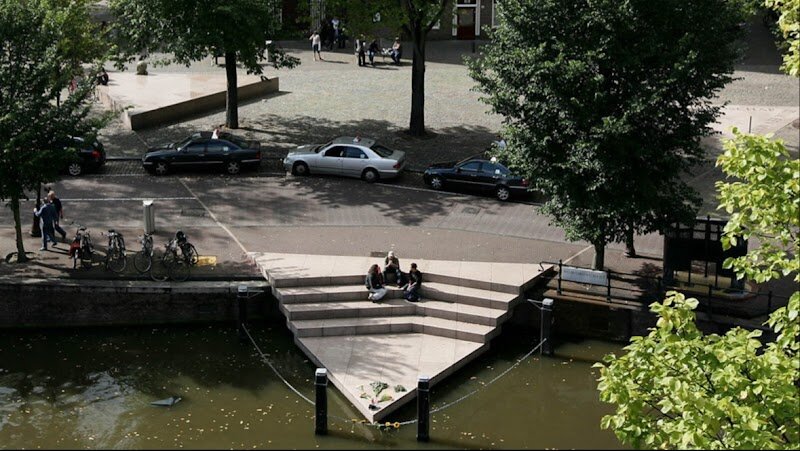
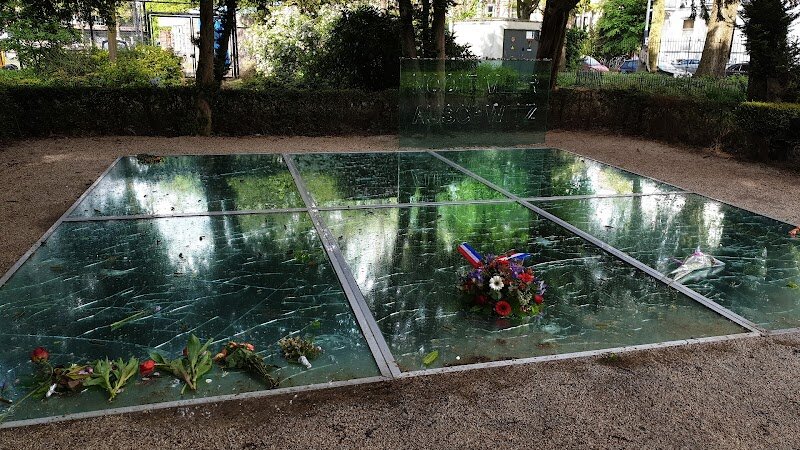
The **Homomonument** in Amsterdam stands as a powerful and moving tribute at the heart of the city, inviting visitors of all ages to reflect on the triumphs and struggles of the LGBTQ+ community. Opened in 1987, it is the world’s first memorial dedicated to gay men and lesbians persecuted not only during the Nazi regime but throughout history and across the globe. What makes this place truly special is its unique design: three large pink granite triangles embedded in the pavement, each pointing to a symbol of the past, present, and future—Anne Frank House, Dam Square, and the city’s LGBTQ+ center (COC). Families and curious travelers will find the Homomonument both thought-provoking and welcoming. Children can safely explore the gentle slopes of the granite triangles, while adults can reflect on stories of courage, solidarity, and resilience. The monument’s open, accessible design encourages visitors to gather, remember, or simply enjoy a quiet moment by the canal. Every year, ceremonies and celebrations animate the site, transforming it into a living symbol of pride and remembrance. A visit here offers not only a lesson in history but also a celebration of diversity and the enduring spirit of Amsterdam.

100,000 men were arrested by the Nazi regime for their sexual orientation... and this monument beneath your feet honors every single one of them, plus countless others who faced persecution simply for who they loved. You're standing on the world's first monument dedicated to LGBTQ+ victims of persecution, unveiled right here in Westermarkt on September 5th, 1987. Artist Karin Daan embedded three massive pink granite triangles into the pavement around you, each one strategically aimed like an arrow through time itself. The triangle you see extending over the Keizersgracht canal points toward the National Monument on Dam Square, representing the present. But look across the water - that second triangle aims directly at the Anne Frank House, symbolizing the past, while the third points toward the headquarters of COC Nederland, the world's oldest continuously operating gay rights organization, representing hope for the future. The pink triangle wasn't chosen by accident. In Nazi concentration camps, this very symbol was sewn onto prisoners' uniforms to mark them for persecution. But here, carved in granite stronger than any oppression, it transforms shame into pride. Jacob Israël de Haan, a gay Jewish poet, wrote the words inscribed here: "Such an endless longing for friendship." Every year on Remembrance Day, you'll find fresh wreaths placed on these triangles... because some monuments don't just remember the past - they actively shape the future.

building

Walloon Church

Step into the heart of Amsterdam’s history at the **Walloon Church (Waalse Kerk)**, a true hidden gem that enchants visitors of all ages with its serene beauty and rich stories. Dating back to the 15th century, this atmospheric church has welcomed worshippers since 1586, when French-speaking refugees—known as Walloons—made it their spiritual home. Its elegant blend of Gothic and Renaissance architecture, with a façade crafted by famed architect Hendrick de Keyser, captivates families and curious travelers alike. Inside, sunlight streams through vibrant stained glass, illuminating intricate details and creating a peaceful retreat from the city bustle. The Walloon Church is more than a place of worship; it’s a lively cultural center. Visitors can enjoy classical concerts, art exhibitions, and community events that bring together locals and travelers in celebration of Amsterdam’s diverse heritage. Guided tours offer fascinating insights into the church’s centuries-old past, from its role as a refuge for Huguenots to its ongoing commitment to inclusivity and the arts. Whether you’re seeking quiet reflection, a family-friendly concert, or a glimpse into Amsterdam’s multicultural tapestry, the Walloon Church promises an inspiring and memorable experience.

That spooky skull decoration above the north entrance isn't just for Halloween - it's been there since 1616, marking where funeral processions used to pass through! You're standing at one of Amsterdam's most mysterious churches, right here in Walenpleintje, smack dab in the middle of the famous Red Light District. This building is almost 530 years old - that's your entire life times TWENTY-SIX! Here's the coolest secret: Vincent van Gogh used to sneak in here every Sunday in the 1870s to listen to his uncle preach. Before it became a church for French-speaking refugees in 1586, this was actually a Catholic monastery chapel that got destroyed by a massive fire in 1452! The whole building had to be rebuilt from scratch. Can you spot the skull carvings designed by the famous architect Hendrick de Keyser? They're your treasure hunt clue that this place has witnessed centuries of Amsterdam's most dramatic stories!

museum

National Maritime Museum

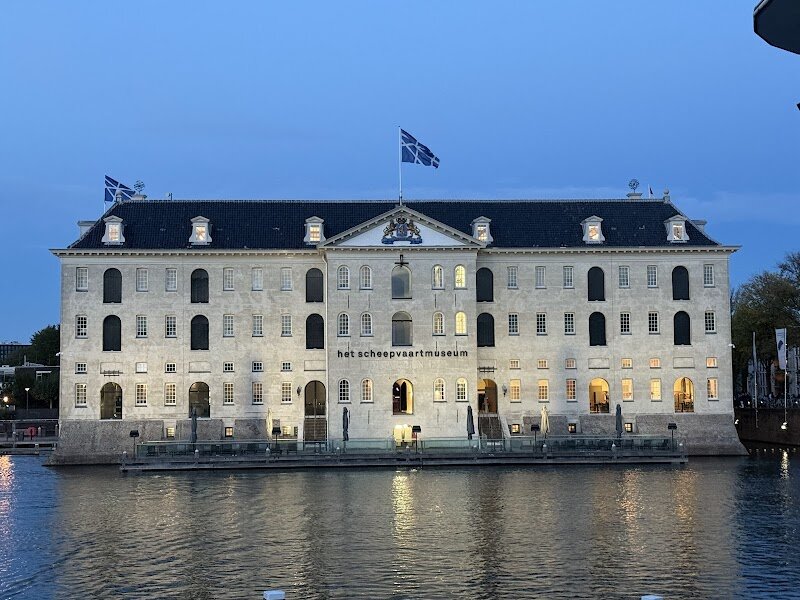
Step into the National Maritime Museum in Amsterdam and set sail on a captivating journey through five centuries of Dutch seafaring adventure. Housed in a striking 17th-century naval storehouse, the museum itself is a piece of history—its robust brick walls once protected the lifeblood of the world’s largest port during the Dutch Golden Age, a time when Amsterdam ruled the waves and global trade routes. Families and curious travelers will be enchanted by immersive exhibits that bring maritime history to life. Kids can scramble aboard a full-size replica of the merchant ship *Amsterdam*, where actors in sailor garb fire cannons, sing sea shanties, and invite young visitors to help hoist cargo or taste a shipboard meal in the galley. Interactive displays, ship models, and hands-on experiences let visitors imagine life at sea, from the cramped captain’s quarters to the excitement of a bustling harbor. The museum doesn’t shy away from the complexities of history, exploring the impact of Dutch exploration, trade, and naval power on the world—including sensitive topics like the slave trade and environmental change. Whether you’re a history buff or a family seeking adventure, the National Maritime Museum offers an inspiring window into the stories that shaped Amsterdam—and the world beyond its harbor.

That gleaming white facade you're admiring? It's hiding a secret - underneath that pristine plaster are completely charred bricks from a devastating fire in 1791. Rather than rebuild, they just covered up the damage, and that's what gives this place its distinctive sandstone appearance today. You're standing on Kattenburgerplein, one of three artificial islands created specifically for Amsterdam's naval arsenal back in 1656 when Amsterdam was literally the world's largest port. Here's the wild part - this entire building is slowly tilting! Built on 2,300 wooden poles driven into soggy peat soil, it started sinking in the 1700s, which is why one wing is literally half the depth of the others. Step inside and you'll walk through galleries where 40,000 liters of rainwater once sat stored beneath your feet, ready to supply Dutch warships. The museum moved here in 1973, transforming this wonky old arsenal into home to one of Europe's most comprehensive maritime collections. And that's before you even get to the full-size replica VOC ship waiting outside!

building

Noorderkerk

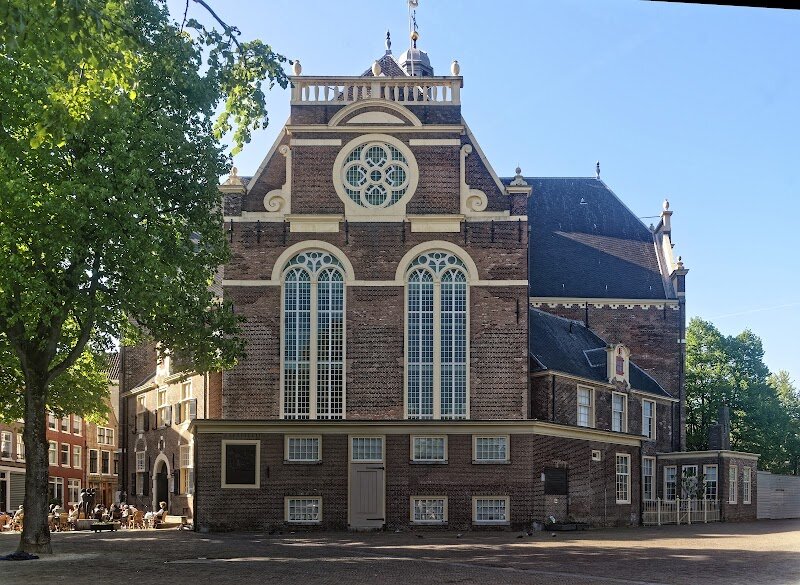
Noorderkerk, nestled in Amsterdam’s vibrant Jordaan district, is a hidden gem that invites families and curious travelers to step into the city’s rich past. Built between 1620 and 1623, this striking church was designed by renowned architect Hendrick de Keyser as a place for the neighborhood’s common folk, contrasting with the nearby Westerkerk’s grander clientele. Its unique architecture—a symmetrical Greek cross layout with four equal arms and a charming central tower—makes it stand out from the city’s other historic churches, reflecting both Renaissance ideals and the simplicity of Protestant design. Inside, visitors are greeted by impressive Tuscan pillars and a peaceful, light-filled space that feels both grand and welcoming. The church isn’t just a relic; it’s alive with music, hosting regular classical concerts that families can enjoy together. Outside, the lively Noordermarkt square bursts with energy, especially on market days, offering a true taste of local Amsterdam life. Whether you’re drawn by history, architecture, or the joy of discovery, Noorderkerk offers an inspiring blend of cultural heritage and community spirit.

Workers are still placing the final stones on this church - wait, that was 400 years ago when master builder Hendrick de Keyser died right in the middle of construction! His son had to finish dad's secret plan. Look at this building - it's shaped like a giant plus sign, totally different from every other church in Amsterdam! The fancy rich people got the tall, decorated Westerkerk down the street, but the regular folks here in the Jordaan neighborhood got something way cooler - the very FIRST church built just for Protestants after they broke away from the Catholic Church! Instead of putting the preacher way up front like the old churches, they stuck him right smack in the middle so everyone could hear equally well. See those chunky stone columns inside? They're called Tuscan pillars and they're holding up this whole cross-shaped roof above your head! And every Saturday morning, this whole square around you transforms into the most delicious organic market - the church has been watching over hungry Amsterdam families for over 400 years!

museum

ARTIS

Step into a world where nature, history, and wonder meet at **ARTIS Amsterdam Royal Zoo**, the oldest zoo in the Netherlands, founded in 1838. Nestled in the heart of Amsterdam, ARTIS is far more than a traditional zoo—it’s a living museum where families and curious travelers can explore nearly two centuries of heritage alongside 750 animal species, lush botanical gardens, and striking historic architecture. Wander leafy avenues lined with centuries-old trees, marvel at giraffes and zebras grazing together on the savannah, and let your imagination soar in the largest planetarium in the Netherlands. ARTIS also invites you to discover the magical Butterfly Pavilion, gaze at jaguar cubs and chimpanzees, or dive into the fascinating world of microbes in ARTIS-Micropia, the world’s first microbe museum. Children and adults alike will be captivated by interactive exhibits and educational programs that spark curiosity about the natural world, biodiversity, and conservation. With its blend of tranquil gardens, unique animal encounters, and rich historical legacy, ARTIS offers an unforgettable adventure—an oasis of discovery in the vibrant heart of Amsterdam.

That middle gate you're walking through fooled everyone for almost 200 years! The zoo's real name is written across THREE gates - Natura, Artis, Magistra - but most people only used this middle entrance, so they thought it was just called "Artis" and the name stuck! Here in Amsterdam's Plantage district, you're entering the world's 5th oldest zoo, where the very last quagga on Earth died in 1883... and nobody even knew it was the last one until years later because they called ALL zebras "quaggas" back then! Look around - that ancient oak tree over there is actually 88 years OLDER than this entire zoo, and some of these 26 historic buildings used to be pubs and factories before becoming animal homes!

building

Vrije Universiteit Amsterdam

Vrije Universiteit Amsterdam, known affectionately as VU, is a vibrant hub of learning and discovery nestled in the dynamic city of Amsterdam. Founded in 1880 by visionary leader Abraham Kuyper, VU began as the first Protestant university in the Netherlands, embodying the spirit of independence—its name literally means “Free University”—and setting itself apart by operating free from both government and church control. Over the decades, VU has transformed from a small, faith-based institution into a diverse, research-driven university that welcomes students and visitors from all walks of life. Families and curious travelers will find VU’s campus alive with intellectual energy, art, and culture. Explore the university’s fascinating history through its unique architecture and exhibitions, or simply enjoy the lively atmosphere created by nearly 30,000 students from around the world. The campus regularly hosts public lectures, interactive science events, and cultural festivals, making it a perfect destination for those eager to experience Amsterdam’s innovative spirit firsthand. Whether you’re wandering the leafy Buitenveldert neighborhood or diving into the university’s storied past, VU Amsterdam offers a window into both the city’s rich heritage and its forward-thinking present.

Five students! That's how many kids showed up when this university opened way back in 1880 - you probably have more friends in your class right now! This whole massive campus in Amsterdam's Zuidas district started because a guy named Abraham Kuyper wanted to create the very first Protestant university in all of the Netherlands. But here's the coolest part - for almost a hundred years, this place was built entirely with pocket change! Literally! Ten thousand people, mostly moms and grandmas, went door-to-door with special green collection boxes asking neighbors for coins. By the 1960s, over 200,000 people were dropping spare change to keep this university running - that's like everyone in a big city chipping in their lunch money! And guess whose picture was on those famous green boxes? Abraham Kuyper himself, who wasn't just the university's first boss but also became Prime Minister of the whole country!

landmark

Rembrandt Monument

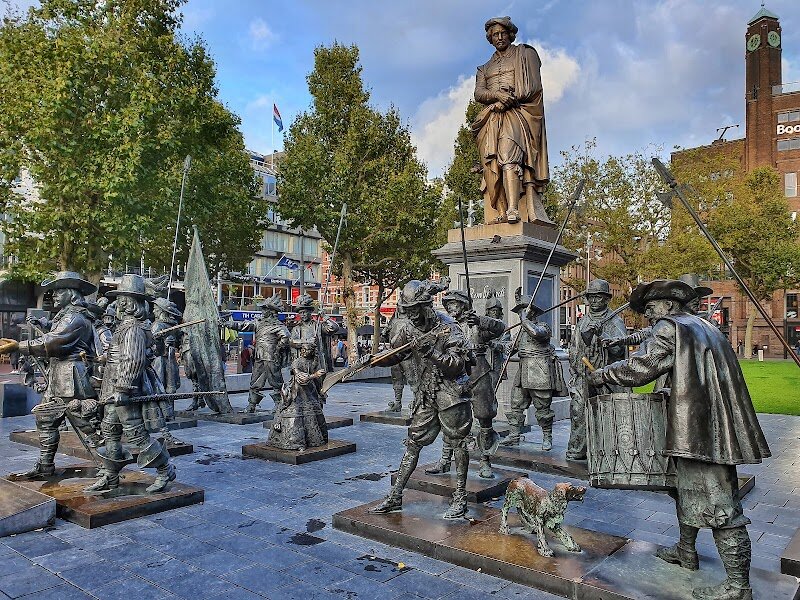
The Rembrandt Monument in Amsterdam is a captivating tribute to one of the world’s greatest artists, standing proudly at the heart of lively Rembrandtplein. Crafted in 1852 by sculptor Louis Royer, this bronze statue depicts Rembrandt van Rijn in a thoughtful pose, holding his painter’s palette and brushes—symbols of his enduring artistic genius. Families and curious travelers alike will find themselves drawn not only to the monument’s impressive detail, which reflects the fashion and spirit of the 17th century, but also to the vibrant atmosphere of the surrounding square, alive with cafés, street performers, and bustling crowds. What makes this monument truly special is its role as Amsterdam’s oldest surviving public statue, commemorating Rembrandt’s profound influence on art and culture. As evening falls, the interplay of light and shadow across the statue’s surface echoes the dramatic chiaroscuro technique that defined Rembrandt’s masterpieces, creating a magical ambiance for visitors. Here, you can pause for reflection, share stories with your family, and let your imagination wander through the city’s rich artistic heritage. The Rembrandt Monument is more than a landmark—it’s a place where history and creativity converge, inviting everyone to be inspired by Amsterdam’s timeless legacy.

This statue is older than its own square's name. Amsterdam's oldest surviving public statue was standing here for 24 years before anyone thought to call this place Rembrandtplein! Cast in 1852 by Louis Royer, this bronze monument to Rembrandt was actually installed when this was still called Reguliersmarkt, the old butter market where farmers sold their dairy and poultry. Here's what most people miss - this entire statue was cast in one incredible piece, a technical marvel for the 1850s. The great painter himself lived just around the corner from 1639 to 1656, probably walking through this very spot when it was still a medieval gateway into the city called Regulierspoort. So when you see tourists posing with "Rembrandt in Rembrandt Square," remind them they're actually meeting Amsterdam's most patient resident - he was here first, waiting decades for the neighborhood to catch up with his fame.

museum

Royal Palace Amsterdam

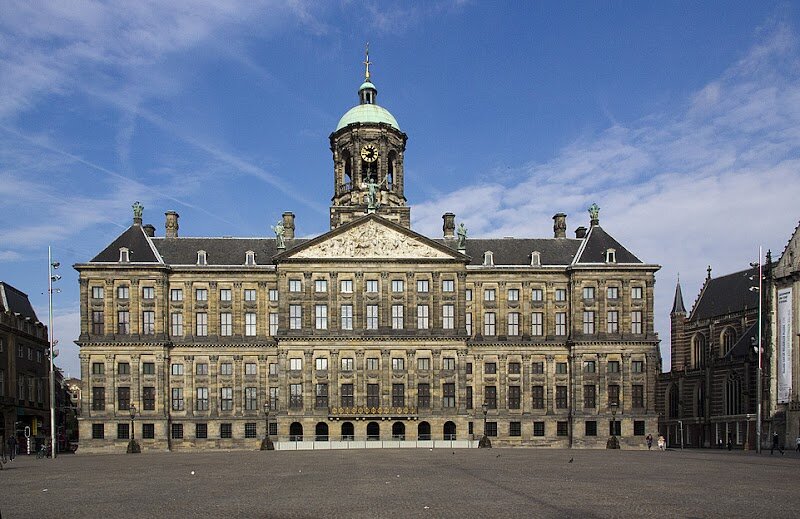
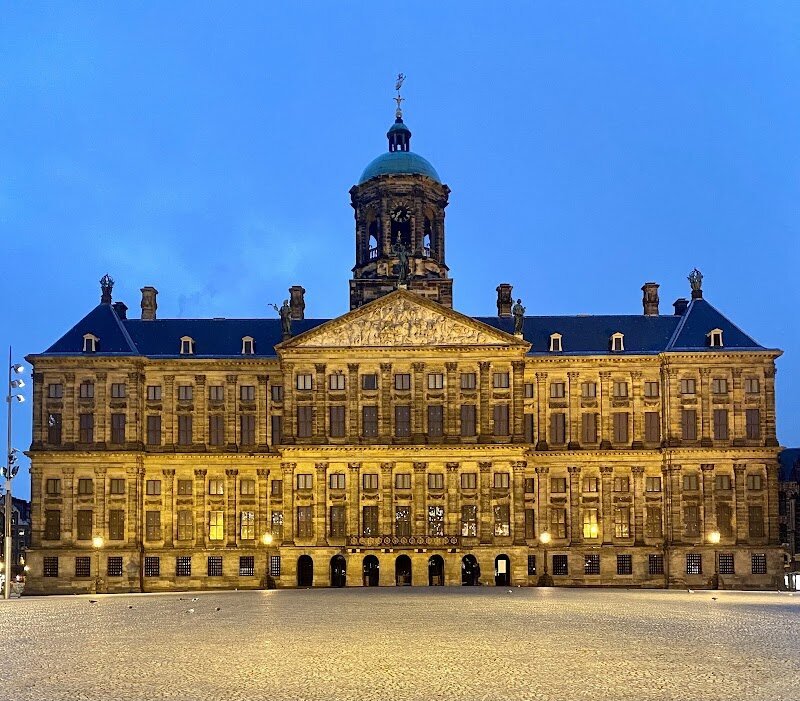
The **Royal Palace Amsterdam** stands majestically on Dam Square, captivating visitors with its grand façade and rich history. Originally built in the 17th century as the city hall during the Dutch Golden Age, this iconic structure was once celebrated as the “eighth wonder of the world” for its scale and architectural brilliance. Designed by Jacob van Campen, the palace showcases **Dutch Classicism** and is supported by over 13,000 wooden piles—a testament to Amsterdam’s ingenuity. Families and curious travelers will be enchanted by the palace’s opulent interiors, where **mythical unicorns**, intricate sculptures, and masterpieces by artists like Rembrandt and Ferdinand Bol adorn the halls. Wander through the awe-inspiring **Great Hall** and **Throne Room**, experiencing firsthand the grandeur that once hosted kings, queens, and dignitaries. More than just a royal residence, this working palace is steeped in stories—from its transformation under King Louis Bonaparte, Napoleon’s brother, to its role in modern royal ceremonies. Today, the Royal Palace invites you to explore centuries of Dutch history, art, and civic pride, making it a must-see destination for anyone eager to discover Amsterdam’s royal heritage.

The year is 1665, and Amsterdam's wealthy merchants are unveiling what they boldly call the eighth wonder of the world - this massive palace towering above Dam Square. What you're looking at isn't just any royal residence - it's actually the world's most expensive city hall turned palace, and it's literally floating on 13,659 wooden piles hammered deep into Amsterdam's swampy soil! Here's what most tourists miss - that grand entrance you see was designed to make visiting dignitaries feel tiny compared to Amsterdam's power. When Napoleon's brother Louis Bonaparte moved in here in 1808, he brought 2,000 pieces of Empire furniture that are still inside today - making this the largest collection outside France. The building is so heavy that without those thousands of wooden piles underneath, it would sink straight into the mud. Step inside and you'll walk across marble floors in the Citizens' Hall that literally map the universe - with the Northern Celestial Hemisphere right under your feet. Winston Churchill slept upstairs in 1946, and just twelve years ago, Queen Beatrix signed her abdication papers in these very rooms. From city hall to Napoleon's palace to royal residence - this place has seen more power changes than any building in the Netherlands!

museum

Madame Tussauds Amsterdam

Madame Tussauds Amsterdam invites families and curious travelers to step into a world where history, celebrity, and artistry meet in the heart of the city. Located on bustling Dam Square near the Royal Palace, this iconic wax museum was the first Madame Tussauds outside the UK, opening its doors in 1970 and bringing the tradition of lifelike wax figures to mainland Europe. Inside, you’ll journey through interactive zones featuring music legends, sports heroes, film stars, and Dutch royalty—perfect for unforgettable selfies and hands-on fun. Children and adults alike can sing on stage with Lady Gaga, pose with Queen Máxima, or relax beside Hollywood’s biggest names, all brought to life with astonishing realism. The museum also celebrates the rich heritage of Marie Tussaud, the remarkable French artist whose craft captivated Europe in the 18th century. Special exhibits highlight the Dutch Golden Age, immersing visitors in the vibrant culture and history of Holland through dramatic presentations and special effects. Whether you’re seeking star-studded encounters or a glimpse into Amsterdam’s past, Madame Tussauds Amsterdam offers a memorable experience for every explorer.

Fifty-five years ago, a great-great-granddaughter made history on this very spot... When Josephine Tussaud opened these doors in 1970, she created the first Madame Tussauds to ever leave British soil, making Amsterdam the pioneer of European wax artistry. But the real secret lies in this magnificent building itself! You're standing before A.J. Joling's architectural masterpiece from 1917, originally designed in the "Um 1800 style" as the second Peek & Cloppenburg clothing store in the Netherlands. For 84 years, fashionable Amsterdammers shopped where you now encounter celebrities, until this building earned its prestigious rijksmonument status. Inside these halls, something unprecedented happened just months ago... 40 master artists worked 14 months to create 13 Taylor Swift figures simultaneously across the globe, marking the most ambitious launch in Madame Tussauds' 250-year history! As you step through these doors on Dam Square, you're entering more than a museum... you're witnessing where European wax artistry was born, where fashion history transformed into celebrity magic.

building

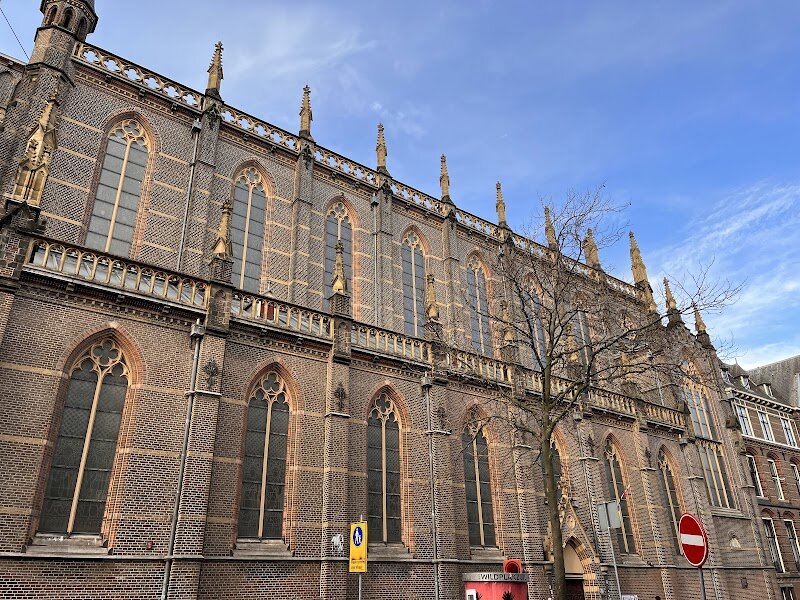
Dominicuskerk

Dominicuskerk, nestled on Spuistraat in the heart of Amsterdam, is a striking testament to the city’s layered history and creative spirit. Designed by renowned architect Pierre Cuypers—famous for the Rijksmuseum and Central Station—the church was completed in 1893 in the vibrant neo-Gothic style, with soaring arches, intricate stonework, and a beautifully painted wooden ceiling that captures the imagination of visitors of all ages. What makes Dominicuskerk truly unique is its transformation over time. Originally built for the Dominican Order, the church has evolved from a hidden Catholic mission in the 17th century into a lively, independent community known today for its inclusive and welcoming atmosphere. Families and curious travelers alike will be enchanted by the colorful murals, the warmth of the natural light streaming through stained glass, and the creative use of space—where the historic altar rail has been repurposed as a stage for music and storytelling. Visitors can experience uplifting services, inspiring concerts, and a sense of living history, all within a space that honors tradition while embracing change. Dominicuskerk invites everyone—regardless of background—to discover a place where heritage, art, and community come together in the heart of Amsterdam.

This building hides in plain sight... yet inside lies one of Amsterdam's most magnificent Neo-Gothic secrets. What you see before you on Spuistraat 12 is deliberately designed to be invisible, a masterpiece masquerading as an ordinary house. In 1884, the legendary Pierre Cuypers—architect of Central Station and the Rijksmuseum—faced an impossible challenge. The city had refused his plans for an 85-meter tower, forcing him to create Amsterdam's most deceptive church. Behind this modest brick facade awaits a soaring cathedral space where stars literally dance across the wooden ceiling, painted on panels that rest on wrought-iron arches like a medieval fairy tale. But here's what most visitors never discover: you're standing on three centuries of secret worship. Before Cuypers' church, this exact spot housed the clandestine "Stadhuys van Hoorn" where Dominican monks celebrated hidden masses since 1624, when Catholic worship was forbidden. The narrow side aisles you'll see inside? They were designed specifically for processions, a tradition kept alive from those dangerous days of underground faith. Step through that unassuming door, and prepare to gasp—the transition from Amsterdam street to Gothic sanctuary is so dramatic, visitors often stop dead in their tracks, necks craning upward to take in Cuypers' impossible dream realized in stone and starlight.

museum

Stedelijk Museum Amsterdam

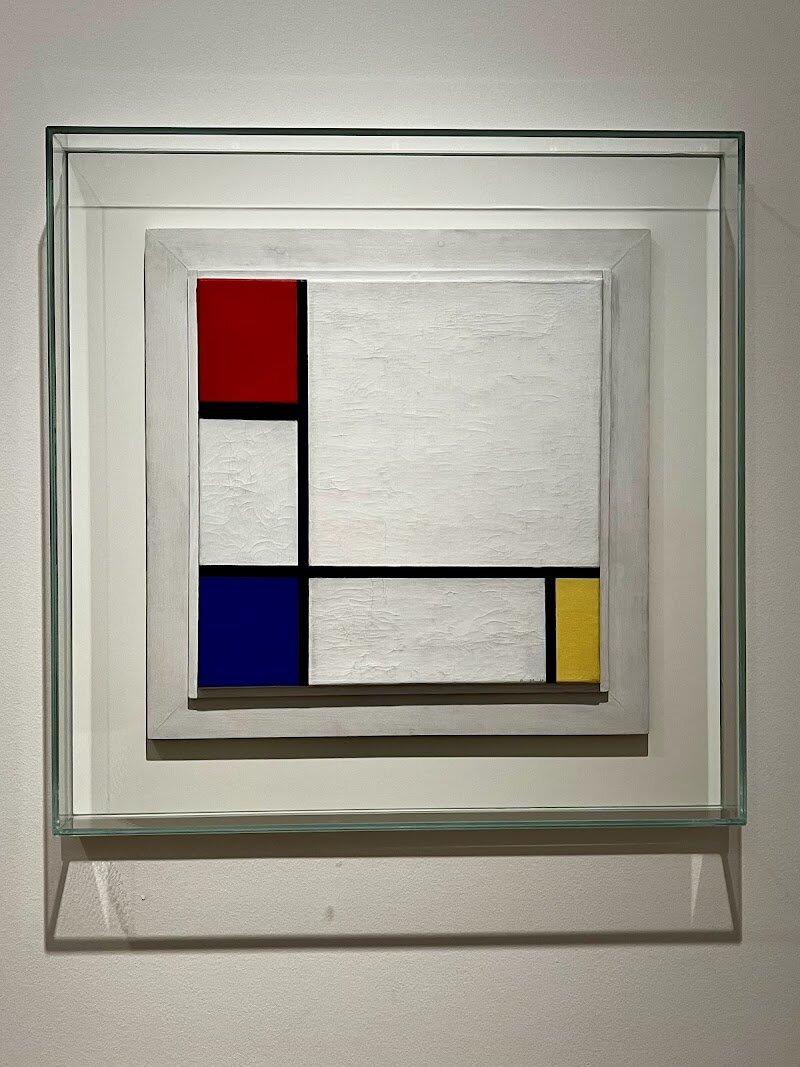
The Stedelijk Museum Amsterdam is a vibrant hub of modern and contemporary art, inviting families and curious travelers to explore a world of creativity in the heart of the city. Founded in 1895 thanks to the vision of local citizens and art-loving patrons like Sophia Adriana de Bruyn, the museum’s striking Dutch Neo-Renaissance building—now paired with its iconic modern “bathtub” wing—stands just a stroll from the Rijksmuseum. Inside, visitors can journey through nearly 90,000 works spanning groundbreaking movements such as De Stijl, Bauhaus, Pop Art, and CoBrA, as well as masterpieces by Cézanne, Van Gogh, and Malevich. The Stedelijk’s ever-changing exhibitions mean there’s always something new to discover, from colorful paintings to bold design and interactive installations that captivate all ages. More than just an art museum, the Stedelijk is a living testament to Amsterdam’s evolving story—from its roots in nineteenth-century innovation and philanthropy to its ongoing role as a leader in global art and design. Whether you’re an art aficionado or a family seeking inspiration, the Stedelijk promises an unforgettable, hands-on adventure into imagination and history.

That gleaming white extension hovering above you expands and contracts exactly zero millimeters, even when Amsterdam's weather swings from freezing winter to summer heat. The architects achieved this impossible feat using space-age fibers originally designed for fighter jets and defense systems, creating the world's first thermally neutral museum facade. You're standing where an empty meadow stretched in 1885, before three cultural titans claimed this land within a single decade. The Stedelijk arrived last in 1895, designed by city architect A.W. Weissman in red brick that mimicked 16th century Dutch palaces. But in 1938, a revolutionary curator named Willem Sandberg committed what many called "artistic vandalism" - he whitewashed the entire ornate interior, creating the world's first "white cube" gallery concept that museums worldwide still copy today. That floating bathtub above you spans 65 meters without a single support column underneath - it's essentially a bridge that transfers all its weight to just four points, making this the first museum entrance to actually face the Museumplein. The €75 million extension only kisses Weissman's original building at two precise spots, like a futuristic parasite that doubled the museum's size while leaving its host mysteriously untouched. Inside, you'll discover that Sandberg's white revolution continues - old and new flow together so seamlessly that visitors forget which century they're walking through.

museum

Anne Frank House

The **Anne Frank House** in Amsterdam offers families and curious travelers a profoundly moving encounter with history. Nestled along the picturesque Prinsengracht canal, this preserved 17th-century home is where Anne Frank, her family, and four others hid in the *Secret Annex* for over two years during World War II, evading Nazi persecution. The museum stands not only as a testament to the horrors of the Holocaust but also as a symbol of resilience and hope, immortalized by Anne’s world-famous diary. Stepping inside, visitors are transported back in time, navigating the narrow corridors and hidden rooms that sheltered the group. The atmosphere is both haunting and inspiring, as personal artifacts and poignant displays reveal the daily realities of life in hiding, underscored by Anne’s dreams and reflections. Families can explore interactive exhibits that foster understanding and empathy, while the original diary—preserved and displayed—connects generations to Anne’s enduring voice. The Anne Frank House invites reflection on tolerance and human rights, making it a must-see for anyone seeking to understand the past and its lessons for the future.

That bookcase behind you isn't just any bookcase - it's the secret door that hid eight people for 761 days! This narrow canal house at Prinsengracht 263 was built way back in 1635, making it almost 400 years old - that's like your great-great-great-great-great-great-great-great-grandparents' time! Inside the hidden Secret Annex, Anne Frank wrote the world's most famous diary while never seeing sunlight. Today over one million people visit each year - that's like the entire population of Amsterdam walking through Anne's hiding place! Can you spot the pencil marks on the wall where her father measured her height?

museum

Van Gogh Museum

The Van Gogh Museum in Amsterdam is a vibrant celebration of creativity and resilience, inviting visitors of all ages into the colorful world of Vincent van Gogh. Home to the largest collection of Van Gogh’s paintings and drawings on the planet, the museum offers a fascinating journey through the artist’s life—from his early struggles to his later masterpieces that now captivate millions. Families and curious travelers can marvel at iconic works, discover lesser-known treasures, and explore how Van Gogh’s style influenced generations of artists. Set in the heart of Museum Square, the museum’s light-filled galleries are designed to be welcoming and visually striking, making art accessible and engaging for everyone. Interactive exhibits and immersive experiences invite kids and adults alike to connect with Van Gogh’s passion, his letters, and the stories behind each brushstroke. Beyond the art, visitors uncover the moving history of a man whose genius was unrecognized in his lifetime, yet whose legacy now inspires creativity and wonder around the globe. Whether you’re an art lover or simply curious, the Van Gogh Museum is a must-see destination where imagination comes alive.

Right now, beneath your feet, an underground tunnel connects two worlds of Vincent's torment and genius... This is no ordinary passageway - it's the hidden lifeline of the Van Gogh Museum, where curators move the world's largest collection of Van Gogh masterpieces between Gerrit Rietveld's stark Rationalist main building from 1973 and its companion structure. Standing here on Museumplein, you're looking at angular concrete and glass that deliberately contrasts with Vincent's swirling emotions inside. Rietveld designed this building like a fortress of reason to house a man who painted madness into beauty. Before this museum claimed this corner of Amsterdam in 1973, this plot was simply empty space on the grand museum square - waiting for Vincent to finally come home to the Netherlands. Here's what most visitors never realize: those clean, geometric lines you see aren't just modern architecture - they're intentionally opposite to Van Gogh's chaotic brushstrokes. Step inside, and you'll discover that this museum holds not just 200 paintings and 500 drawings, but 800 of Vincent's actual letters... his handwritten confessions of loneliness, love, and artistic obsession. Between 1885 and 1889, Vincent painted 43 self-portraits - more studies of his own tormented face than almost any artist in history. As you walk through Rietveld's rational rooms, you'll witness this incredible psychological journey... one tortured soul finally finding his eternal home on Museumplein.

landmark

National Monument

In the heart of bustling Dam Square stands Amsterdam’s **National Monument**, a striking 22-meter obelisk that invites families and curious travelers to pause and reflect. Erected in 1956 and designed by renowned architect J.J.P. Oud, this white stone monument is the Netherlands’ most important memorial to the victims of World War II, honoring not only those lost but also the resilience of the Dutch people. What makes the National Monument truly special is its role as a living symbol of remembrance and unity. Every year on May 4th, the monument becomes the focal point of National Remembrance Day, drawing crowds—including the royal family—for a moving ceremony that connects past and present. Visitors are welcomed into a space where history is palpable: sculptures and inscriptions tell stories of freedom and peace, while the lively square all around reminds you that life continues, shaped by the sacrifices of those commemorated here. Whether you’re exploring with children or seeking a quiet moment amid the city’s energy, the National Monument offers a powerful, educational, and deeply human experience at the very heart of Amsterdam.

May 4th, 1956... Queen Juliana herself stands right where you are now, pulling away a cloth to reveal something AMAZING! This 22-meter monument is as tall as SEVEN giraffes stacked up, and guess what's hidden inside? Twelve urns filled with actual soil from battlefields across the Netherlands and Indonesia! The white travertine stone you're touching traveled all the way from Italy, and every May 4th, the entire royal family gathers in this exact spot on Dam Square for the most important ceremony in the whole country! You're standing on what used to be an actual dam from way back in 1270!

museum

Moco Museum

Moco Museum in Amsterdam is a vibrant destination where **modern and contemporary art** come alive for visitors of all ages. Housed in the elegant Villa Alsberg—a 1904 townhouse on the iconic Museumplein—the museum stands out not just for its historic setting, but for its bold commitment to making art accessible and engaging for everyone. Founded in 2016 by art visionaries Kim and Lionel Logchies, Moco was conceived as a welcoming space where families, curious travelers, and even first-time museum-goers can connect with world-renowned works that are both playful and thought-provoking. Inside, you’ll discover an ever-evolving collection featuring **iconic artists** like Banksy, Andy Warhol, Yayoi Kusama, and Roy Lichtenstein, as well as immersive installations and interactive exhibits designed to spark creativity and conversation. Moco’s approachable style, emphasis on inclusivity, and knack for showcasing provocative, streetwise art make it especially appealing to younger audiences and families looking for something fresh and inspiring. Whether you’re admiring bold pop art, exploring digital innovation, or simply soaking in the lively atmosphere, Moco Museum promises a memorable adventure into the heart of today’s art scene—right in the center of Amsterdam’s cultural district.

Workers are still adding new Banksy pieces inside this gorgeous 1904 villa! Eduard Cuypers designed this townhouse - his famous uncle Pierre built the Rijksmuseum you see behind us! Look at those fancy windows and intricate stone details on the front! Inside, five floors hold the world's largest Banksy collection - 50 unauthorized pieces! This was a family home for 35 years, then priests lived here, and now it's Amsterdam's rebellious art hideout!

landmark

Memorial to Auschwitz Victims

The Memorial to Auschwitz Victims in Amsterdam, nestled in the peaceful Wertheimpark, is a deeply moving tribute that invites visitors of all ages to reflect on the tragic history of the Holocaust. Designed by renowned artist Jan Wolkers, its striking feature is six large sheets of broken mirror glass, laid flat to reflect the ever-changing sky—a powerful symbol of shattered lives and dreams. Beneath one glass panel lies an urn containing ashes from Auschwitz, while the words “Nooit Meer Auschwitz” (“Never Again Auschwitz”) stand as a solemn reminder of the promise to remember and never repeat such horrors. Families and curious travelers will find the memorial both educational and evocative. The serene atmosphere encourages quiet contemplation, and the artistic design bridges history and emotion, making it accessible even for younger visitors. Informative inscriptions in Dutch and English offer context and stories, helping everyone grasp the impact on Amsterdam’s Jewish community and the world. Surrounded by the greenery of the park and close to the city’s vibrant Jewish Quarter, the memorial is not only a place for remembrance, but also a springboard for learning and meaningful conversation—a must-see for anyone seeking understanding and connection in Amsterdam.

Visitors are touching these broken mirrors right now, completely unaware they're standing on actual ashes from Auschwitz. This isn't just any memorial – it's the Spiegelmonument, where artist Jan Wolkers literally embedded crematorium ashes beneath that cracked glass panel you see reflecting the sky. When Wolkers designed this in 1977, he chose broken mirrors for a heartbreaking reason: he said the heavens themselves would be "wounded forever" after Auschwitz. Those six shattered glass sheets aren't random – they're mathematically positioned to reflect different angles of sky throughout the day, creating this constantly changing kaleidoscope of light and shadow. Here's what most people miss – you're standing in what used to be Napoleon's personal gift to Amsterdam. This entire Wertheimpark was his peace offering to the Dutch in 1810. Pretty wild that a French emperor's gesture of goodwill became the setting for remembering the 96% of Dutch Jews who never came home from the camps. The sphinxes guarding the park entrance? They were here decades before the memorial, just silently watching history unfold. Now they're eternal witnesses to both the wound and the healing.

landmark

Mystery City Games

Step into the enchanting streets of Amsterdam and become a detective for a day with **Mystery City Games**—where adventure, history, and clever puzzles collide. Perfect for families and inquisitive travelers, this unique experience transforms the city into an immersive outdoor escape game and treasure hunt, blending the thrill of a scavenger hunt with the intrigue of a real-life mystery. As you follow treasure maps through Amsterdam’s iconic canals and hidden alleyways, you’ll unravel fascinating secrets from the city’s storied past. Each game is rooted in true history: from tracking secret societies during the Golden Age to uncovering tales of the Dutch resistance in WWII, you’ll solve escape-room-style puzzles using clues hidden in the city’s architecture and monuments. It’s a hands-on history lesson that brings Amsterdam’s colorful stories vividly to life. Whether you’re racing against the clock or exploring at your own pace, Mystery City Games invites all ages to team up, crack codes, and unlock treasures—no screens required. It’s a playful, interactive way to make memories, discover hidden corners, and see Amsterdam as you never have before.

The year is 1650, and wet, colorful fabrics are hanging everywhere to dry along this very canal! You're standing where Zwanenburgwal 178 sits today, but back then this street was called Verversgracht - the "dyers' canal" - because Amsterdam's textile workers stretched their rainbow-colored cloths right here! And guess what? The famous painter Rembrandt van Rijn lived just steps away on this same canal, probably watching those fluttering fabrics dance in the wind every single day! Today, instead of drying clothes, this exact spot helps adventurers solve 400-year-old mysteries through the city - it's like the canal itself became one giant treasure map! Can you spot any clues hidden in the old brick walls around you?

museum

Rijksmuseum

The Rijksmuseum in Amsterdam is a captivating journey through eight centuries of Dutch art, history, and imagination, making it a must-visit for families and curious travelers alike. Housed in a magnificent neo-Gothic building designed by Pierre Cuypers and opened in 1885, the museum itself is an architectural masterpiece, blending Gothic and Renaissance styles with intricate details that spark wonder before you even step inside. Once inside, visitors can explore over 8,000 objects on display, from dazzling paintings and historic artifacts to intricate dollhouses and ship models that appeal to all ages. The museum is home to world-renowned treasures like Rembrandt’s dramatic “The Night Watch” and Vermeer’s luminous “The Milkmaid,” offering not just stunning visuals but also a window into the Dutch Golden Age—a time when the Netherlands was a global leader in art, science, and trade. Founded in 1800 and relocated to Amsterdam in 1808, the Rijksmuseum has grown from a small national collection to one of the world’s premier art institutions. Families can embark on a treasure hunt through Dutch history, while art lovers of all ages will find inspiration in the masterworks that define a nation’s creative spirit.

Nine whole years - longer than you've been alive! That's how long it took to build this red brick fairy tale castle on Museumstraat. But here's the crazy part - the Rijksmuseum didn't even start in Amsterdam! Napoleon Bonaparte moved all the paintings here in 1808, including Rembrandt's Night Watch that's as big as your bedroom wall inside! Those Gothic towers reaching up like castle spires? They're hiding the world's biggest treasure chest of Dutch Golden Age art!

landmark

Proveniershuis

Step into the Proveniershuis and discover a hidden gem in the heart of Haarlem—a place where centuries of history and community come alive. Originally founded in 1707 to house elderly men who could afford their own upkeep, this remarkable hofje stands apart from others in the Netherlands. Unlike the typical hofjes built for impoverished women, Proveniershuis features spacious residences arranged around a lush, oversized courtyard—perfect for families to wander and for children to play among the greenery. The site’s story stretches even further back: once a 14th-century nunnery, the Proveniershuis later served as a militia headquarters and even a grand inn, before becoming the serene haven it is today. Echoes of its colorful past linger in the architecture and in tales of notable residents, like the legendary “giant” Daniel Cajanus and playwright Pieter Langendijk. Modern visitors can stroll through the tranquil gardens, admire the historic façades, and relax in the inviting lunchroom that now welcomes shoppers and travelers alike. Whether you’re a curious explorer or a family seeking a peaceful retreat, Proveniershuis offers a unique glimpse into Haarlem’s rich heritage and the enduring spirit of its community.

1414. That's when the first stone was laid for what would become one of Haarlem's most dramatically transformed buildings. Standing before you on Grote Houtstraat is the Proveniershuis, where high-born nuns once prayed in the St. Michielsklooster, their voices echoing through these very walls for over 150 years. But this courtyard has witnessed more reinventions than a master actor. When you step through that magnificent stone entranceway ahead of you, designed by the legendary architect Lieven de Key in 1592, you're walking where Elisabeth Verhagen once lived as a nun... until the Protestant Reformation tore her world apart. The Haarlem archives still preserve her heartbreaking complaint about watching soldiers plunder her beloved cloister as it transformed into the St. Joris Doelen, a militia drill ground where armed men practiced where prayers once rose. Notice how these homes surrounding the courtyard are nearly twice the size of typical Dutch hofjes. That's because this became something revolutionary in 1707 - the Netherlands' most exclusive retirement community, where elderly gentlemen actually paid rent instead of relying on charity. The rectangular garden stretching before you takes up an entire city block, making this one of the largest hofjes in all of Holland. Four centuries, four completely different lives... and the walls remember them all.

landmark

Dam Square

Dam Square is the vibrant heart of Amsterdam—a place where centuries of history meet lively modern energy. Founded in the 13th century on the dam that gave the city its name, this iconic square has witnessed Amsterdam’s transformation from a humble fishing village to a bustling metropolis. Families and curious travelers will be captivated by the impressive Royal Palace, once the city’s town hall and still a centerpiece for royal events, and the poignant National Monument, honoring those who served in World War II. Strolling through Dam Square, visitors encounter street performers, spring carnivals, and a whirl of activity from surrounding shops, cafes, and restaurants. Children marvel at the colorful ferris wheel and flocks of pigeons, while adults explore treasures like Madame Tussauds and the historic Nieuwe Kerk, now hosting major exhibitions. The square’s lively atmosphere, rich past, and diverse attractions make it a must-visit for anyone eager to experience the spirit of Amsterdam. Whether you’re soaking up its storied architecture or simply people-watching from a café, Dam Square offers a memorable slice of Dutch culture for every generation.

This isn't just a square - it's a giant lid covering the river that created Amsterdam! Way back in 1270, brave builders constructed the very first dam right here in the Amstel River, and that's literally how Amsterdam got its name - "dam in the Amstel!" But here's the super cool secret - that river water is STILL flowing underneath your feet right now, rushing through hidden tunnels beneath the cobblestones! And get this - the fancy Royal Palace behind you is balancing on 13,659 wooden tree trunks that were hammered deep into the mushy ground! The original houses from 800 years ago? They're buried five whole meters below where you're standing - that's deeper than a giraffe is tall!

landmark

Sculpture of Anne Frank

The Sculpture of Anne Frank in Amsterdam, set in the tranquil Merwedeplein park, offers visitors a deeply moving encounter with history and hope. This evocative bronze statue depicts Anne as she was on the day her family went into hiding—layered in the many clothes she described in her diary, a poignant detail that brings her story vividly to life. Standing on a high red granite base, Anne gazes back toward her former home at 37 Merwedeplein, inviting families and curious travelers to imagine her world and the difficult choices her family faced. What makes this place special is its setting in Anne’s own childhood neighborhood, far from the crowds of the city center. Here, visitors can quietly reflect not only on Anne’s remarkable resilience but also on the fate of the thirteen thousand Jewish neighbors commemorated by the monument. Nearby, you’ll find “stumbling stones” marking the Frank family’s home, adding layers of meaning to your visit. The statue, born from a local citizens’ initiative, stands as a symbol of remembrance and a testament to the enduring impact of Anne’s life and words. For families and travelers alike, it’s a place to pause, reflect, and connect with the powerful legacy of one of history’s most beloved diarists.

July 6th, 1942, just after dawn, and a thirteen-year-old girl steps out of number 37 Merwedeplein for the last time, clutching two small bags - everything she could take to her secret hiding place. That's exactly the moment captured in this bronze sculpture by Jet Schepp, unveiled in 2005. What most visitors don't realize is you're standing in what locals call "Little Germany" - after 1933, this entire Rivierenbuurt neighborhood became home to so many German Jewish refugees that Dutch kids learned German just to play with their new neighbors. The bookshop where Anne bought her famous red diary? Just around the corner - it's still there, now called Jimmink. This statue memorializes not just Anne, but thirteen THOUSAND Jewish residents who once filled these streets and never returned. Buenos Aires has the only replica - a gift between nations remembering together.

landmark

De 9 Straatjes

Nestled in the heart of Amsterdam’s UNESCO-listed canal belt, **De 9 Straatjes**—the Nine Streets—offers families and curious travelers a vibrant blend of history, charm, and discovery. Created in the early 17th century during the city’s Golden Age, this picturesque neighborhood sprang from Amsterdam’s need to expand, weaving together three grand canals—Herengracht, Keizersgracht, and Prinsengracht—with nine lively cross streets. Each street whispers stories of old artisans, with names like Huidenstraat (Skins Street) and Wolvenstraat (Wolves Street) recalling the bustling leather trade that once thrived here. Today, De 9 Straatjes dazzles visitors with its unique mix of **boutique shops, cozy cafés, galleries, and artisan stores**, all housed in beautifully preserved historic buildings. The area feels like an open-air museum, where families can wander safely and snap photos of stunning canal views, while children marvel at quirky storefronts and parents enjoy local delicacies. Whether you’re exploring as a family or seeking hidden gems off the tourist track, De 9 Straatjes welcomes you to experience Amsterdam’s rich heritage and creative spirit, making every stroll an adventure through time and culture.

That shop sign above your head says "Wolf Street" - and you're standing where actual wolf fur traders worked 400 years ago! This tiny neighborhood called De 9 Straatjes wasn't even called that until 1996 when shopkeepers invented the name - and nobody liked it at first! But here's the crazy part: these nine little streets pack 140 historical monuments into an area smaller than your school playground, making it one of the densest treasure zones in all of Amsterdam's UNESCO World Heritage canals!

museum

Museum Van Loon

Museum Van Loon offers a rare journey into Amsterdam’s aristocratic past, nestled along the city’s picturesque Keizersgracht canal. Housed in a grand 17th-century canal mansion designed by Adriaen Dortsman, this museum brings to life the elegance and stories of the influential Van Loon family, whose legacy is woven into the fabric of Dutch history—Willem van Loon was even a co-founder of the Dutch East India Company. Inside, families and curious travelers can wander through lavishly decorated rooms filled with centuries-old portraits, gleaming silver, fine porcelain, and exquisite furniture, all carefully preserved to reflect the opulent lifestyle of Amsterdam’s Golden Age. Children and adults alike will be captivated by tales of the house’s first resident, the artist Ferdinand Bol, a pupil of Rembrandt, and by the playful details like painted fake doors and hidden corners. Beyond the interiors, a stroll through the tranquil 17th-century garden—complete with a charming coach house—offers a peaceful escape and a glimpse into the private world of Amsterdam’s elite. With its authentic atmosphere, rich history, and engaging exhibits, Museum Van Loon is a delightful destination for anyone eager to step back in time and discover the stories behind Amsterdam’s grand canal houses.

Workers are still discovering 400-year-old secrets behind these walls at Keizersgracht 672, where Rembrandt's star pupil Ferdinand Bol once mixed his paints in 1672. But here's what'll blow your mind - those bedroom doors you see aren't real! The 18th-century Van Loon family was so obsessed with perfect symmetry they painted the actual doors to match the walls and created fake doors where you'd expect them to be. Standing here, you're looking at the only place in all of the Netherlands where you can see the original trinity intact - canal house, formal garden, and coach house, exactly as wealthy merchants planned it. That brass staircase spiraling up inside? It's the most elaborate rococo banister in the country, and the basement once housed fifteen servants who polished silver in their own scullery room. Oh, and that magnificent copper beech in the garden? The Van Loons planted it in 1884 - same year they moved in after co-founding the Dutch East India Company made them ridiculously wealthy.

museum

NEMO Science Museum

NEMO Science Museum is Amsterdam’s ultimate playground for curious minds, where science springs to life through hands-on discovery. Housed in a striking, ship-shaped building designed by renowned architect Renzo Piano, NEMO rises above the city’s harbor—an architectural nod to Amsterdam’s seafaring past and its spirit of innovation. With a legacy stretching back to 1923, NEMO has evolved from a humble labor museum into the Netherlands’ largest science center, welcoming hundreds of thousands of visitors each year. Inside, five dynamic floors brim with interactive exhibits: launch a chain reaction with giant dominoes, unravel the mysteries of DNA, or experiment in the bustling science lab. Kids and adults alike can explore the wonders of electricity, test their senses, and even oversee a mini ball factory in action. Beyond the exhibits, the panoramic rooftop terrace offers sweeping views of Amsterdam—a perfect spot to reflect on discoveries made within. NEMO’s mission is clear: to ignite curiosity and inspire all ages to explore the marvels of science and technology. For families and inquisitive travelers, NEMO promises an unforgettable adventure where learning and fun go hand in hand.

That giant green ship rising from Amsterdam's Oosterdok harbor isn't sailing anywhere - it's built on TOP of a 1960s underwater tunnel! Famous architect Renzo Piano had to design this whole building to literally float above cars driving beneath your feet right now. The curved copper walls that look like a ship's hull? They're copying the exact shape of the tunnel underneath! Inside, you'll discover the largest science center in the Netherlands, where over 700,000 visitors every year get to touch EVERYTHING - because the motto here is "Prohibited NOT to touch!" And here's the coolest secret: you can climb all the way to the rooftop for FREE, even without going inside, where 75 different types of plants grow in Amsterdam's very own floating garden!

museum

Hash Marihuana & Hemp Museum in Amsterdam

Step into the Hash Marihuana & Hemp Museum in Amsterdam and embark on a fascinating journey through the remarkable history of the cannabis plant. Located in the heart of the city’s historic De Wallen district, this pioneering museum—opened in 1985 as the world’s first dedicated solely to cannabis and hemp—invites families and curious travelers to discover how this versatile plant has shaped cultures for centuries. With over 9,000 intriguing artifacts, the museum brings to life the many faces of cannabis: from ancient medicinal uses and spiritual rituals to its crucial role in Dutch maritime history, where hemp was used for ship sails and rigging during the Golden Age. Visitors will encounter everything from vintage medicine bottles and historic smoking devices to botanical prints and original Dutch paintings. Children and adults alike can marvel at the live cannabis garden and explore hands-on exhibits that reveal the plant’s uses in textiles, paper, and even cosmetics. Art lovers will appreciate works by renowned Dutch masters, while everyone will leave with a deeper understanding of the cultural, industrial, and environmental impact of cannabis. The museum’s engaging displays and welcoming atmosphere make it a must-see for anyone eager to learn and be inspired by this extraordinary plant.

This museum is older than cannabis legalization in the Netherlands. Seriously! The Hash, Marihuana & Hemp Museum opened right here on Oudezijds Achterburgwal in 1985, fifteen years before brothels became legal just down the street, making it one of the world's first cannabis museums. Here's what most visitors miss... that unassuming brick facade you're looking at houses an original Piet Mondrian painting alongside 7,000 cannabis artifacts from across the globe. The building itself sits in De Wallen, where medieval sailors once sought hemp rope for their ships in the very same neighborhood where the museum now celebrates the plant's history. Inside, you'll walk past a living cannabis garden with five different strains growing right before your eyes, then discover a 1836 Dutch Bible actually printed on hemp paper. The Hemp Gallery upstairs contains David Teniers the Younger's 1660 masterpiece "Hemp-Smoking Peasants in a Smoke House" - painted when Amsterdam was the world's hemp trading capital. And yes, there's that famous vaporizer room where adults can legally sample what they're learning about. Over two million people have walked through these doors since opening, making this quirky Red Light District spot more popular than most major art museums. The real kicker? They even display one of cannabis smuggler Howard Marks' fake passports - because apparently Amsterdam's always had a sense of humor about these things.

building

Town Hall Haarlem

Town Hall Haarlem, located on the lively Grote Markt, is a striking symbol of Dutch history and architectural splendor just outside Amsterdam. Families and curious travelers will be captivated by its blend of **medieval origins and Renaissance flair**—the original structure dates back to the 14th century, while the elegant façade was added by famed architect Lieven de Key in the 17th century, showcasing ornate Dutch Renaissance details. This grand building has witnessed centuries of local life as the seat of Haarlem’s government and stands as one of the **oldest city halls in the Netherlands**. Step closer to admire its distinctive chimneys and classicist front, then imagine the tales held within: the interior is adorned with historic paintings and fascinating artifacts, including a massive whale bone and portraits of the Counts of Holland, offering a vivid glimpse into the region’s noble past. Though the Town Hall is still a working government building, its rich history and breathtaking architecture make it a must-see for anyone eager to experience the heart and heritage of Haarlem. It’s a place where every stone and decoration tells a story, inviting visitors of all ages to step back in time and discover the city’s enduring charm.

That gigantic whale bone hanging inside these walls once sailed the world's oceans before finding its final resting place in what is the oldest continuously operating city hall in all of the Netherlands. Standing here on the Grote Markt, you're gazing at 900 years of uninterrupted government power... this building has never stopped serving as the seat of local authority since wooden beams were first raised on this spot around 1100. Look up at that distinctive row of chimneys on the northern wing - those are the signature of Lieven de Key, the master architect who transformed this medieval fortress into a Renaissance masterpiece between 1602 and 1604, creating those unmistakable stepped chimneys that became his trademark across the Dutch Golden Age. But here's what most visitors never realize - you're not just looking at a city hall, you're looking at a former palace of the Counts of Holland! After devastating fires in 1347 and 1351, Count William donated these royal ruins to the citizens, and they've been governing themselves from this very spot ever since. Those 13th-century wooden beams still hidden inside? They're the last remnants of when nobility ruled from these halls. Step inside if you can, and you'll discover that whale bone isn't the only treasure - Frans Hals paintings still hang in rooms where Dominican monks once prayed, before the Protestant Reformation transformed their cloister into the municipal heartbeat of Haarlem that still pulses today.

museum

Wereldmuseum Amsterdam

Wereldmuseum Amsterdam is a treasure trove of global cultures, inviting families and curious travelers to discover the rich tapestry of human stories from every corner of the world. Housed in a stunning 1926 national monument overlooking Oosterpark, the museum’s grand architecture is as awe-inspiring as its exhibitions. Step inside and you’ll journey through vibrant galleries filled with art, artifacts, and everyday objects from Africa, Asia, Oceania, and the Americas—each piece telling a unique human story and sparking curiosity about the vast cultural diversity that enriches our world. What makes Wereldmuseum Amsterdam truly special is its focus on universal themes—celebration, mourning, faith, and creativity—revealing how, despite differences, we all share a common humanity. Dynamic, hands-on exhibitions and the dedicated children’s wing, Tropenmuseum Junior, ensure visitors of all ages can see, touch, and experience culture in engaging ways, from wandering through an Arabic marketplace to listening to the sounds of the African savannah. With its roots in colonial history, the museum now encourages reflection, dialogue, and inclusivity, making it a place where learning comes alive and every visitor can explore the interconnectedness of our global community.

450,000 objects from every corner of our planet call this magnificent building on Linnaeusstraat home... but what most visitors never realize is that until just two years ago in 2023, this entire museum bore a completely different name. You're standing before what was once the Tropenmuseum, transformed into the Wereldmuseum Amsterdam in one of the most significant museum renamings in Dutch history. Here's something extraordinary... between 2009 and 2015, curators quietly released 50,000 historical photographs from their colonial archives directly onto the internet for free, making this one of the largest digital gifts ever given by a Dutch museum to the world. These weren't just any photos, but intimate glimpses of Dutch colonial life from 1855 to 1940, now viewed by millions globally. As you approach this stunning original museum building, notice how its classical facade masks revolutionary changes within. Just two years ago, they returned a legendary kris sword to Indonesia... a blade once belonging to Prince Diponegoro himself, the hero who led Java's resistance against Dutch rule in the 1820s. After nearly two centuries in Amsterdam, this weapon of rebellion finally went home. Step inside, and you'll discover that 30,000 children journey through these halls annually in the special Wereldmuseum Junior, making this not just a repository of world cultures, but a living bridge between Amsterdam's colonial past and its multicultural future.

Discover Amsterdam
Your Way

Expert Narration

Choose from professor, storyteller, or local friend perspectives for each location.

AI-Powered Stories

Discover hidden histories and fascinating facts powered by advanced AI research.

Location-Aware

Stories automatically play as you approach each landmark during your walk.

Ready to explore Amsterdam? Get the full audio experience
Download on the App Store