

Waytale
Vienna cityscape

Vienna

Discover Vienna's Hidden Stories

Discover Vienna through AI-powered audio stories for kids and families. Experience historic landmarks, museums, and hidden gems with expert narration and local insights that bring the city to life.

50 Stories
AI Narrated
7 Voices

Free to download · No account required

building

University of Vienna

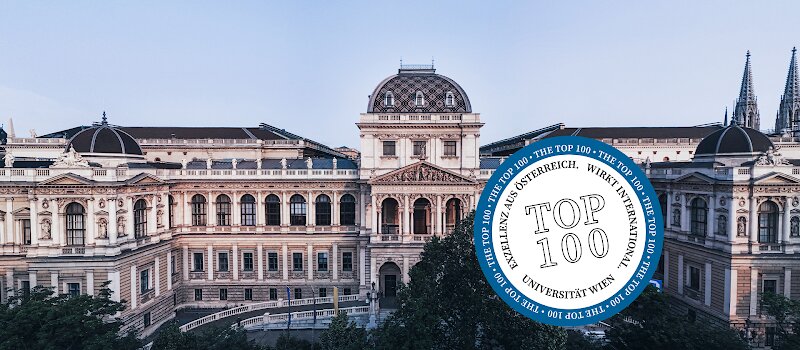
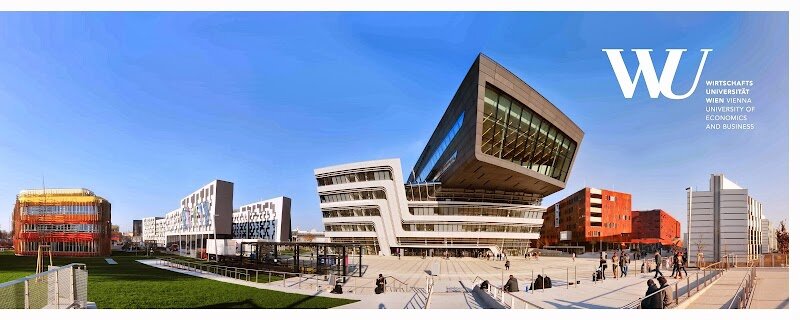
The University of Vienna, founded in 1365 by Duke Rudolf IV, is a captivating blend of rich history and vibrant academic life, making it a must-see for families and curious travelers alike. As the oldest university in the German-speaking world, it has shaped European education for over six centuries and stands as a testament to Vienna’s enduring cultural and intellectual legacy. Visitors can marvel at its stunning historic architecture, especially the grand main building on the Ringstraße, built in the late 19th century, which reflects Vienna’s imperial past. Exploring the university grounds offers a unique glimpse into the evolution of education, from medieval times through the Enlightenment and into modernity, with stories of academic freedom, groundbreaking reforms, and pioneering inclusion of women in higher education. The university’s legacy is intertwined with Vienna’s role as the former imperial capital of the Austro-Hungarian Empire, enriching any visit with a sense of historical grandeur. Families and travelers can soak in the lively atmosphere where scholars from around the world gather, and perhaps engage with exhibitions or public events that celebrate the university’s 660-year history, showcasing treasures from its founding era to contemporary achievements. It’s a place where history, culture, and learning come alive in the heart of Vienna.

March 12, 1365—Duke Rudolf IV signed Vienna's university charter out of rivalry with his father-in-law's Prague University. Here's the kicker: Rudolf died that year before a single building opened. Classes didn't start until 1385. Fast forward to 1877. This 33-meter Italian Renaissance palace rose on the Ringstrasse after Vienna's medieval walls came down. It's your university's true home. Step inside and the Arcaded Courtyard greets you with the Castalia fountain at its center. The walls display monuments to Austria's greatest minds: Schrodinger, Brücke, Fuchs. Today, 92,000 students walk these halls, part of a continuous 660-year legacy that changed how the German-speaking world thinks about education.

landmark

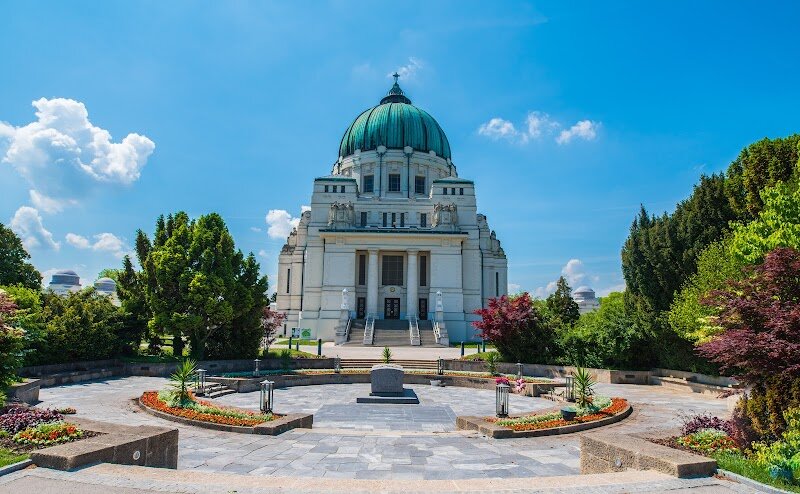
Stammersdorfer Zentralfriedhof

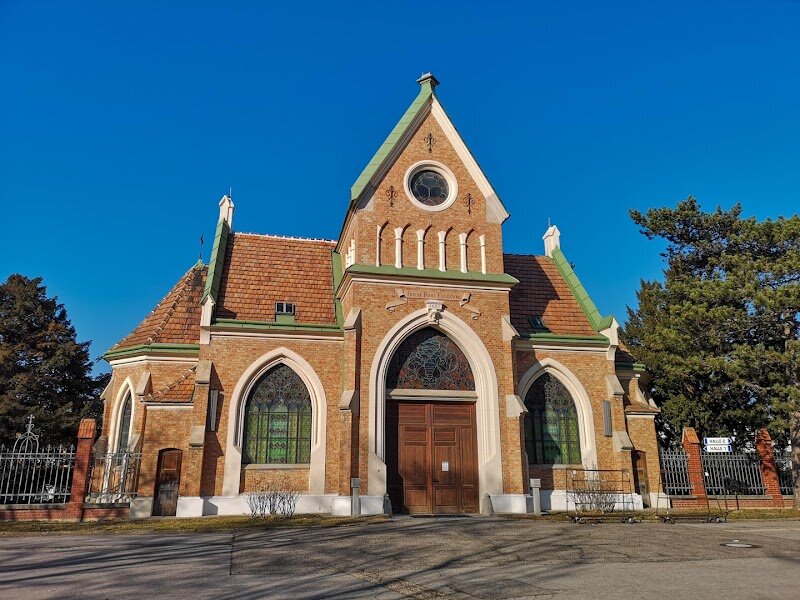
# Stammersdorfer Zentralfriedhof: Vienna's Hidden Cemetery Gem Nestled in Vienna's 21st district, the Stammersdorfer Zentralfriedhof stands as one of the city's most captivating historical sites. Consecrated on May 27, 1903, this sprawling 192,970-square-meter cemetery emerged from the vision of four neighboring communities seeking a unified burial solution. Designed by architects Oskar Mratschek and Karl Frömmel, the cemetery quickly became Vienna's second most important burial ground after the Central Cemetery. What makes this place truly special is its remarkable blend of history and tranquility. The grounds hold approximately 23,000 graves, including honorary resting places dedicated to notable figures who shaped Austrian culture. As you wander through its lush pathways, you'll discover the neogothic Aufbahrungshalle (chapel) at the main entrance and encounter the layered stories of Vienna's diverse communities. Beyond its historical significance, Stammersdorfer Zentralfriedhof offers visitors an intimate glimpse into Viennese traditions and cultural heritage. It's a peaceful sanctuary where families can reflect on history while experiencing the timeless beauty that defines Vienna's relationship with remembrance and respect.

June first, 1903... Vienna opened its newest cemetery, one SO massive it could rival entire cities. Standing here at Stammersdorfer Strasse right where Vienna meets Lower Austria, you're on 192,970 square meters holding 23,000 graves. That stunning neugothic entrance hall? Designed specifically for this historic opening. Below rest Soviet soldiers and 105 victims from the Brünner death march of 1945. History literally beneath your feet.

museum

Hofburg

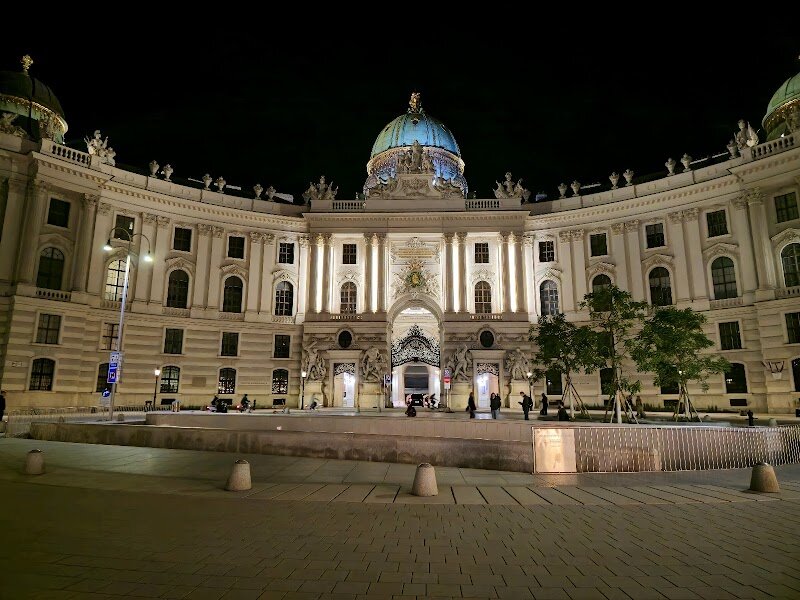
# Hofburg: Vienna's Imperial Heart Step into one of Europe's most magnificent palace complexes and discover where emperors ruled a vast empire for over 640 years. The Hofburg isn't just a single building—it's an sprawling ensemble of interconnected palaces, museums, chapels, and gardens spanning over 240,000 square meters in Vienna's heart. From its humble beginnings in the 13th century as a medieval fortress, the Hofburg evolved into an architectural masterpiece blending Gothic, Renaissance, Baroque, and Historicist styles. Walk through the same halls where coronations took place, royal weddings celebrated, and emperors shaped European history. Today, this former winter residence of the Habsburg dynasty pulses with life as Austria's official presidential residence. Visitors encounter stunning imperial apartments and staterooms adorned with centuries of artistic treasures. The complex houses world-class museums, the Austrian National Library, the Spanish Riding School with its famous Lipizzaner stallions, and elegant concert halls. Whether you're a history enthusiast, art lover, or simply curious about imperial grandeur, the Hofburg offers an unforgettable journey through Europe's most influential dynasty and the events that shaped our world.

This palace never stops growing—it's been under construction for over seven hundred years without ever being fully completed. Built in 1275 by Ottokar II of Bohemia as a medieval fortress surrounded by moat and drawbridge, it transformed into eighteen sprawling wings with twenty-six hundred rooms total. The Swiss Gate entrance, featuring ornate sixteenth-century design, marks where the Habsburg dynasty reshaped entire continents. Step inside the Redoutensaele, the opera house Emperor Joseph I built in 1705 where Beethoven premiered his Eighth Symphony and Vienna's elite gathered for lavish masked balls. The Gothic chapel dating from the fifteen hundreds still stands perfectly preserved. Most visitors never know Austria's president actually works here.

landmark

Palais Schwarzenberg

Palais Schwarzenberg stands as one of Vienna's most captivating Baroque masterpieces, a stunning testament to the city's golden age following the Ottoman siege of 1683. Built between 1697 and 1728, this magnificent palace was designed by the renowned architects Johann Lucas von Hildebrandt and Johann Bernhard Fischer von Erlach, who shaped Vienna's architectural identity. Originally commissioned for nobility, the palace was completed by Prince Adam Franz of Schwarzenberg in 1716 and has remained in the family's hands ever since. What makes Palais Schwarzenberg truly exceptional is its breathtaking blend of architectural grandeur and intimate elegance. The richly decorated *Marmorgalerie* (marble gallery) showcases the exuberant ornamentation characteristic of the era, while the palace's harmonious proportions and lavish interiors create an atmosphere of regal splendor. For visitors, the palace offers a window into Habsburg aristocratic life, complete with beautifully landscaped gardens and ornate details that reveal the craftsmanship of Vienna's Baroque period. Whether you're an architecture enthusiast or simply curious about Vienna's imperial heritage, Palais Schwarzenberg invites you to step back in time and experience the opulence that defined this remarkable era.

Thirty-one years ago, Timothy Dalton's James Bond walked through these doors—"The Living Daylights," 1987. Few visitors realize this palace wasn't built as a palace at all: it started in 1697 as an abandoned, unfinished mansion left by a dead Habsburg court official. The Schwarzenberg family finally purchased this lonely property in 1716 and spent twelve more years completing it, unveiling their Viennese masterpiece in 1728. What confronts you isn't a single building—it's seven pavilions deliberately stepping downward, a theatrical Baroque illusion by architects Hildebrandt and Fischer von Erlach. Inside, the Marmorgalerie stretches with such imperial grandeur that marble walls seem to multiply endlessly. By 1751, riding stables and an orangery expanded these grounds. This palace functioned as Vienna's most exclusive five-star hotel until 2006, attracting diplomats and spies beneath its stucco ceilings. Today, the Schwarzenberg family still owns it, keeping this Baroque theater alive on Prinz-Eugen-Straße for over three centuries.

museum

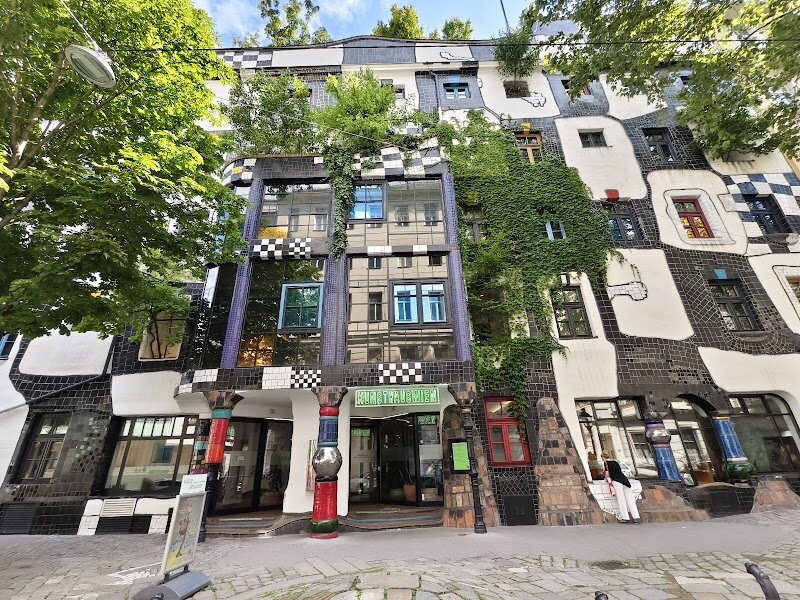
Kunst Haus Wien. Museum Hundertwasser

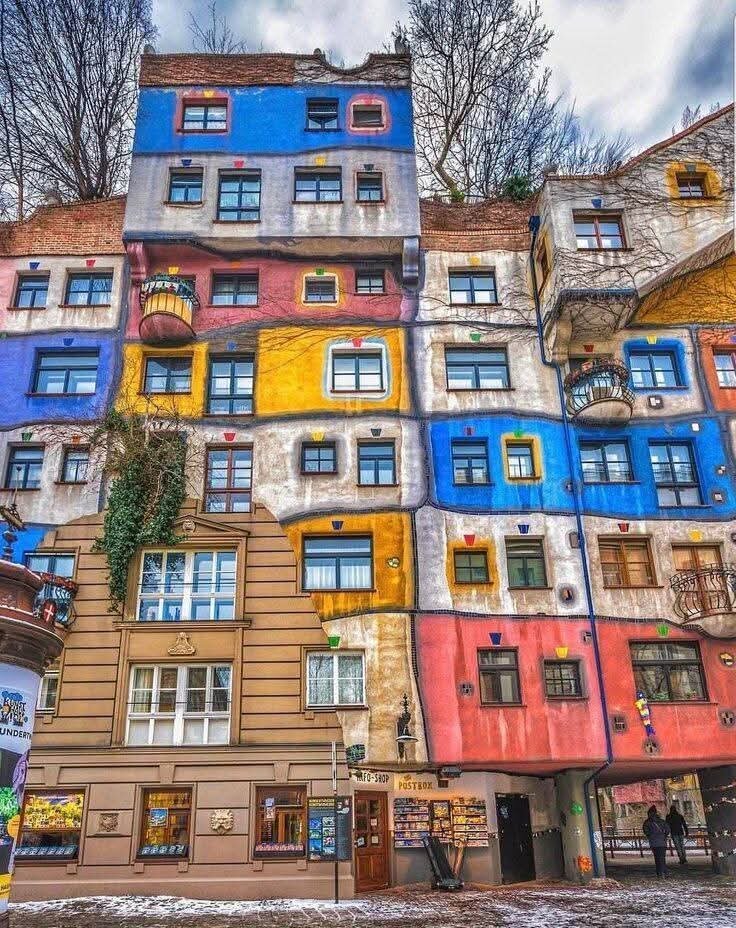
Nestled in Vienna's charming Weißgerberviertel, Kunst Haus Wien stands as a vibrant testament to artistic vision and ecological consciousness. Opened in 1991, this architectural marvel was transformed by the visionary Friedensreich Hundertwasser from a 19th-century furniture factory into something truly extraordinary. The moment you step inside, you enter a world where straight lines seem to vanish. Undulating floors, curved walls adorned in bold colors, and shimmering mosaics create an immersive experience that challenges conventional design. Hundertwasser's philosophy comes alive through every detail—from the lush vertical gardens and tree-integrated façades to the innovative "humus toilettes" and plant-based water treatment systems. The museum houses the world's most comprehensive collection of Hundertwasser's work, spanning paintings, tapestries, and architectural models across two exhibition floors. Beyond his artistic creations, you'll discover how this restless painter, architect, and environmentalist reimagined what a museum could be—a living, breathing space where nature and art intertwine. Whether you're an art enthusiast or simply curious about unconventional design, this green museum offers a refreshingly different perspective on creativity and sustainability.

The ground beneath your feet isn't level... and that's completely intentional. Built inside a 1892 Thonet furniture factory on Untere Weißgerberstraße, this five-story building was transformed between 1989 and 1991 by Friedensreich Hundertwasser himself, working alongside architect Peter Pelikan. Hundertwasser famously rejected straight lines entirely—he called rigid architecture "the first step toward chaos." Look up at the façade surrounding you... those aren't random tiles. Each ceramic piece was carefully placed by hand, in symmetrical patterns with deliberately varied sizes. Inside, you'll find 1,500 square meters of exhibition space displaying the world's largest collection of Hundertwasser's paintings, tapestries, and graphic works. Climb the intentionally uneven staircase and notice the living plants integrated into rooms, the wooded terrace on the top floor where Hundertwasser maintained his personal studio apartment, even the museum café designed like a winter garden. This building isn't just a museum—it's Hundertwasser's manifesto in concrete, ceramic, and green. Every undulating floor, every spiral motif, every plant reminds us that the Viennese artist who revolutionized twentieth-century art refused to accept that buildings must be boxes.

landmark

Central Cemetery

Vienna's Central Cemetery is far more than a final resting place—it's a captivating open-air museum that tells the story of Austria's greatest minds and most vibrant history. Opened in 1874, this sprawling 2.5-square-kilometer sanctuary has evolved into one of Europe's most significant cultural landmarks, welcoming over three million burials across its carefully manicured grounds. Walking through the cemetery feels like stepping into another world. You'll discover stunning Art Nouveau architecture, including the magnificent Church of St. Charles Borromeo with its commanding dome, alongside tree-lined avenues inspired by ancient Greek and Roman necropolises. The cemetery's diverse sections—Catholic, Protestant, Jewish, Orthodox, Muslim, and Buddhist—reflect Vienna's multicultural heritage. What truly captivates visitors is the opportunity to pay respects at the graves of legendary composers like Beethoven, Brahms, and Schubert, alongside modern icons like Falco. Beyond the famous graves, the cemetery showcases remarkable biodiversity, with deer gracefully roaming among 170 animal species and 200 plant varieties. Whether you're a history enthusiast, music lover, or simply seeking a peaceful retreat, Vienna's Central Cemetery offers an unforgettable journey through time and remembrance.

That Mozart monument? He's not actually buried here—total plot twist for Vienna's Central Cemetery. The city opened this place on Simmeringer Hauptstraße in 1874, but visitors weren't exactly rushing out here. So in 1888 they made a genius move: relocated Beethoven and Schubert from the old cemetery. Suddenly everyone wanted to visit. Now Brahms rests next to Beethoven, the Strauss dynasty scattered around Group 32A, and get this—Ludwig Boltzmann's grave has his actual entropy equation carved in marble. That's how Vienna honors physicists. Fast forward to 2014: Udo Jürgens arrives with a six-ton white marble wing as his memorial. It completely changed what this cemetery means to people around Vienna.

building

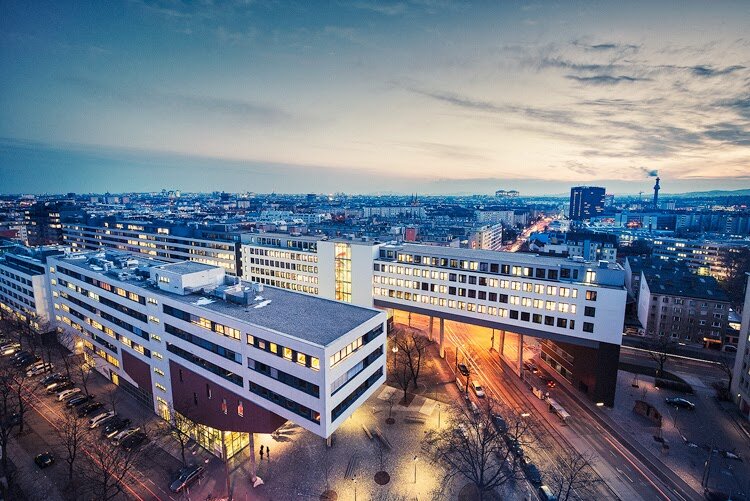
University of Applied Sciences Technikum Wien

# University of Applied Sciences Technikum Wien Austria's premier technical university of applied sciences, Technikum Wien stands as a beacon of innovation and practical learning in Vienna's vibrant academic landscape. Founded with a commitment to bridging the gap between cutting-edge technology and real-world application, this institution has earned its reputation as the only purely technical university of applied sciences in Austria. What sets Technikum Wien apart is its distinctive philosophy: students learn through hands-on experience in small, intimate groups with lecturers drawn directly from industry and business. This approach transforms theoretical knowledge into tangible skills that employers genuinely seek. The university cultivates a genuinely multicultural environment where international exchange thrives—through programs like Erasmus+, students from across Europe converge to share perspectives and build lifelong connections. The campus itself buzzes with creative energy, featuring specialized facilities like the renowned Usability Laboratory where students and companies collaborate to refine user experiences. Whether you're exploring cutting-edge computer science, engineering, or emerging fields like User Experience Management, Technikum Wien embodies the spirit of curiosity and innovation that defines modern Vienna. It's where ambitious minds gather to shape tomorrow's technological landscape.

The year is 2003, and a revolution in Austrian technical education happens right here on Höchstädtplatz. This moment marks when Technikum Wien becomes the first Austrian university of applied sciences to entirely pivot its curriculum to the Bologna system, before any competitor even considered the move. Standing at Höchstädtpl. 6 in Vienna's 20th district, you're at Austria's only exclusively technical university of applied sciences. Since its founding in 1994 when a small group gathered to establish electrical engineering studies, nearly 4,700 students now work across thirty degree programs, with 18,000 graduates shaping Austria's industrial future. Look toward the F-Gebäude, completed in 2013, and you see architecture designed for innovation. But here's what astonishes most visitors: in 2025, this building became the first and only Austrian university of applied sciences to earn the prestigious Austrian Environmental Seal. Even more, researchers here just launched a breakthrough partnership with the Medical University of Vienna, pioneering AI-driven cancer diagnostics. This isn't just where engineers study—it's where tomorrow's technological leaders transform the world.

museum

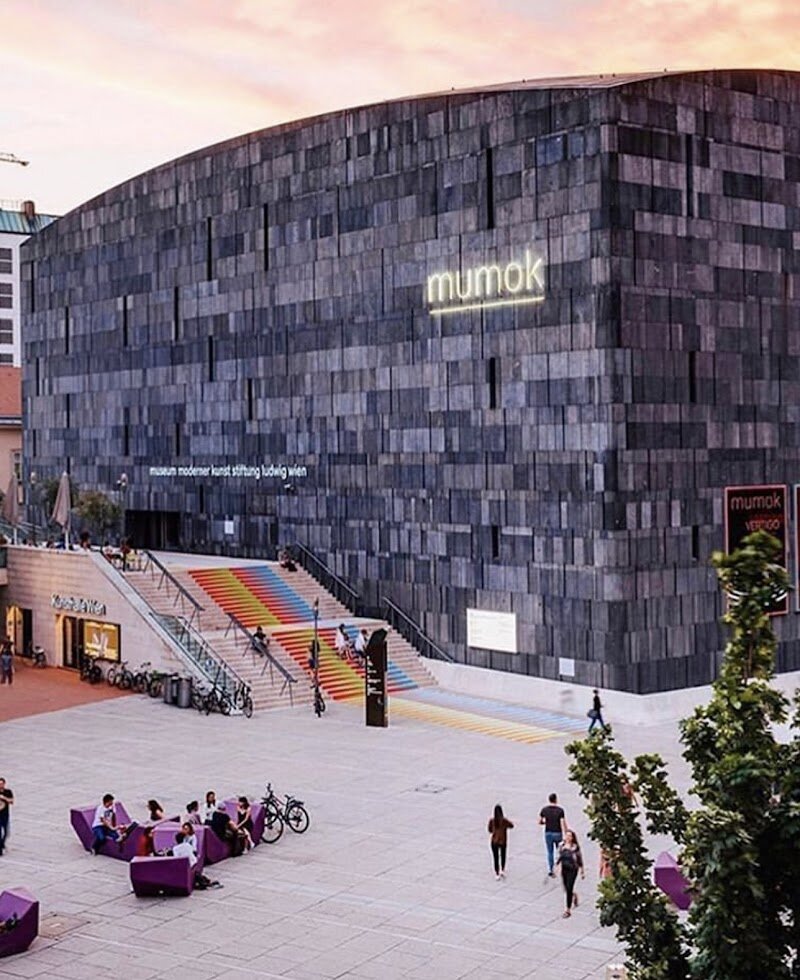
mumok - Museum moderner Kunst Stiftung Ludwig Wien

Discover mumok – Museum moderner Kunst Stiftung Ludwig Wien, one of Europe's leading museums dedicated to modern and contemporary art. Located in Vienna's vibrant MuseumsQuartier, this striking black basalt building designed by Ortner & Ortner houses an extraordinary collection of around 10,000 works spanning the 20th and 21st centuries. The museum's story is as fascinating as its collections. Born from a unique partnership between German collectors Peter and Irene Ludwig and the Austrian government in 1981, mumok transformed Vienna's art scene by making contemporary art central to public collections. This visionary collaboration brought together masterpieces of Pop Art, Photorealism, and avant-garde movements from the 1960s and 1970s, alongside classical modernism and Vienna Actionism. Today, mumok offers something for everyone—from families exploring contemporary photography, video, and installations to art enthusiasts diving deep into international modernist movements. Whether you're captivated by groundbreaking sculptures, immersive exhibitions, or thought-provoking contemporary pieces, mumok provides an inspiring journey through artistic innovation that continues to shape how we understand modern art.

September 15th, 2001, this cubic structure clad in basalt lava opened at Museumsplatz, instantly becoming Central Europe's largest dedicated museum for modern and contemporary art. Architects Ortner & Ortner wrapped the building in volcanic rock—that dark facade refuses to blend into Vienna's classical surroundings. Inside, 4,800 square meters hold roughly 10,000 works spanning Pop Art, Photorealism, and something uniquely Austrian: Viennese Actionism. Artists like Günter Brus and Otto Muehl created works so radical they redefined what performance art could be. But mumok's story actually started in 1962 when Vienna opened the Museum of the Twentieth Century in a converted Brussels Expo pavilion. Everything changed when the Ludwig Foundation arrived in 1979, flooding Vienna's art world with masterpieces by Warhol, Lichtenstein, and Picasso. Even the cinema was designed by artist Heimo Zobernig to treat moving images as essential to contemporary art. Standing in the MuseumsQuartier's heart, mumok represents one of Europe's boldest commitments to artistic freedom and vision.

building

Stadtgemeinde Schwechat

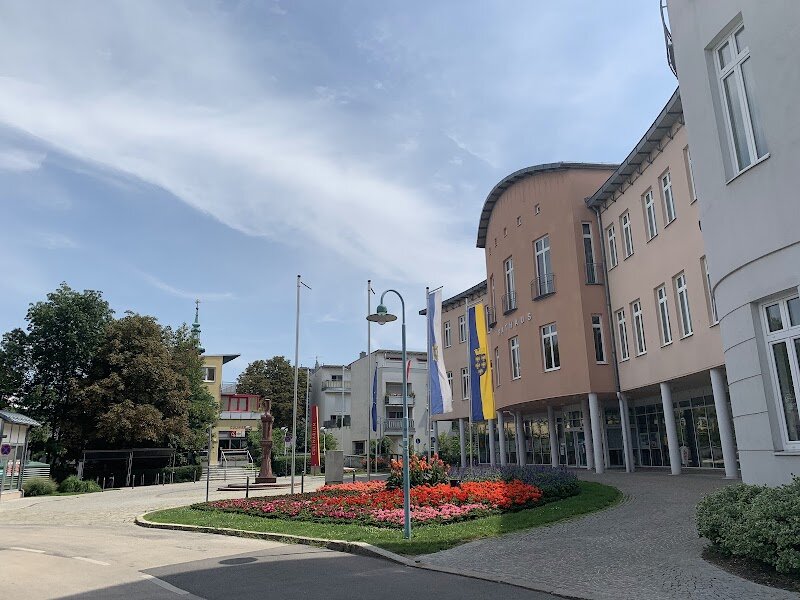
Nestled just outside the vibrant heart of Vienna, Stadtgemeinde Schwechat is a charming blend of history, culture, and modern convenience that’s perfect for families and curious travelers alike. While best known as the home of Vienna International Airport, Schwechat offers much more than a transit stop—it’s a gateway to authentic Austrian life with a story all its own. Step into the past at the Eisenbahnmuseum Schwechat, where vintage trains tell tales of a bygone era, or wander the elegant grounds of Schloss Altkettenhof, a historic castle that whispers secrets of noble families and centuries gone by. For those who love a panoramic view, the Visitor Terrace provides a unique vantage point to watch planes glide in and out, a favorite with kids and aviation enthusiasts. Schwechat’s proximity to Vienna means world-famous attractions like Schönbrunn Palace and the State Opera are just a short journey away, but here you’ll also discover local markets, green spaces, and a warm, welcoming atmosphere. Whether you’re tracing history, enjoying a family outing, or simply soaking up the local vibe, Schwechat offers a delightful taste of Austria that’s both accessible and unforgettable.

This mysterious sculpture has been Schwechat's greatest secret for exactly 100 years! In 1923, sculptor Karl Martin Sukopp carved water creatures into the city's coat of arms, right here on Rathausplatz, just months after Schwechat officially became a city in August 1922. Look up at what they're holding—a bridge with three towers, each topped with a tiny Austrian flag. Water plants actually coil around their heads! That's the symbolic force of the river mills that powered Lagerbier. From this square, the Dreher family transformed a medieval market into the world's beer capital, changing how the entire planet drinks beer.

building

FHWien of WKW

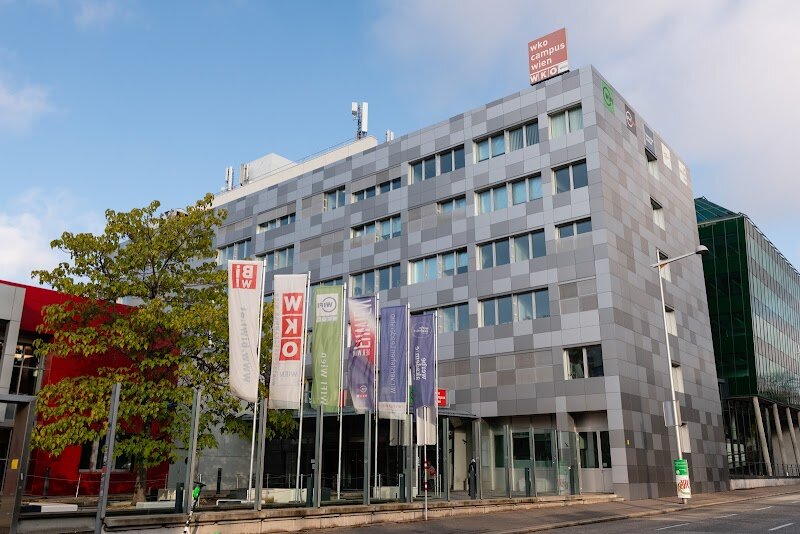
FHWien der WKW stands as Austria's premier university of applied sciences for management and communication, nestled in Vienna's vibrant WKO campus on Währinger Gürtel. Founded in 1994 as a pioneer in Austria's university of applied sciences sector, this institution has evolved into a dynamic hub where theory meets real-world practice. What truly sets FHWien apart is its distinctive philosophy: "Study the practice." Two-thirds of its faculty are seasoned experts and managers directly from the business world, bringing authentic industry experience into classrooms. This creates an electrifying learning environment where students don't just absorb concepts—they engage with professionals actively shaping Vienna's business landscape. The campus itself reflects this commitment to excellence. Since consolidating at its current location in 2007, FHWien has expanded to over 9,000 square meters, housing not only academic departments but also WIFI Vienna and the prestigious Hernstein Institute for Management & Leadership. Over 15,900 graduates have emerged from these halls since its founding, each carrying practical knowledge into Vienna's thriving economy. For curious travelers, FHWien represents Vienna's modern intellectual pulse—where centuries-old Austrian business traditions blend seamlessly with contemporary management innovation and entrepreneurial spirit.

In 1959, Karl Schwanzer transformed this corner of Währinger Gürtel by demolishing Vienna's Rothschild-Spital and replacing it with the Wirtschaftsförderungsinstitut Wien—now FHWien of WKW. This building sits directly atop Vienna's buried Linienwall, the massive 3.5-meter defensive fortification that was torn down starting March 1894 to create this very street. The Währinger Gürtel took until 1906 to fully finish, with workers still planting gardens on the median strip decades after the first section opened in the 1870s. And here's what makes this spot extraordinary—Otto Wagner's iconic U-Bahn viaducts rose right beside you between 1893 and 1898, those dramatic steel structures that announced Vienna's leap into modernity. Schwanzer's clean modernist design arrived in 1959 at precisely the moment when this neighborhood had become Vienna's most engineered urban space... entirely rebuilt over history itself. The building you're standing at marks where the old city was literally paved over and reimagined.

building

Basilika Maria Rotunda (Dominikanerkirche)

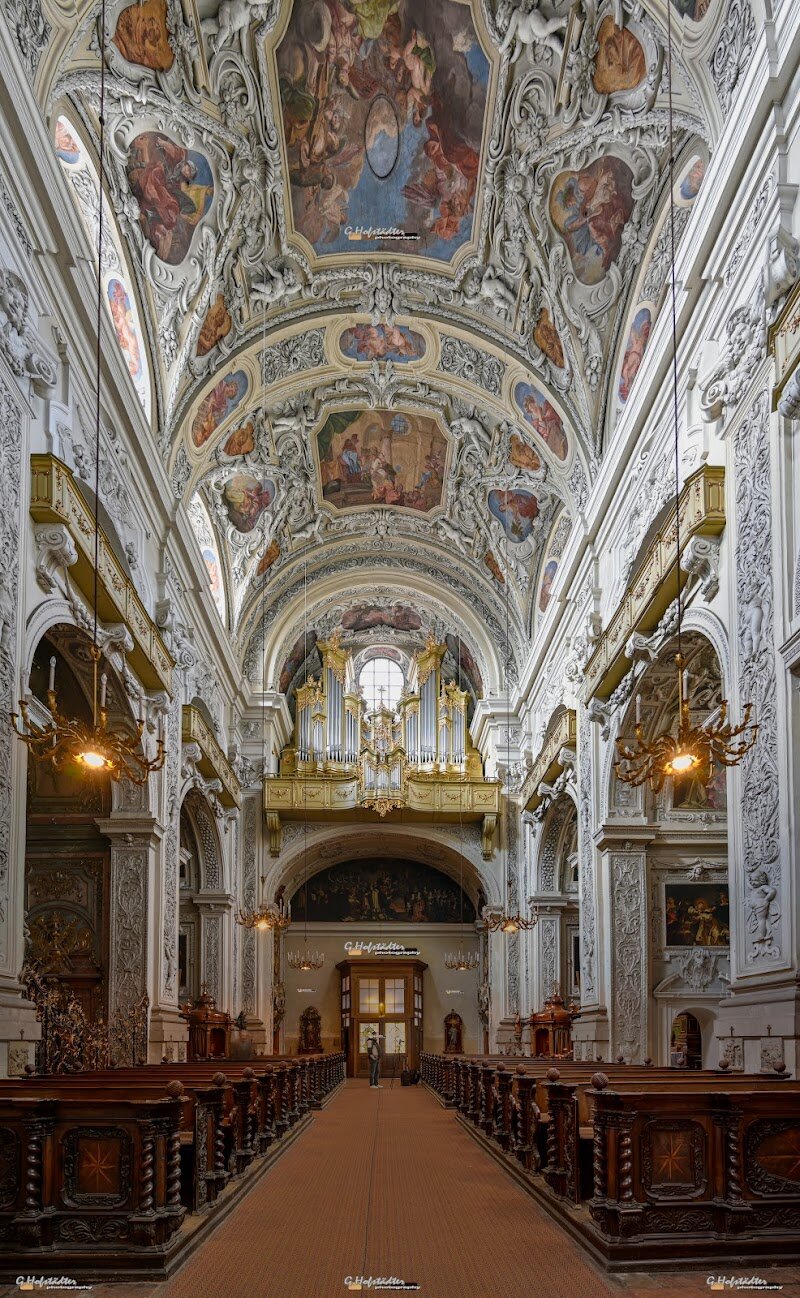
The Basilika Maria Rotunda, known as the Dominikanerkirche or Dominican Church, is a captivating early Baroque gem nestled in Vienna’s historic center. This stunning church, built between 1631 and 1634 under the patronage of Emperor Ferdinand II, showcases exquisite Italian Baroque architecture crafted by master builders Spacio, Biasino, and Canevale. Its barrel-vaulted ceiling dazzles with Matthias Rauchmiller’s frescoes depicting 46 scenes from the life of the Virgin Mary, creating a vibrant, immersive experience for visitors. What makes this basilica truly special is its rich history: it stands as the third church on this site, originally established by the Dominicans in 1237. The site has witnessed transformations from Romanesque to Gothic styles before embracing the Baroque splendor seen today. Families and curious travelers alike will be enchanted by the six side chapels dedicated to saints such as St. Catherine of Siena and Thomas Aquinas, each adorned with beautiful paintings that invite reflection and storytelling. Visiting the Basilika Maria Rotunda offers a journey through centuries of faith, art, and architecture—a place where history breathes through every fresco and stone, inspiring wonder and discovery for all ages.

Three churches have occupied this spot in Vienna since 1237, and this one? The survivor. Fire took the first Gothic church by 1283. The Turkish siege of 1529 destroyed its replacement. So when Emperor Ferdinand II personally laid the foundation stone on May 29, 1631, he was making an architectural statement—Vienna was back, and it was bringing Italian master builders Spacio, Biasino, and Canevale to prove it. Walk through that entrance and immediately look up. That soaring barrel-vaulted ceiling contains 46 individual frescoes depicting the Virgin Mary's life, all painted by Matthias Rauchmiller in 1675. Six side chapels line the interior—each honors a saint whose portrait hangs above the altar. Catherine of Siena, Thomas Aquinas, Rose of Lima, Anne, Vincent Ferrer, Catherine of Alexandria. The church officially became a minor basilica in 1927. Standing here on Postgasse in Vienna's medieval quarter, you're inside architecture built to survive.

museum

Schönbrunn Palace

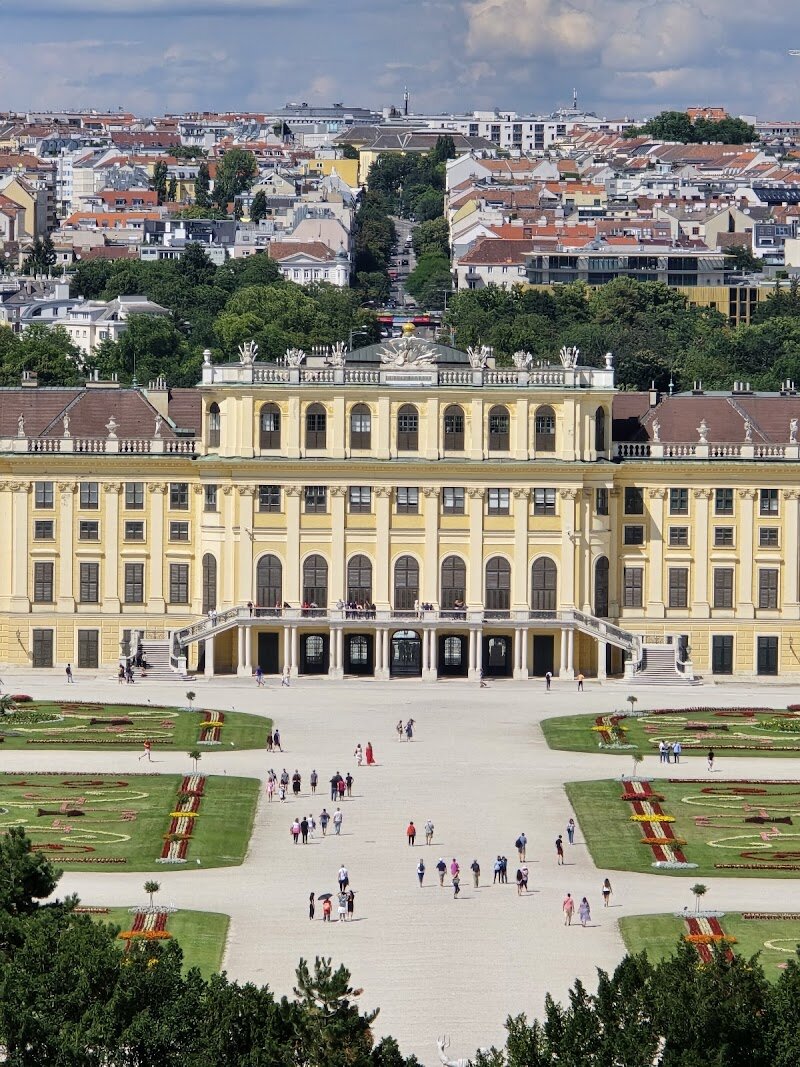
Step into a world of imperial splendor at Schönbrunn Palace, Vienna’s dazzling Baroque masterpiece. Once the summer retreat for Habsburg emperors, this magnificent palace and its sprawling gardens are a living storybook of European history. Imagine walking through grand halls where Empress Maria Theresa once hosted lavish parties, or strolling through gardens that inspired Mozart’s music. With over 1,400 rooms, only a handful are open to the public, but each one is a treasure trove of ornate decor and fascinating tales. The palace’s iconic yellow façade and sweeping gardens are a feast for the eyes, while the Gloriette crowns the hilltop with panoramic views. Families will love exploring the world’s oldest zoo, discovering Roman ruins, and spotting peacocks roaming the grounds. The Orangery, once the scene of legendary musical duels, now hosts concerts that bring the palace’s musical legacy to life. Schönbrunn isn’t just a palace—it’s a vibrant blend of history, art, and nature that invites you to step back in time and experience the magic of Vienna’s imperial past.

The room that decided Europe's fate is decorated entirely with fake Chinese wallpaper. Emperor Charles I signed the end of the Austro-Hungarian monarchy in 1918 inside these walls on Schönbrunner Schloßstraße. Maria Theresa held secret conferences here, plotting moves that would shape empires. What stands before you rose from devastation. The Turks destroyed the original hunting lodge in 1683. By 1696, architect Fischer von Erlach rebuilt it; Maria Theresa then transformed it completely between 1742 and the 1770s. That distinctive pale yellow exterior... they actually named the pigment "Schönbrunn yellow" after this palace. Inside, the Great Gallery stretches 40 meters, crowned with over 100 mirrors reflecting 2.6 million gold leaf decorations. Mozart performed here at age six as a child prodigy. The Vienna Congress convened in this very hall from 1814 to 1815, redrawing Europe's political map. And in the gardens below sits the world's oldest zoo, founded in 1752.

museum

Albertina

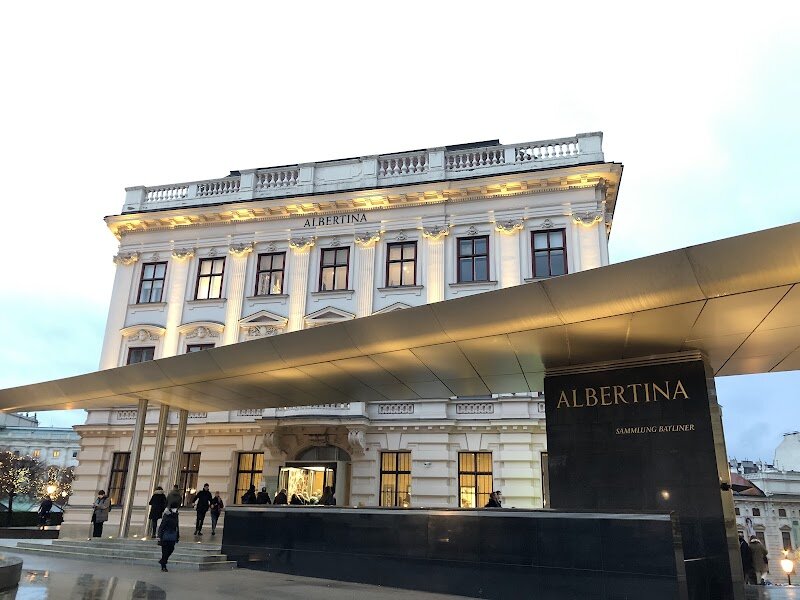
The Albertina stands as Vienna's most captivating treasure, housed within the Habsburg's grandest residential palace. This extraordinary museum began as a love story when Archduke Albert of Saxe-Teschen and Marie Christine, Maria Theresa's daughter, established one of Europe's most important art collections in 1742. Today, visitors step into a world of artistic brilliance spanning centuries. The museum showcases masterpieces by Monet, Picasso, Degas, and Matisse, with the renowned Batliner Collection forming its vibrant core. But the Albertina's true magic lies in its unparalleled graphic collections—over 65,000 drawings and a million old master prints, including Albrecht Dürer's iconic "Field Hare" and "Hands Folded in Prayer." Beyond the artwork, you'll wander through elegant Habsburg state rooms, including the enchanting Hall of the Muses, offering glimpses into aristocratic life. The museum also houses an impressive Architecture Collection spanning from the Late Gothic period to contemporary design, featuring works by legendary architects. Whether you're an art enthusiast or simply curious about Vienna's imperial heritage, the Albertina transforms a single visit into an unforgettable journey through 130 years of artistic creativity and European cultural history.

Standing at Albertinapl facing this neoclassical palace, you're looking at one of Europe's most improbable survivors. American bombs reduced it to smoking ruins in March 1945—yet today it holds the world's largest collection of old master prints. In 1776, a Habsburg emperor gave this palace as a wedding gift to his favorite daughter Archduchess Marie Christine and Duke Albert of Saxe-Teschen. That romantic gesture seeded nearly one million prints and 65,000 drawings. As you enter through the neoclassical rooms redesigned by Joseph Kornhäusel, twenty imperial Habsburg staterooms unfold. The Hall of the Muses stops you cold—life-sized marble sculptures of Apollo and his nine companions in perfect formation. But the true miracle isn't the art. This palace was rebuilt from total destruction, meticulously restored from 1998 to 2008 by Hans Hollein and other architects. You're standing in a building born from love, nearly erased by war, and ultimately reborn as one of the greatest repositories of human artistic achievement.

landmark

Schönbrunn Zoo

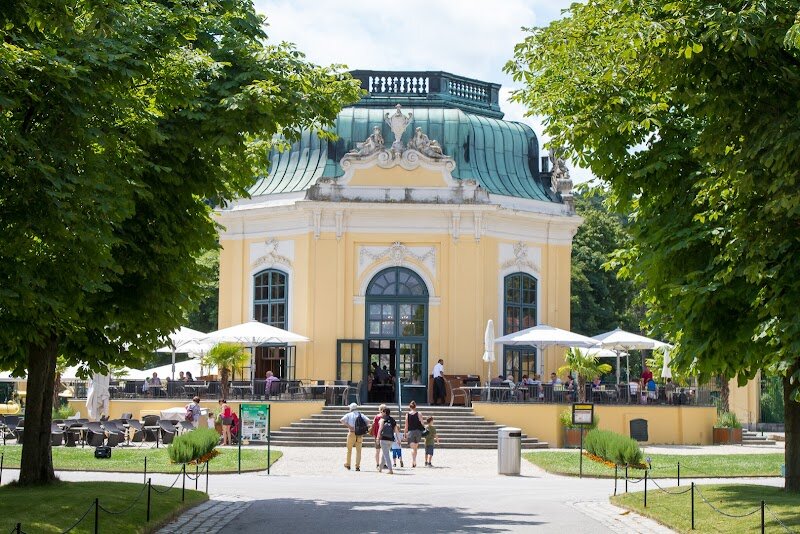
Step into the enchanting world of Schönbrunn Zoo, nestled in the heart of Vienna and nestled within the breathtaking gardens of Schönbrunn Palace. As the world’s oldest zoo, dating back to 1752, it’s a place where history, nature, and wonder come together in the most magical way. What began as a royal menagerie for Emperor Franz I Stephan of Lorraine has blossomed into a vibrant sanctuary for over 700 species, from playful pandas to majestic elephants and exotic birds. Wandering through its lush pathways, you’ll feel the echoes of imperial grandeur, with the original octagonal pavilion still standing as a charming reminder of its storied past. Families and curious travelers alike will delight in close encounters with animals, interactive exhibits, and beautifully recreated habitats that blend culture and conservation. Kids will love the maze and the chance to see rare creatures up close, while adults can appreciate the zoo’s evolution from a symbol of royal power to a leader in animal care and education. Schönbrunn Zoo isn’t just a visit—it’s an unforgettable journey through centuries of history, science, and the beauty of the natural world.

That octagonal pavilion straight ahead has been beating at the heart of something revolutionary for over 260 years. Emperor Franz I built it in 1759 as his breakfast room while keeping exotic animals exclusively for the royal family. In 1770, the first Indian elephant arrived. By 1781, predators—wolves and bears—showed up. Around 1800, polar bears, tigers, and kangaroos joined the collection. Here's the mind-blowing part: this zoo opened to regular Viennese in 1778, making it the world's first public zoo. Then in 1828, an Egyptian viceroy sent a giraffe. Vienna went absolutely giraffe-crazy—fashions, perfumes, even musical compositions. The city had never seen anything like it. What separates this place from every other old zoo is what happened next. In 1906, the first elephant calf was born inside a European zoo right here. Then in 2013, scientists did something radical: successfully bred an elephant using artificial insemination with frozen sperm. You're walking through 273 years of continuous animal innovation, all inside a UNESCO World Heritage palace garden.

building

Katholische Kirche Zum Hl. Kreuz – Gardekirche

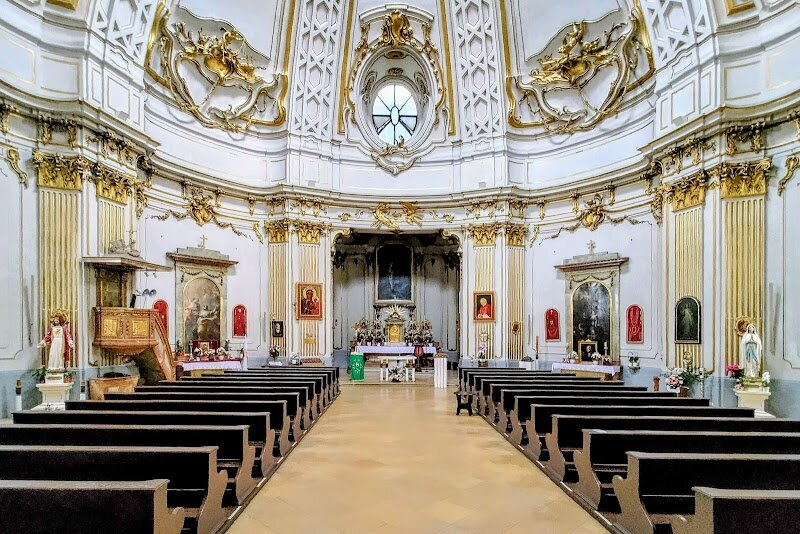
Step into the heart of Vienna’s Landstraße district and discover the Katholische Kirche zum Hl. Kreuz – Gardekirche, a hidden gem where history, art, and quiet beauty come together. Built between 1755 and 1763 by Empress Maria Theresa’s court architect, Nicolò Pacassi, this elegant church began as a place of solace for Kaiser’s hospital patients, blending Baroque grandeur with early Neoclassical charm. Its limestone façade and symmetrical design make it a standout, but it’s the interior that truly captivates—delicate Rococo decorations, religious artworks, and a sense of peaceful reverence that invites quiet reflection. Families and curious travelers alike will love spotting the intricate details that reflect the artistic spirit of the Habsburg era. Whether you’re drawn by the church’s fascinating past, its architectural elegance, or simply the chance to step away from the bustle of the city, Gardekirche offers a memorable experience. It’s a place where stories whisper from the walls and every corner holds a new surprise, making it a perfect stop for anyone eager to explore Vienna’s rich cultural tapestry.

Eight years. That's how long architect Nikolaus von Pacassi spent building this chapel on Rennweg in Vienna's third district. Between 1755 and 1763, what began as a hospital church for the Kaiserspital emerged as one of Vienna's rarest sacred rococo interiors. Look at the facade and you see clean neoclassical lines... but step through those doors and Johann Michael Bolla's white-and-gold stucco work envelops you in pure rococo extravagance. Here's the hidden history: Emperor Joseph II shut down the hospital in 1782 and stationed Vienna's Polish Imperial Guard here, permanently naming this the Gardekirche. That Polish connection runs deep today. Bronze Pope John Paul II stands guard outside since 2001, marking three papal visits to Austria. This isn't just a church—it's Vienna's Polish heartbeat tucked behind an unassuming classical facade.

museum

House of Music

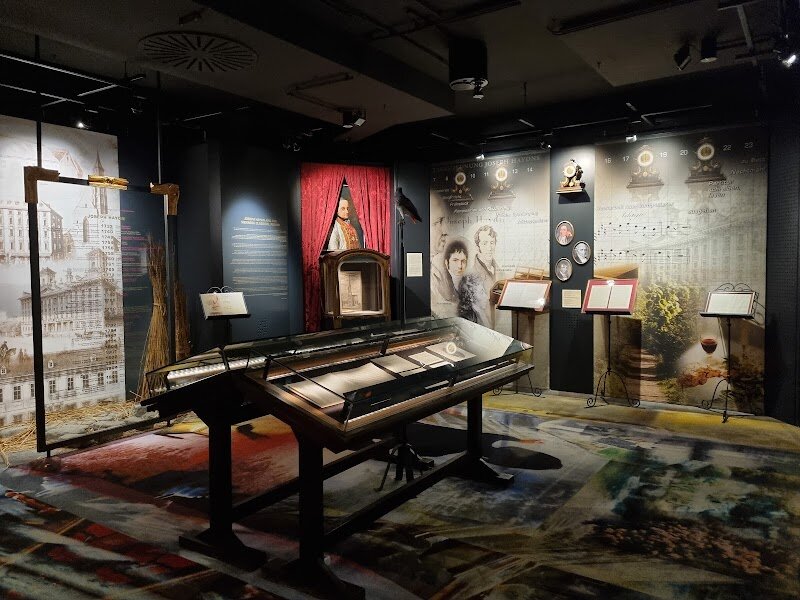
Step into the heart of Vienna’s musical soul at the House of Music, a captivating museum where sound comes alive in the most playful and immersive way. Housed in the elegant Palace of Archduke Charles, this is no ordinary museum—it’s a journey through centuries of musical magic, where history, innovation, and hands-on fun blend seamlessly. Did you know this very building was once home to Otto Nicolai, founder of the world-famous Vienna Philharmonic? Today, you can explore the orchestra’s legacy with original batons, historic documents, and even the program from their very first concert in 1842. But the House of Music isn’t just about the past. It’s a place where families and curious travelers of all ages can compose their own symphonies, conduct virtual orchestras, and discover the science of sound in interactive exhibits that delight and surprise. From classical greats to the thrill of creating your own music, every corner invites exploration. Whether you’re a lifelong music lover or simply looking for a unique experience, the House of Music offers a joyful celebration of Vienna’s rich musical heritage—where every visitor becomes part of the melody.

This palace never hosts live concerts... but the Vienna Philharmonic will play when you take the podium at Seilerstätte 30. The orchestral musicians will mock your conducting if you stumble—yes, really. Across four floors of 54,000 square feet, compose your own waltzes using Mozart's exact dice-rolling method. Stomp on the sound staircase: each step plays a note like a piano. Create creatures from sound and watch them float above you on the screen. Visitors enter thinking they'll observe music history. They leave having actually CONDUCTED the Vienna Philharmonic.

building

Universität für Bodenkultur Wien (BOKU)

# Universität für Bodenkultur Wien: Vienna's Green University Nestled in Vienna's picturesque Türkenschanzpark, the University of Natural Resources and Life Sciences (BOKU) is a unique blend of academic excellence and natural beauty. Founded in 1872, this "green university in the green" has spent over 150 years advancing knowledge in agriculture, forestry, and sustainable resource management. What makes BOKU truly special is its distinctive character as an education and research hub dedicated to renewable resources and environmental stewardship. The institution seamlessly weaves together fundamental science, engineering, and biotechnology with social and economic expertise—all in service of sustainable living. Visitors encounter a vibrant campus where cutting-edge research meets verdant landscapes. The original 1896 main building at Türkenschanze still stands as a testament to the university's enduring legacy, while modern facilities continue advancing discoveries in agriculture, soil science, and horticulture. Whether you're an aspiring scientist, environmental enthusiast, or simply curious about how Vienna nurtures innovation in sustainability, BOKU offers an inspiring glimpse into Austria's commitment to understanding and protecting our natural world.

May 11, 1897 — Kaiser Franz Joseph I stepped through this entrance, just five months after the Gregor-Mendel-Haus opened. This 1896 neo-Renaissance building by architect Alois Koch crowns Vienna's agricultural university with four sculptures above the portal representing soil culture and natural sciences. The building's name carries weight. Mendel's laws of heredity were rediscovered right here, revolutionizing all biological science. Today roughly 11,000 students study inside these halls — in lecture rooms, laboratories, and offices. A five-story stack tower still guards original library collections from 1896. Recent renovations cost nearly 28 million euros through 2016, modernizing thermal systems and accessibility while preserving the interior's scientific essence. Step through that entrance and you're entering where modern genetics took root.

landmark

Friedhof der Namenlosen, Vienna

# Friedhof der Namenlosen: Vienna's Most Unique Cemetery Nestled along the Danube River in Vienna's Simmeringen district lies a cemetery unlike any other in the world. The Friedhof der Namenlosen—the Cemetery of the Nameless—is the only burial ground globally dedicated exclusively to victims of a river. Between 1840 and 1940, this poignant memorial honored over 478 individuals who were swept ashore by the Danube, often unidentified and unclaimed. A powerful water vortex once deposited bodies at this exact location, prompting locals to create this dignified resting place for society's forgotten souls. Each grave is marked with an identical wrought-iron cross bearing a white Christ figure—a humble yet moving tribute. What makes this cemetery truly extraordinary is the dedication of Josef Fuchs, a volunteer caretaker who devoted 60 years to maintaining the grounds and identifying the deceased. Through meticulous research, he managed to identify all but one of the bodies he buried, transforming namelessness into remembrance. Today, this serene sanctuary—sheltered by towering trees and maintained by the Fuchs family across three generations—stands as a moving testament to compassion, dignity, and the human desire to honor even the most forgotten lives.

478 people buried here by 1900, pulled from the Danube where a vortex kept washing bodies ashore. This is Friedhof der Namenlosen—Earth's only cemetery built exclusively for river victims. Hidden behind Vienna's Alberner Harbor, it has sheltered over 900 unknown souls since 1840. Then 1939 changed everything: harbor construction altered the Danube's currents, and bodies stopped arriving. One caretaker, Josef Fuchs, spent 56 years honoring these graves—ensuring the nameless were never truly forgotten.

building

Vienna University of Technology

# Vienna University of Technology: Where Innovation Meets History Nestled on the iconic Karlsplatz, Vienna University of Technology stands as a testament to over two centuries of engineering excellence and intellectual innovation. Founded in 1815 as the Imperial & Royal Polytechnic Institute, this prestigious institution opened its doors under the visionary leadership of Johann Joseph Ritter von Prechtl, who championed revolutionary principles of academic freedom and practical learning. The university's magnificent main building, completed in 1818, showcases stunning 19th-century architecture that reflects Vienna's golden era of technological advancement. Beyond its classical facades, TU Wien has evolved into a world-class research hub with eight specialized faculties spanning architecture, engineering, physics, and mathematics. Visitors can appreciate the institution's remarkable library, established in 1815 and redesigned in 1987 with its distinctive owl sculptures by Swiss artist Bruno Weber. The campus itself tells stories of Austria's industrial revolution, from the historic Electrotechnical Institute to cutting-edge research facilities. Walking through these halls, you'll experience the intellectual energy that has shaped European engineering and architecture for generations—a living bridge between Vienna's imperial past and its innovative future.

November 7, 1815... The very first lecture in this institution began not in the magnificent building you see today, but in hastily adapted structures on what used to be the Loséschen estate—a nobleman's meadows that the Emperor had just purchased outside the city gates. Only 47 students and three professors showed up that morning. Today, more than 28,000 students walk these halls. The foundation stone for this main building went down on October 14, 1816, right here at Karlsplatz. Look at that four-story Renaissance facade fronting the square—those walls contain a revolution. Between 1867 and 1898, architects literally stacked an entire third floor on top of this structure in stages, defying its original proportions. Inside, the architects created spaces soaked in natural light according to a deliberate philosophy: they called it "the victory of light against darkness"—a visual metaphor for how education defeats ignorance. The building you're entering wasn't just any university structure. From 1847 to 1857, the Austrian Academy of Sciences operated right here too, making this the intellectual nerve center of the entire Habsburg empire. Those six-floor library spaces above, with 700 study desks, replaced what used to be a cannon foundry. An 1815 school became an 1987 modern library—that's 172 years of constant transformation under a single address.

building

Kirche am Hof

Kirche am Hof stands as Vienna's most captivating architectural paradox—a Gothic masterpiece disguised in Baroque splendor. Located on the largest square in Vienna's inner city, this church has witnessed over six centuries of Austrian history unfold around it. Built between 1386 and 1403 by the Carmelite order on the site of a former ducal palace, the church's interior reveals its medieval Gothic roots: a soaring three-aisled hall with elegant ribbed vaults. Yet the moment you step outside, a stunning white Baroque façade greets you—a dramatic transformation completed in 1662 that dominates the entire plaza. What makes Kirche am Hof truly special is its role in pivotal historical moments. In 1806, the end of the Holy Roman Empire was declared from this church's balcony after Napoleon's occupation. The building has survived fires, religious upheaval, and centuries of change, each era leaving its mark on the structure. Today, visitors can admire the intricate Rococo organ from 1763 and explore how Baroque restoration work seamlessly blended with medieval architecture. Whether you're drawn to history, architecture, or simply seeking a moment of tranquility in Vienna's bustling city center, Kirche am Hof offers an unforgettable glimpse into the city's layered past.

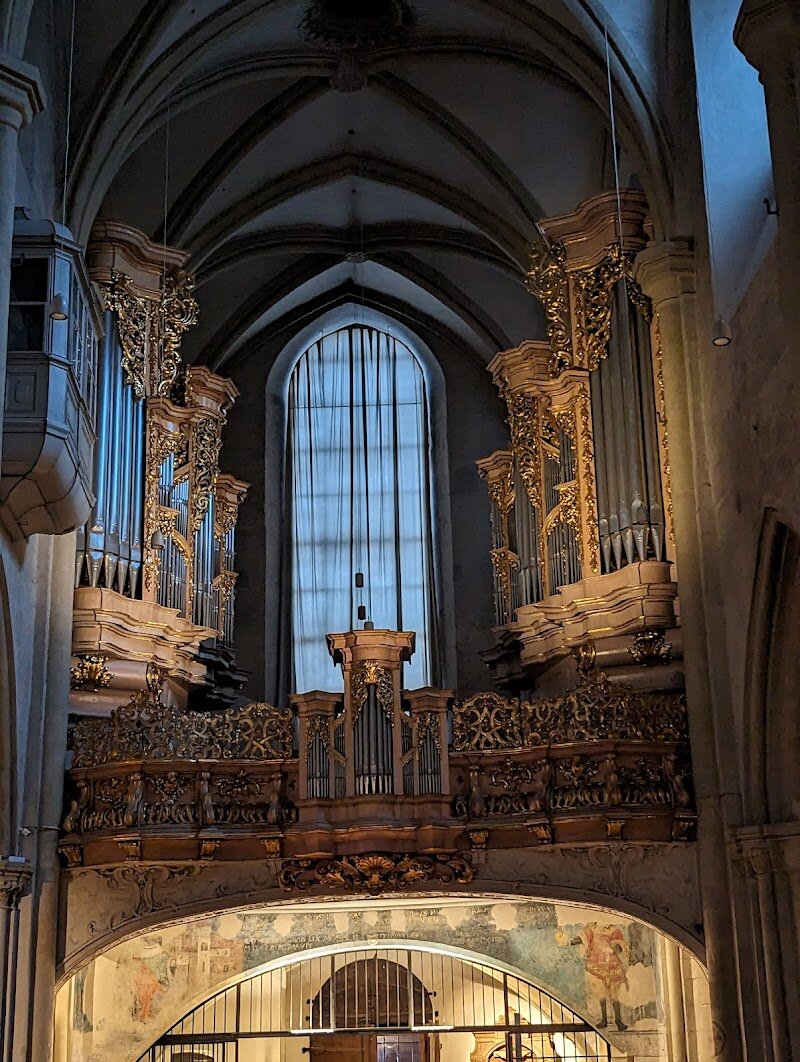
That wooden bell hanging at the back exists because Carmelite monks built this in 1386 under vows that banned bell towers. See that white Baroque facade dominating Am Hof? Fire destroyed everything in 1607—they rebuilt it completely. Step inside though, and the Gothic arches overhead tell a different story, medieval stone still visible beneath baroque decoration. Jesuits took over in 1554 and stamped it with their style. That balcony up there is where an imperial herald declared the end of the Holy Roman Empire on August 6, 1806. Nine angels crown the roof gable, the source of the church's name. And directly below you lies a hidden crypt with 91 Jesuit bodies buried here since 1700. Vienna's spiritual history, layered into this one square.

museum

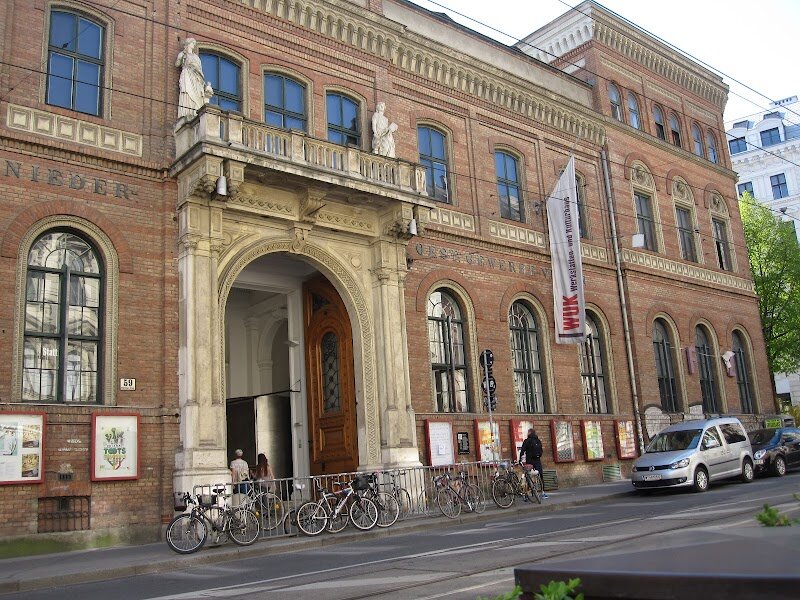
WUK

Nestled in Vienna's Währinger district lies **WUK**, an extraordinary cultural institution housed in a beautifully repurposed 19th-century locomotive factory. This sprawling 12,000-square-meter space stands as one of Europe's largest socio-cultural centers, welcoming over 200,000 visitors annually. What makes WUK truly special is its fascinating transformation. Built in 1855 as a factory for machines and locomotives, it later became a technical museum before facing demolition in 1979. Local activists and artists rallied to save it, and today it thrives as a vibrant hub where art, politics, and community converge. Visitors discover an eclectic mix of experiences: live concerts and theater performances, contemporary art exhibitions, creative workshops, and rehearsal studios. The venue hosts everything from experimental interdisciplinary art to children's culture and socio-political events. Beyond the main stages, you'll find maker spaces, repair shops, cafés, and cozy community areas perfect for exploration. Whether you're catching an avant-garde performance, browsing art galleries, attending workshops, or simply soaking in the creative atmosphere, WUK embodies Vienna's innovative spirit—a place where everyone, from curious families to serious art enthusiasts, can participate in living culture.

It's 1855 on Währinger Straße, and Vienna's industrial boom is reshaping this corner of the Ninth District. What's rising here isn't just another factory—it's the precision engine that would build the trains connecting an empire. This red brick complex became famous for producing the delicate stage machinery hidden inside the Vienna State Opera, and intricate ironwork for the grand Votivkirche. But when the stock market crashed in 1873, even prestige projects couldn't save the factory from decline. Here's what tourists rarely know: in 1979, this entire twelve-thousand square meter complex sat abandoned and condemned for demolition. City planners wanted condos and commercial space. But then something remarkable happened. Social workers, artists, architects, students, and pensioners flooded these streets with protests. They called themselves "Save the TGM" and refused to let it disappear. They won. In 1980, the Verein zur Schaffung offener Kultur- und Werkstättenhäuser—the Association for Open Culture and Workshop Houses—took over and began the transformation you see today. As you walk through those heavy wooden doors, you'll step into vast exhibition halls that still echo with the machinery of production... but now it's creative production. Concert stages fill spaces where factory floors once vibrated with industrial power. The exposed brick walls, massive timber beams, and soaring ceilings are all architectural DNA from the 1855 construction. Over two hundred thousand people visit here annually. It's become one of Europe's largest independent socio-cultural centers, proof that sometimes a community's refusal to accept demolition can transform a city's cultural future. The working-class activism that saved this building is still thriving inside these walls.

landmark

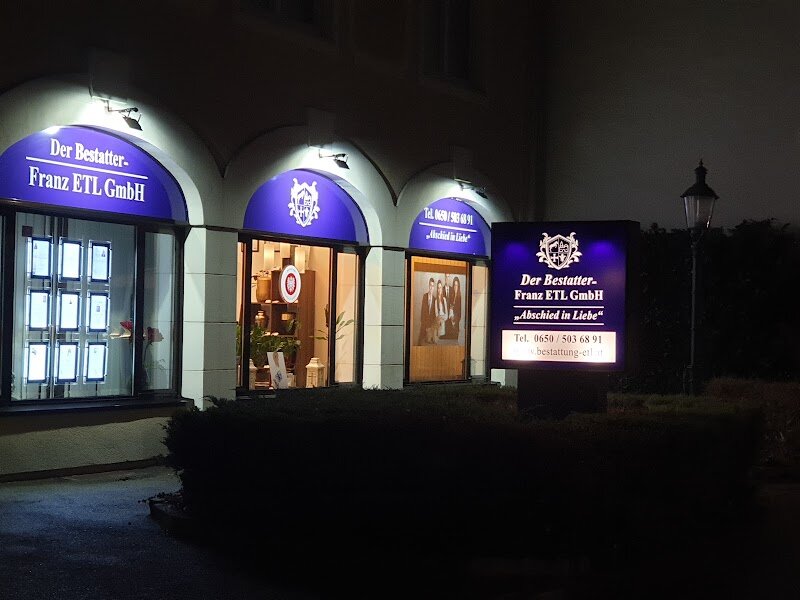
Der Bestatter-Franz Etl GmbH

# Der Bestatter-Franz Etl GmbH: A Family Legacy of Compassionate Care Nestled in Vienna's 18th district (Währing), Der Bestatter-Franz Etl GmbH represents a distinctive chapter in Austrian funeral services. This family-operated enterprise has established itself as a trusted companion during Vienna's most delicate moments, offering comprehensive funeral arrangements across Vienna, Lower Austria, and Burgenland. What sets this establishment apart is its deeply human approach to an inevitable life passage. Founded by state-certified funeral director Franz Etl—himself a passionate equestrian—the company transforms the traditional funeral industry through personalized care and transparent practices. Rather than viewing funerals as mere transactions, they position themselves as emotional guides, handling everything from logistics to bureaucratic complexities. The company's diverse service offerings reflect modern sensibilities: from traditional earth burials to innovative options like tree burials in natural forests, Danube scatterings, and even diamond memorials created from cremation ashes. This blend of time-honored tradition and contemporary alternatives makes Der Bestatter-Franz Etl a uniquely Viennese institution—one where grief finds both dignity and individual expression in the heart of Austria's capital.

A man spent twenty years crunching numbers as a balance sheet accountant in Vienna's 18th district before trading his calculator for a calling in one of life's most meaningful services. Franz Etl's journey from accounting to funeral directing brought him to Gersthofer Straße 89, in Währing near the Türkenschanzpark, where he established a family business that handles every farewell imaginable. What sets this place apart isn't just the traditional earth burials or cremations you'd expect, but the unusual options they've pioneered here—Danube river ceremonies with biodegradable urns, tree burials deep in the forest, even memorial diamonds pressed from cremation ash. The team operates around the clock, every single day, meaning they're handling the most personal moment of someone's life at three in the morning just as carefully as they would at noon. That transition from spreadsheets to sacred trust tells you everything about what this family business prioritizes in their neighborhood.

building

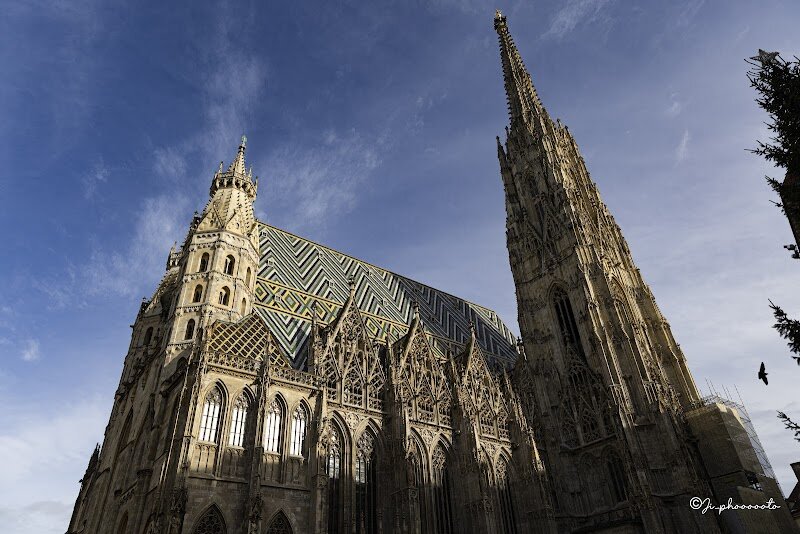
St. Stephen's Cathedral

St. Stephen's Cathedral stands as Vienna's most iconic landmark, a breathtaking Gothic masterpiece that has watched over the city for nearly nine centuries. Originally consecrated as a modest Romanesque parish church in 1147, this architectural gem underwent a dramatic transformation beginning in the 14th century, evolving into the stunning cathedral visitors admire today. What truly captures the imagination is the cathedral's distinctive silhouette, dominated by the soaring South Tower—affectionately called "Steffl" by locals—which rises 136 meters into the Vienna skyline. The tower took 65 years to complete, finally finished in 1433 after becoming Europe's tallest church tower for nearly 50 years. But the real showstopper is the ornately patterned roof, covered with 230,000 glazed tiles forming a magnificent double-headed eagle—a symbol of Habsburg imperial power. Inside, visitors encounter centuries of artistic devotion, including the stunning Baroque High Altar built between 1641 and 1647. Walking through the Giant's Doorway, you're stepping into living history, experiencing layers of architectural styles and witnessing a structure that survived devastating World War II damage to become a symbol of Austria's resilience. Every stone tells a story of faith, ambition, and cultural pride.

It's April 1945—Vienna burns in the final battle of World War II, and St. Stephen's Cathedral erupts into flame. Yet standing here on Stephansplatz, what you see is Austria's greatest triumph: this cathedral was meticulously rebuilt by 1952, stone by stone. That towering South Tower reaches 136.4 meters after sixty-five brutal years of construction—from 1368 to 1433—becoming Europe's tallest church tower for nearly fifty years. Look beside it: the North Tower, deliberately left unfinished and capped with what locals mockingly call the "water tower top." The colored roof tiles above aren't decorative—they were carefully arranged to form the Imperial double-headed eagle and Vienna's coat of arms. Beneath your feet lies a secret: a 4th-century Roman cemetery with graves buried 2.5 meters down, discovered in 2000. Step inside and descend to the Ducal Vault, where Rudolf IV—the visionary Duke who transformed this place in 1363—rests. Climb the 256 stairs to witness Vienna from unchanged perspectives, and you'll understand why this cathedral means everything to this city.

landmark

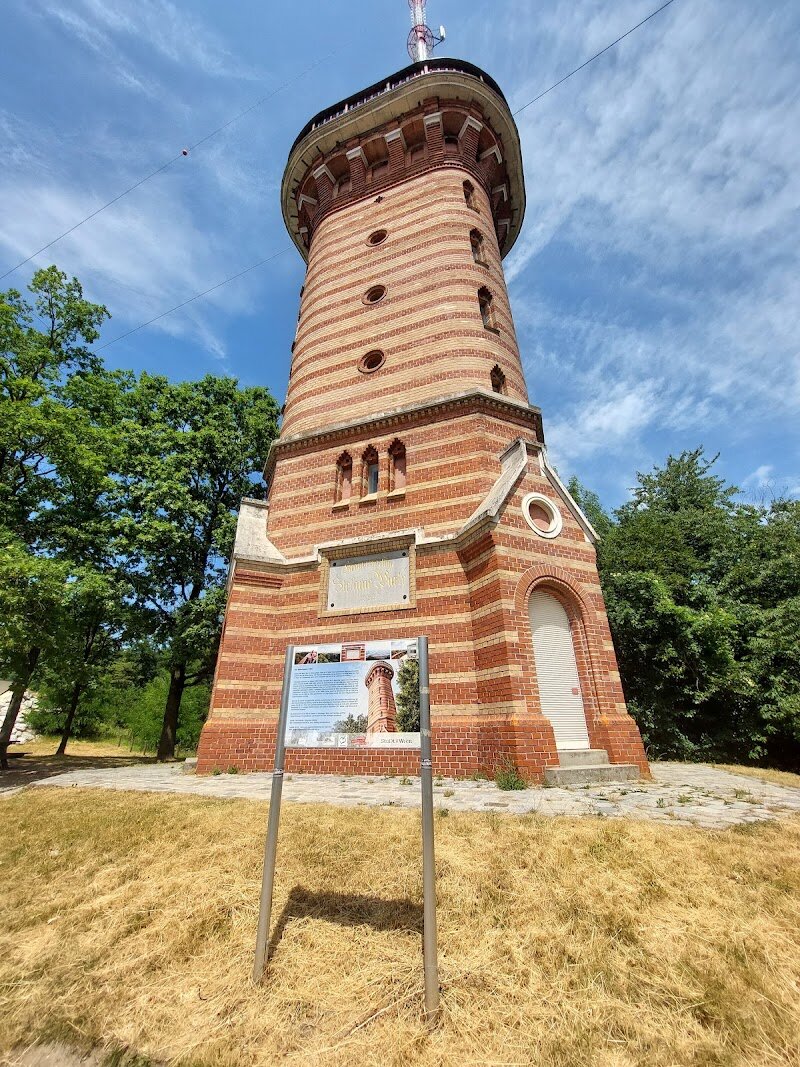
Kronprinzessin-Stefanie-Warte

Perched atop Vienna's beloved Kahlenberg hill, the **Kronprinzessin-Stefanie-Warte** stands as a 22-meter stone observation tower steeped in imperial history and architectural elegance. Built in 1887 by the renowned architectural firm Fellner & Helmer, this iconic landmark was named to honor Crown Princess Stephanie of Belgium, wife of Crown Prince Rudolf. What makes this tower truly special is its commanding vantage point offering **unparalleled panoramic views** of Vienna's most treasured sights. From the observation platform, you'll gaze upon St. Stephen's Cathedral, the Giant Ferris Wheel in the Prater, and on clear days, even the distant Alpine foothills. The tower itself carries fascinating stories—some of its bricks were recycled from an old cable car, connecting past to present. Beyond the tower, the Kahlenberg experience extends to charming cafés serving traditional Viennese cuisine, the baroque St. Joseph's Church, and the Forest Rope Park for adventurous families. Whether you're seeking a peaceful escape, a glimpse into Vienna's rich heritage, or simply breathtaking city views, the Stefaniewarte delivers an unforgettable journey through time and landscape.

October 1887—Vienna's metalworkers completed this 22-meter iron-lattice tower on Am Kahlenberg, the city's most famous hill. Named for Crown Princess Stefanie of Belgium, wife of Crown Prince Rudolf, the tower features 125 spiral iron steps ascending through the painted frame. Climb to the top and you've crossed 500 meters elevation, gazing across Vienna toward the Danube and distant Schneeberg peaks. Here's what surprises most visitors: from 1953 to 1956, this tower transmitted the region's first television signals—broadcasting Vienna's image across the Alps when most Austrians still had no idea what television was. The weathered iron railings, wind rushing through the lattice, the city spreading endlessly below—it feels frozen in Vienna's golden age. Every step carries a century of footprints. Open weekends and holidays, May through October, so time your visit right. Worth every one of those 125 steps.

building

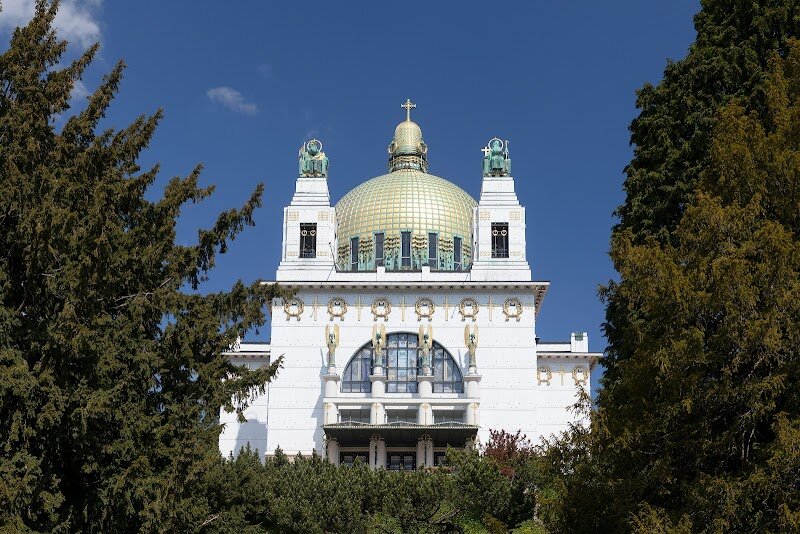
Otto-Wagner-Kirche am Steinhof

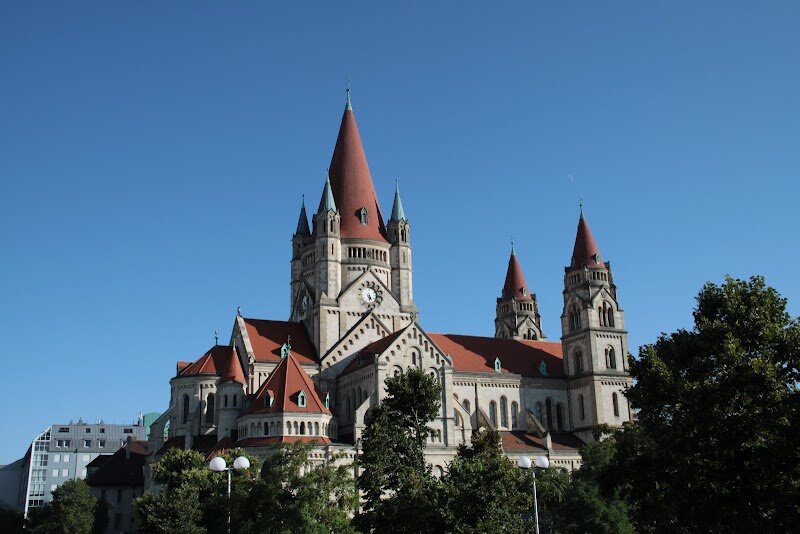
The Otto-Wagner-Kirche am Steinhof stands as one of Europe's most revolutionary architectural achievements, completed in 1907 by visionary architect Otto Wagner. This stunning Art Nouveau masterpiece, officially dedicated to Saint Leopold, represents a watershed moment in church design—blending sacred tradition with bold modernist vision. What makes this church truly exceptional is its thoughtful design philosophy. Wagner created the building specifically for psychiatric patients, incorporating innovative features like sloped floors ensuring everyone enjoyed clear altar views, rounded edges for safety, and hygienic holy water dispensers. Every detail, from geometric floor patterns to four giant brass chandeliers, reflects Jugendstil elegance. The church's white marble exterior, crowned by towers topped with patron saints, gives way to an interior adorned with stained glass windows by Koloman Moser and sculptural angels by Othmar Schimkowitz. The golden dome and intricate mosaics create a harmonious "gesamtkunstwerk"—a total work of art where architecture, sculpture, and design unite seamlessly. Perched atop Vienna's Steinhof Hospital complex, this architectural gem offers visitors a glimpse into early 20th-century innovation, where compassionate design meets artistic brilliance.

That golden dome rising above the trees on Baumgartner Höhe? It's been here since 1907—over a hundred years! Otto Wagner designed every corner rounded on PURPOSE because this was a hospital chapel for psychiatric patients. The smooth marble walls? Nearly impossible to hurt yourself on. And here's the wild part: when Archduke Franz Ferdinand opened it in 1907, he hated Wagner's modern style so much he refused to even acknowledge him. Seriously awkward!

building

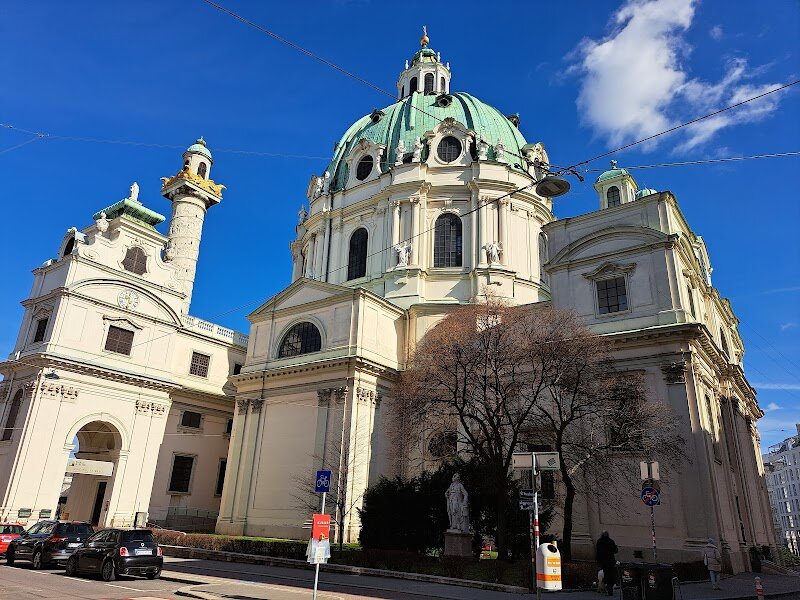
St. Charles's Church

St. Charles Church, or Karlskirche, stands as one of Vienna's most breathtaking architectural treasures and a masterpiece of Baroque design. Built between 1716 and 1737, this stunning church emerged from Emperor Charles VI's solemn vow during the devastating plague of 1713, transforming a moment of crisis into an enduring symbol of imperial power and faith. What makes the Karlskirche truly extraordinary is its bold fusion of architectural styles—a "world history of architecture" captured in stone. The church features a striking Roman portico reminiscent of the Pantheon, flanked by two magnificent spiral columns that draw inspiration from Solomon's Temple and Trajan's Column. These aren't merely decorative; they're layered with meaning, celebrating both spiritual devotion and Habsburg imperial ambitions. Inside, visitors encounter a soaring dome adorned with breathtaking frescoes depicting Saint Charles Borromeo's intercession. The intricate reliefs and sculptural details throughout the interior reveal stories of the saint's life and the plague's devastation. Designed by the visionary architect Johann Bernhard Fischer von Erlach, the Karlskirche represents the pinnacle of Viennese Baroque style. Whether you're an architecture enthusiast, history lover, or simply seeking spiritual inspiration, this magnificent church offers an unforgettable journey through centuries of artistic achievement.

Step onto Karlsplatz and you're facing what shouldn't work—two massive columns breaking every architectural rule from 1716. Emperor Charles VI's architect wrapped plague symbolism around Trajan's triumphal monuments, topped them with a 74-meter dome, then added pagoda roofs beside Greek porticos. Here's the trick: an elliptical sanctuary hides beneath that classical facade, a move Fischer used to confuse visitors. You're literally walking through a world history of architecture in stone. The church rose where the 1683 Turkish siege left Vienna in rubble for three decades—standing alone, reborn as Vienna's spiritual fortress. The 32.5-meter platform puts you face-to-face with frescoes of Saint Charles Borromeo healing plague victims, where an emperor once prayed during the city's darkest hour.

building

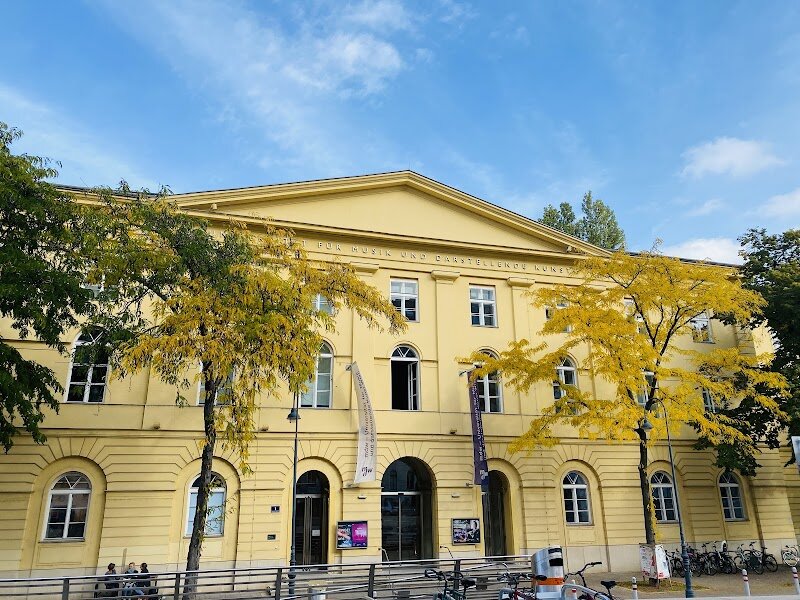
University of Music and Performing Arts, Vienna

The University of Music and Performing Arts Vienna (MDW) stands as one of the world's most prestigious institutions for performing arts, with roots tracing back to 1817. This Austrian cultural treasure emerged from a visionary 1812 charity concert, evolving into a beacon of musical excellence that shaped generations of artists. What makes MDW truly special is its harmonious blend of historic grandeur and contemporary innovation. The university boasts world-class facilities, including the stunning Schlosstheater Schönbrunn—Vienna's oldest baroque theatre—and cutting-edge film studios that bring artistic visions to life. For curious travelers and families, MDW offers an immersive cultural experience through over 1,000 annual events. From enchanting concerts in acoustically sophisticated halls to captivating opera and theatre performances, these gatherings showcase the talents of tomorrow's artists while celebrating Vienna's rich musical heritage. The university's commitment to community engagement means visitors can witness masterclasses, interdisciplinary performances, and film festivals that reveal the vibrant creative pulse of one of Europe's greatest musical capitals.

The veterinarians who studied in this building never imagined their lecture halls would someday echo with avant-garde musical experiments. In 1821, architect Johann Adam built this structure as Vienna's first systematic veterinary school, erected precisely where Emperor Joseph II had previously commanded an animal hospital stand... on ground beside the now-buried Wiener Neustadt Canal. The building's journey mirrors Vienna's transformation itself. From animal medicine to musical revolution—it became the University of Veterinary Medicine Vienna, then later the cradle of modernist composers. The plaza surrounding you, Anton-von-Webern-Platz, carries an unusual distinction. It was named directly after this university, making it perhaps Vienna's only square born from the institution rather than vice versa. Step inside and neoclassical ceilings from 1821 still soar overhead while the Second Viennese School's heirs compose tomorrow's revolutions. This building survived 1944 and 1945 intact—the very bombs that consumed the State Opera and Burgtheater spared these walls mere streets away. You're standing in layers of Vienna's hidden transformation: from imperial animal care to artistic sanctuary, where the classroom of veterinary anatomy became the studio of musical genius.

museum

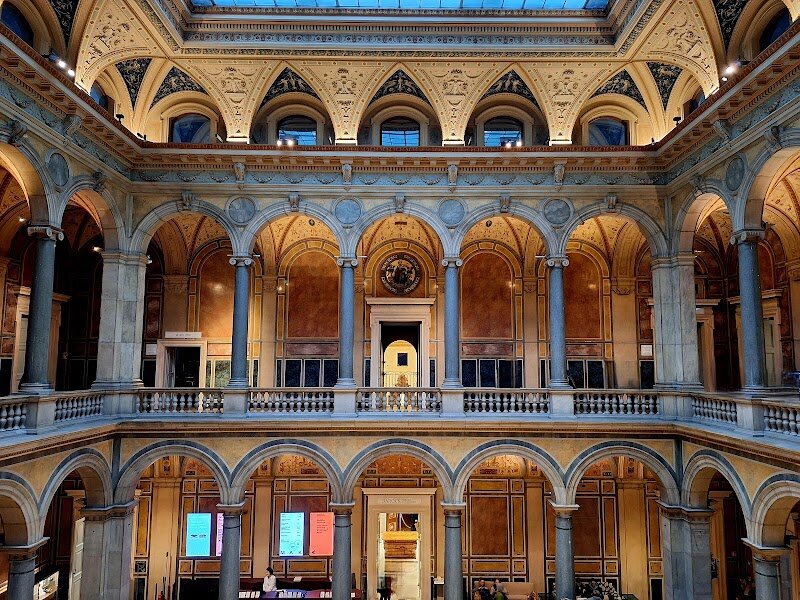
Museum of Applied Arts

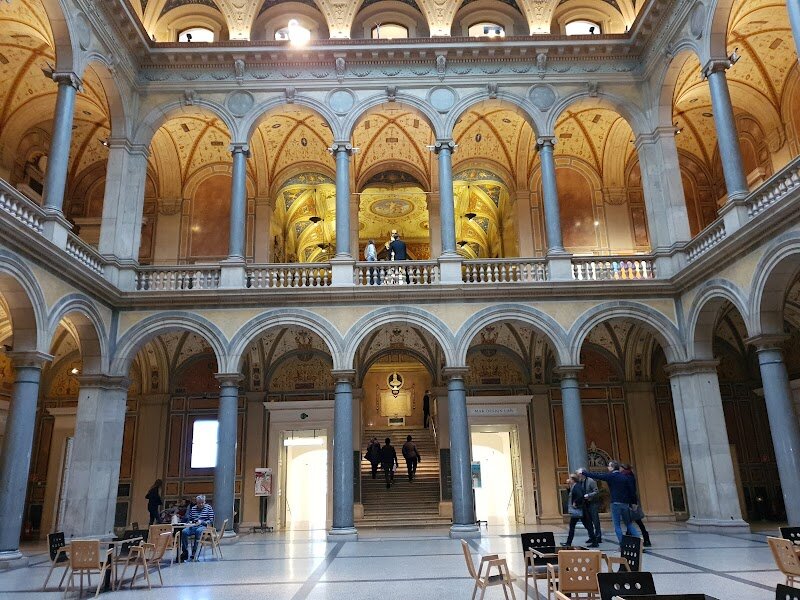
Step into the MAK – Vienna’s Museum of Applied Arts – and discover a world where design, history, and creativity come alive. Founded in 1863, this grand institution was inspired by London’s Victoria & Albert Museum and has been shaping the way we see art and everyday objects ever since. Housed in a stunning Italian Renaissance-style building on the Ringstraße, the MAK is as much a masterpiece as the treasures inside. Wander through centuries of design, from Baroque glassware and exquisite Viennese porcelain to avant-garde furniture and fashion. Marvel at the ornate ceilings, the iconic Thonet chair, and the dazzling MAKlite light installation that brings the façade to life at night. The MAK isn’t just about the past – it’s a place where tradition meets innovation, with thought-provoking exhibitions that spark curiosity in visitors of all ages. Whether you’re a design lover, a history buff, or simply looking for inspiration, the MAK offers something special: a journey through beauty, craftsmanship, and the stories behind the objects we use every day. It’s a museum that invites you to look closely, think creatively, and leave with a fresh perspective.

1871. Vienna's brand-new Ringstraße boulevard opens, and architect Heinrich von Ferstel places Vienna's FIRST museum right here on Stubenring—Italian Renaissance style with a soaring columned hall inside. But here's the twist: this wasn't built for emperors. It taught factory workers how to design better furniture and goods. Inside, spot the legendary Thonet Model 14 chair, so brilliant that millions were sold worldwide. And watch for the architectural wildness—the "Tor zum Ring" entrance literally pushes Vienna's street right through the building's outer wall.

building

Katholische Kirche Alservorstadt (Allerheiligste Dreifaltigkeit)

The Katholische Kirche Alservorstadt, also known as Allerheiligste Dreifaltigkeit, is a captivating early Baroque gem nestled in Vienna's Alser Vorstadt district. Built between 1694 and 1704, this church stands out with its unique concave façade—Vienna’s oldest example of such architecture—featuring twin towers crowned by elegant domed roofs. Inside, visitors are welcomed by a cruciform layout beneath a soaring dome, with richly adorned altars including a stunning High Altarpiece depicting the Holy Trinity and a Marian altar showcasing the Immaculate Conception. This church is steeped in history, closely linked to musical legends Ludwig van Beethoven and Franz Schubert. Beethoven’s body was blessed here in 1827, and Schubert premiered his “E-flat Mass D.950” in 1829, adding a profound cultural resonance to the space. Families and curious travelers alike can appreciate the serene atmosphere, the intricate frescoes recently uncovered from the early 18th century, and the vivid sculptures reflecting the church’s Trinitarian roots. Whether you’re drawn by its rich artistic heritage, baroque beauty, or musical history, the Katholische Kirche Alservorstadt offers a memorable journey into Vienna’s spiritual and cultural heart.

As you stand here looking up, those twin towers reaching 43 meters—crowned with copper domes finished in 1703—sit at the heart of Vienna's oldest concave Baroque facade. Built 1694 to 1704 on Alser Strasse in Alservorstadt, nothing curves like it. Schubert composed this church's bell hymn on September 2nd, 1828... just weeks before he died. It was his final major work. Step inside and you'll face a striking 1708 crucifix altar, possibly from the legendary Veit Stoß, paired with an 1826 Trinity painting dominating the high altar. Schubert's Mass premiered here after his death. His friend Michael Leitermayer led the choir here. Medieval tunnels beneath the crypt once sheltered locals during Vienna's fiercest sieges—you're standing above centuries of stories layered into these walls.

museum

Gasometers of Vienna

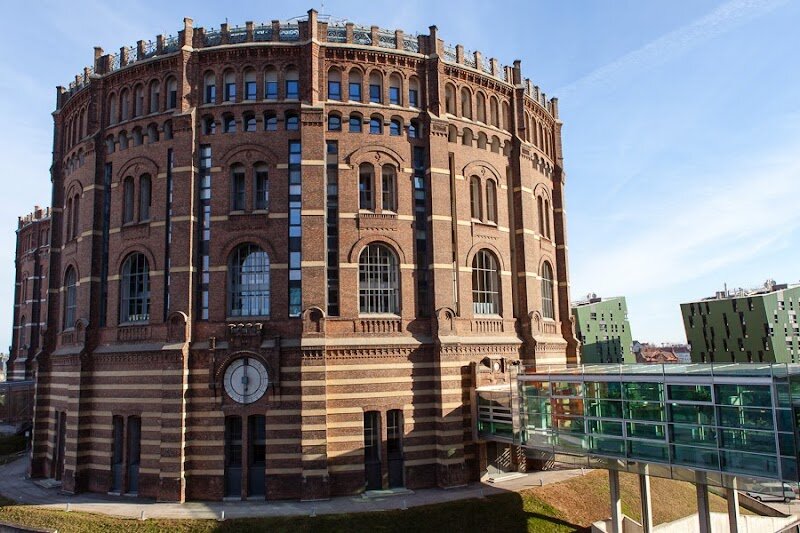
# Gasometers of Vienna: A Remarkable Industrial Transformation Discover one of Europe's most imaginative urban renewal projects in Vienna's Simmering district. These four colossal brick towers, originally built between 1896 and 1899, once supplied the entire city with gas during the industrial era. Today, they stand as a stunning testament to adaptive reuse and architectural innovation. What makes the Gasometers truly special is how visionary architects—Jean Nouvel, Coop Himmelblau, Manfred Wehdorn, and Wilhelm Holzbauer—breathed new life into these 70-meter-high structures. Rather than demolishing these protected monuments, the city gutted the interiors while preserving the striking red-brick facades, then reimagined them as a vibrant mixed-use district. Now home to approximately 1,200 residents, the complex buzzes with energy. Families can explore a shopping mall, catch a film at the cinema, or enjoy live performances at the concert hall. Curious travelers will appreciate the Vienna Municipal Archives housed within, while office spaces and student hostels complete this dynamic neighborhood. Connected by skybridges and surrounded by contemporary architecture, the Gasometers represent the perfect blend of industrial heritage and modern urban living—a place where Vienna's past ingeniously fuels its present.

Three thousand people live inside what used to be Europe's biggest coal gas tank. Each of these four brick towers, standing 70 meters tall, stored 90,000 cubic meters of explosive gas from 1896 until 1984. In 2001, four star architects did the impossible—gutting the insides while keeping the red-brick walls and transforming them into apartments, offices, and concert halls. The walls were engineered to contain explosions; today they contain everyday life. You're standing on Guglgasse in Vienna's Simmering district inside a living time capsule.

museum

Leopold Museum

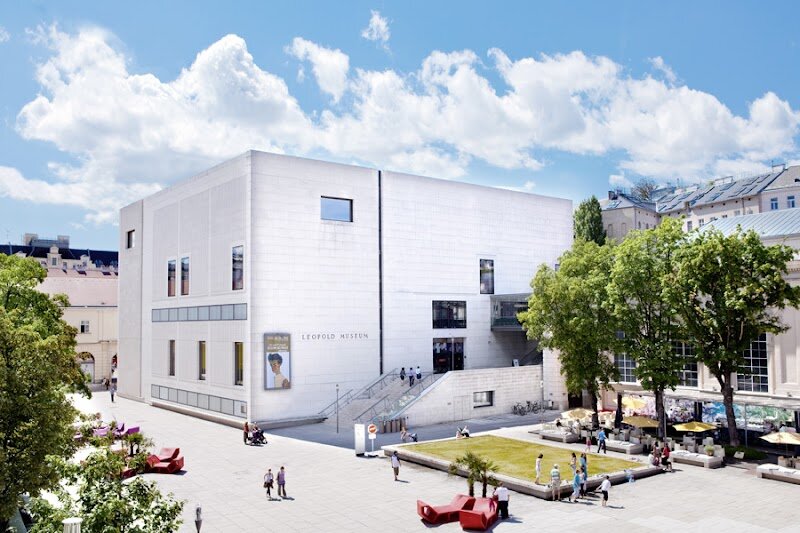
Step into the Leopold Museum in Vienna and discover the heart of Austria’s artistic revolution. Housed in the vibrant MuseumsQuartier, this museum is a treasure trove of modern Austrian art, where the bold spirit of the Vienna Secession comes alive. Founded by passionate collectors Rudolf and Elisabeth Leopold, the museum brings together over 5,000 works that capture the creativity and energy of a city at the dawn of the 20th century. Here, you’ll walk alongside giants like Gustav Klimt and Egon Schiele, marveling at their expressive masterpieces that transformed art forever. But the Leopold is more than just paintings—it’s a journey through Vienna’s golden age, where Art Nouveau elegance meets raw emotional power. Families and curious travelers alike will be captivated by the stories behind each brushstroke, the innovative design objects, and the fascinating mix of glamour and grit that defined “Vienna 1900.” With its immersive exhibitions and ever-changing special displays, the Leopold Museum offers a rich, personal experience that makes Austria’s cultural legacy feel immediate and inspiring. Whether you’re an art lover or simply curious, this is a place where history, creativity, and wonder come together in unforgettable ways.

44 paintings and over 200 watercolors—that's the world's BIGGEST collection of Egon Schiele anywhere, sitting inside this brilliant white limestone cube at Museumsplatz. The Leopold Museum was built between 1994 and 2001, towering 24 meters high and replacing the imperial stables that once occupied this exact spot. Step through the entrance and a massive 19-meter glass atrium floods light everywhere. Spread across 5,400 square meters, you'll discover revolutionary artworks by Schiele, Klimt, and Kokoschka—artists who completely transformed Vienna's art world around 1900. As you look around, notice how the white Danube limestone gleams from every angle, and blue light waterfalls cascade down the facade at dusk... that's artist Waltraut Cooper's magical touch that makes this museum absolutely glow.

landmark

Vienna International Centre (VIC)

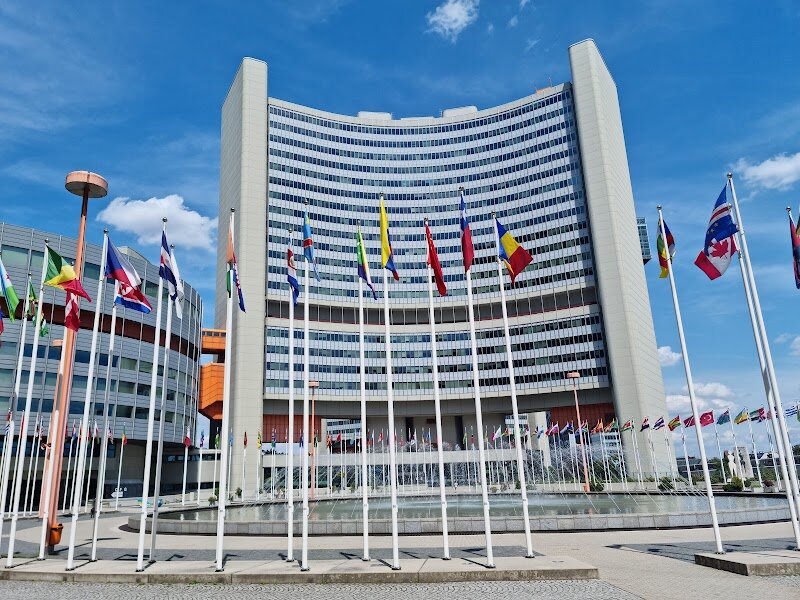
The Vienna International Centre, affectionately known as "UNO City," stands as a striking testament to modern architecture and international diplomacy in the heart of Europe. Designed by Austrian architect Johann Staber and completed in 1979, this gleaming complex features six distinctive Y-shaped office towers surrounding a cylindrical conference building, creating an ingenious ensemble that has captivated visitors for decades. What makes the VIC truly special is its unique character—it occupies inviolable international territory belonging to 193 UN member states, making it a fascinating microcosm of global cooperation. The silvery towers with their bold orange accents evoke the optimism of the 1970s, while the original furnishings transport you back in time. Visitors can explore interconnected office buildings, discover hidden corners, and ascend to interpreter booths offering panoramic views. The complex houses not just administrative spaces but also a medical centre, library, restaurants, and cafeteria, creating a self-contained international hub. Guided tours reveal the architecture's clever design and the inspiring work of thousands of UN employees from over 125 countries dedicated to improving lives worldwide. It's where history meets modernity in one compelling destination.

1972. Construction crews move earth along Vienna's Danube. Austrian architect Johann Staber has just beaten 287 international competitors with this bold vision—those six Y-shaped towers rising before you. Seven years later, on August 23, 1979, the Vienna International Centre opens as the world's third UN headquarters. But here's what makes this place truly extraordinary: the moment you step through these gates, you leave Austria entirely. This complex sits on inviolable international territory belonging to all 193 UN member states, leased annually for one schilling—roughly seven euro cents. Those towers soaring 127 meters aren't randomly positioned either. Staber arranged them so precisely that none cast shadows on the others, ensuring all 4,500 offices inside flood with natural light. Pure architectural genius. Look at those bold orange accents captured from 1970s fashion—somehow still striking after forty-five years. Inside these walls, soundproofed interpreter booths echo with simultaneous conversations in multiple languages as 5,000 employees from 125 countries craft global decisions on everything from nuclear safety to human rights. You're standing on shared international ground where architecture and diplomacy converge in ways few places on Earth achieve—a monument to what happens when the world chooses cooperation over isolation.

museum

Klosterneuburg Monastery

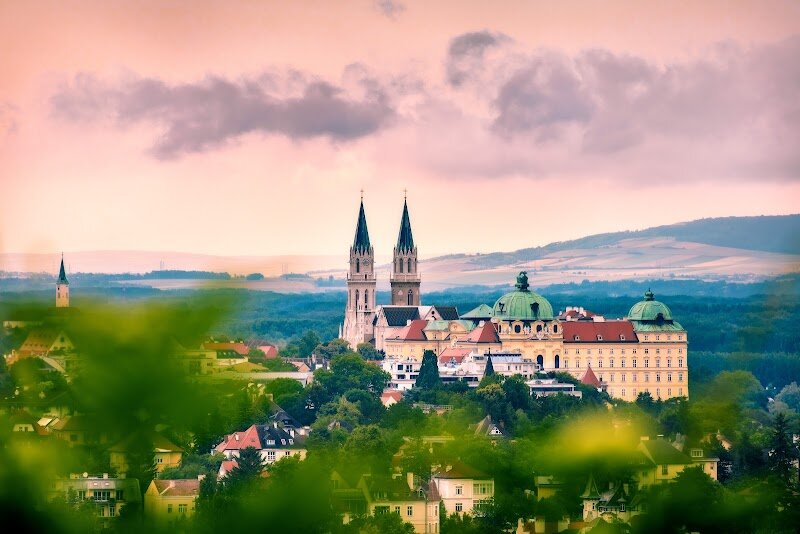
Perched majestically above the Danube just outside Vienna, Klosterneuburg Monastery stands as a testament to nearly 900 years of Austrian history. Founded in 1114 by Margrave Leopold III—according to legend, after his bride's wedding veil was miraculously recovered from a forest—this stunning complex blends Romanesque, Gothic, and Baroque architecture into an unforgettable experience. Step inside to discover treasures that rival Vienna's greatest palaces. The monastery houses the magnificent Verdun Altar, a masterpiece of medieval goldsmithing featuring intricate enamel work, alongside the Archducal Crown of Austria and an impressive treasury of religious relics and artwork. The ornate Baroque imperial apartments showcase how the Habsburgs lived in elegance and grandeur. Beyond its artistic riches, Klosterneuburg reveals layers of Austrian identity—it's the resting place of important historical figures and remains the spiritual home of the Augustinian Canons who have inhabited these walls for centuries. Visitors can wander through baroque gardens, explore the former Babenberg courtyard, and even sample wines from one of Austria's oldest and largest vineyards, operated by the monastery since its founding.

Fifty-one copper enamel tiles line the Leopold Chapel, each completed between 1171 and 1181 by master goldsmith Nicholas of Verdun—until a catastrophic fire in 1330 forced the monks to transform this pulpit decoration into an altar. Look upward at the two Baroque domes crowning the roofline above Stiftsplatz; Emperor Charles VI originally planned nine towers inspired by Spain's El Escorial, but only two were ever finished. Margrave Leopold III founded this fortress-monastery in 1114, and Augustinian canons have inhabited it continuously for nearly 900 years through Ottoman sieges and Nazi occupation.

museum

Kunsthistorisches Museum Wien

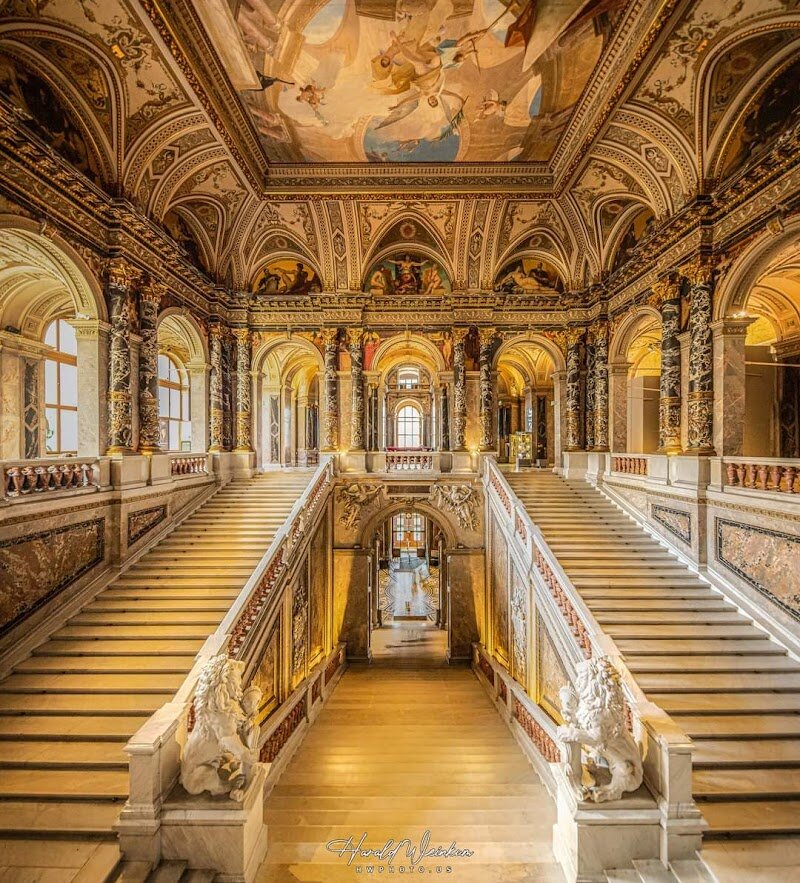
The Kunsthistorisches Museum in Vienna stands as one of the world's most prestigious art institutions, a magnificent testament to centuries of Habsburg collecting. Housed in a stunning Neo-Renaissance building completed in 1891, this architectural masterpiece features lavishly decorated interiors adorned with marble, gold-leaf, and murals by renowned artists like Gustav Klimt. What makes this museum truly special is its extraordinary breadth—spanning five millennia from Ancient Egypt to the late eighteenth century. The Picture Gallery showcases masterpieces by Titian, Rembrandt, Vermeer, and Pieter Bruegel, including the world's leading Bruegel collection. For those seeking wonder, the Kunstkammer is unforgettable: a "chamber of wonders" brimming with 2,100 objets d'art, from intricate ivory carvings and jeweled timepieces to Benvenuto Cellini's famous golden salt cellar. Whether you're an art enthusiast or simply curious about history, the KHM offers an immersive journey through artistic achievement. Families will delight in discovering treasures from different eras, while travelers gain insight into the refined tastes that shaped European culture. It's more than a museum—it's a portal into the splendor of imperial Vienna.

Twenty years. Starting in 1871, workers carved this EXACT spot—once Vienna's defensive glacis barrier—into Emperor Franz Joseph I's architectural dream. Those 60-metre domes twin perfectly with the Natural History Museum across Maria-Theresien-Platz, designed by legendary Gottfried Semper. But step inside and discover the detail that stops visitors cold: a circular opening in the entrance hall ceiling that frames the entire cupola overhead like a spotlight on imperial power. Marble, gold-leaf, and paintings by Gustav Klimt guide your ascent into architecture so theatrical, the building becomes a stage for everything it contains.

building

Vienna City Hall

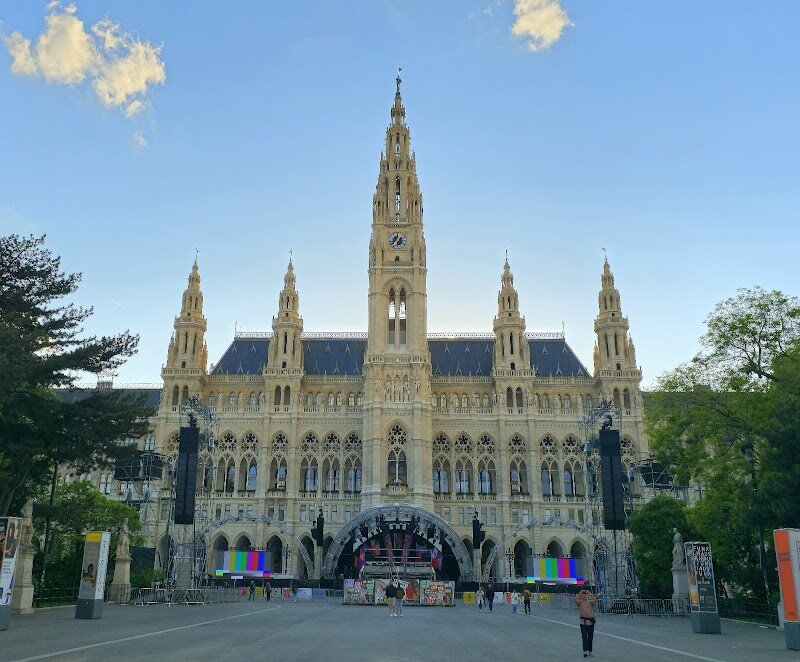
Vienna City Hall, or Wiener Rathaus, stands as one of Europe's most magnificent civic buildings and a true symbol of Vienna's transformation in the 19th century. This stunning neo-Gothic masterpiece was designed by Friedrich von Schmidt and completed in 1883, rising majestically along the famous Ringstrasse boulevard. The building's soaring 98-meter tower, crowned with the iconic Rathausmann statue, dominates Vienna's skyline with its elegant pointed arches and richly decorated facade. What makes it truly special is the clever architectural ingenuity—the tower was deliberately kept just below the height of the nearby Votivkirche to respect the Emperor's wishes, yet the architect added a five-meter statue on top to achieve the desired grandeur. Inside, visitors discover Austria's largest historical ballroom and one of Europe's most impressive arcaded courtyards, originally designed as welcoming spaces for public gatherings. The building's intricate stonework features statues of Austrian rulers and figures representing justice and traditional trades, reflecting the rise of Vienna's bourgeoisie during this transformative era. Whether admiring its Gothic Revival architecture or exploring its grand interior spaces, Vienna City Hall offers a fascinating glimpse into 19th-century ambition and civic pride.

Thirty million bricks built this neo-Gothic giant on Friedrich-Schmidt-Platz between 1872 and 1883. Look up at the 98-meter tower—the architect TRICKED Emperor Franz Joseph! He set it exactly at 98 meters (respecting the Votivkirche's 99-meter limit), then added a 5-meter statue on top. Inside, seven sprawling courtyards await, plus a bizarre paternoster elevator that never stops moving. This fortress replaced Vienna's old defensive walls!

museum

Vienna Museum of Science & Technology

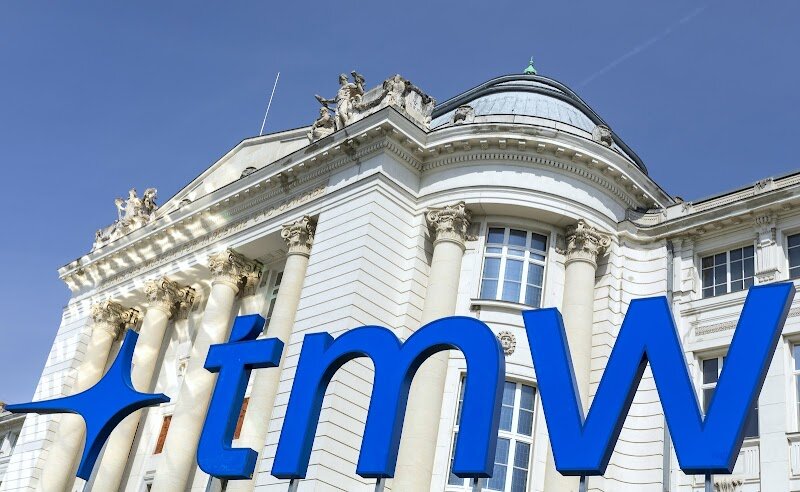
The Vienna Museum of Science and Technology stands as a magnificent testament to human ingenuity and Austria's industrial heritage. Housed in a striking early 20th-century building on Mariahilfer Straße, this museum opened in 1918 after Emperor Franz Joseph I laid its cornerstone in 1909. What makes it truly special is its architectural brilliance—the building features distinctive glass-domed courtyards and pioneering reinforced concrete construction, complemented by an impressive 46.4 kilometers of electrical wiring that powers interactive demonstrations. With approximately 22,000 square meters of exhibition space, the museum showcases the evolution of technology through functional models that let visitors actively engage with scientific concepts. From historic steam engines and aviation innovations to one of Austria's largest collections of historical musical instruments, there's something to captivate every curious mind. The museum welcomes around 500,000 visitors annually, making it Austria's largest tech and science museum. Whether you're fascinated by railway transport, shipbuilding, or cutting-edge discoveries, this institution brilliantly brings technological progress to life, transforming complex machinery into understandable, tangible experiences.

Every day, lightning bolts tear across a copper coil inside this building, making your hair stand on end. But that high-voltage demonstration is just the opening act at Vienna's Museum of Science and Technology, standing here on Mariahilfer Strasse 212 in the Penzing district. What you're looking at is a Jugendstil masterpiece designed by Hans Schneider. The Austrian Emperor himself placed the cornerstone on June 20, 1909, and after being delayed by World War One, this "treasure of domestic industrial effort" finally opened its doors on May 6, 1918. Within just ten weeks, 100,000 visitors had already poured through those entrance doors. Look up at those soaring glass-topped courtyards flooding the interior with light—that's the architectural secret most visitors miss entirely. Inside these 22,000 square meters lies Europe's oldest functioning mine exhibition, where pneumatic hammers still work after a century, Austria's most powerful steam locomotive ever built, and automatic musical instruments that play themselves without a single human touch. This is where Austria proved it wasn't just following technological progress. It was inventing it. Step inside and discover what obsessed engineers and visionary minds actually built when they dared to dream bigger.

landmark

Hundertwasser House

Step into a world where imagination runs wild at Vienna’s Hundertwasser House—a true architectural fairytale that feels like it’s sprung from a storybook. Designed by the visionary artist Friedensreich Hundertwasser and completed in 1985, this colorful apartment building is anything but ordinary. With its wavy floors, crooked walls, and windows that are all uniquely shaped, every corner invites you to look closer and wonder. Trees grow right out of the balconies, their branches reaching skyward, while vibrant mosaics and glazed domes add a playful touch that delights both kids and adults. Hundertwasser dreamed of a “house for human beings and trees,” and here, nature and architecture live in joyful harmony. The building was a bold statement against the rigid, straight-lined modernism of its time, and today it stands as a symbol of creativity and individuality in the heart of Vienna. Families will love exploring the maze-like terraces and discovering the quirky details around every turn. Whether you’re an art lover, a curious traveler, or just looking for something wonderfully different, the Hundertwasser House promises a memorable experience that sparks the imagination and celebrates the beauty of the unexpected.

250 trees now grow through this building at Kegelgasse and Löwengasse, because Hundertwasser, a painter who wasn't an architect, convinced Vienna he could build a house where nature lives inside. No two windows match. Floors tilt. He refused to be paid. In 1985, 70,000 people came to the opening day and it's still pulling crowds. Here, your apartment lease actually guarantees your individual window rights. Look closely... straight lines? Hundertwasser called them the devil's tools.

landmark

Johann Strauss monument

Standing majestically in Vienna's Stadtpark is one of the world's most iconic and photographed monuments—the gleaming golden statue of Johann Strauss II, the legendary "King of the Waltz." Sculptor Edmund Hellmer created this masterpiece, which was unveiled on June 21, 1921, more than two decades after Strauss's death. The statue captures the composer in his element: violin in hand, poised elegantly before his orchestra, framed by a stunning marble arch adorned with dancing figures. What makes this monument truly special is its radiant presence—the bronze figure is gold-plated, catching the light beautifully whether you visit by day or experience it illuminated after dark. This is where Strauss's genius comes alive, the man who gave Vienna the "Blue Danube," Austria's beloved anthem. The monument sits just behind the historic Kursalon concert hall, where Strauss performed his first concert in 1868. Today, visitors can stroll through the tree-lined park, soak in the musical heritage, and even enjoy waltz concerts at the nearby Kursalon, bringing Strauss's timeless compositions to life in the very spaces that inspired him.

June 26th, 1921—Vienna's Philharmonic plays as this golden statue unveils, becoming Vienna's most photographed monument. You're in Stadtpark behind the Kursalon where Strauss performed his first concert in 1868. Here's the wild part—the gold coating was stripped away but got restored in 1991, gleaming like Edmund Hellmer's original design. Dancing figures surround Strauss's violin in the marble relief. You're standing in Vienna's first public park, packed with more sculptures than anywhere else in the entire city!

museum

Architekturzentrum Wien

The **Architekturzentrum Wien** (Az W) stands as Austria's premier architecture museum, housed within Vienna's vibrant MuseumsQuartier cultural district. Founded in 1993 as a landmark recognition of architecture's significance to Austrian culture, this institution has evolved into an internationally acclaimed center for architectural discourse and discovery. Spanning 2,000 square meters, the Az W invites visitors on a captivating journey through 150 years of Austrian architectural achievement. The museum's stunning permanent exhibition, "Hot Questions – Cold Storage," showcases an unparalleled collection of 20th and 21st-century Austrian architecture, featuring original drawings, models, documents, and personal archives of renowned architects. Beyond static displays, the museum pulses with life through over 500 annual events—from intimate workshops and symposia to engaging city expeditions and film screenings. What truly sets the Az W apart is its commitment to bridging the gap between architectural professionals and everyday enthusiasts. Whether you're an architecture aficionado or simply curious about how design shapes urban life, this museum transforms complex concepts into accessible, immersive experiences. It's a place where Austria's architectural heritage meets contemporary global perspectives, making it an essential destination for anyone seeking to understand how buildings and cities define our world.

Four hundred pieces of architecture are hidden inside this Museumsplatz building—wild LEGO replicas, models, sketches, and Barbie dolls exposing a shocking truth: hardly any women work in architecture! The entire collection fills exactly two thousand square meters, exploring seven burning questions about how buildings shape our world. You'll find legendary work from Otto Wagner and Adolf Loos. Austria's ONLY architecture museum, completely reimagined in 2022 to make architecture feel like an adventure.

museum

Time Travel Vienna

Step into the vaults of a 400-year-old monastery and embark on an unforgettable journey through two millennia of Viennese history. Time Travel Vienna transforms the underground chambers of St. Michael's Monastery into an immersive wonderland where cutting-edge technology brings the past to vivid life. This isn't your typical museum—it's an interactive adventure featuring eight meticulously crafted stations, each dedicated to pivotal moments and themes in Vienna's story. Experience the grandeur of Roman Vindobona in a spectacular 5D cinema, then encounter animatronic Habsburg emperors and the famous composers Mozart and Strauss in engaging multimedia shows. The tour doesn't shy away from darker chapters, including a haunting recreation of the 17th-century plague and an original World War II air-raid shelter. What truly sets this experience apart is its blend of entertainment and education. Visitors don virtual reality glasses to soar through Vienna's musical heritage, then enjoy a magical virtual carriage ride over the city's iconic landmarks, complete with snow and laser effects. Whether you're a history enthusiast or simply curious about this cultural capital, Time Travel Vienna delivers an unforgettable 50-minute adventure that makes learning genuinely thrilling.

Beneath Habsburgergasse's cobblestones rests a 400-year-old Benedictine monastery vault—sacred stone that once sheltered silent prayer. Today, those vaulted ceilings frame something far more electrifying: 2,000 years of Vienna's history compressed into fifty explosive minutes across 1,300 square meters of immersive darkness. Eight stations assault your senses. The 5D cinema plunges you into Roman Vindobona with wind and trembling seats. Then comes the plague pit—Vienna's 1679 catastrophe recreated in visceral detail, rats scurrying, plague doctors materializing from shadow. Mozart and Strauss animate before your eyes, trading barbs while you waltz past on a carousel suspended in Austrian music. Maximilian, Franz Joseph, and Maria Theresia materialize as animatronic emperors, their court frozen in light within these ancient stone arches. The finale shatters all remaining time: a virtual fiaker soars over Schönbrunn, the State Opera, the Prater—all Vienna reconstructed and suspended beneath monastery walls older than Mozart himself.

landmark

Water World

# Discover Vienna's Water Adventure World Nestled in the Favoriten district, Vienna's Water Adventure World is a fascinating 15,000-square-meter sanctuary that transforms learning into play. Built around a magnificent historic water tower constructed in 1898/99, this beautifully landscaped park reveals the secrets behind Vienna's remarkable water system. What makes this destination truly special is its innovative approach to education through exploration. A dedicated water adventure path traces how Vienna receives its pristine drinking water—an impressive 330-kilometer journey from mountain springs, powered entirely by gravity without a single pump. Visitors wander through enchanting landscapes dotted with cascading waterfalls, serene ponds, and charming bridges while discovering interactive play stations dedicated to water's wonders. The centerpiece, the striking brick tower with its vibrant colored roof tiles, now hosts exhibitions and cultural events, adding cultural richness to your visit. Children delight in hands-on water experiments in designated play areas, while everyone can cool off under an oversized shower on warm days. Whether you're a curious learner or adventure-seeking family, this unique blend of history, nature, and interactive discovery makes Water Adventure World an unforgettable Viennese experience that celebrates one of life's most essential elements.

This plaza is built on top of Vienna's forgotten ocean... a massive underground reservoir that once supplied the entire city's water. When the U3 subway extended to Johnstraße in 1994, the Wasserbehälter Schmelz vanished beneath your feet, replaced by a marketplace below. But architects Guttmann and Falkner refused to let the water's story die. They commissioned three international sculptors—Japanese-Austrian artist Osamu Nakajima, Hans Muhr, and Waltrud Viehböck—to create the Wiener Wasserwelt: seven spectacular fountain installations that have captivated visitors for over twenty years. Watch Nakajima's towering granite steles explode with water jets, carved to remember what was lost. Eastward stands Muhr's Lebensbaum, a Tree of Life powered by solar panels while dancing with water. The neo-Gothic brick church Maria Queen of Martyrs behind you has stood guard since 1875, built with Cardinal Rauscher's personal wealth. This plaza spans thirteen thousand square meters, recently renovated with twenty-seven new trees. Underground memory flows into art.

building

University of Applied Arts Vienna

The University of Applied Arts Vienna stands as one of Europe's most influential creative institutions, with roots stretching back to 1863 when it was founded as the Vienna School of Arts and Crafts. This pioneering establishment was the first of its kind on the continent, setting the standard for design education across Europe. What makes this university truly exceptional is its remarkable legacy of innovation and artistic excellence. The institution shaped the groundbreaking Bauhaus movement and inspired the visionary Wiener Werkstätte artists who revolutionized modern design. Today, the university continues this tradition of excellence, hosting world-renowned fashion designers as professors—from Karl Lagerfeld and Vivienne Westwood to contemporary stars like Grace Wales Bonner. Visitors and curious travelers can experience the living heart of Vienna's creative culture here. The university's Collection and Archive, established in 1980, documents 150 years of artistic development and serves as the material memory of this prestigious institution. Walking through these halls, you're stepping into a space where design history was made and continues to evolve, offering a fascinating glimpse into how Vienna became a global center for artistic innovation and contemporary creativity.

1867. The year this institution opened its doors and fundamentally altered Vienna's understanding of design—not as ornament, but as revolutionary problem-solving. You're standing at Oskar Kokoschka-Platz, a square named after an expressionist rebel who studied and later taught here, a firebrand who rejected decorative tradition entirely and painted raw human vulnerability onto canvas. When Kokoschka walked these halls, women were already graduating from architecture programs, decades before any other Austrian school dared enroll them. But the revolution extended beyond gender parity. Nearly thirty graduates of this school designed Vienna's radical Werkbundsiedlung from 1929 to 1932, transforming entire neighborhoods through applied design principles. As you look at the building's U-shaped complex, notice how the recent crystalline glass bridges of the Asymptote addition sit within the historic courtyard, neither erasing nor imitating what came before. The architecture itself teaches you something crucial: past and future coexist. Rebellion and craft are not opponents but partners. This square remembers a man who refused convention. The building around you proves why that refusal still echoes through Vienna today.

museum

Belvedere Palace

Belvedere Palace stands as one of Vienna's most magnificent treasures, a stunning Baroque masterpiece that captures the grandeur of 18th-century Austria. Built between 1712 and 1723 by Prince Eugene of Savoy, this architectural gem was designed by the brilliant Johann Lukas von Hildebrandt and originally served as the prince's lavish summer residence. What makes Belvedere truly special is its dual nature—two interconnected palaces separated by breathtaking gardens adorned with sculptures and fountains. The Lower Belvedere once housed the prince's personal quarters, while the Upper Belvedere was conceived as a ceremonial showcase of power and prestige. Today, both buildings have been transformed into world-class museums displaying an extraordinary collection of Austrian art spanning 900 years. Visitors can marvel at iconic masterpieces, including Gustav Klimt's famous "The Kiss," alongside works by other celebrated artists. Beyond the paintings and sculptures, the palace itself enchants with ornate facades, grand staircases, and intricate frescoes that exemplify Baroque opulence. Whether you're an art enthusiast, history lover, or simply seeking beauty, Belvedere Palace offers an unforgettable journey through Austria's cultural heritage and artistic legacy.

Baroque, 18th-century palaces housing art from Middle Ages to today, with notable Klimt collection.. Establishment, Museum, Point of interest, Tourist attraction

Belvedere Palace houses an extraordinary collection that tells the story of human creativity and cultural heritage. Each exhibit offers a window into different eras and civilizations, making it a treasure trove for curious minds.

landmark

Laudon Palace

Step into a fairytale at Laudon Palace, a Baroque gem nestled in Vienna’s lush Penzing district. Originally a medieval moated castle dating back to the 12th century, it was transformed into a grand Baroque residence in the 18th century, blending centuries of history with elegant architecture. Surrounded by serene parklands and a tranquil moat, the palace offers a peaceful escape from the city, where families can wander through picturesque gardens and imagine life in imperial times. Laudon Palace is more than just a beautiful building—it’s a place where history comes alive. Marvel at the ornate frescoes inside, stroll along tree-lined paths, and discover the stories of the Habsburg Empire that shaped this enchanting estate. The palace’s idyllic lakeside setting and majestic halls make it a favorite for weddings and events, but it’s equally magical for curious travelers seeking a glimpse of Vienna’s imperial past. Whether you’re exploring the park, admiring the architecture, or simply soaking in the atmosphere, Laudon Palace promises a memorable experience for all ages.

It is 1130 on what will become Mauerbachstraße, and medieval stones rise from marshland guarding Vienna's western frontier. Centuries pass. Then Emperor Frederick III presents this very castle to his bride Eleonore as a wedding gift, and it transforms into a Baroque water palace, reborn from fortress into romance. You step inside the Freskensaal, where painter Johann Baptist Wenzel Bergl covered every surface from floor to ceiling with impossible scenes. Tigers prowl, rhinoceroses roam, elephants parade through exotic landscapes. But here's the revelation... hidden in these visions is Maria Theresa herself, depicted as sovereign commanding all four continents, Austrian dominion encoded in plaster and pigment. Notice the thickened medieval walls beneath the ornate Baroque facade—proof of transformation layered within the structure. The water palace and its magnificent park, located on Mauerbachstraße in Vienna's 14th district, carry eight centuries of history within their frame, each stone and fresco a testament to empires building monuments piece by piece. This is not just a palace. This is a love story written in architecture, where medieval survival became imperial splendor.

building

Augustinerkirche

Step inside Vienna’s Augustinerkirche and discover a hidden gem steeped in imperial history and quiet grandeur. Tucked beside the grand Hofburg Palace, this unassuming church has been a silent witness to centuries of Habsburg drama, from royal weddings to solemn farewells. Built in the 14th century, its soaring Gothic nave and elegant proportions create a sense of peace and awe, while the vibrant high altar and restored painted ceiling add splashes of color and artistry. What truly sets the Augustinerkirche apart is its unique connection to the Habsburgs. Behind a wrought iron gate, the Loreto Chapel houses the “Vault of Hearts,” where silver urns hold the hearts of emperors and empresses—a touching, intimate glimpse into royal tradition. As you wander through the church, you’ll feel the echoes of history: the footsteps of emperors, the whispers of prayers, and the legacy of Vienna’s most powerful dynasty. Whether you’re drawn to architecture, history, or simply the magic of old Vienna, the Augustinerkirche offers a memorable experience for families and curious travelers alike.

Behind that deceptively plain facade on Josefsplatz lies a secret that few visitors expect: 54 Habsburg hearts sealed in silver urns beneath your feet. The Augustinerkirche has guarded Austria's most intimate imperial hearts since 1327, when Frederick the Handsome founded this monastery steps from his Hofburg Palace. Construction took nine years, from 1330 to 1339, but the extraordinary heart-keeping tradition didn't begin until centuries later. In 1634, this became the official court parish church, and something remarkable happened—rulers started requesting their hearts be separated from their bodies and buried here alone. Look around. You're standing in Vienna's second-largest medieval church, yet the modest exterior reveals nothing of this hidden grandeur. That soaring neo-Gothic altar was originally rejected from the Votivkirche because it blocked the view, so it found its perfect home here in 1874. Four Habsburg monarchs married within these walls: Leopold I in 1666, Maria Theresa in 1736, and Francis Joseph with Elisabeth in 1854. Even Napoleon's son was honored with burial here. Step toward the Loreto Chapel's iron gate to glimpse the semicircular crypt where empires rest eternally in silver.

museum

Museum of Natural History Vienna

Vienna's Natural History Museum stands as one of the world's largest and most remarkable repositories of natural wonders, housed in a stunning 19th-century palace that rivals a royal residence. Founded in 1876 and officially opened in 1889, this architectural gem displays over 30 million specimens across 39 exhibition halls, making it a treasure trove for curious minds of all ages. The museum's crown jewel is the **Venus of Willendorf**, a 29,500-year-old limestone figurine that represents humanity's oldest artistic expression. But the real spectacle lies in the dinosaur hall, where colossal prehistoric skeletons—including a lifelike moving Allosaurus—transport you millions of years into the past. Beyond fossils, you'll discover glittering gemstones, intricate minerals, and the world's largest meteorite collection, including the fascinating Tissint Martian meteorite. The museum brilliantly blends education with wonder, featuring air-conditioned halls adorned with sweeping staircases and ornate ceiling frescoes depicting the triumph of science. Whether you're marveling at extinct mammals, exploring early human evolution, or simply absorbing the grandeur of the building itself, this museum offers an unforgettable journey through Earth's magnificent natural history.

In 1751, a meteorite fell in Zagreb and became the founding piece of Earth's oldest meteorite collection—now at Burgring 7. This palace, opened in 1889, houses over 30 million specimens. Step into Hall V and you'll stand before 1,100 meteorites on display, the world's largest meteorite exhibit. This building exists because Emperor Franz Joseph I tore down Vienna's ancient city walls in 1857 to create this Ring Road for grand museums.

building

Vienna University of Economics and Business

Vienna University of Economics and Business (WU) stands as one of Europe's most prestigious institutions, with a fascinating story that spans over 125 years. Founded in 1898 as the Imperial Export Academy, this pioneering institution was created to fill a critical gap in Vienna's educational landscape during the city's golden age as a flourishing metropolis of the Austro-Hungarian Empire. What makes WU truly special is its visionary approach to education from day one. The academy broke new ground by combining commerce studies with foreign languages, economics, and law—a revolutionary concept that set international standards for business education. This commitment to innovation continues today, as WU holds the prestigious triple international accreditation (EQUIS, AACSB, and AMBA), placing it among the world's elite business schools. The university's modern campus showcases striking contemporary architecture and infrastructure, reflecting its role as an academic pioneer. With over 22,000 students from more than 100 countries, WU embodies the internationality that has defined it since 1898. Visitors can experience a vibrant hub of academic excellence where Europe's largest business and economics university continues shaping tomorrow's leaders and innovators.

1898. That's when Vienna founded the Export Academy to train merchants. A century later, that same institution became THIS: Europe's biggest business school with 22,000 students on this exact spot. Look ahead—see that floating Library and Learning Center? Zaha Hadid, one of the world's most famous architects, designed it to look like it's sculpted from glass and air. Six building complexes surround you, each designed by architects from Spain, Japan, Germany, Britain, and Austria. The whole ten-hectare campus opened in 2013 at Welthandelspl. 1, right beside Vienna's Fair Ground. From a single academy teaching export merchants to a global powerhouse on this square—that's your jaw-dropper moment right there.

building

St. Michael's Church

St. Michael's Church stands as one of Vienna's most captivating architectural treasures, offering visitors a remarkable journey through eight centuries of history. Located at the entrance of the magnificent Hofburg Palace, this stunning church began its life around 1220 as a Romanesque structure, then evolved dramatically through successive centuries. What makes Michaelerkirche truly special is its architectural diversity—walking through its doors, you'll encounter a fascinating blend of Romanesque, Gothic, and Baroque styles layered throughout the interior and exterior. The church's pristine white facade contrasts beautifully with ornate details, while the soaring Gothic vaulting overhead creates an awe-inspiring atmosphere. Inside, each chapel and altar tells its own story. You'll discover everything from a bricked-up original portal from 1220 to an opulent high altar from the 1780s depicting Archangel Michael's triumph over Lucifer. The church's crypt once served as an imperial burial place, adding to its historical significance. For curious travelers and families alike, Michaelerkirche offers an almost overwhelming sense of lived history—a place where you can literally watch centuries unfold before your eyes, making it an unforgettable Viennese experience.

Four thousand bodies rest sealed beneath this white church, preserved in cool darkness since burials ended in 1784. Look at those three entrance arches above—carved details confirm construction began in 1220, making St. Michael's one of Vienna's oldest parish churches at eight centuries old. The facade appears Baroque and classical, rebuilt in 1791, yet step inside and the Gothic vaulting overhead reveals the true skeleton. Between 1340 and 1450, sweeping Gothic annexes rewrote this entire structure. Above the main altar and again crowning the west entrance outside, the dramatic "Fall of the Angels" sculptures chronicle the building itself. Positioned directly across the Hofburg Palace on Michaelerplatz, this is where Vienna's architectural biography unfolds in stone. Romanesque foundations from 1200, Gothic bones from 1450, Baroque details added in the 1780s, and classical refinement from 1791 all occupy these walls simultaneously, each century layered without erasing the last. Take a crypt tour in German to descend where four thousand souls witnessed the city transform above their heads through the medieval, Renaissance, and modern eras.

museum

Austrian Gallery Belvedere

The Belvedere stands as one of Vienna's most enchanting treasures, a magnificent Baroque masterpiece that seamlessly blends history, art, and architectural splendor. Built between 1712 and 1723 by Prince Eugene of Savoy, this stunning palace complex was originally designed as a luxurious summer residence, showcasing the prince's military triumphs and refined taste. Today, the Belvedere captivates visitors with its two interconnected palaces—the grand Upper Belvedere and the intimate Lower Belvedere—linked by breathtaking Baroque gardens adorned with fountains, sculptures, and symmetrical pathways. The museum houses an extraordinary collection of nearly 18,600 artworks spanning 900 years, including Gustav Klimt's iconic "The Kiss" and masterpieces by Jacques-Louis David. Beyond the world-class paintings and frescoes, the palaces themselves are works of art, featuring ornate facades, sweeping staircases, and opulently decorated marble halls. Whether you're an art enthusiast, history lover, or simply seeking beauty, the Belvedere offers an unforgettable journey through Austrian culture and European heritage, making it an absolute must-visit destination for curious travelers of all ages.

The Marble Hall nearly collapsed. In the winter of 1732, the grand central hall beneath your feet was literally sinking into the ground, threatening to bring down the entire Upper Palace. Architect Johann Lukas von Hildebrandt, a student of Italian master Carlo Fontana, saved it with four massive Atlas pillars—those sculpted male figures you see supporting the vaulted ceiling, holding 300 years of history on their stone shoulders. This wasn't always a museum. From 1717 to 1723, Prince Eugene of Savoy, one of the Habsburg dynasty's greatest military minds, built his summer palace as a statement of power on land that was once open countryside outside Vienna's gates. After his death in 1736, Empress Maria Theresa transformed it into one of the world's first public art museums, opening in 1781. Standing here on Prinz-Eugen-Straße in Vienna's third district, you're inside the Austrian Gallery with 18,600 artworks spanning 900 years. The world's largest Gustav Klimt collection hangs upstairs, crowned by "The Kiss." This palace survived World War II's devastation, was painstakingly rebuilt to its original grandeur, and now stands as a guardian of beauty—where Austrian art from the Middle Ages meets contemporary works, all framed by Baroque gardens featuring Europe's oldest Alpine Garden.

building

St. Francis of Assisi Church

Nestled beside the Danube River in Vienna's 2nd district, St. Francis of Assisi Church stands as one of the city's most enchanting architectural treasures. Built between 1898 and 1910, this magnificent basilica was constructed to celebrate the 50th anniversary of Emperor Franz Joseph I's reign and consecrated in 1913. Designed by renowned architect Victor Luntz, the church captivates visitors with its striking Rhenish-Romanesque style, featuring three distinctive red-tiled towers that are visible from kilometers away. What truly sets this church apart is its emotional depth. The Art Nouveau Elisabethkapelle (Elizabeth Chapel) serves as a poignant memorial to Empress Elisabeth, decorated with shimmering gold mosaics and marble walls. The chapel's octagonal design mirrors the famous Palatine Chapel in Aachen Cathedral, creating an intimate space of remarkable beauty. From the pedestrian Reichsbrücke bridge, the church resembles a fairytale castle rising majestically against the Vienna skyline. Whether you're an architecture enthusiast, history lover, or simply seeking spiritual tranquility, this lesser-known gem offers a uniquely moving experience that captures the grandeur and romance of imperial Vienna.

These three wooden entrance roofs were installed only for one day—Emperor Franz Joseph I's arrival for the consecration ceremony on November 2nd, 1913. Now, 112 years later, they're still standing. Look up from the Mexikoplatz at what surrounds you: three massive towers of red brick and terracotta, rising 73 meters high in pure Rhenish-Romanesque style. Architect Victor Luntz designed this deliberately fortress-like, its silhouette visible for kilometers across Vienna—originally intended as a garrison church. On June 10th, 1900, this very ground—freshly reclaimed from the Danube regulation of the 1870s—held 100,000 people watching the foundation stone ceremony with the Emperor present. But this church carries profound tragedy. That same year, an anarchist murdered Empress Elisabeth, Sisi, in Geneva. Inside, to your left, the Elisabeth Chapel erupts in golden Art Nouveau mosaics. Donations came so generously that builders replaced simple frescoes with marble and glittering tile, transforming imperial loss into radiance. Step through those temporary wooden doors—never temporary after all—and discover how a nation's grief became its most luminous memorial.

Discover Vienna
Your Way

Expert Narration

Choose from professor, storyteller, or local friend perspectives for each location.

AI-Powered Stories

Discover hidden histories and fascinating facts powered by advanced AI research.

Location-Aware

Stories automatically play as you approach each landmark during your walk.

Ready to explore Vienna? Get the full audio experience
Download on the App Store